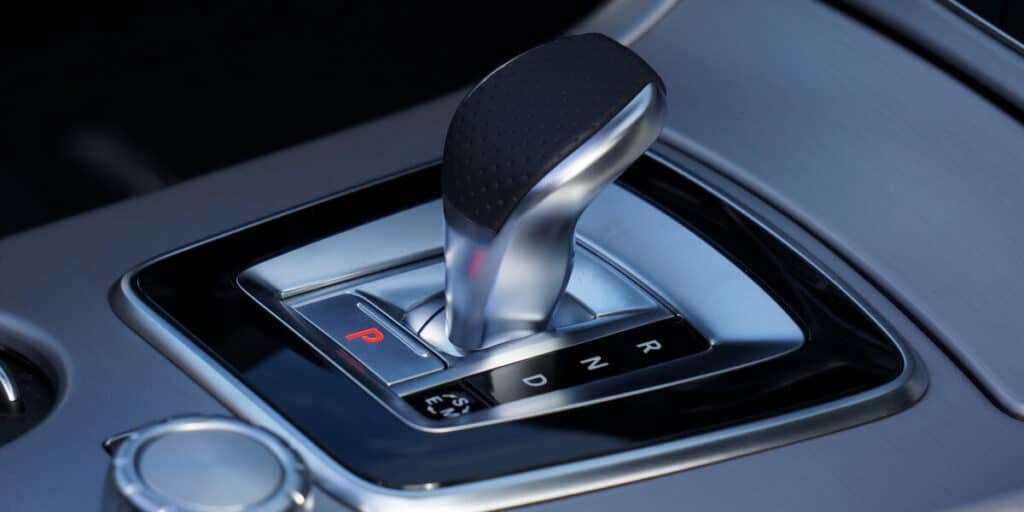
When your transmission fuse blows, you’ll typically notice your vehicle won’t shift gears properly, gets stuck in one gear, or enters limp-home mode that limits operation to second or third gear. Your Check Engine Light will likely illuminate, and you might experience sluggish acceleration with delayed engagement. The Transmission Control Module loses power, causing shift solenoids and electronic interlocks to stop functioning. You may detect a burnt plastic smell from electrical components or hear buzzing and clicking noises. Understanding these warning signs and their underlying causes helps you address the issue before it escalates into costlier repairs.
Quick Tips
- Transmission becomes stuck in one gear, fails to shift properly, or enters limp-home mode limiting operation to second or third gear.
- Dashboard warning lights illuminate, including Check Engine Light or transmission-related messages indicating electrical system malfunction.
- Complete loss of transmission function prevents vehicle movement as Transmission Control Module loses power and shift solenoids stop working.
- Buzzing or clicking noises from electrical components accompanied by burnt plastic smell indicate blown fuse or overheated wiring.
- Sluggish acceleration and delayed gear engagement occur when transmission sensors cannot communicate with engine control unit.
Warning Signs Your Transmission Fuse Has Failed
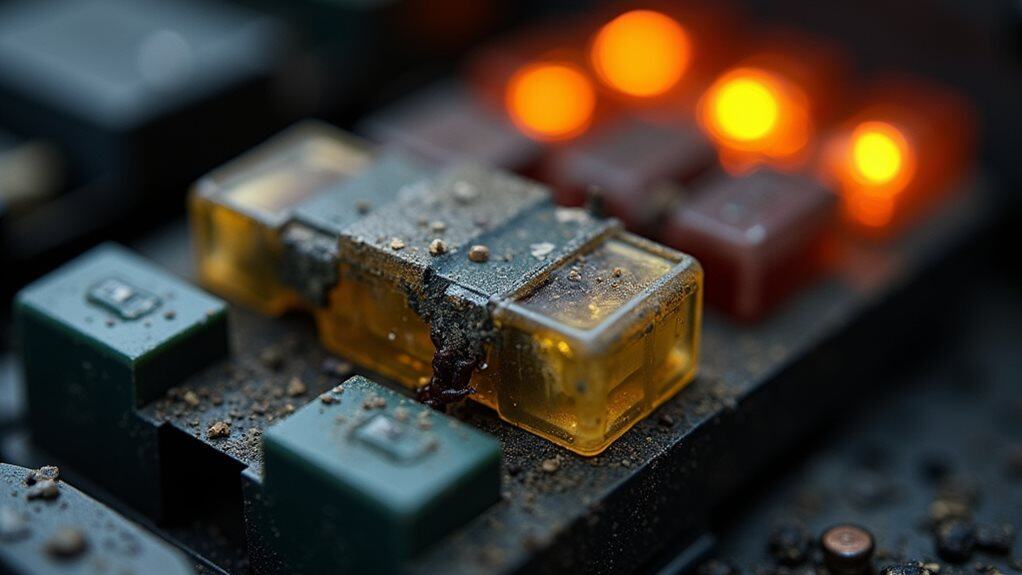
When your vehicle’s transmission fuse fails, several distinct symptoms emerge that can help you identify the problem before it causes major damage.
You’ll notice your transmission won’t shift gears properly, or it may become stuck in one gear entirely. Additionally, your dashboard’s Check Engine Light might illuminate, and you could experience complete loss of transmission function, preventing your vehicle from moving forward or reverse. Modern vehicles may also display transmission-related messages on the dashboard when the fuse has blown, requiring immediate attention to prevent further complications. This may also lead to low transmission fluid issues that can exacerbate the problem and cause additional damage.
Electrical Components That Stop Working When the Fuse Blows
A blown transmission fuse doesn’t just affect your vehicle’s shifting capabilities—it can trigger a cascading failure of various electrical systems throughout your car.
You’ll notice your Transmission Control Module loses power, preventing proper gear shifts or engine startup. Additionally, regular inspections of electrical components can help identify potential issues before they escalate.
Electronic shift interlocks become unresponsive, and solenoids regulating hydraulic pressure stop functioning.
Additionally, transmission-related sensors can’t communicate with your engine control unit, while safety features like the neutral safety switch may disable completely.
The blown fuse interrupts the circuit before overloads can damage the transmission’s wiring or control components.
How a Blown Fuse Affects Transmission Shifting Performance
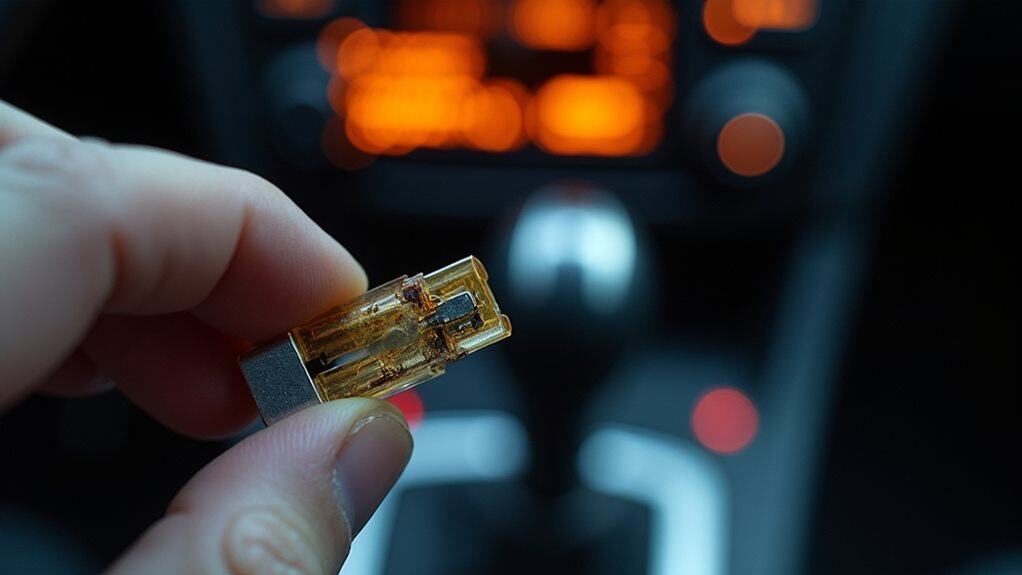
Your vehicle’s transmission system relies on a properly functioning fuse to coordinate dozens of electrical signals that control shift timing, hydraulic pressure, and gear selection.
When this fuse blows, power to shift solenoids and sensors immediately stops, causing erratic shifting patterns, harsh gear engagement, and limited gear availability.
You’ll experience sluggish acceleration, delayed shifts, and potential entry into limp-home mode, which restricts operation to second or third gear only. Regular inspections of battery cables and connections can help prevent electrical issues that may contribute to transmission problems.
Strange Noises and Smells Indicating Fuse Problems
While a blown transmission fuse doesn’t typically cause the grinding, whining, or clunking sounds associated with mechanical transmission damage, you might notice unusual buzzing or clicking noises from the electrical components controlling the transmission system.
If you detect a burnt electrical smell—distinctly different from the acrid odor of overheated transmission fluid—this sharp, plastic-like scent indicates that a fuse has blown or wiring has overheated due to an electrical short circuit.
Additionally, if a blown fuse affects the ignition system, it could potentially lead to electrical component malfunction, resulting in further complications like engine misfires.
These electrical symptoms require immediate attention because continuing to operate your vehicle with compromised transmission electronics can lead to further damage in both the electrical system and transmission components.
Unusual Transmission Noises
Transmission problems often announce themselves through distinct auditory warnings before complete system failure occurs.
You’ll hear whining noises when bearings wear out or fluid levels drop too low.
Grinding sounds indicate metal-on-metal contact from contaminated fluid, while clunking suggests damaged mounts or internal gears.
Humming typically signals bearing deterioration, and rattling during idle points to loose mounts or worn components requiring immediate professional inspection.
Burnt Electrical Smells
Beyond the auditory clues that warn of transmission trouble, your nose can detect equally important signals when electrical components fail.
A burnt electrical smell, resembling melting plastic, often indicates overheated wires or blown fuses near the transmission control module. This acrid odor intensifies when you activate electrical accessories and may originate from under the dashboard or hood, signaling potential circuit overloads or short circuits requiring immediate attention.
How to Check and Diagnose a Blown Transmission Fuse

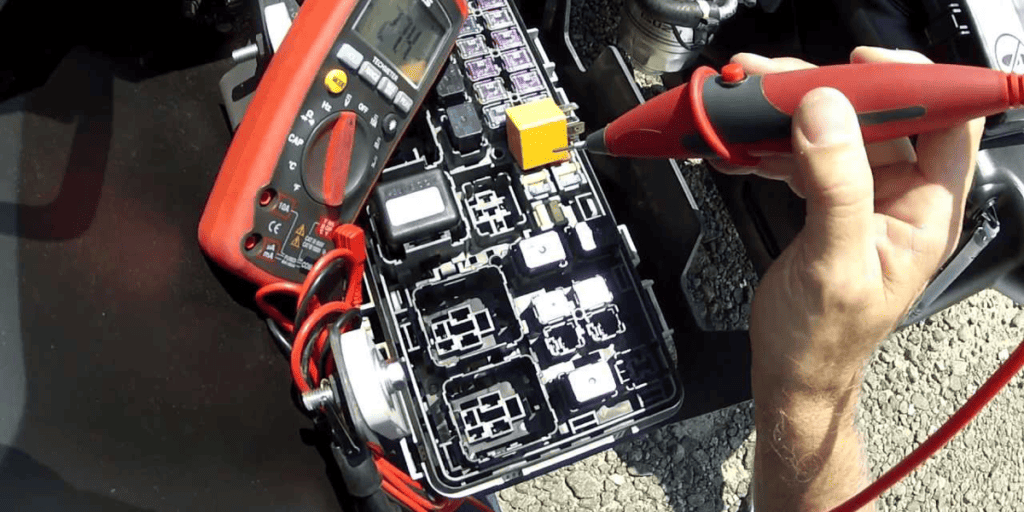
Pinpointing a faulty transmission fuse requires a systematic approach that combines visual examination with electrical testing methods.
Remove the fuse and inspect for broken wires or discoloration through the casing.
Use a multimeter in continuity mode—a good fuse beeps with low resistance, while a blown one shows infinite resistance.
Alternatively, test with a light probe at both terminals with the circuit powered.
What Causes Transmission Fuses to Blow
Understanding what causes a transmission fuse to blow helps you address the root problem rather than simply replacing fuses repeatedly.
Common culprits include electrical short circuits in wiring looms, faulty transmission solenoids drawing excessive current, and damaged wire insulation near connectors.
Using incorrect fuse ratings, electrical overloads from battery surges, and environmental factors like moisture intrusion or rodent damage also trigger fuse failures requiring proper diagnosis.
Risks of Driving With a Blown Transmission Fuse

When a transmission fuse blows, continuing to drive your vehicle isn’t just inadvisable—it’s genuinely dangerous and can trigger a cascade of mechanical failures.
You’ll risk complete transmission breakdown, unpredictable gear shifts that compromise control, and potential engine overheating.
The malfunctioning transmission stresses your entire drivetrain, dramatically increasing repair costs.
Additionally, unexpected stalling in traffic creates serious safety hazards for you and surrounding drivers.
Preventing Future Transmission Fuse Failures
Given the serious risks associated with blown transmission fuses, protecting your transmission system through preventative maintenance becomes your best defense against future electrical failures and costly repairs.
Schedule routine professional inspections to detect fluid leaks, worn seals, or loose components early.
Perform diagnostic scans during service to identify solenoid malfunctions affecting electrical systems.
Maintain proper transmission fluid levels and replace filters regularly to prevent contamination that strains electrical components.
Wrapping Up
You’ve learned the key symptoms of a blown transmission fuse, from electrical failures to shifting problems. Regular inspection of your vehicle’s fuse box can prevent unexpected breakdowns. If you notice warning signs like erratic gear changes or non-functional dashboard lights, check the transmission fuse immediately. Don’t ignore these indicators, as driving with a blown fuse risks serious transmission damage. When you replace a faulty fuse, always identify and fix the underlying cause to prevent recurring failures.