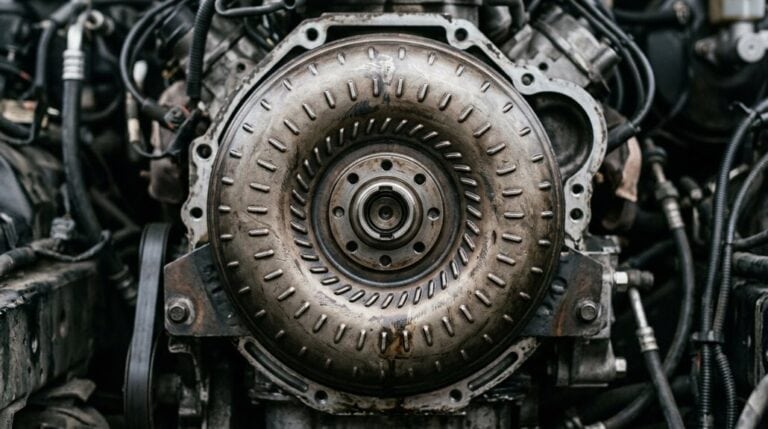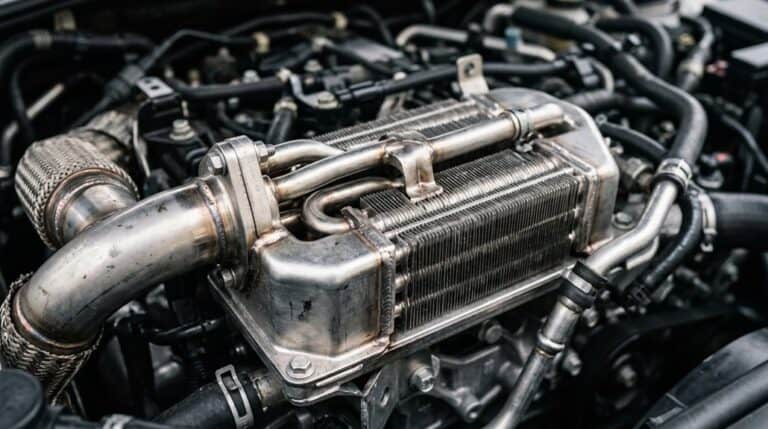
What Is The Purpose Of An EGR Cooler
Discover how an EGR cooler reduces emissions and protects engine components, but the key benefits and maintenance tips are…
What Is The Purpose Of An EGR Cooler Read Post »
Discover how an EGR cooler reduces emissions and protects engine components, but the key benefits and maintenance tips are…
What Is The Purpose Of An EGR Cooler Read Post »
Finding out whether your head gasket leaks oil or coolant requires careful inspection and testing—continue reading to learn the essential diagnostic methods.
How To Tell If A Head Gasket Is Leaking Oil Or Coolant Read Post »
A knock sensor detects high-frequency vibrations caused by abnormal combustion events like knocking, pre-ignition, or pinging within your engine. It uses a piezoelectric crystal to convert these vibrations into electrical signals, focusing on frequencies between 5-15 kHz. These signals indicate irregular explosions or detonation inside cylinders, which can harm the
What Does A Knock Sensor Actually Detect Read Post »
Learning to spot signs of a failing serpentine belt can prevent unexpected breakdowns and keep your vehicle running smoothly.
Signs Your Serpentine Belt Is About To Break Read Post »
Guidelines for testing an ignition coil with a multimeter reveal crucial steps to identify faults and ensure proper engine performance.
How To Test An Ignition Coil With A Multimeter Read Post »
Because short blocks lack external components while long blocks include them, understanding the key differences helps you choose the right engine for your project.
What Is The Difference Between A Short Block And Long Block Read Post »
A clogged fuel injector can cause engine issues; learn how to identify and resolve the problem to keep your vehicle running smoothly.
How To Tell If A Fuel Injector Is Clogged Read Post »
Maintenance of your vehicle’s PCV valve is crucial; learn what it does and when to replace it to keep your engine running smoothly.
What Does A PCV Valve Do And When To Replace It Read Post »
Fuel delivery issues, sensor malfunctions, and air intake problems can cause an engine to run rich—discover the key causes and solutions.
What Causes An Engine To Run Rich Read Post »
Poor ground straps can cause electrical issues in your vehicle, but understanding the signs and solutions can help you prevent costly repairs.
Can A Bad Ground Strap Cause Electrical Problems Read Post »
When your check engine light flashes then stops, it indicates an intermittent fault, often caused by engine misfires, faulty sensors, or ignition issues. The flashing light warns of a serious problem that could damage your catalytic converter if ignored, while the momentary stop might suggest the issue temporarily resolves but
Why Does My Check Engine Light Flash Then Stop Read Post »
Many factors like carbon buildup, faulty spark plugs, or vacuum leaks can cause engine knocking at idle—discover the full list of causes to resolve the issue.
What Causes An Engine To Knock At Idle Only Read Post »
Noticing rough idle symptoms? Discover how a dirty MAF sensor could be the cause and what steps to take next.
Can A Dirty MAF Sensor Cause Rough Idle Read Post »
Just turning on your AC can cause engine shaking due to multiple underlying issues, and understanding the root cause is essential for proper repair.
Why Does My Engine Shake When I Turn On The AC Read Post »
White smoke from the exhaust during a cold start typically occurs because moisture or condensation in the exhaust system evaporates as the engine heats up. This vapor is harmless and temporary, caused by residual moisture from overnight or recent engine shutdowns. However, if the white smoke persists beyond the initial
What Causes White Smoke From Exhaust When Engine Is Cold Read Post »
Getting your car to accelerate smoothly may depend on diagnosing issues like fuel, spark, or airflow problems that could be causing sputtering.
Why Does My Car Sputter When I Accelerate Read Post »
Signs of a failing head gasket include coolant leaks without visible drips, engine overheating, and white smoke from the exhaust. You may notice milky oil on the dipstick or bubbles in the oil, indicating oil contamination. External coolant leaks, loss of coolant without leaks, and bubbling in the radiator are
Signs Of A Failing Head Gasket Before It Blows Read Post »
Getting to the root of why your car backfires on deceleration involves understanding key issues that may be disrupting your engine’s performance.
What Causes A Car To Backfire On Deceleration Read Post »
You should schedule routine maintenance for your EV every one to two years, with inspections of the battery, cooling system, electrical components, and software updates. Tire checks and rotations are recommended every 7,500 miles, while brake system assessments occur around 50,000 to 70,000 miles due to regenerative braking. Regularly monitor
How Often Does An EV Need Maintenance Read Post »
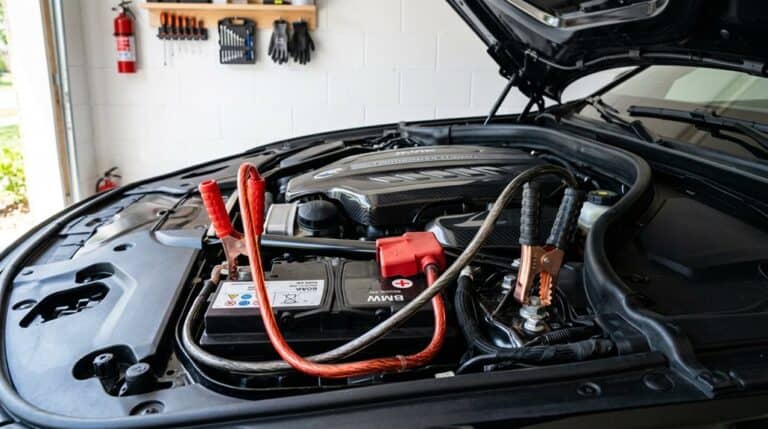
Because hybrid cars have high-voltage batteries, understanding safe jump-start procedures is crucial to prevent damage or injury—continue reading to learn more.
Can You Jump Start A Hybrid Car Read Post »