Replacing a catalytic converter typically costs between $933 and $4,414, depending on your vehicle’s make, model, and emissions standards. The price includes parts and labor, with OEM (original equipment manufacturer) units usually more expensive than aftermarket options. Factors like regional market and converter type (universal, direct-fit, high-flow) influence costs. Additional expenses may include diagnostic fees, sensors, and disposal. If you continue exploring, you’ll gain a clearer understanding of what influences these costs and how to choose the best option.
Catalytic converter replacement cost at a glance
The table below shows what each class of vehicle typically pays in the US in 2026, with parts and labour separated so you can see what the shop is charging for.
| Vehicle class | Parts (USD) | Labour (hours) | Total fitted (USD) |
|---|---|---|---|
| Compact or economy car | $300 to $700 | 1 to 1.5 | $800 to $1,300 |
| Mid-size sedan | $400 to $900 | 1.5 to 2 | $1,000 to $1,700 |
| SUV or light truck | $500 to $1,200 | 1.5 to 2.5 | $1,200 to $2,200 |
| OEM or California-compliant | $1,200 to $2,500 | 2 to 3 | $2,000 to $3,500 |
Labour is priced at roughly $100 to $150 an hour, which is the usual independent-shop range in the US. These are indicative ranges for planning, not a quote: the same job on two vehicles of the same size can differ by several hundred dollars once engine layout, rust and parts availability are taken into account. Get two quotes before committing.
Quick Tips
- Replacement costs generally range from $933 to $4,414, including parts and labor.
- OEM converters are more expensive but ensure proper fit and emissions compliance.
- Aftermarket catalytic converters are cheaper but may vary in quality and durability.
- Additional costs can include diagnostic fees, oxygen sensors, gaskets, and environmental fees.
- Price varies based on vehicle make, model, converter type, and regional market factors.
What Is a Catalytic Converter and Why Does It Cost So Much?
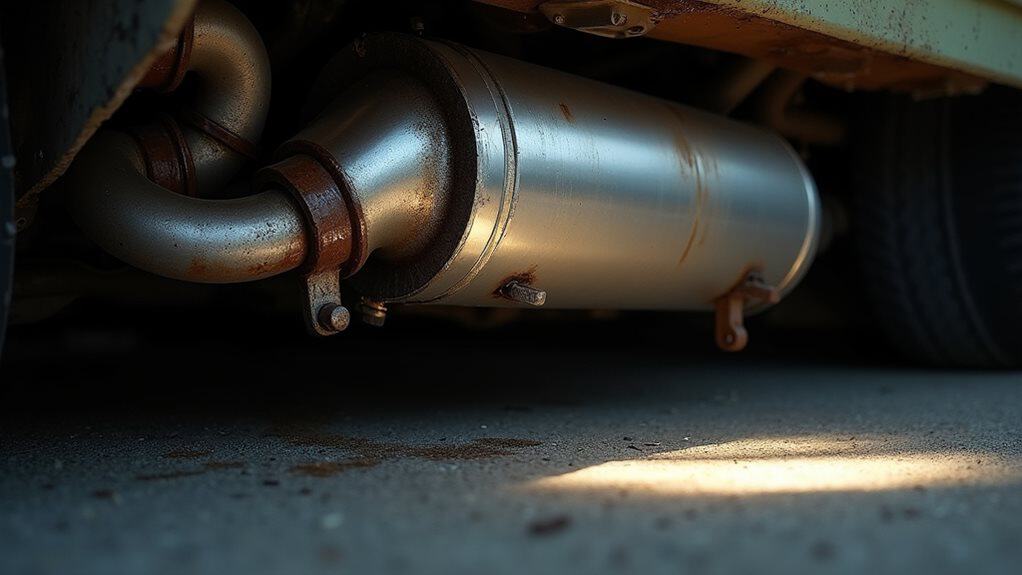
A catalytic converter is an essential component of your vehicle’s exhaust system that helps reduce harmful emissions released into the atmosphere.
It contains precious metals like platinum, palladium, and rhodium, which markedly increase its cost. Factory-original converters tend to be more expensive than aftermarket parts because they use higher-grade metals, essential for efficient emissions control and compliance. Many drivers also face costly repairs for seemingly unrelated issues, such as a stuck trunk caused by electrical or mechanical failures, when troubleshooting vehicle problems.
How Much Does It Typically Cost to Replace a Catalytic Converter?
Replacing a catalytic converter can vary widely in cost, depending on several factors related to your vehicle and the type of part used.
The average cost to replace a catalytic converter ranges from about $933 to $4,414, including parts and labor.
Costs depend on whether you have universal, direct-fit, or California-compliant converters, affecting both parts and labor expenses within your vehicle’s exhaust system.
High-flow catalytic converters can offer modest performance gains while still meeting emissions requirements for many vehicles, so some owners opt for them when replacing a failing unit and seeking modest horsepower gains.
What Factors Affect the Price of a Catalytic Converter?
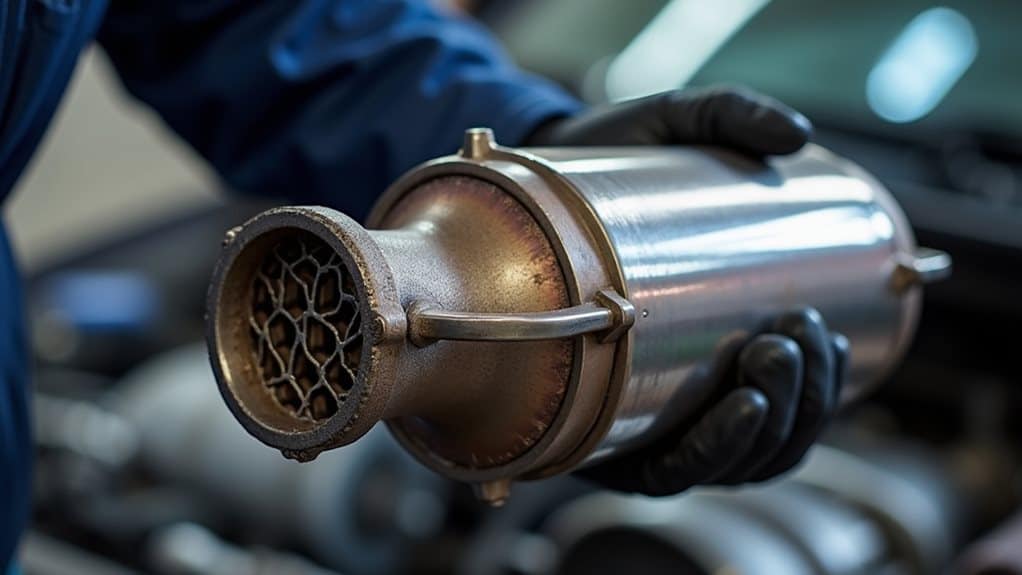
The cost of a catalytic converter can vary greatly depending on several key factors related to your vehicle and the part itself. These include your vehicle’s make, model, and emissions standards, which influence replacement costs.
The catalytic converter type, regional market fluctuations, and precious metals like platinum impact price. Additionally, OEM converters are typically more expensive than aftermarket options, and installation labor adds to overall costs. Knowing whether your Audi A4 needs premium gas can help prevent engine issues that might otherwise increase repair and replacement expenses.
OEM or Aftermarket? Which Catalytic Converter Should You Choose?
Choosing between OEM and aftermarket catalytic converters depends largely on your priorities and circumstances.
OEM parts, made by the vehicle manufacturer, guarantee emissions compliance, fit perfectly, and often preserve your vehicle warranty.
Aftermarket converters are more affordable but may vary in quality, longevity, and emissions standards. This can potentially affect replacement costs and cause the engine light to turn on if they don’t meet emissions standards.
If your vehicle has logged a P0430 indicating catalyst efficiency below threshold, choosing OEM can reduce the risk of continued emissions-related issues.
What Additional Costs Should You Expect During Replacement?
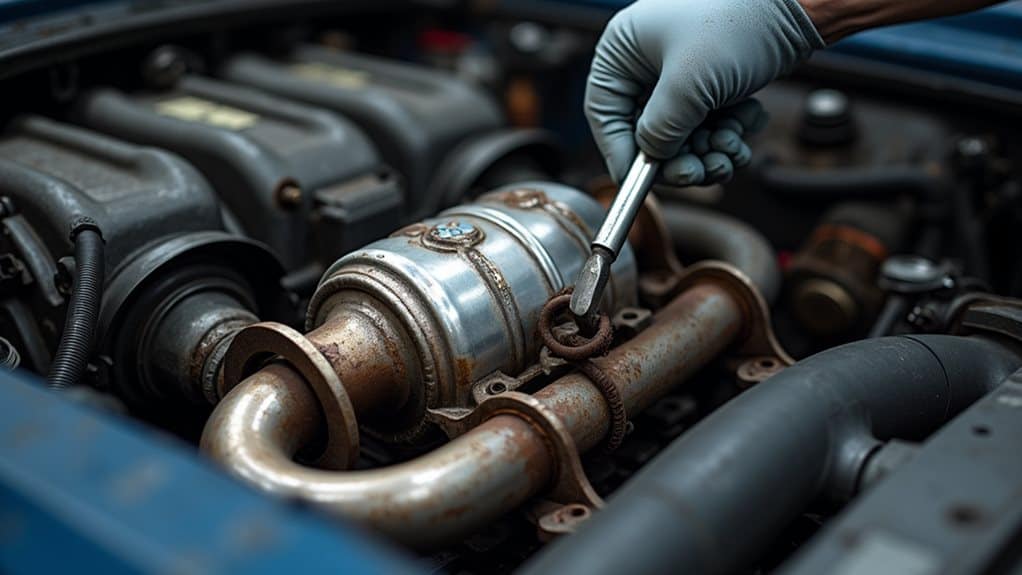
When planning for a catalytic converter replacement, it’s important to account for additional costs beyond the part itself. Diagnostic fees, typically $50–$150, help identify issues.
Expect to pay for labor, parts like oxygen sensors or gaskets, sales tax (5–10%), shop fees such as disposal or environmental charges, and potential repairs to the exhaust system. These can markedly increase total replacement costs. Regular maintenance and inspections, including checking fluid levels, can help prevent related issues and unexpected expenses.
Wrapping up
Replacing your catalytic converter involves understanding its essential role in reducing vehicle emissions and the factors influencing its cost, such as material quality and vehicle make. The choice between OEM and aftermarket parts also affects expenses, along with potential additional costs like labor and diagnostics. Being informed helps you prepare for the total expense and select the appropriate replacement. Always consider quality and compatibility to guarantee your vehicle maintains peak performance and compliance with emission standards.