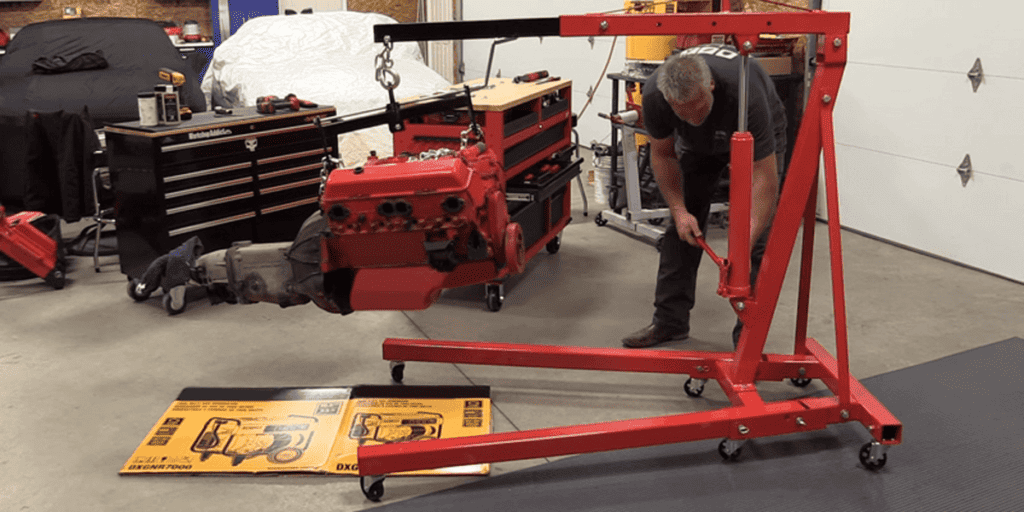
Replacing a head gasket typically costs between $1,950 and $2,500, depending on your vehicle’s make, engine complexity, and regional labor rates. Labor usually accounts for the largest expense, ranging from $1,041 to $1,527, while parts cost around $906 to $938. Complex engines or additional repairs, like damaged valves or pistons, can increase this estimate. Opting for DIY fixes might reduce costs but requires advanced skills. Keep this overview in mind, and you’ll uncover more key details ahead.
Head gasket replacement cost at a glance
The table below shows what each class of vehicle typically pays in the US in 2026, with parts and labour separated so you can see what the shop is charging for.
| Vehicle class | Parts (USD) | Labour (hours) | Total fitted (USD) |
|---|---|---|---|
| Compact or economy car | $150 to $250 | 8 to 10 | $1,200 to $2,000 |
| Mid-size sedan | $180 to $300 | 10 to 12 | $1,500 to $2,400 |
| SUV or light truck | $200 to $350 | 12 to 16 | $1,800 to $3,000 |
| Luxury, V6 or alloy block | $300 to $600 | 14 to 20 | $2,500 to $4,500 |
Labour is priced at roughly $100 to $150 an hour, which is the usual independent-shop range in the US. These are indicative ranges for planning, not a quote: the same job on two vehicles of the same size can differ by several hundred dollars once engine layout, rust and parts availability are taken into account. Get two quotes before committing.
Quick Tips
- Replacement costs typically range from $1,947 to $2,465, including parts and labor.
- Labor costs usually fall between $1,041 and $1,527; parts cost around $906 to $938.
- DIY repairs can reduce expenses to $200-$700 but require advanced skills and tools.
- Vehicle make, model, and engine type significantly influence the overall cost.
- Additional repairs, such as fixing damaged components, can increase total expenses.
What Is a Head Gasket and Why Is It Important?
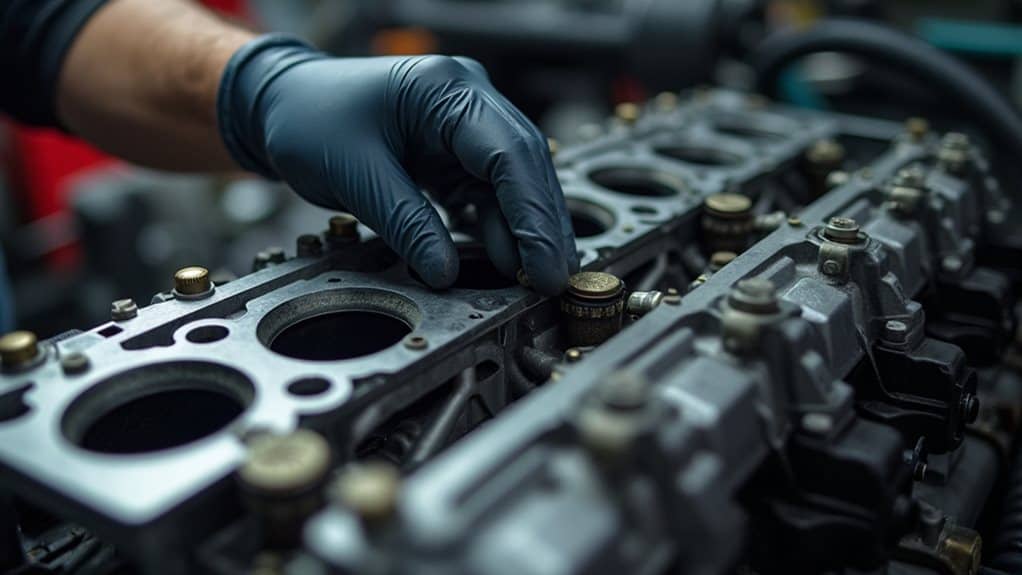
Have you ever wondered what keeps your engine running smoothly and efficiently? The head gasket seals the engine components between the engine block and cylinder head, preventing coolant and oil from mixing.
Damage to this gasket can cause symptoms like overheating, white smoke, and milky oil.
Repair or replacement involves significant cost due to the complexity of engine repair. Dune buggies often use different fiberglass bodies for varying terrains, with a sand rail designed specifically for loose, sandy conditions.
How Do I Recognize the Signs of a Blown Head Gasket?
You can identify a blown head gasket by observing specific signs, such as white smoke emitting from your exhaust, which indicates coolant entering the combustion chamber.
Additionally, if your engine oil appears milky or oily, it suggests coolant and oil are mixing due to gasket failure.
Ultimately, frequent coolant loss without visible leaks, combined with engine overheating or misfires, points to potential head gasket issues.
Regular inspection and maintenance, including checking for milky engine oil and coolant contamination, can help detect problems early and prevent further engine damage.
White Smoke Emission
White smoke emanating from the exhaust is one of the most recognizable signs of a blown head gasket. It indicates coolant leaking into the combustion chamber, causing steam.
This sign often accompanies engine overheating and excessive coolant consumption.
Recognizing white smoke helps assess potential damage, estimate repair costs, and identify head gasket failure early, reducing further engine damage and costs.
Coolant Oil Contamination
How can you tell if a blown head gasket is contaminating your engine oil? Look for coolant oil contamination, which appears as milky or oily engine oil, indicating coolant has entered the oil system due to head gasket failure.
Signs include coolant leaks, engine overheating, coolant loss, and exhaust gases entering the cooling system, all of which suggest a blown head gasket.
Engine Overheating Signs
Engine overheating is a primary indicator of a blown head gasket, often resulting from coolant leaks into the combustion chamber or cooling system.
Signs include rising engine temperature, coolant loss without visible leaks, white smoke from the exhaust, and coolant mixing with oil.
Recognizing these damage signs early can help reduce repair costs associated with head gasket failure.
What Causes Head Gasket Failure and How Does It Happen?
Prolonged exposure to high pressure and extreme heat within the engine creates an environment that can weaken the head gasket over time. This leads to head gasket failure, often caused by overheating and thermal stress.
Warping or developing weak spots causes seal failure, coolant leaks, and gasket deterioration, which can result in engine damage and further complications in the engine environment. Regular inspections and maintenance of related systems, including proper fluid management to avoid issues like microbial growth in stored coolant or fuel, can help prevent accelerated deterioration.
How Much Does It Cost to Replace a Head Gasket?
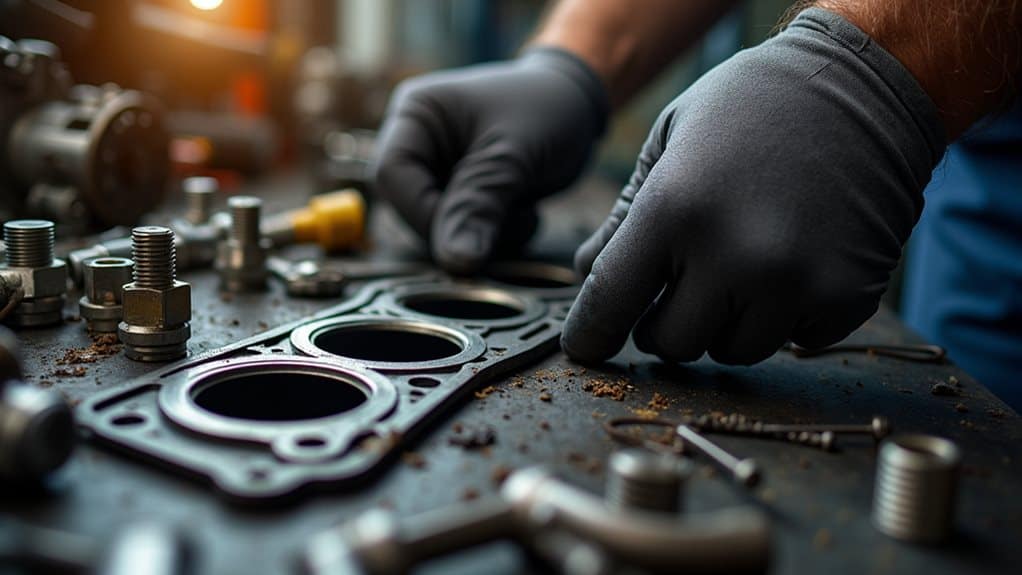
The cost to replace a head gasket typically ranges from approximately $1,947 to $2,465, which includes both parts and labor.
Labor costs usually make up the largest portion, often between $1,041 and $1,527, depending on your vehicle’s complexity and shop rates.
Parts generally cost around $906 to $938.
Keep in mind that additional repairs, like replacing damaged components such as lifters or push rods, can increase the total expense.
Whereas performing the repair yourself can reduce costs considerably, often falling between $200 and $700.
Regular maintenance of related systems, like ensuring proper airflow through the vehicle’s HVAC and cooling ducts, can help prevent some issues that contribute to engine overheating and gasket failure.
Repair Cost Estimates
Replacing a head gasket involves significant costs that can vary depending on several factors. The total repair estimate generally ranges from $1,947 to $2,465, including parts and labor.
Labor costs usually account for $1,041 to $1,527, while parts cost between $906 and $938.
The overall price depends on vehicle make, model, and potential engine damage.
Factors Influencing Price
Have you ever wondered what factors cause the cost of replacing a head gasket to vary so much? Labor rates, which depend on regional costs, influence replacement costs considerably.
The extent of engine damage and whether you choose OEM head gaskets or aftermarket options also impact prices.
Additionally, tools can cost extra, especially if repairs involve extensive engine damage.
DIY vs. Professional
Deciding whether to replace a head gasket yourself or hire a professional considerably affects the overall cost of repair.
DIY options usually range from $200 to $700 for parts, but require advanced tools and skills.
Professional repairs, including labor costs, can reach $1,900 to $6,000.
Your choice impacts not only cost but also the quality and potential risks of replacing the head gasket.
What Factors Affect the Cost of Head Gasket Replacement?
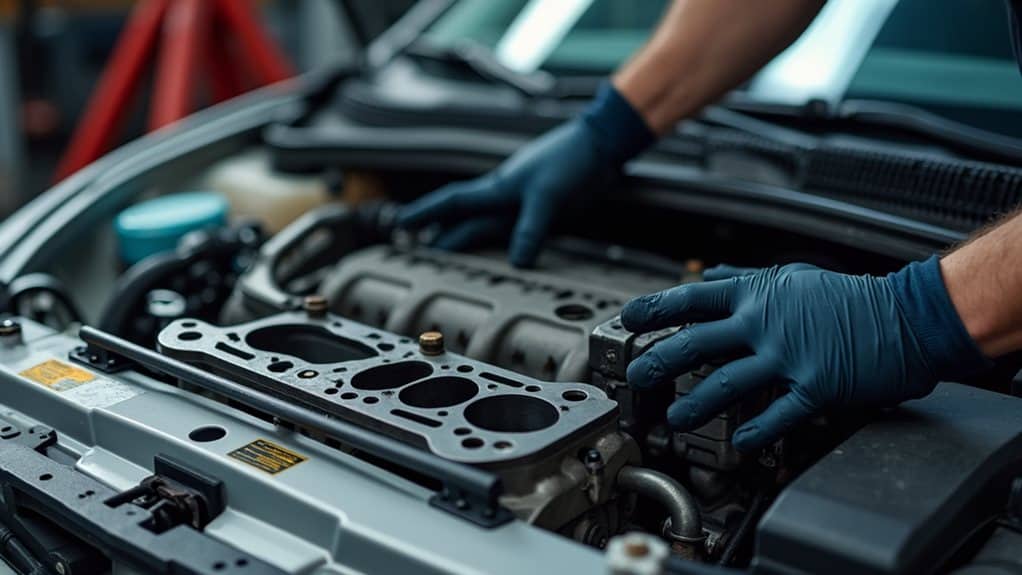
Several key factors influence the overall cost of head gasket replacement, making it important to understand what drives the expenses. These include vehicle size, as larger engines cost more to repair, and repair extent, which can increase costs if engine damage is severe.
Regional variation affects labor rates, and choosing OEM parts over aftermarket options also impacts the total. Early detection helps lower costs. LS3 cylinder heads, which flow up to 310 cfm at .500 lift, illustrate how head design and performance can affect repair complexity and cost.
Is Replacing a Head Gasket a Job I Can Do Myself?
Replacing a head gasket is generally not a task suitable for beginners or those lacking advanced mechanical skills.
A DIY repair requires proper tools like a torque wrench and a head gasket scraper, along with knowledge of disassembly procedures.
Mistakes can cause engine damage or gasket failure, making it essential to consult an experienced mechanic for accurate costs and a proper repair process.
Idling a vehicle with the engine running while attempting such repairs can increase risks like engine overheating and should be avoided.
When Should You Repair or Replace Your Head Gasket?
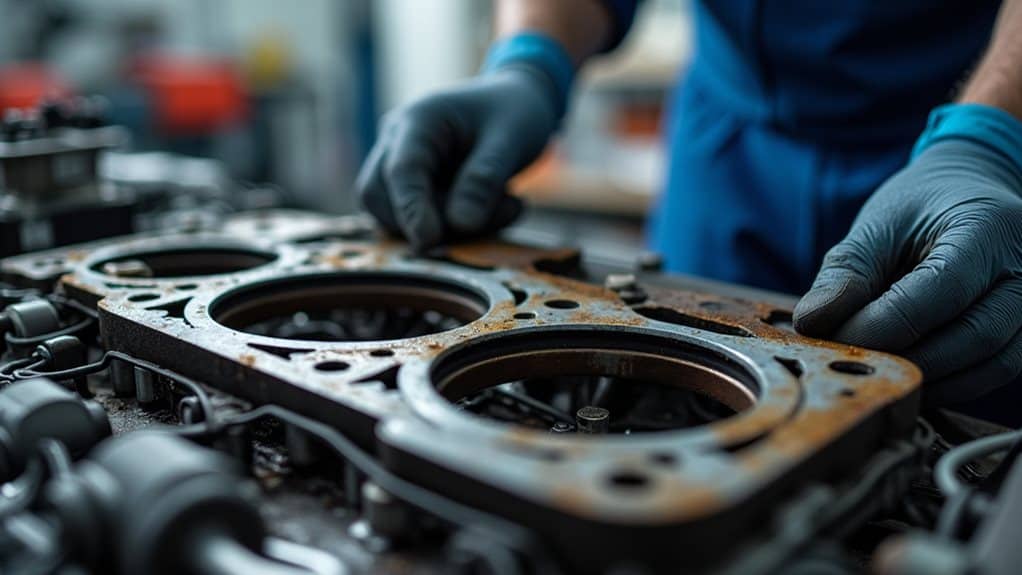
You should consider repairing or replacing your head gasket when your engine shows symptoms like overheating, white smoke, or coolant mixing with oil, especially if it has less than 100,000 miles.
If repair costs are low and damage limited, a head gasket repair is worthwhile.
However, extensive damage or high mileage may require replacement or more costly engine repairs.
Maintenance Tips to Prevent Head Gasket Failures
Maintaining your vehicle properly can considerably reduce the risk of head gasket failures, which are often caused by excessive engine heat and pressure.
Regularly check coolant levels to prevent overheating, and change engine oil and coolant as recommended.
Conduct routine inspections for coolant leaks and monitor engine temperature closely.
Address early signs of gasket wear promptly to avoid costly repairs.
Wrapping up
Replacing a head gasket can cost between $1,000 and $2,500, depending on your vehicle and location. The process involves removing the engine components, cleaning surfaces, and installing a new gasket to seal the cylinder head properly. Factors such as vehicle make, engine type, and labor rates influence the total expense. Regular maintenance and prompt repairs can prevent costly failures. If you’re unsure, consulting a professional guarantees accurate diagnosis and proper replacement, safeguarding your engine’s longevity.