Replacing a starter typically costs between $400 and $1,200, including parts and labor. The price varies based on your vehicle’s make, model, engine design, and whether you choose OEM or aftermarket parts. Accessibility impacts labor time and cost—more complex engine layouts take longer and are more expensive. Regional labor rates and vehicle type, like a compact car or luxury SUV, also influence total expenses. Continuing further will provide detailed understanding into how these factors affect your specific situation.
Starter replacement cost at a glance
The table below shows what each class of vehicle typically pays in the US in 2026, with parts and labour separated so you can see what the shop is charging for.
| Vehicle class | Parts (USD) | Labour (hours) | Total fitted (USD) |
|---|---|---|---|
| Compact or economy car | $150 to $250 | 1 to 1.5 | $300 to $500 |
| Mid-size sedan | $180 to $300 | 1.5 to 2 | $380 to $600 |
| SUV or light truck | $220 to $400 | 2 to 2.5 | $480 to $800 |
| Luxury or V8 | $350 to $600 | 2.5 to 3 | $650 to $1,100 |
Labour is priced at roughly $100 to $150 an hour, which is the usual independent-shop range in the US. These are indicative ranges for planning, not a quote: the same job on two vehicles of the same size can differ by several hundred dollars once engine layout, rust and parts availability are taken into account. Get two quotes before committing.
Quick Tips
- Replacement costs typically range from $400 to $1,200, including parts and labor.
- OEM starters cost between $150 and $400, while aftermarket options are generally cheaper.
- Labor time varies from 1 to over 6 hours depending on vehicle make and engine complexity.
- Accessibility and engine layout significantly influence both parts and labor costs.
- DIY replacement can reduce expenses but requires proper tools and mechanical skills.
What Are the Signs You Need a Starter Replacement?
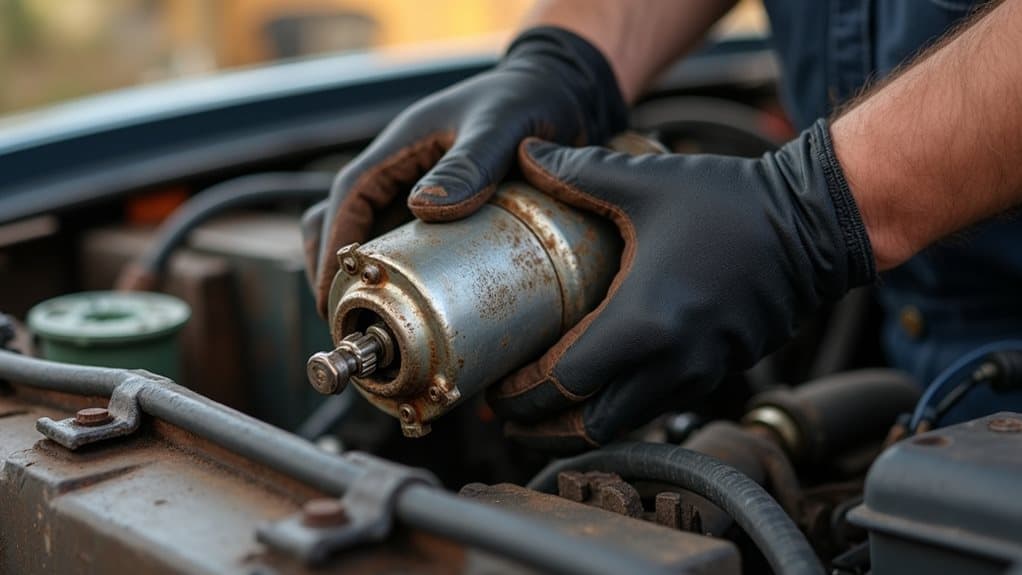
Have you noticed your engine struggles to start, or does it turn over more sluggishly than usual? These are common signs of starter failure.
If your car won’t start, listen for clicking or grinding noises, or detect a burning smell near the starter area.
A faulty starter often causes these issues, signaling the need for replacement before further damage occurs.
Regular maintenance of related components, such as ensuring proper electrical connections and inspecting nearby parts, can help prevent starter failures.
How Do You Diagnose Starter Problems?
Diagnosing starter problems involves a systematic approach to determine whether issues originate from the starter motor or electrical components.
If your engine has a slow crank or you hear clicking noises, it indicates potential starter issues.
Use a multimeter to check voltage at the solenoid.
If the starter runs continuously, it might be a stuck relay or faulty solenoid.
You can also inspect related components such as the turn signal relay and verify its operation to rule out electrical faults.
What Factors Affect the Cost of Replacing a Starter?
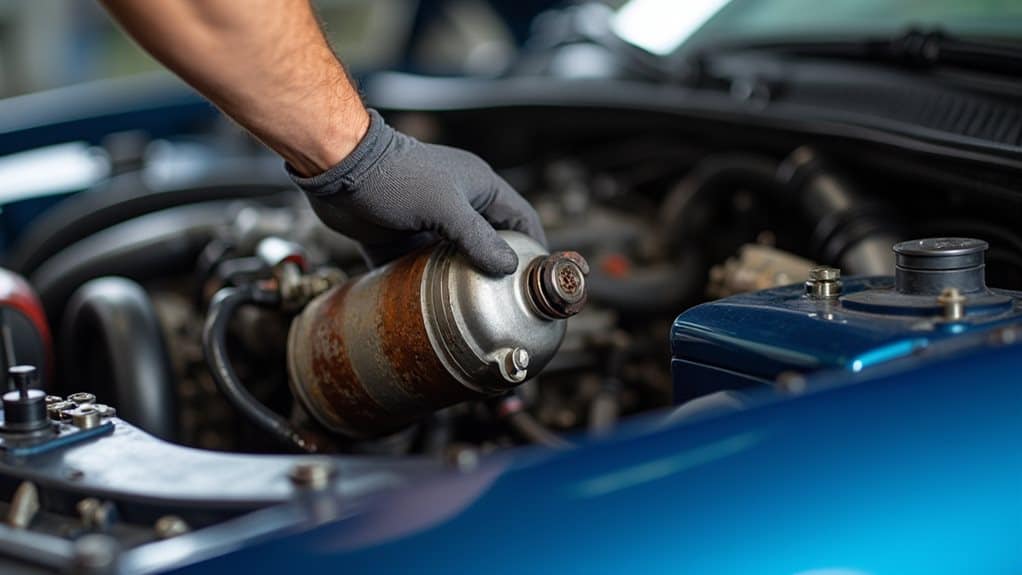
The cost to replace a starter depends on several key factors, including your vehicle’s make, model, and engine type, which determine the complexity and parts needed.
The accessibility of the starter within the engine compartment influences labor time, while the choice between OEM and aftermarket parts affects the overall expense.
Additionally, regional labor rates and the installation difficulty, especially in tight engine bays, can considerably alter the total cost.
Using proper aftercare and maintenance such as conditioning can help preserve related components and prevent premature wear.
Vehicle Make and Model
What factors related to the make and model of your vehicle influence the cost of replacing a starter? Your vehicle’s make determines replacement costs because luxury brands often require OEM parts, which are more expensive.
Model-specific engine bay designs affect labor costs, especially in tightly packed spaces like BMWs or trucks, impacting overall expenses.
Parts Quality and Type
The type and quality of the starter you choose considerably influence the overall replacement cost. Parts quality varies from OEM starters, which are precise fits with warranties, to remanufactured starters rebuilt to original specs, often cheaper.
Aftermarket options, gear-reduction starters for efficiency, and direct-drive starters each have different price points and durability impacts, affecting long-term value.
Labor Accessibility and Rates
When replacing a starter, the accessibility of the part plays a significant role in determining the overall cost. If the vehicle’s engine design allows easy access, labor hours decrease, reducing replacement costs.
Higher labor rates, varying regionally, increase expenses.
Difficult access, complex engine layouts, and mechanic charges for extended labor hours all influence the total cost of replacing the starter.
How Much Does a Starter Replacement Usually Cost?
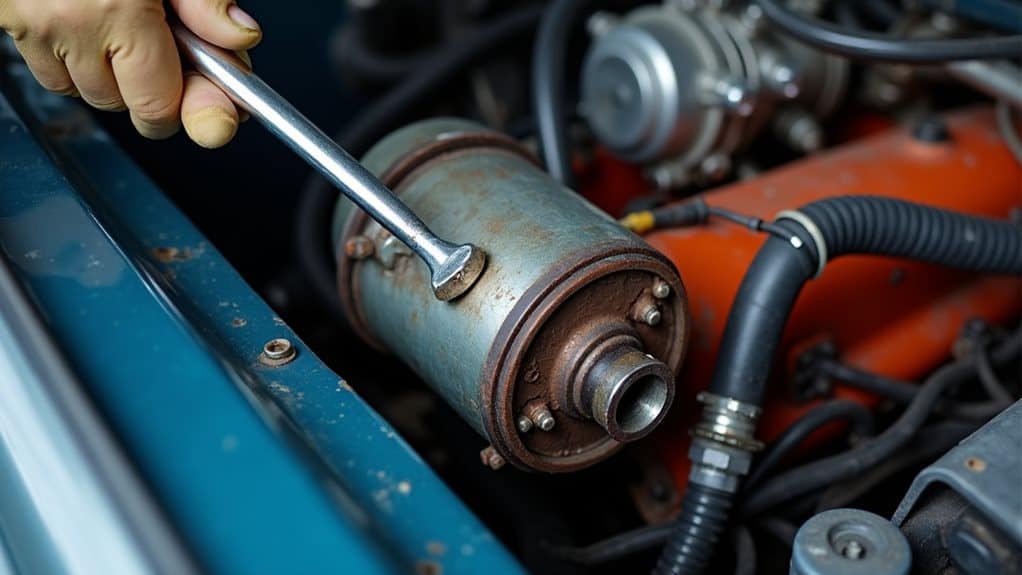
The typical cost to replace a starter ranges between $400 and $1,200, depending on your vehicle’s make, model, and location.
Parts prices vary from under $80 for aftermarket options to over $400 for original equipment manufacturer (OEM) parts.
Labor costs can add $150 to $300 per hour.
Considering whether to perform the replacement yourself or hire a professional can considerably impact the total expense and the complexity of the process.
Effective insulation like R-19 walls and proper ventilation can improve climate control in a workspace where vehicle repairs are performed.
Average Replacement Costs
Replacing a car starter typically costs between $350 and $1,100, but this range varies based on several factors.
The average cost includes parts and labor, with parts costing under $80 to over $400, especially for OEM parts.
Labor can be $150 to $300 per hour.
DIY replacement saves on labor but depends on parts availability and technical skill.
Factors Influencing Price
Several factors influence the overall cost of replacing a car starter, with vehicle make and model playing a significant role.
The starter replacement cost depends on whether you choose OEM or aftermarket parts, as OEM tends to be more expensive.
Accessibility of the starter affects repair costs, with hard-to-reach starters increasing labor costs, which are the primary expense in total replacement.
DIY vs. Professional
When considering replacing a car starter, you have the option to do it yourself or hire a professional mechanic. Each choice substantially impacts the overall cost.
DIY replacement saves on labor costs but requires mechanical skills and proper tools.
Professional replacement guarantees proper installation, especially for complex vehicles, but involves higher labor costs and potential warranty benefits.
Are OEM or Aftermarket Starters More Affordable?
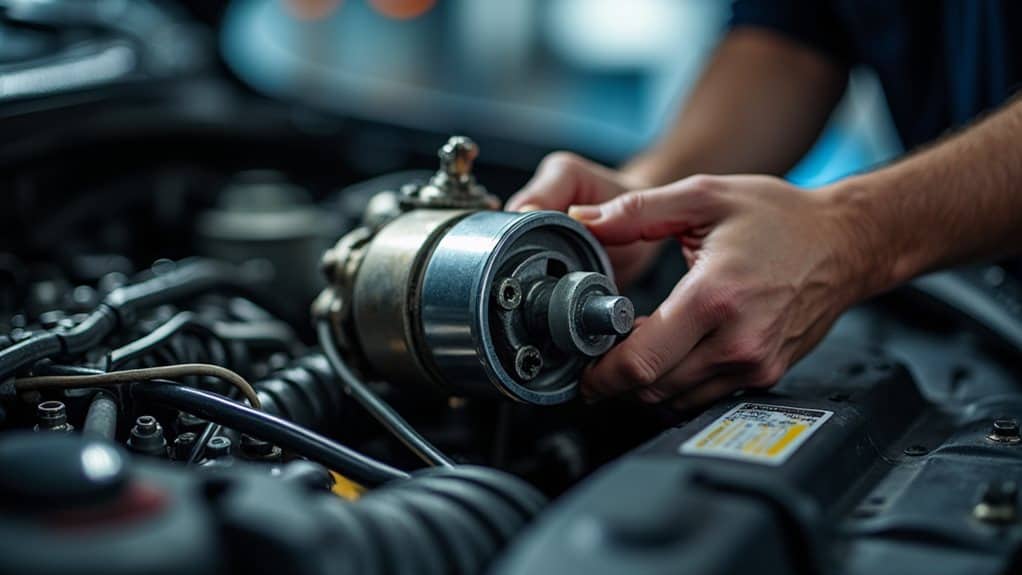
The cost difference between OEM and aftermarket starters primarily hinges on their origin, quality, and warranty coverage.
OEM starters, made by the original manufacturer, typically cost between $150 and $400, ensuring high quality and reliable fit.
In contrast, aftermarket starters are generally more affordable, often under $100 to $300, but may vary in quality and warranty, affecting long-term performance.
For vehicles in high-corrosion environments, consider using rust-prevention coatings like chassis saver to protect starter components and surrounding metal.
How Long Does a Starter Replacement Take?
The duration of a starter replacement varies considerably depending on several factors, including the vehicle’s make, model, and engine design.
Typically, replacement time ranges from 1 to 2 hours for accessible units.
Complex engine layouts or older vehicles may extend labor hours beyond 6 hours.
A skilled mechanic can often complete the job more efficiently, reducing overall replacement time.
When jump-starting is involved, take precautions to avoid damaging sensitive electronics by following safe jump-starting practices and correct connection order.
Should You Repair Your Starter or Replace It Completely?
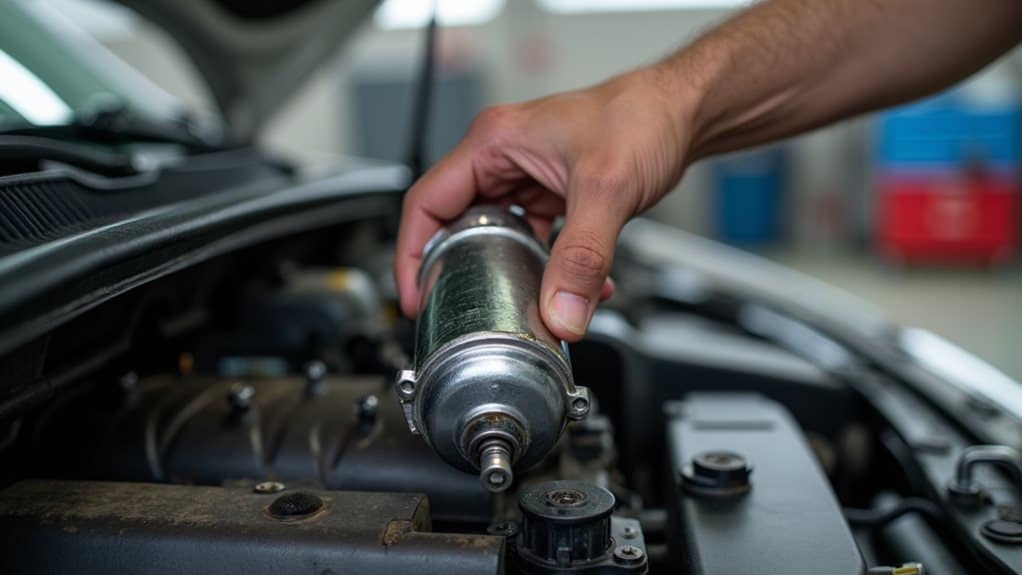
Deciding whether to repair or replace your vehicle’s starter depends on factors like the severity of starter motor issues, the age of the vehicle, and your budget.
Repairing the starter can address minor wear and tear, offering a quicker, cheaper fix.
However, replacing it guarantees reliability and reduces future failures, especially if the starter shows significant wear or damage.
Can You Save Money by Replacing the Starter Yourself?
Replacing a starter motor on your own can save you a significant amount of money, especially since labor costs for professional repairs often range from $150 to $300 per hour.
If you’re comfortable with a DIY repair and have the right tools, you can reduce the starter cost.
However, proper safety and installation are essential to avoid costly mistakes during starter replacement.
How Do Regional Prices and Vehicle Types Impact Replacement Costs?
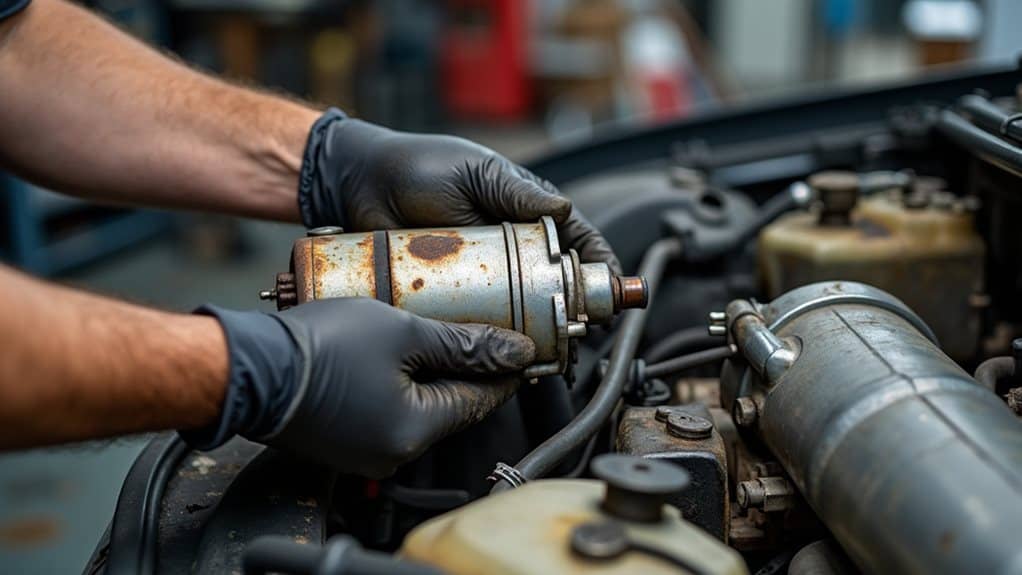
Regional differences in labor rates and vehicle design considerably influence the overall cost of replacing a starter motor. Regional variation affects labor costs, leading to replacement expenses between $350 and over $1,100.
Vehicle type and complexity, such as engine layout and accessibility, determine labor time. Compact cars usually have lower costs, while luxury SUVs tend to be more expensive due to vehicle complexity.
Wrapping up
Replacing a starter typically costs between $300 and $700, depending on your vehicle’s make, model, and labor rates in your area. OEM parts tend to be more expensive than aftermarket options but may offer better durability. The replacement process usually takes about an hour or two. If you’re comfortable with basic mechanical tasks, you might save money doing it yourself; otherwise, professional service is recommended for proper installation and testing.