
Lowering springs do not automatically void your warranty if installed properly with high-quality, manufacturer-approved parts. However, if improper installation causes damage to suspension components or if incompatible springs are used, the warranty could be denied. Many manufacturers and dealerships scrutinize aftermarket modifications, especially if issues arise later. To protect your warranty, keep detailed records and consult your dealer beforehand. Continuing to investigate will provide key strategies to guarantee your modifications don’t jeopardize coverage.
Quick Tips
- Properly installed, manufacturer-approved lowering springs typically do not void warranty coverage.
- Damage caused directly by lowering springs or improper installation can void warranty claims.
- Many manufacturers, like Steeda, state their springs won’t void warranty if installed correctly.
- Installing springs during warranty may increase scrutiny and potential disputes from dealerships.
- Keeping detailed records and consulting the dealer beforehand can help protect warranty rights.
Do Lowering Springs Void Your Car’s Warranty?
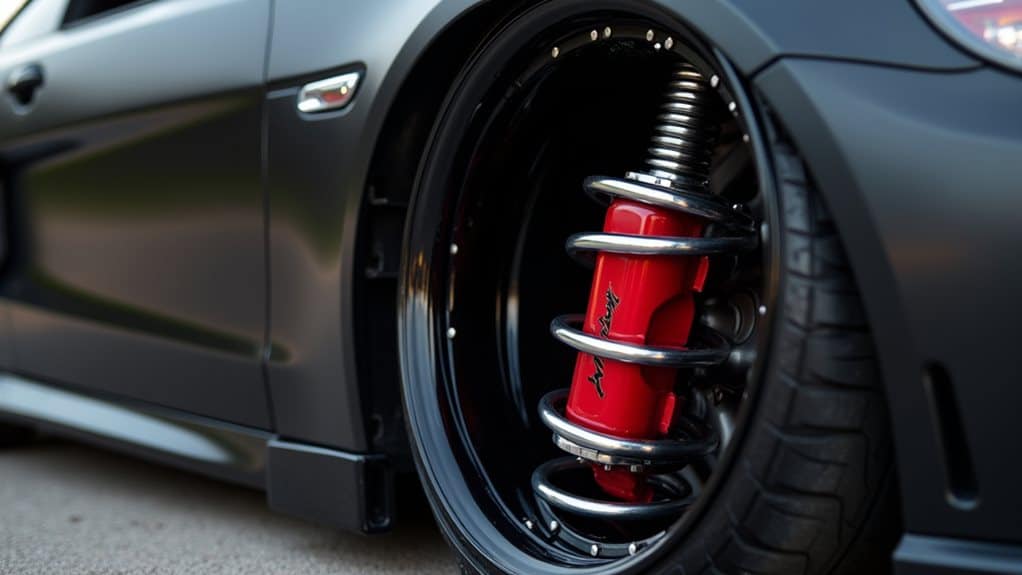
Many car owners worry that installing lowering springs might automatically void their warranty, but this isn’t always true. Manufacturers typically only deny warranty coverage if lowering springs cause specific component failures.
Proper installation and using quality, manufacturer-approved lowering springs help protect your warranty.
Ultimately, whether your warranty remains intact depends on the dealer’s discretion and if issues are directly linked to the springs.
Federal law protects consumers from blanket denials of warranty coverage for modifications that did not cause the failure, a principle known as the Magnuson-Moss rule.
What Conditions Can Void Your Warranty When Installing Suspension Mods?
Your warranty can be voided if installing lowering springs causes damage to suspension components or related parts, especially if the damage is directly linked to the modification.
Dealerships have the discretion to deny coverage if they determine the modification, such as improperly installed springs, led to issues like misalignment or suspension failure.
The quality of the installation also matters; poor or incompatible suspension work can result in damage that may void your warranty, even if the manufacturer’s policy is generally lenient.
Always follow safe handling and storage practices for chemicals used in related maintenance, such as keeping flammable liquids in appropriate metal containers and away from ignition sources.
Cause of Damage
Installing lowering springs can lead to warranty issues if they cause damage to suspension components or other related parts.
Damage resulting from improper installation, incompatible springs, or altered suspension geometry can void your warranty.
If the manufacturer can link the damage directly to the aftermarket springs, your warranty may be denied, especially for suspension-related failures.
Dealer Discretion
Dealer discretion plays a significant role in whether your warranty remains valid after installing suspension modifications like lowering springs. Warranty policies often give dealers authority to deny claims if they believe modifications contributed to issues, even without direct evidence.
Some manufacturers specify that suspension changes may void warranties if related problems, such as alignment issues, arise from the modifications.
Modification Quality
The quality of the lowering springs installed on your vehicle can considerably influence whether your warranty remains valid.
High-quality modification parts, properly installed, generally don’t void your warranty unless they cause damage or safety issues.
If poor modification quality leads to suspension problems or safety concerns, the warranty could be denied.
Proper installation and quality parts are essential to maintain coverage.
What Do Manufacturers and Dealerships Say About Warranty and Lowering Springs?
Many manufacturers and dealerships don’t automatically void your vehicle’s warranty simply because you have installed lowering springs, provided that the modification doesn’t cause issues or damage.
They may scrutinize warranty claims more closely if problems arise, especially with suspension components.
Some manufacturers, like Steeda, explicitly state their lowering springs won’t void the warranty when installed properly.
Research shows that some warranties specify fuel type and other standards, so manufacturers may specify fuel or documentation on component usage when evaluating related claims.
How Can You Protect Your Warranty When Installing Lowering Springs?
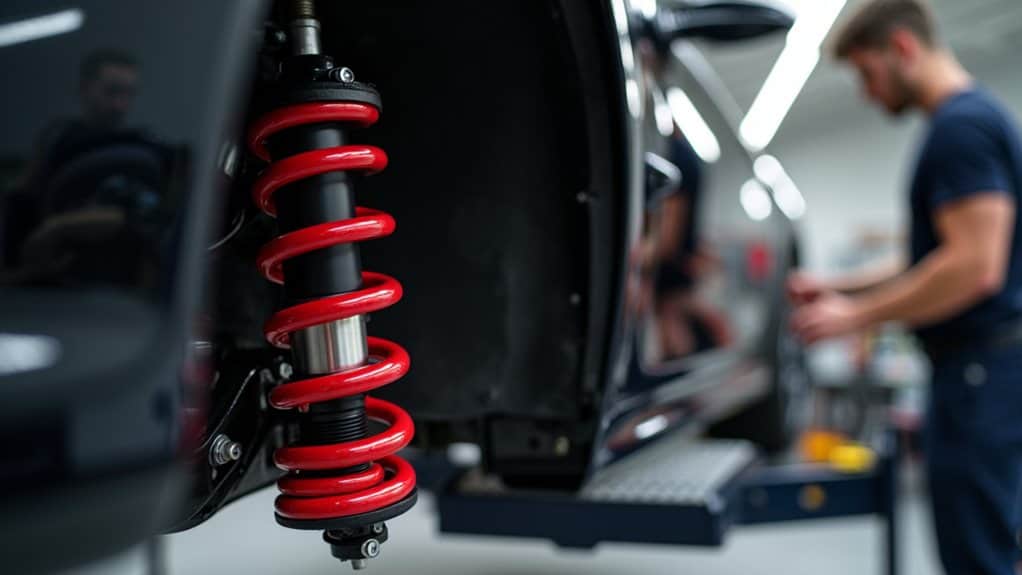
Installing lowering springs can be a beneficial modification for improving your vehicle’s appearance and handling.
However, it’s important to take steps to safeguard your warranty during the process. To guarantee warranty protection, keep detailed records of the installation, choose OEM-quality or approved aftermarket springs, and avoid extreme modifications beyond manufacturer recommendations.
Always consult your dealership beforehand. Regular maintenance like monitor oil consumption and using quality parts helps demonstrate responsible vehicle care.
Should You Wait for Your Warranty to Expire Before Installing Springs?
Deciding whether to wait until your warranty expires before installing lowering springs involves understanding potential coverage risks, as some dealers may scrutinize modifications during warranty claims.
Installing springs during the warranty period could lead to disputes if the dealer attributes issues to the modifications, even if unrelated.
Waiting may reduce this risk.
The timing also depends on your dealer’s attitude toward aftermarket parts and how likely you’re to need warranty service in the near future.
Worn suspension components like worn shocks can be cited as evidence that modifications contributed to a problem.
Warranty Coverage Risks
Have you ever wondered whether installing lowering springs might affect your vehicle’s warranty? Generally, aftermarket parts like lowering springs don’t void the warranty unless they cause damage or failure related to the suspension system.
However, some dealerships may refuse warranty coverage if aftermarket modifications are linked to issues. So documentation and reputable brands are essential to minimize risks.
Dealer Inspection Tendencies
Because dealerships have the authority to inspect vehicles during warranty claims, they often scrutinize any aftermarket modifications, including lowering springs.
Dealer inspections can be thorough, and some may blame suspension changes for unrelated issues, risking warranty coverage denial.
Waiting until your warranty expires reduces the chances of dispute, as dealer discretion varies and interpretation of modifications differs.
Timing Benefits and Drawbacks
Installing lowering springs during the warranty period can carry significant risks, particularly related to warranty coverage. The installation timing matters because if issues arise, the dealer might dispute whether the springs caused the problem.
Waiting until your warranty expires reduces this risk, ensuring coverage for unrelated repairs. However, delaying means missing out on early performance and aesthetic improvements.
What Are the Best Practices to Avoid Warranty Issues With Suspension Mods?
To avoid warranty issues when modifying your suspension with lowering springs, it’s essential to follow best practices that protect your vehicle’s coverage.
Always choose high-quality springs compatible with your vehicle, such as those from reputable manufacturers.
Have the suspension installed professionally, ensuring proper documentation.
Review your warranty policy and discuss modifications beforehand with your dealer to prevent disputes.
Consider using high-quality alternatives that offer comparable protection and documented performance.
Wrapping up
Installing lowering springs can impact your vehicle’s warranty, but it depends on the manufacturer’s policies and how the installation is performed. To avoid voiding your warranty, guarantee the suspension modifications are installed professionally, use quality parts, and communicate with your dealership beforehand. Reviewing your warranty terms and keeping detailed records helps protect your coverage. Waiting until your warranty expires before installing such parts is an option, but understanding your manufacturer’s stance is essential for making an informed decision.


