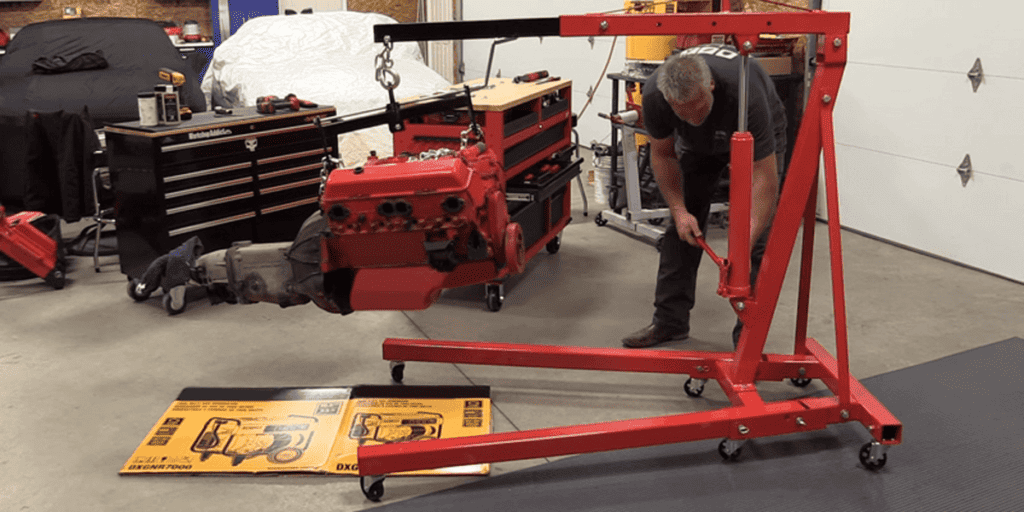
Replacing an alternator generally costs between $350 and $900, depending on your vehicle’s make and model, the quality of the part chosen, and labor costs. Dealerships tend to charge more, often over $500, while independent shops or DIY can bring expenses down. Rebuilt or remanufactured units offer cost savings and come with warranties. Understanding these factors helps you budget appropriately—keep going to explore more details about lowering costs and choosing the right option.
Alternator replacement cost at a glance
The table below shows what each class of vehicle typically pays in the US in 2026, with parts and labour separated so you can see what the shop is charging for.
| Vehicle class | Parts (USD) | Labour (hours) | Total fitted (USD) |
|---|---|---|---|
| Compact or economy car | $180 to $300 | 1 to 1.5 | $350 to $550 |
| Mid-size sedan | $200 to $350 | 1.5 to 2 | $400 to $650 |
| SUV or light truck | $250 to $450 | 2 to 2.5 | $500 to $800 |
| Luxury or high-output | $400 to $700 | 2.5 to 3.5 | $700 to $1,200 |
Labour is priced at roughly $100 to $150 an hour, which is the usual independent-shop range in the US. These are indicative ranges for planning, not a quote: the same job on two vehicles of the same size can differ by several hundred dollars once engine layout, rust and parts availability are taken into account. Get two quotes before committing.
Quick Tips
- Replacement costs typically range from $350 to $900 for a new alternator, including parts and labor.
- DIY replacement can cost around $150 for parts, saving on professional installation fees.
- Dealerships often charge between $500 and $1,000 for parts and labor, depending on vehicle make.
- Using remanufactured or rebuilt alternators reduces costs but may vary in reliability.
- Additional expenses may arise from accessibility issues or extra repairs needed during installation.
What Does an Alternator Do and How Does It Work?
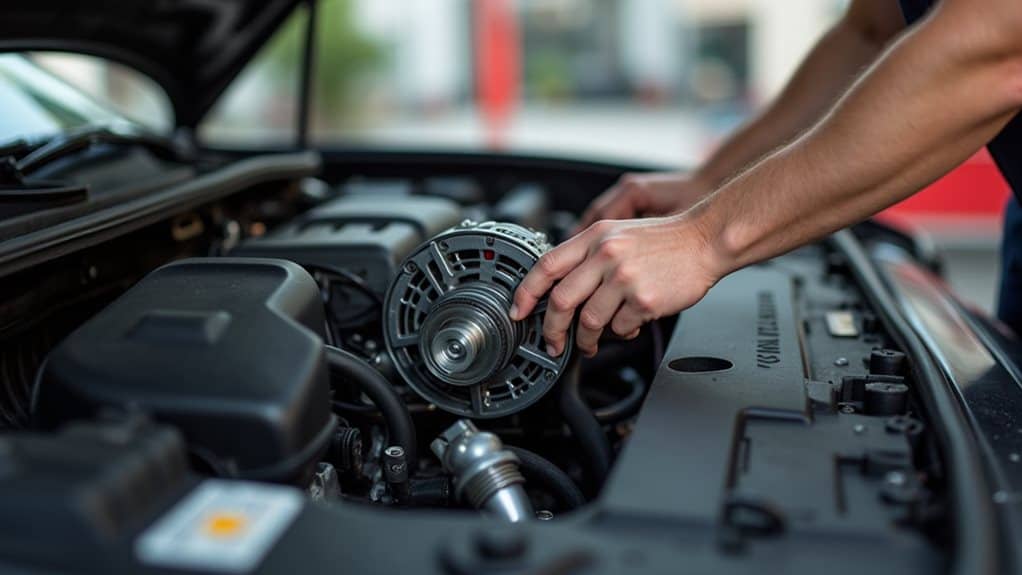
Have you ever wondered what an alternator does in your vehicle? It converts mechanical energy from the engine into electrical energy, powering the vehicle’s electrical components and charging the battery.
The main parts—stator, rotor, and voltage regulator—work together to produce about 13.8 to 14.6 volts.
Replacing it involves costs related to its electrical components and labor.
For long-term reliability, consider regular inspections and treating corrosion promptly with rust-prevention to protect electrical connections and mounting surfaces.
How Long Does an Alternator Last and When Should You Replace It?
An alternator generally lasts between 7 to 10 years or approximately 100,000 to 150,000 miles.
But its lifespan depends on driving conditions, maintenance, and component quality.
If you notice signs like dim headlights or difficulty starting, it might be time to replace an alternator.
Regular inspections can help identify issues early, preventing sudden failure and costly repairs.
Proper maintenance, including timely oil changes to avoid issues like the VTEC solenoid becoming clogged, can help extend component life.
How Can You Tell If Your Alternator Is Failing?
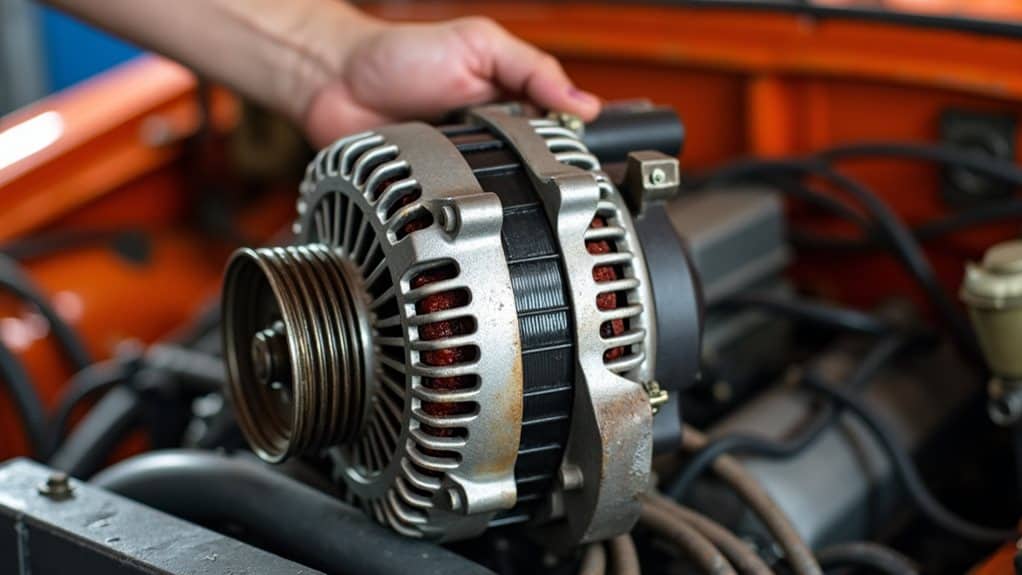
Identifying a failing alternator involves paying close attention to warning signs like dimming headlights and dashboard lights, which suggest insufficient charging. The dashboard battery warning light often appears, signaling potential issues.
Unusual noises such as grinding or squealing may also occur, indicating alternator problems.
Using a multimeter to check voltage below 13.5 volts confirms the need for alternator repair. World Class and Non-World Class T-5 transmissions differ internally, so always verify World Class vs Non-World Class when identifying a T-5.
Should You Repair Your Alternator or Replace It?
Deciding whether to repair or replace your alternator depends on its age, the extent of damage, and your long-term needs.
Repairing can be less expensive initially but mightn’t last as long or restore full electrical system performance, especially if the damage is significant.
On the other hand, replacing with a new unit offers greater durability and warranty coverage, making it a more reliable choice for older or severely damaged vehicles.
Mystery vibrations on the highway can indicate failing alternator components like bearings or mounts, so pay attention to highway vibrations as a warning sign.
Longevity and Reliability
Choosing between repairing or replacing an alternator depends largely on its condition and expected lifespan.
A new, high-quality alternator typically offers greater reliability and a longer lifespan, lasting 7 to 10 years or more.
Repaired or remanufactured units may be cheaper but often lack the same reliability and longevity, especially if underlying issues remain unaddressed.
Repair Costs and Benefits
Repairing an alternator can be a cost-effective solution if the damage is minor or limited to specific components. Typically, this costs between $100 and $300.
However, the repair’s durability depends on the extent of damage.
Replacing the alternator with a new, fully functional unit generally costs between $350 and $900.
This option offers greater reliability and warranty coverage, making it a longer-term investment.
How Much Does Alternator Replacement Cost?
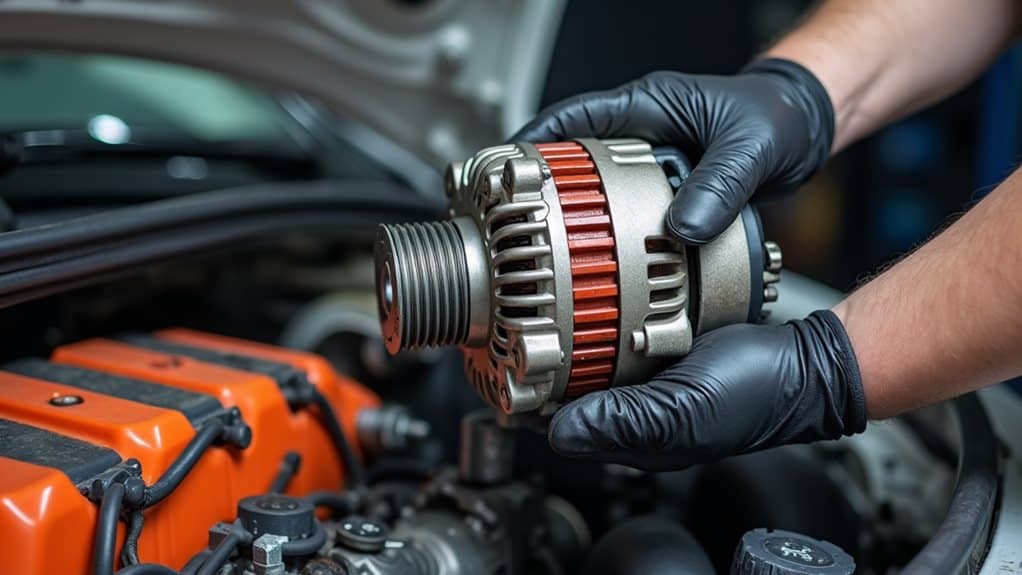
The cost of replacing an alternator varies based on several factors, including the make and model of your vehicle, which influence part prices and labor complexity.
Doing the replacement yourself can reduce expenses considerably, mainly by saving on labor costs, but it requires technical skill and proper tools.
Understanding these factors will help you estimate the total expense more accurately and decide whether professional service is necessary.
Dealerships typically charge more for alternator replacement than independent shops, often in the $500-$1,000 range for dealer service.
Factors Influencing Costs
Several factors can influence the overall cost of replacing an alternator, making it essential to take into account your vehicle’s specifics.
Labor costs vary based on the alternator’s accessibility, which depends on the make, model, and engine layout.
Replacement costs are affected by the type and quality of the part, as well as any additional work needed, like removing other components or dealing with rust.
DIY Vs. Professional Replacement
Deciding whether to replace an alternator yourself or hire a professional involves considering several factors, including cost, skill level, and potential risks.
DIY replacements cost about $150 in parts and can be done in around an hour, saving labor.
Professional installation ranges from $200 to $800, with experts ensuring proper installation and warranty coverage.
What Factors Influence the Cost of Replacing an Alternator?
Various factors influence the overall cost of replacing an alternator, and understanding these can help you anticipate expenses more accurately.
The parts and labor costs for replacing an alternator vary based on your vehicle’s make and model, the type of replacement part, and how easily accessible the alternator is within the engine.
Additional work or complex access increases the overall cost.
Contaminants like moisture in fluid can affect related systems and potentially increase repair complexity and cost.
Can You Replace an Alternator Yourself to Save Money?
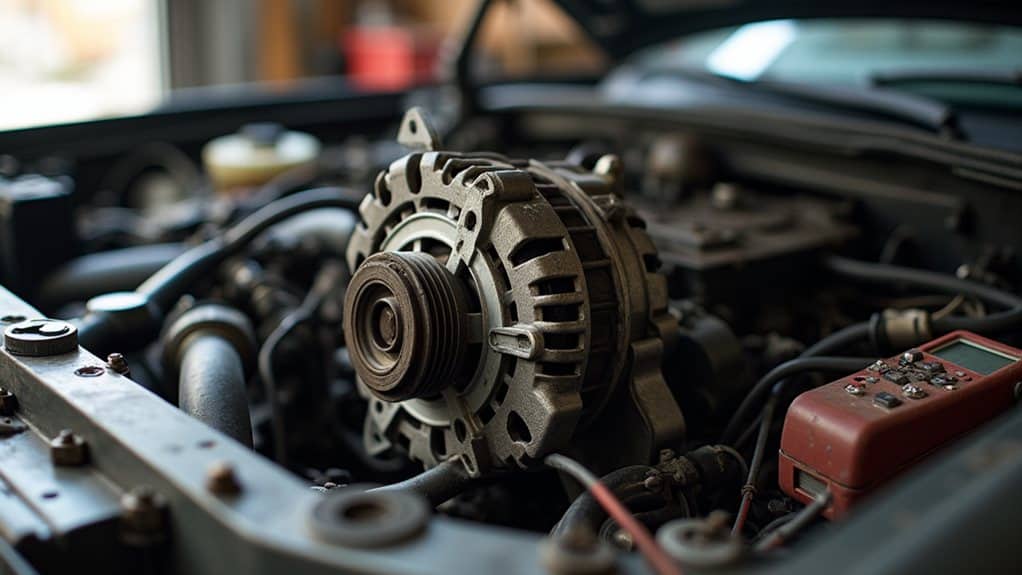
Replacing an alternator yourself can be a cost-effective way to save money, especially since labor charges often make up most of the total cost.
With basic mechanical skills and tools, you can typically replace the alternator in 1-2 hours.
Purchasing a new or remanufactured unit costs $150-$300, and returning the old alternator for rebates can cut expenses further.
Are There Ways to Reduce the Cost of Alternator Replacement?
There are several practical ways to reduce the overall cost of replacing an alternator, making the process more affordable for vehicle owners. You can save on the Cost To Replace by choosing a rebuilt or remanufactured alternator, which are often less expensive but still come with warranties.
Performing a DIY installation and using discounts or trade-ins also help lower expenses.
What Are the Benefits of Choosing a Rebuilt or Remanufactured Alternator?
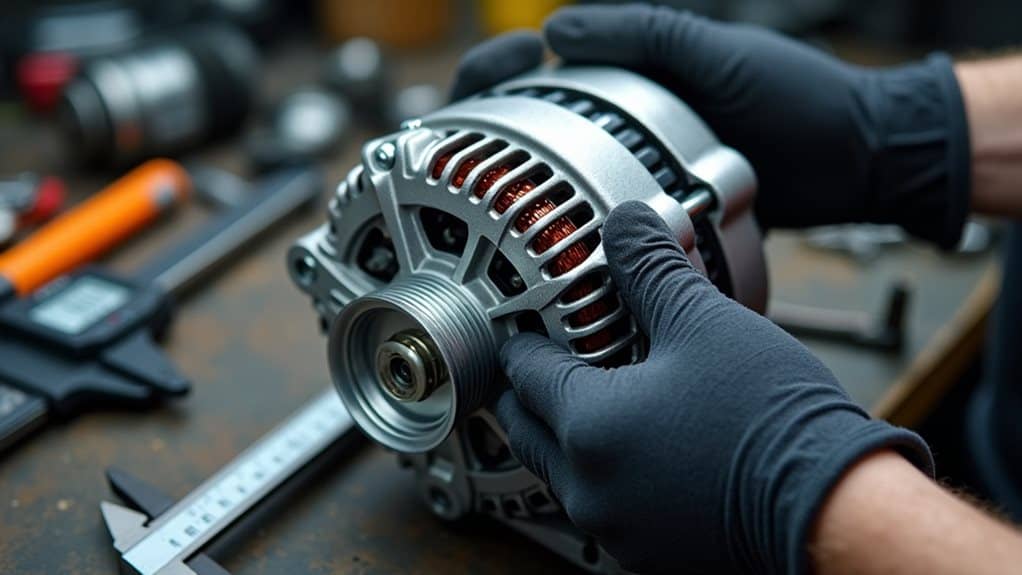
Choosing a rebuilt or remanufactured alternator offers several key advantages that can make your vehicle repair more cost-effective without sacrificing quality.
Remanufactured units typically cost 30-50% less than new parts, and they’re inspected, tested, and refurbished with high-quality components.
Many come with warranties, and recycling parts reduces environmental impact, ensuring reliable performance at a lower cost.
Wrapping up
Replacing your alternator involves understanding its function, lifespan, and signs of failure. Costs vary based on vehicle make and whether you choose new, rebuilt, or remanufactured parts. Doing it yourself can save money but requires mechanical skills. Consider factors like labor rates and part quality when budgeting. Ultimately, timely replacement prevents electrical system issues, ensuring your vehicle’s reliability. Proper knowledge helps you make informed decisions, maintaining your car’s performance efficiently and cost-effectively.