Replacing a windshield typically costs between $250 and $600, depending on your vehicle’s make, model, and year. Vehicles with advanced safety systems like ADAS require recalibration, adding $150 to $600 to the overall price. OEM glass usually costs more than aftermarket options, and regional demand influences prices. Insurance may cover part of the expense, especially if you have full coverage, but deductibles still apply. To learn more, consider the factors affecting prices and cost-saving strategies.
Windshield replacement cost at a glance
The table below shows what each class of vehicle typically pays in the US in 2026, with parts and labour separated so you can see what the shop is charging for.
| Vehicle class | Parts (USD) | Labour (hours) | Total fitted (USD) |
|---|---|---|---|
| Compact or economy car | $150 to $300 | 1 to 1.5 | $250 to $450 |
| Mid-size sedan | $180 to $380 | 1 to 1.5 | $280 to $520 |
| SUV or light truck | $250 to $500 | 1.5 to 2 | $350 to $650 |
| Luxury, HUD or ADAS glass | $400 to $900 | 2 to 3 | $700 to $1,200 |
Labour is priced at roughly $100 to $150 an hour, which is the usual independent-shop range in the US. These are indicative ranges for planning, not a quote: the same job on two vehicles of the same size can differ by several hundred dollars once engine layout, rust and parts availability are taken into account. Get two quotes before committing.
Quick Tips
- Replacement costs typically range from $250 to $600, depending on vehicle make, model, and glass type.
- Additional expenses like ADAS recalibration can add $150 to $600 to the total cost.
- Using OEM parts and authorized repair shops usually increases costs but ensures safety and quality.
- Insurance coverage and deductibles significantly influence out-of-pocket expenses for windshield replacement.
- High-tech or luxury vehicles often incur higher replacement and calibration costs.
What Factors Affect the Cost of Replacing a Windshield?
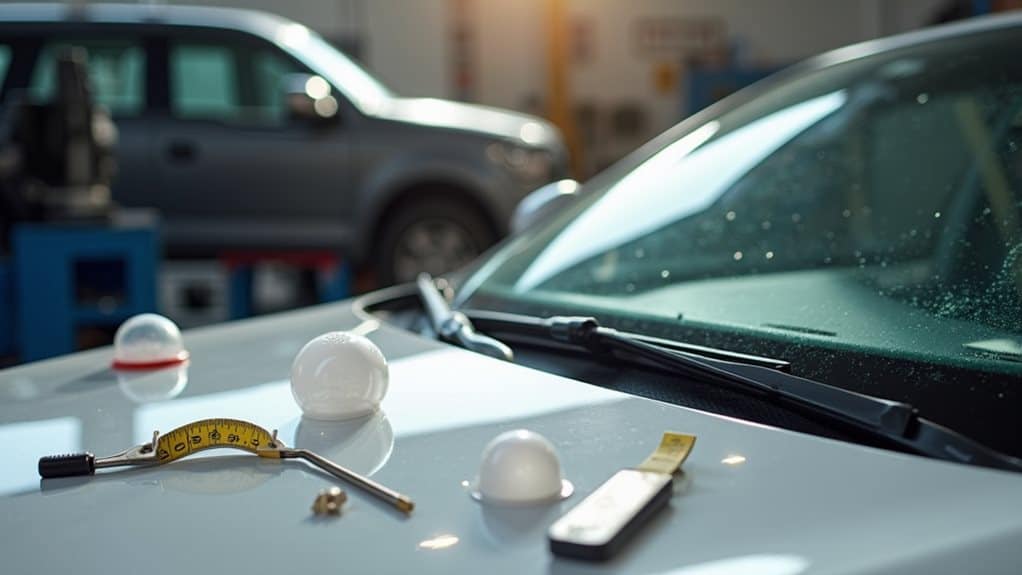
The cost of replacing a windshield can vary widely depending on several key factors related to your vehicle and the specific features of the glass. Your vehicle’s make and model influence the price due to glass size and complexity.
Additional safety features like ADAS require recalibration, increasing costs.
Choice between OEM and aftermarket, glass type, and installation complexity also impact the overall price.
Using OEM parts and professional calibration can affect availability and pricing due to regional demand.
How Much Does a Typical Windshield Replacement Cost?
Understanding the typical cost to replace a windshield can help you plan financially when facing such an expense.
Replacement costs usually range from $250 to $600 at an auto glass shop, depending on your vehicle’s make, model, and whether OEM glass is used.
Costs increase with ADAS recalibration and high-end vehicles.
Insurance deductibles often influence your out-of-pocket expense.
Regular maintenance, such as checking vents and filters, can help prevent interior damage that might accompany windshield issues.
Do Safety Features Like ADAS Cost Extra?
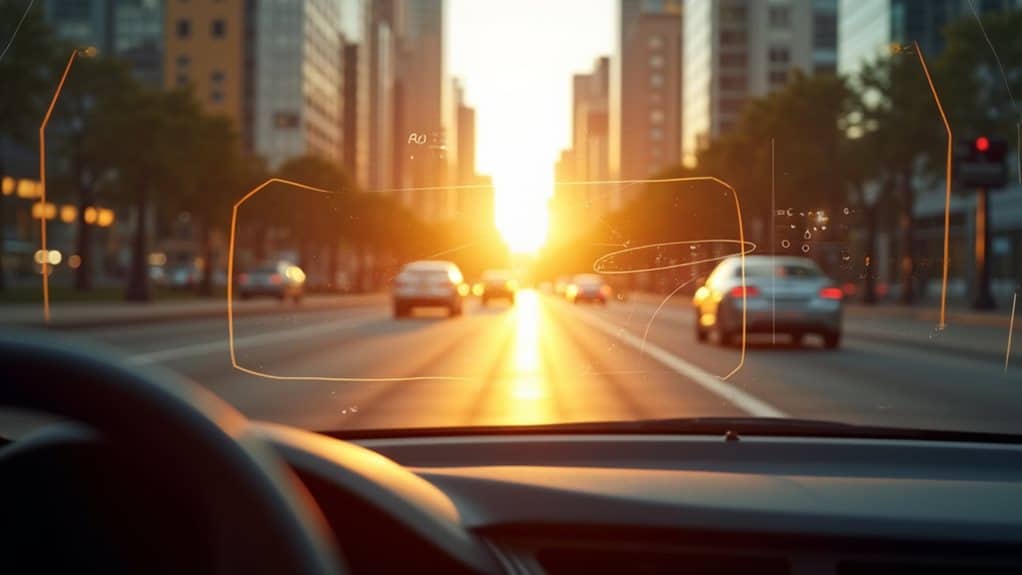
When replacing a windshield that contains advanced safety features like ADAS, additional costs are involved to verify these systems work correctly afterward.
Recalibration of sensors embedded in the windshield is necessary, often costing between $150 and $600, averaging around $360.
Skipping recalibration can impair safety features, compromising the vehicle’s advanced driver assistance system and overall safety.
Knowing whether your Audi A4 needs premium gas could save you from costly engine damage, but the answer depends on something critical
How Do Vehicle Make, Model, and Year Change the Price?
Vehicle make, model, and year substantially influence windshield replacement costs because they determine availability, design complexity, and compatibility of OEM windshields.
Newer vehicles with advanced driver assistance systems (ADAS) or head-up displays (HUD) often require higher replacement costs due to technology integration and mandatory recalibration.
Luxury vehicles and rare models tend to have increased prices, especially with advanced features.
Maintenance needs for components like timing systems — for example, whether a vehicle uses a timing belt or timing chain — can reflect broader differences in vehicle design and may correlate with parts availability and service complexity.
What Common Situations Raise Windshield Replacement Costs?
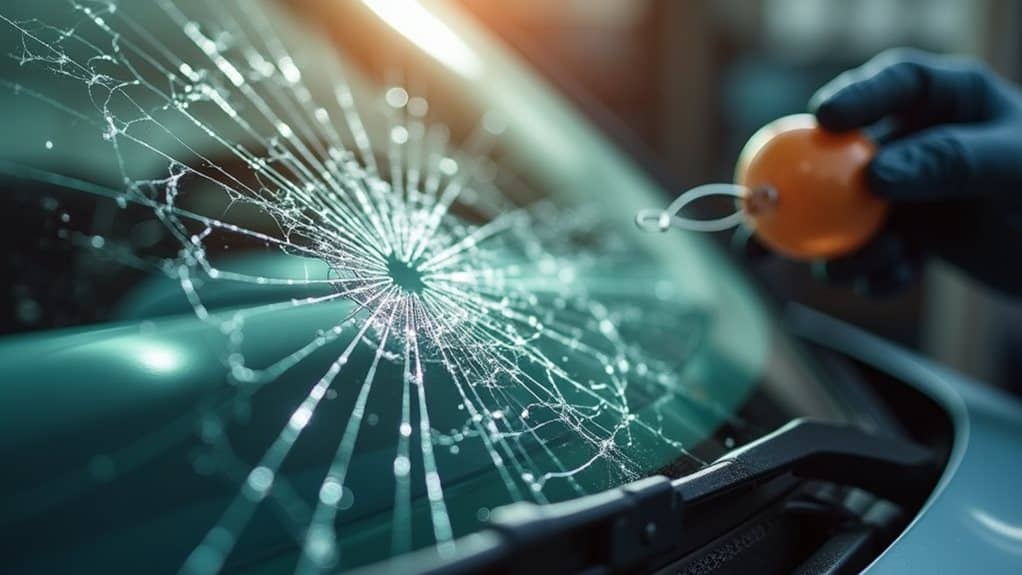
Certain situations can substantially increase windshield replacement costs, mainly due to the complexity and technology involved. Damage near edges or sensor areas often requires full replacement, especially in vehicles with advanced safety features like ADAS or high-tech systems.
Using OEM glass and performing proper ADAS calibration also raises expenses, particularly in luxury vehicles or unique, panoramic windshields.
Additionally, older vehicles with deteriorating wiring assemblies or corroded components may need extra electrical inspection and repairs before calibration can be completed.
How Much Do Recalibrating Safety and Driver Assistance Features Cost?
Recalibrating safety and driver assistance features after a windshield replacement typically costs between $200 and $600, depending on the vehicle’s make, model, and system complexity.
ADAS recalibration involves static calibration, which can take hours, or active calibration, requiring on-road testing.
Proper sensor alignment guarantees safety features like lane-keeping and collision warnings function correctly, justifying the recalibration cost.
One critical mistake during brake line double flaring causes catastrophic failure—always learn the proper double flaring technique before attempting this essential repair.
Does Insurance Cover Windshield Repairs, and How Can You Pay?
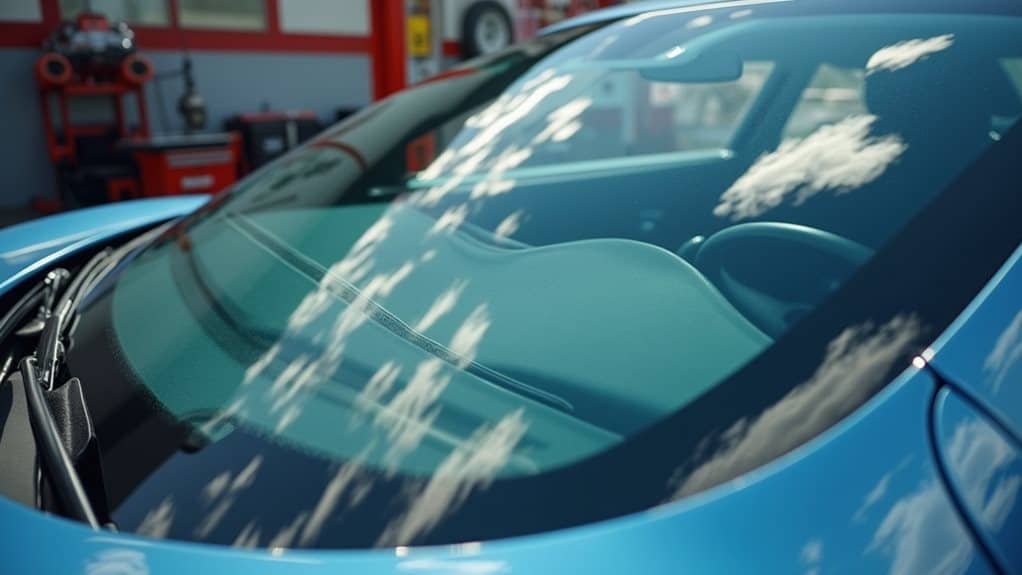
Most thorough auto insurance policies generally cover windshield repairs and replacements, often with little or no out-of-pocket cost to the policyholder.
Insurance coverage typically includes filing an insurance claim for repair or replacement, with costs covered minus the deductible, which varies.
Using authorized repair shops guarantees proper installation, and some policies waive deductibles for minor repairs, making windshield fixes more affordable.
Tips to Save Money on Windshield Replacement and Repairs
To save money on windshield repairs and replacements, you should compare different repair options and get multiple quotes from reputable providers to guarantee competitive pricing.
Using your insurance coverage wisely, especially extensive policies, can greatly reduce out-of-pocket expenses or cover costs entirely for repairs.
Additionally, choosing quality aftermarket parts over OEM components can lower costs while still meeting safety standards, but it’s important to verify their compliance.
Compare Repair Options
When considering repair options for a damaged windshield, understanding the cost differences and available services can help you make an informed decision.
Windshield repair for chips and cracks under 3 inches is often cheaper than replacement, especially with insurance coverage.
Choosing certified providers and considering OEM parts can guarantee quality.
While evaluating repair versus replacement helps optimize costs and durability.
Use Insurance Wisely
Using your auto insurance wisely can substantially reduce the cost of windshield repairs or replacements.
Filing an insurance claim often covers the repair or replacement costs minus your deductible, especially if you have all-encompassing coverage.
Be aware that multiple claims may increase premiums.
Weigh repair vs replacement carefully to maximize insurance benefits and avoid unnecessary expenses when dealing with insurance companies.
Choose Quality Parts
Choosing the right parts for your windshield replacement is crucial to guarantee safety, functionality, and cost savings.
OEM windshields ensure proper fit, safety, and compatibility with advanced driver assistance systems, preventing costly malfunctions.
High-quality aftermarket glass meeting OEM standards offers savings while maintaining optical clarity.
Professional installation and calibration, along with warranties, guarantee durability and safety over time.
Wrapping up
Understanding the factors influencing windshield replacement costs helps you plan effectively. Vehicle make, model, safety features like ADAS, and repair complexity considerably impact the price. Insurance may cover parts or all costs, but verifying your policy is crucial. To save money, compare quotes, consider aftermarket parts, and inquire about calibration services. Staying informed guarantees you make practical decisions, minimizes expenses, and maintains your vehicle’s safety and functionality without unnecessary spending.