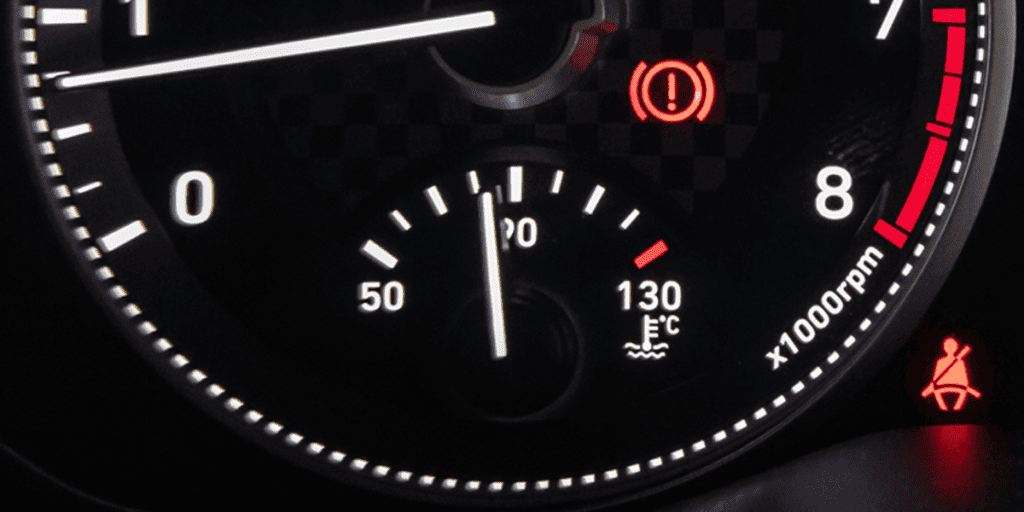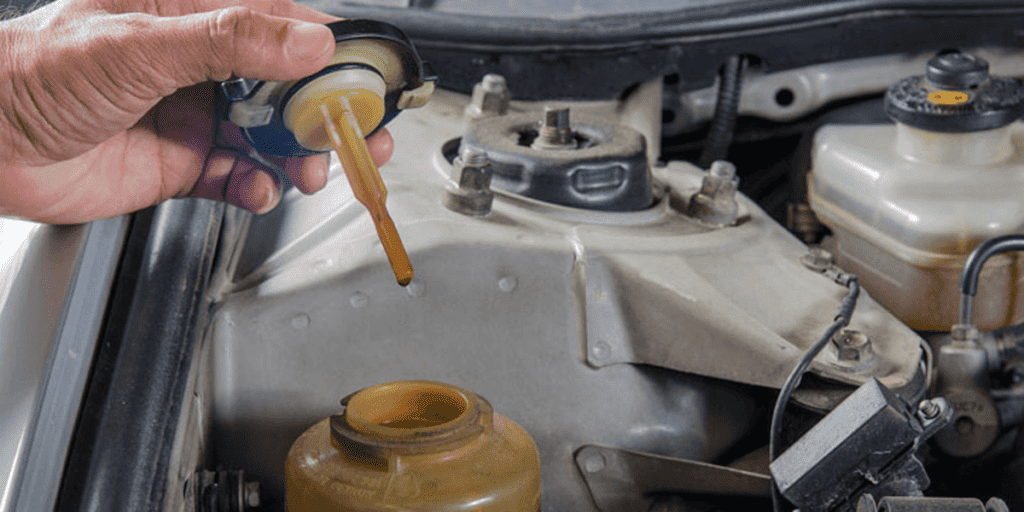
7E9 isn’t a fault code; it’s the hexadecimal header your scan tool uses to access the Transmission Control Module (TCM), so it shows when the scanner has a communication link to the transmission system. It tells you where to pull real DTCs like P0700, P0730–P0736, solenoid or speed‑sensor faults, and U‑codes; urgency depends on those codes. Before replacing parts you’ll check fluid, wiring, connectors, and battery/alternator voltage, and consider a TCM reflash if needed, with further steps outlined below.
Quick Tips
- 7E9 is not an engine fault code but a data header indicating access to the Transmission Control Module (TCM).
- It shows the scanner has authenticated communication with the TCM, ready to read transmission-specific DTCs.
- Urgency depends on the actual P- or U-codes retrieved from the TCM, not the 7E9 header itself.
- Common transmission symptoms tied to TCM codes include limp mode, harsh shifts, slipping, and loss of power.
- After seeing 7E9, read stored/pending TCM codes, check fluid, wiring, battery voltage, and consider TCM reflash or dealer diagnostics.
Quick Answer: Is 7E9 Urgent?

In short, 7E9 isn’t an urgent fault by itself; it’s a scanner menu header that tells you the tool has gained access to the Transmission Control Module (TCM) and is ready to read actual transmission trouble codes.
You should understand it as an access indicator, not a failure; you’ll need to read the specific P-codes to determine urgency and required repairs. The block page included identifiers like a Cloudflare Ray ID, indicating the site was protected by a security service and access was restricted Cloudflare Ray ID a119c1d559aa55ee. A related issue to watch for is when a scan shows No Bus errors, which mean the PCM has lost communication with the CAN BUS and can prevent reading or clearing certain transmission codes.
What 7E9 Actually Means and Why It’s Not a DTC
You already noted that 7E9 isn’t an urgent fault; now let’s clarify what it actually represents and why it’s not a Diagnostic Trouble Code (DTC).
7E9 is a menu or data-request identifier used by diagnostic scanners to access the Transmission Control Module (TCM), not a report of a malfunction; when your scanner shows 7E9 it’s telling you the tool has opened the TCM data stream so you can read the real fault codes stored there.
Mechanics often skip this crucial first step of accessing the TCM before diagnosing powertrain issues, which can lead to misinterpreting scanner output.
How Your Scanner Uses 7E9 to Access the TCM
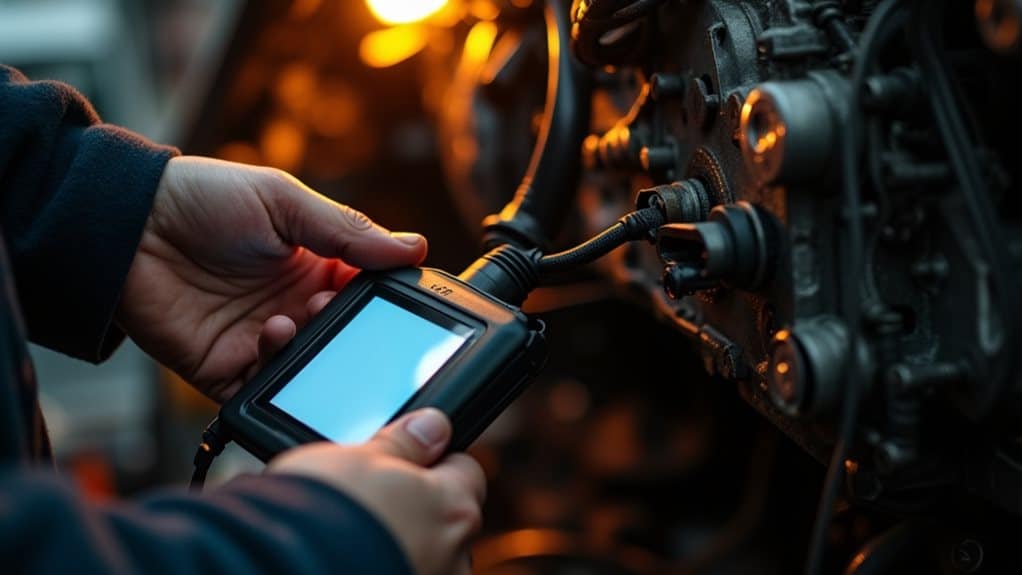
When you open the scanner’s menu and tap the 7E9 header labeled “Transmission” or “TCM,” the tool sends a targeted TCM data request to that hexadecimal address, telling the vehicle to return transmission-specific information.
The scanner must receive a proper 7E9 response header before it will list fault codes or stream live PIDs like gear selection, fluid temperature, and solenoid status, so you’ll see only the address identifier if the handshake fails.
If the link times out or the header never appears, the scanner will report a communication error and you’ll need to check power, wiring, or protocol compatibility to restore access.
Using a professional-grade OBD2 scanner at home can let you perform dealer-level diagnostics without a shop visit.
Scanner Menu Header
How does your scanner know which transmission data to show? Your tool treats 7E9 as a menu header, a non-fault module identifier that points to the TCM. You select the 7E9 tab to enter TCM sub-menus, confirm access, and view Mode 7 data sets.
It separates transmission streams from engine (7E8) or other modules, guiding targeted diagnostics.
TCM Data Request
Because the scanner needs a clear routing path to the Transmission Control Module, it uses the 7E9 identifier to direct Mode 7 diagnostic requests specifically at the TCM, setting headers and receive addresses so the module recognizes and answers the query.
You send ATSH7E1 and ATCRA7E9, then trigger 1003/0700; TCM validates E9, returns Pxxxx DTCs, and status bits.
Common Transmission Symptoms That Trigger a 7E9 Message
Recognition of transmission faults starts with observing specific driveability and electronic symptoms that typically cause a 7E9 diagnostic message, so you’ll want to note both what the car does and what the scanner requests.
You’ll see limp mode, check engine light, erratic or harsh shifting, slipping, loss of power, fluid issues, sensor or wiring faults, solenoid or mechanical failures, and sporadic TCM communication.
Regular inspection of fluid level and condition can help identify issues early, especially when experiencing erratic shifting that may indicate low fluid, worn parts, or sensor faults.
TCM DTCs to Check When You See 7E9 (P0700, P0730, Etc.)
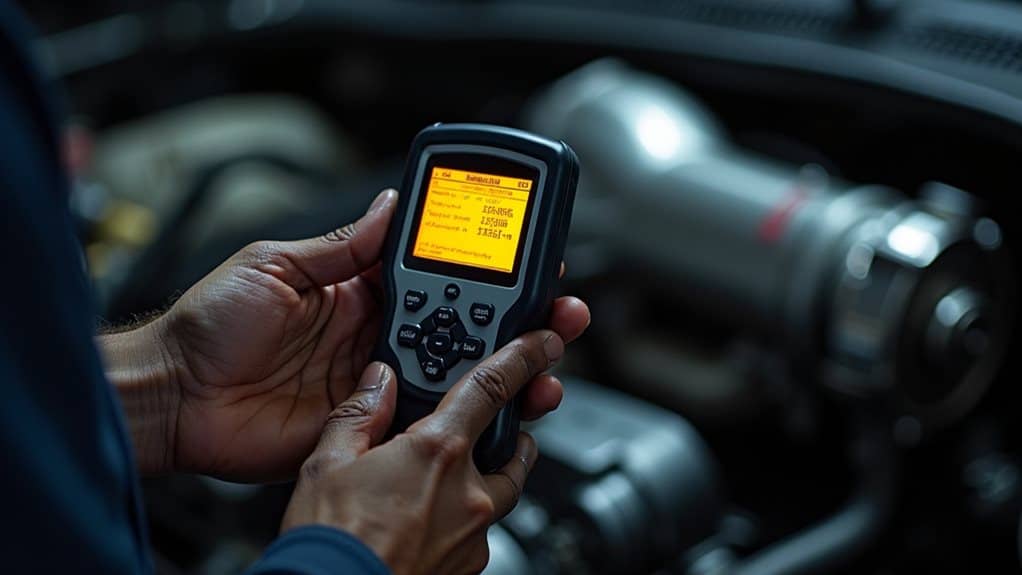
When your scanner shows a 7E9 message, start by checking the transmission control module (TCM) for stored diagnostic trouble codes—P0700, P0730 and their related subcodes point directly to transmission control or mechanical issues that the TCM has detected.
Look for P0700 (master TCM fault), P0730-P0736 (incorrect gear ratios), E7xx/E8xx solenoid faults, and speed/range sensor codes (P0715–P0725) to narrow causes.
Also inspect fluid condition and level—check for varnish, wrong viscosity, low or overfilled fluid that can cause transmission slip and related TCM codes.
How to Read and Interpret TCM Codes With a Scanner
First, you’ll connect your scanner to the vehicle’s OBD-II port, usually under the driver’s dash, then turn the ignition to ON so the scanner can power up and establish communication with the TCM.
Next, go through the scanner menu to the Transmission or TCM section and select “Read Codes” to pull stored, pending, and historic TCM DTCs; the display will show alphanumeric codes like P0700 or P0730 along with brief descriptions.
Finally, interpret each code by comparing the on-screen description to the scanner’s built-in library or reputable online resources, noting whether a code indicates a sensor circuit issue, gear ratio fault, communication error (U-codes), or fluid/speed sensor problem before planning diagnostics or repairs.
Also consider choosing from the best OBD2 scanners that can access advanced systems and reset codes to streamline diagnostics and repairs.
Connect Scanner To TCM
Before you plug in a scanner, make certain it’s compatible with the vehicle’s Transmission Control Module (TCM) protocols and has the necessary software and real-time streaming capabilities; doing so prevents wasted time and missed diagnostics.
Plug the OBD-II connector, make sure stable 12V power is maintained, wait for initialization, and verify the scanner shows the TCM address and “Connected.”
Then go to the TCM menu to request stored DTCs.
Read And Interpret Codes
Now that your scanner is connected to the TCM and showing the $7E9 menu, you’ll read and interpret the codes stored in the module to figure out what’s wrong with the transmission.
Enter $7E9, retrieve stored DTCs, then identify P0700 (general fault), P0730 (wrong gear ratio), P0750/P0973 (shift solenoid faults), sensor codes P0715/P0720, and communication errors like P0600 for targeted diagnosis.
Pre-Replacement Checks: Fluid, Sensors, Wiring, Connectors

Because a 7E9 code can stem from several non-TCM issues, you should methodically check fluids, sensors, wiring, and connectors before deciding to replace the Transmission Control Module.
Verify transmission fluid level and condition, test speed and pressure sensors with a multimeter, inspect wiring for heat, corrosion, or breaks, and guarantee connectors are clean, properly seated, and free of bent pins or moisture.
Typical Repairs and Software Fixes (Reflash, Sensors, Wiring)
When diagnosing and fixing a persistent 7E9 fault, you’ll follow a clear sequence that covers software, sensors, wiring, and hydraulic checks so you don’t replace parts unnecessarily.
Start with a TCM reflash using a stable 12.6V supply, verify scanner communication, then test speed sensors and calibrate replacements.
Inspect and repair looms, clean connectors, and confirm fluid level and bleeding to restore proper pressure.
When to Seek Pro Service or Check Dealer Recalls

If your vehicle keeps showing a persistent 7E9 transmission code after you’ve tried basic checks (battery, sensors, wiring, and a TCM reflash), it’s time to evaluate professional service or a dealer recall check.
Verify battery and alternator voltages, inspect ignition and fuel systems, and ask the dealer about recalls (e.g., Ford 11V-234, GM 14V-123).
If unresolved, seek certified diagnostics.
Wrapping Up
When you see 7E9, don’t panic: it’s the scanner’s request to talk to the transmission control module, not a fault code itself. You should scan the TCM for stored DTCs like P0700 or P0730, check fluid level and condition, inspect wiring and connectors, and verify sensor signals before assuming replacement. Simple repairs, software updates, or dealer recalls often resolve issues, but get professional diagnostics if codes persist or repairs are beyond basic checks.