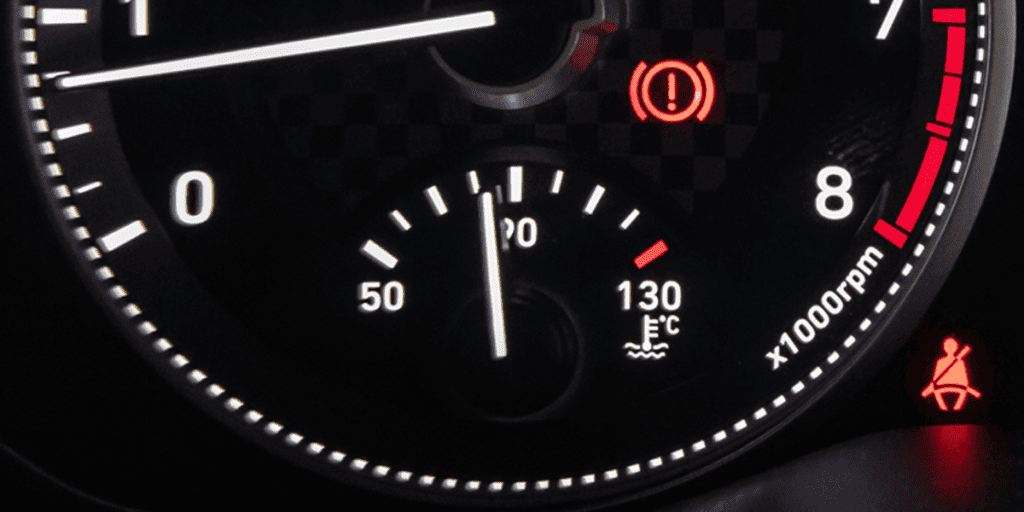
You’ll experience rough or sluggish acceleration when your accelerator pump fails to deliver the immediate fuel shot your carburetor needs during throttle application, creating a lean air-fuel mixture that causes hesitation and bogging. Hard starting becomes common as fuel evaporates from the pump circuit, requiring extended cranking, while engine sputtering, stalling under load, and stumbling during light acceleration reveal insufficient fuel delivery. You might also notice black smoke from your exhaust if the pump over-fuels, or weak fuel spray into the carburetor barrels when testing, and the sections below explain each symptom’s specific cause and diagnosis.
Quick Tips
- Rough or sluggish acceleration occurs when the pump fails to deliver an immediate fuel shot, creating a lean mixture and hesitation.
- Engine sputtering, stalling, and misfiring result from improper fuel delivery during throttle changes, especially under load or acceleration.
- Hard starting and extended cranking happen when fuel evaporates from chambers or check balls stick, particularly after the vehicle sits.
- Weak or no fuel spray from jets during cranking indicates pump failure, causing the engine to start only with starter fluid.
- Black smoke from exhaust signals over-fueling when the pump floods the engine, creating an excessively rich mixture and incomplete combustion.
Rough or Sluggish Acceleration
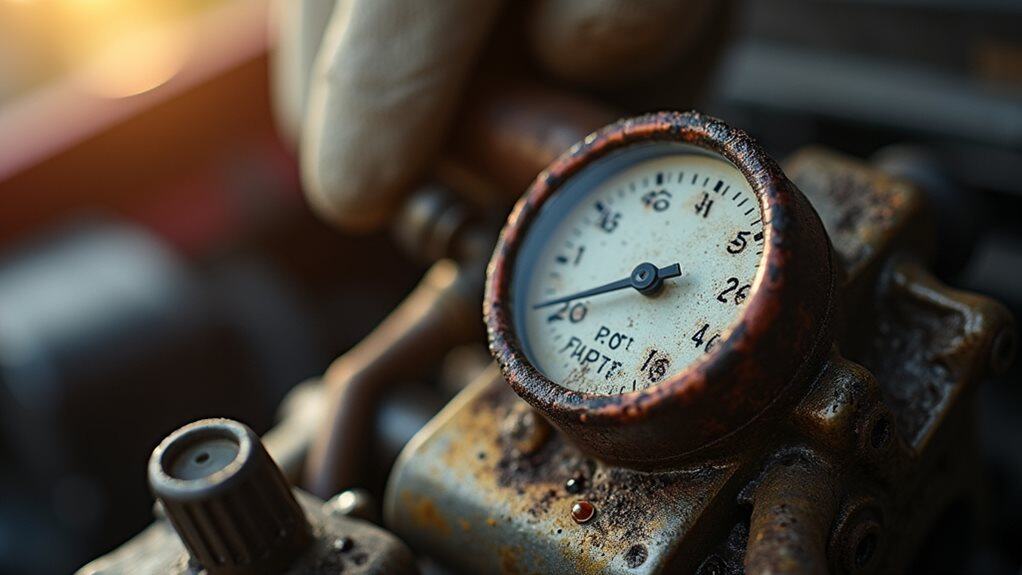
When you press the accelerator pedal quickly, the accelerator pump’s primary job is to inject an immediate shot of fuel into the engine’s intake to match the sudden rush of air. If the pump fails, you’ll experience a lean air-fuel mixture that causes rough, sluggish acceleration. The engine may bog down, hesitate, or misfire, making your vehicle feel unresponsive and lacking power during throttle application. This issue may be intermittent during high traffic conditions or worsen when multiple acceleration attempts occur in rapid succession. Additionally, vacuum leaks can exacerbate these symptoms by disrupting the air-fuel mixture.
Engine Sputtering and Stalling
A faulty accelerator pump can cause your engine to sputter and stall because it fails to deliver the precise fuel shot needed during throttle changes.
This creates a lean air-fuel mixture, starving cylinders of necessary fuel during acceleration. You’ll notice hesitation, rough idling, and potential stalling, especially when demanding power. Exhaust leaks can also lead to symptoms similar to those caused by a malfunctioning accelerator pump, as they disrupt the air-fuel mixture and can result in engine misfires.
The disrupted fuel delivery mimics symptoms from clogged injectors or vacuum leaks, requiring diagnostic testing to pinpoint the accelerator pump as the culprit. Similar to faulty fuel injectors, a malfunctioning accelerator pump may also cause the engine to sputter after being turned off due to improper fuel delivery in the combustion chamber.
Hard Starting and Extended Cranking

When your vehicle sits idle for several days, fuel evaporates from the carburetor’s float bowl and accelerator pump circuit, leaving these chambers empty and unable to deliver the precise fuel squirt needed for immediate combustion.
This evaporation process causes the check balls and weights inside the accelerator pump mechanism to stick within their bores, preventing proper fuel discharge when you first attempt to start the engine.
You’ll notice this problem most dramatically during cold starts, where the engine may fire briefly then die within seconds, requiring multiple extended cranking cycles before it finally runs continuously. Regular maintenance of fuel system components is essential to prevent such issues from arising.
Fuel Evaporation Causes Issues
Understanding how fuel evaporation affects your engine’s starting behavior reveals why hot vehicles often crank longer than cold ones.
When your engine warms up, heat causes fuel to vaporize in lines downstream of the pump, where pressure drops. This vapor replaces liquid fuel, creating starvation that prevents proper ignition. You’ll notice extended cranking, stalling, and hesitation because insufficient fuel reaches the combustion chamber for consistent firing.
Check Ball Sticking Problems
Because check balls regulate fuel flow direction within your accelerator pump circuit, their failure to move freely creates immediate and noticeable drivability problems.
You’ll experience hard starting and extended cranking before your engine fires.
Ethanol residue from old fuel commonly binds check balls in their bores, while corrosion, debris, or incorrect sizing also causes sticking.
Extended inactivity allows fuel evaporation, leaving deposits that prevent proper ball movement and disrupt fuel delivery.
Engine Dies After Starting
Check ball problems don’t always leave you stranded in your driveway—sometimes your engine will fire up briefly, then die within seconds of roaring to life.
This happens because your accelerator pump can’t deliver the fuel shot needed to sustain combustion during those critical first moments. Without that immediate fuel charge, your engine starves and stalls, even though it initially caught and ran momentarily.
Weak or No Fuel Spray Into Carburetor

When you turn the key and your engine cranks without starting, a faulty accelerator pump may be starving your carburetor of the fuel it needs to fire up.
You’ll notice no visible fuel discharge from the jets during cranking. If spraying starter fluid into the carburetor intake makes the engine briefly run, you’ve confirmed fuel delivery failure rather than carburetor structural damage. Regular cleaning of throttle body and carburetor components can help maintain optimal fuel delivery and engine performance.
Stumbling During Light Acceleration
Your engine’s stumbling response during gentle acceleration points directly to an accelerator pump that’s failing to keep up with your carburetor’s fuel demands.
When you press the gas pedal lightly, the throttle opens and creates immediate air demand. Without the pump squirting extra fuel into the carburetor throat, your air-fuel mixture becomes excessively lean, causing noticeable hesitation before power delivery resumes.
Poor Performance Under Load Conditions
Light throttle hesitation represents just one aspect of accelerator pump failure, but the problem intensifies dramatically when you demand more from your engine.
Under heavy load, a faulty pump creates lean air-fuel conditions that cause sputtering, misfires, and noticeable power loss. Your engine may even stall during sudden acceleration because insufficient fuel delivery can’t match increased air intake demands, leaving combustion starved precisely when supplementation matters most.
Hesitation When Opening the Throttle
The most telltale sign of accelerator pump failure shows up the moment you press down on the gas pedal.
Your engine will stumble and fall flat instead of accelerating smoothly. This hesitation happens because the pump isn’t squirting fuel into the carburetor barrels when you open the throttle. Without that initial fuel shot, your engine encounters a lean condition that causes noticeable stumbling.
Black Smoke From Exhaust

Black clouds billowing from your tailpipe signal that too much fuel is entering the combustion chambers, and a malfunctioning accelerator pump often sits at the heart of this problem.
When the pump floods your engine with excessive fuel during acceleration, the air-fuel mixture becomes overly rich. This incomplete combustion creates soot that exits as dark exhaust smoke, indicating improper fuel metering and poor engine efficiency.
Wrapping Up
You’ll know your accelerator pump’s failing when you experience hesitation, sputtering, or rough acceleration. These symptoms stem from insufficient fuel delivery during throttle opening, which disrupts the air-fuel mixture your engine needs. If you’ve noticed black exhaust smoke, hard starting, or stumbling under load, it’s time to inspect or replace the pump. Don’t ignore these signs—a malfunctioning accelerator pump compromises performance, increases emissions, and can lead to costly engine damage if left unaddressed.