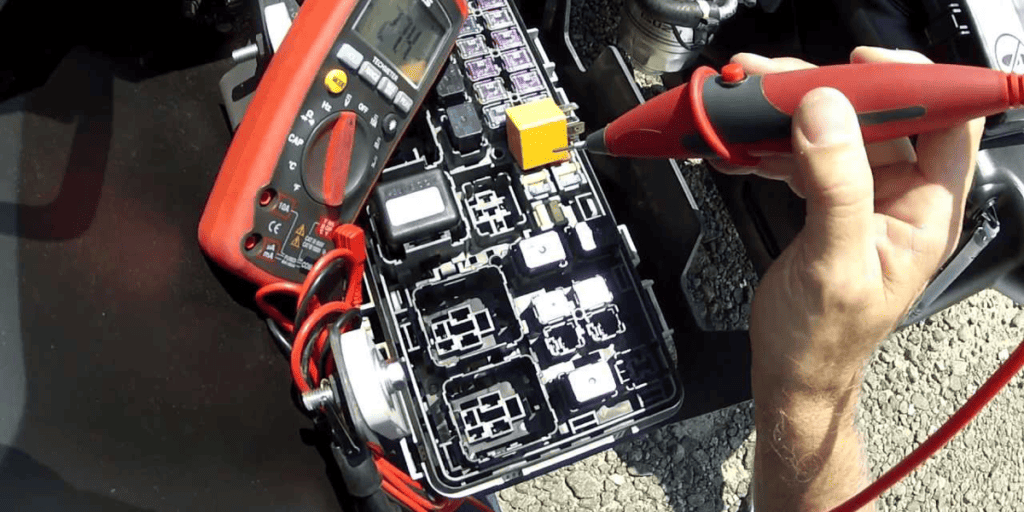
Check the air filter first; a clogged filter creates a rich mixture that raises exhaust gas temperature (EGT) above 1200 °F. Inspect the turbo for reduced boost or oil leaks, and verify it isn’t overheating. Ensure the fuel mixture isn’t too lean, because excess air causes incomplete combustion and higher EGT. Examine the exhaust system for clogged converters or back‑pressure that trap heat, and confirm ignition timing isn’t delayed, which pushes combustion into the exhaust. Finally, monitor coolant level, radiator flow, and thermostat operation to keep the engine’s cooling loop functional. If you keep going, you’ll discover more detailed steps.
Quick Tips
- Clean or replace clogged air filters and intake ducts to restore proper airflow and prevent rich mixtures that raise EGT.
- Verify turbocharger operation and boost pressure; repair or replace a malfunctioning turbo to avoid excess heat from low oxygen.
- Inspect and clean the catalytic converter and exhaust system, removing blockages that cause back‑pressure and elevated exhaust temperatures.
- Adjust ignition timing and fuel mixture to eliminate lean conditions and delayed combustion that spike exhaust heat.
- Install heat‑resistant wraps or reflective shields on manifolds, downpipes, and turbo housing, and ensure adequate cooling airflow to lower surface temperatures.
Pinpoint the Top 5 Causes of High Exhaust Temperature
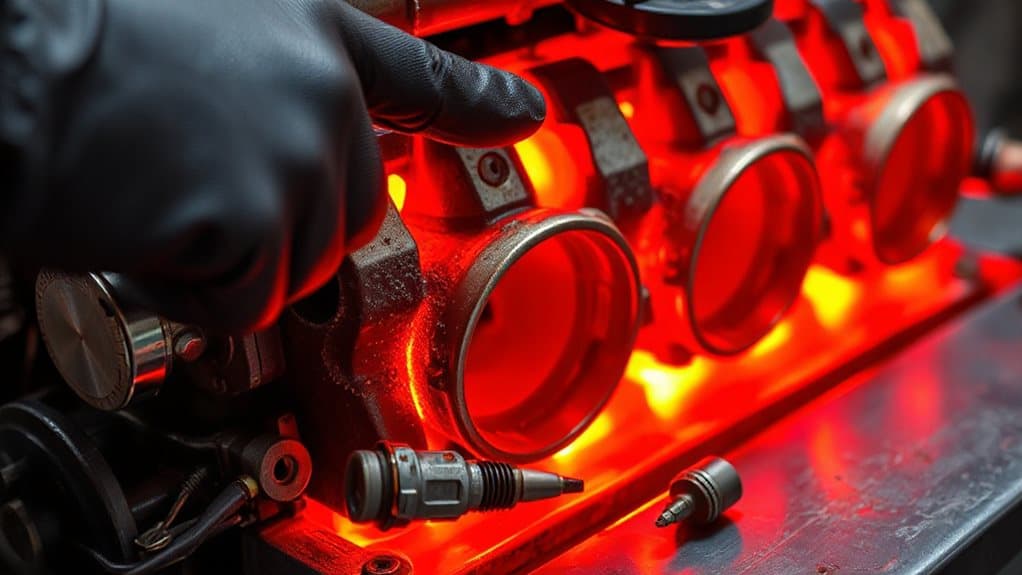
Clogged air filters restrict airflow, creating a rich fuel‑air mixture that pushes EGT above 1200°F. Regular inspection and replacement of filters prevents airflow restriction that can elevate exhaust temperatures.
A malfunctioning turbo reduces boost, limiting oxygen and spiking heat. Diagnosing turbo faults early helps avoid excessive EGT and further engine stress.
Lean mixtures add excess air, causing incomplete combustion that burns in the exhaust. Tuning fuel delivery and checking sensors can correct lean conditions and lower temperatures.
Restrictive exhausts, like clogged converters, back‑pressure gases, raising temperature. Cleaning or replacing clogged components restores proper flow and reduces EGT.
Incorrect timing delays combustion, finishing the burn in the exhaust, further elevating EGT. Adjusting timing to manufacturer specifications prevents post‑combustion heating in the exhaust.
Insufficient coolant flow can also raise EGT by reducing overall engine heat dissipation. Ensuring proper coolant flow and system health maintains engine temperature and helps control exhaust gas temperature.
Read and Decode EGT/CHT Sensor Values
Ever wondered how you can turn raw sensor data into actionable engine observations? You read EGT/CHT values by noting ECU voltage, then use the manufacturer’s lookup table to convert resistance into temperature. NTC thermistors drop resistance as heat rises; PTC sensors climb. Compare pre‑ and post‑turbo readings, verify against a thermometer, and watch for fault codes like P0549 or P2031 indicating circuit issues. Regularly inspect and maintain related components like the cabin air filter and ducts to ensure accurate temperature readings and prevent blocked airflow from affecting sensor performance.
How to Spot Low Coolant or a Clogged Radiator
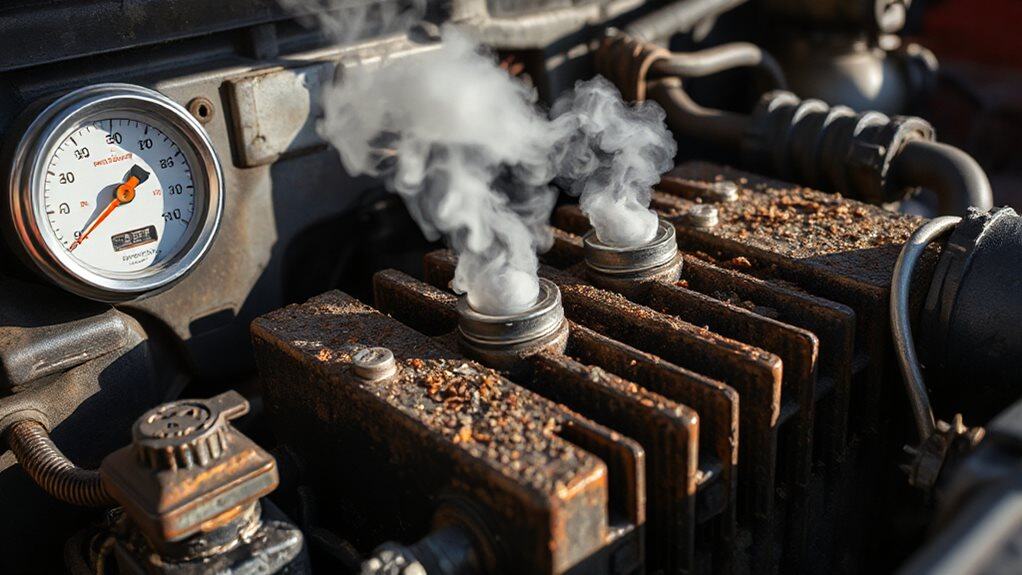
How can you tell if your engine’s cooling system is low on coolant or if the radiator is clogged? Watch the temperature gauge; a needle drifting toward red or an “H” signals insufficient coolant flow. Look for white steam, sweet antifreeze smell, or puddles under the car. Listen for gurgling or bubbling noises, and check the coolant reservoir for low levels. These signs indicate low coolant or a blocked radiator.
Test Thermostat and Water‑Pump Operation
Can you verify that both the thermostat and the water‑pump are functioning correctly before blaming the radiator for high exhaust temperature?
Test the thermostat by submerging it in water, heating it, and confirming it opens around 180‑195 °F, then fully opens about 20 °F higher.
Inspect the water‑pump for rust, whining, or reduced flow; ensure the belt or electric motor spins the impeller freely.
Hub‑centric spacers provide better stability at high speeds and more even load distribution, which can indirectly reduce vibration-related stress on cooling system components.
Check Ignition Timing and Fuel Mixture for Lean Conditions
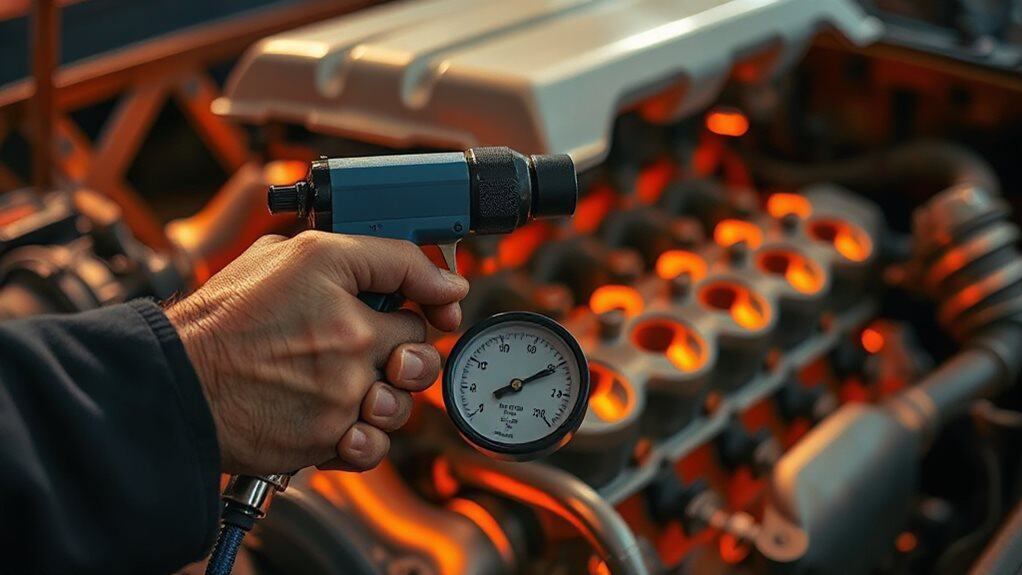
Why does your exhaust gas temperature spike when the engine runs lean? A lean mixture leaves excess oxygen, causing late combustion that raises EGT.
Check ignition timing with a timing light; retarded timing mimics lean heat. Advance the spark a few degrees—24‑30 BTDC—to finish burn earlier and lower EGT, but avoid knock. Log EGT, oil temperature, and power while adjusting timing and fuel ratio for optimum combustion. Ceiling fans improve air movement by creating a wind‑chill effect, enhancing perceived cooling though they do not remove moisture.
Examine Exhaust Manifold and Muffler for Cracks or Damage
After checking ignition timing and fuel mixture, the next step is to examine the exhaust manifold and muffler for cracks or damage.
Look for warped flanges, corrosion, or missing gaskets; hot fumes in the cabin signal leaks.
Use a visual inspection, listen for hissing after a cold start, and run O₂ sensor checks.
Replace cracked sections promptly to restore back‑pressure and prevent overheating.
Heavy-duty floor jacks designed for 3-ton to 22-ton trucks provide the lifting capacity and clearance needed to safely access and repair exhaust components.
Clean or Replace a Clogged Catalytic Converter
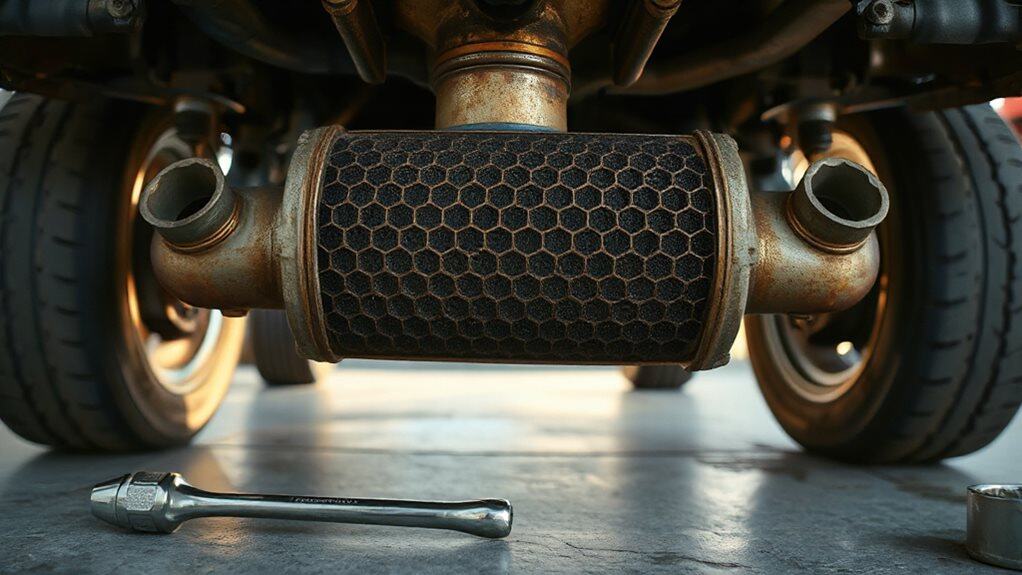
You’ll notice a clogged catalytic converter by power loss, poorer fuel economy, and a rotten‑egg smell, while the check‑engine light may flash with a P0420 code. Decide whether to clean it—using fuel additives, ultrasonic services, or a professional back‑pressure test—or replace it based on the severity of carbon buildup and the cost of parts versus labor. After reinstalling, verify proper operation by comparing exhaust temperatures before and after the converter and confirming that the engine runs smoothly without rattling noises. Also inspect nearby components for heat stress such as warped glass, blistered paint, or scorched wiring that can indicate broader thermal damage.
Symptoms Check Converter Clogging
Ever notice a drop in power when you step on the gas, especially on a hill, and a faint rotten‑egg smell drifting from the tailpipe? You’re likely facing a clogged catalytic converter. Look for sluggish acceleration, reduced fuel mileage, and a check‑engine light with codes P0420 or P0430. Listen for rattling at idle, sniff sulfur odors, and test backpressure—over 2 psi indicates restriction.
Replacement vs. Cleaning Decision
What determines whether you clean or replace a clogged catalytic converter hinges on the severity of the blockage and the condition of the honeycomb substrate. If the honeycomb is intact and only carbon‑filled, a fuel‑tank cleaner and high‑RPM drive can restore flow, saving roughly $2,200. When the substrate is melted, cracked, or unresponsive after cleaning attempts, replacement is mandatory to meet emissions standards.
Re‑installing and Testing Tips
How do you ensure a clean‑or‑replace catalytic converter performs correctly after it’s back in the exhaust system? First, clear OBD‑II codes and fix any leaks upstream. Install the converter per the service manual, torque bolts correctly, and avoid silicone sealants.
Warm the engine, hold 2,500 RPM for two minutes, then cool. Test back‑pressure, temperature differences, O₂ sensor voltages, and CO₂ levels to confirm proper operation.
Is Your Turbocharger Overheating? How to Check Boost Limits?
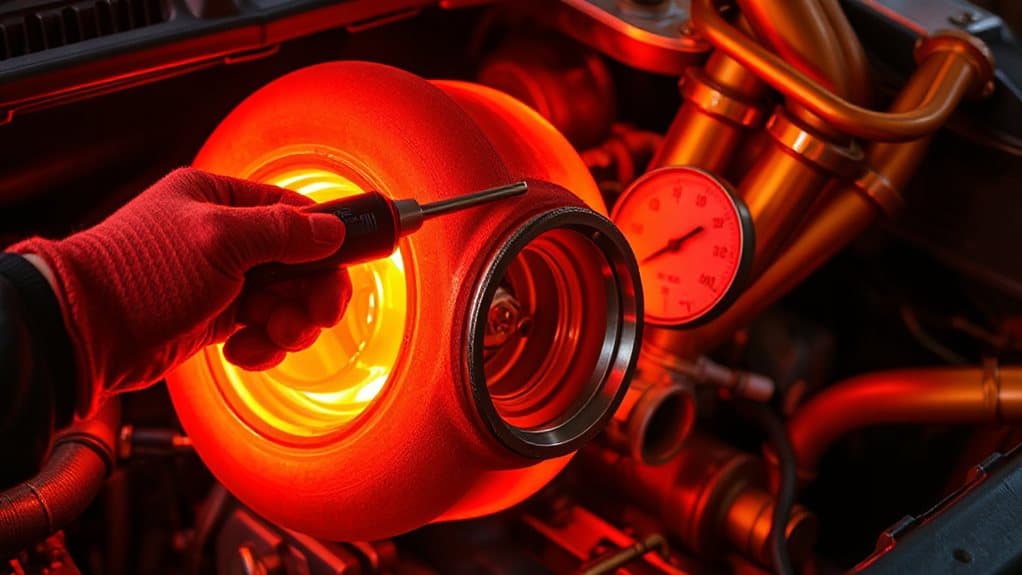
Typically, a turbocharger that’s running hotter than normal will show a drop in boost pressure, so you should start by monitoring the boost gauge for any sudden or gradual declines. Watch for inconsistent readings, listen for siren‑like whine, and inspect turbine housing for discoloration. Verify oil drain cavity isn’t blocked, and avoid hot shutdowns that trap heat. Check DPF regeneration to prevent back‑pressure buildup.
Use High‑Quality Fuel and Additives to Lower Exhaust Temperature
If you fill your engine with high‑quality diesel and the right additives, you’ll see a measurable drop in exhaust temperature because the fuel burns more cleanly and efficiently. Cleaner fuel reduces wax solidification, lowers the cold‑filter plugging point, and minimizes deposits, while detergent additives keep injectors spray‑clean and improve atomization. Lubricity enhancers prevent wear, and water‑removing additives avoid corrosion, all contributing to smoother combustion and lower exhaust heat.
Short‑Term Tricks to Reduce High Exhaust Temperature
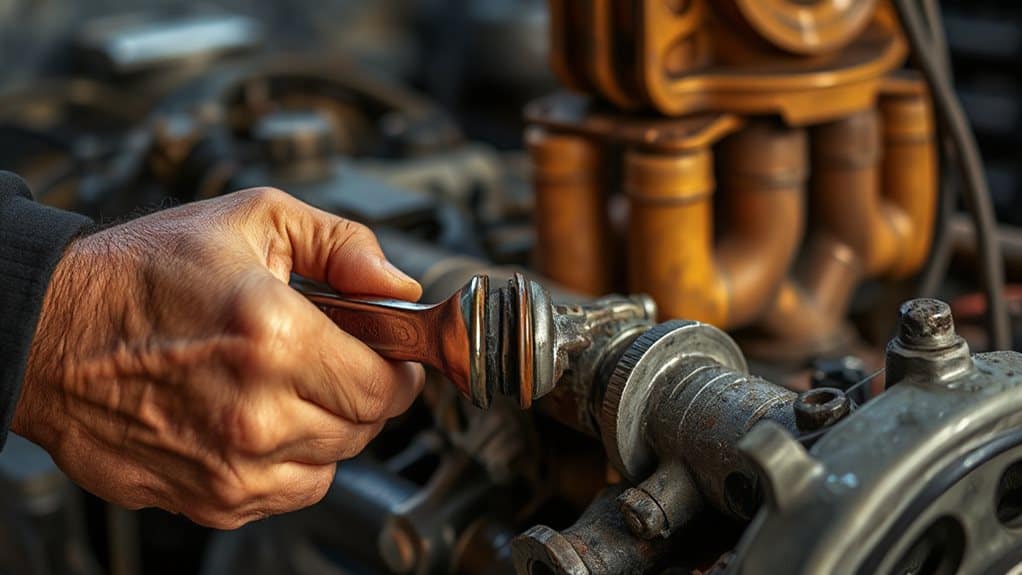
Ever wondered why a hot exhaust can quickly damage your engine? Wrap your manifolds or downpipes with heat‑resistant fiberglass or basalt fibre; it slashes under‑hood heat by half and boosts exhaust velocity. Insulate turbos with stainless‑steel‑tied blankets to cut surface temps 50‑90 %. Add Velcro‑fastened aluminized sleeves to oil and coolant lines, and tape reflective shields on intake piping. Finally, vent the bonnet or install directed fans to eject trapped heat.
Schedule Routine Maintenance to Prevent High Exhaust Temperature
Why does regular maintenance matter for keeping exhaust temperatures in check? You prevent early wear by inspecting exhaust pipes, mufflers, and catalytic converters for blockages. Clean air filters keep airflow optimal, reducing engine strain. Check fuel injectors, pumps, and fuel quality to maintain proper combustion. Examine turbochargers for oil leaks or reduced boost, and replace faulty parts. Regular checks avoid costly overheating damage.
Monitor Temperature Trends With Real‑Time Alerts
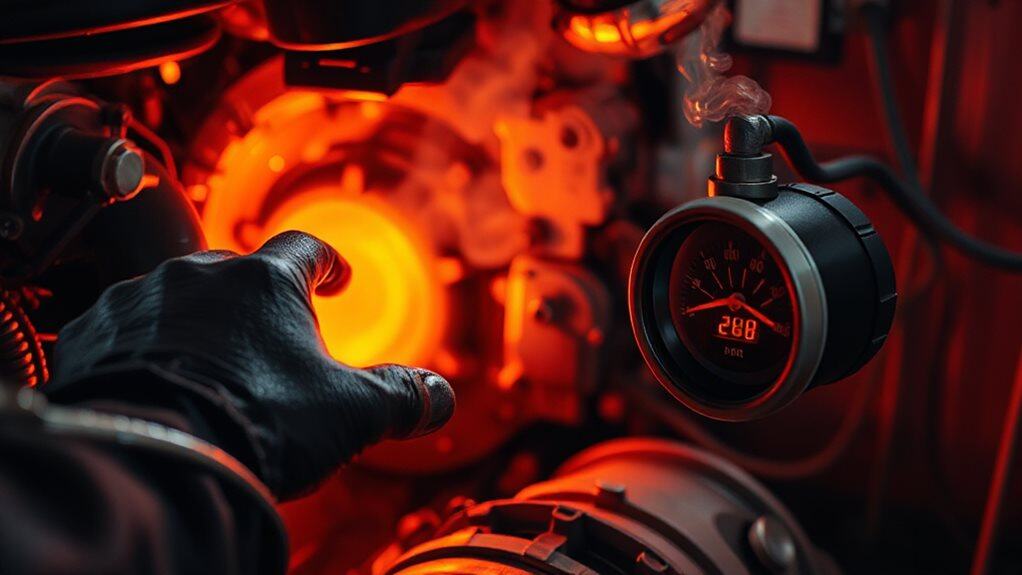
You’ll start by logging temperature data at regular intervals, which creates a baseline that reflects normal operating conditions. When the system detects a reading that exceeds a preset limit, it instantly triggers an alert—via email, SMS, or on‑screen notification—so you can intervene before the engine overheats.
Based Temperature Tracking
When you install a temperature‑monitoring system, the first step is to choose the right sensor—typically a K‑type thermocouple or a platinum RTD—because these devices can survive the extreme heat of the exhaust stream and deliver accurate readings to the ECU.
Connect the sensor to a data logger or ECU, set recording intervals, and let the system capture baseline trends.
Use software to plot continuous temperature curves, compare them to known safe ranges, and adjust fuel or boost settings based on observed deviations.
This ongoing baseline tracking helps you spot gradual rises before they become critical.
Instant Alert Thresholds
After you’ve set up baseline temperature tracking, the next step is to configure instant alert thresholds that flag abnormal trends before they become hazardous. You’ll define three tiered alerts: early‑trend, warning, and critical, each with user‑set limits between –40 °C and 120 °C. Rate‑of‑change detection catches rapid rises, while email and LED notifications fire when limits breach, ensuring you intervene before engine damage occurs.
Wrapping Up
By monitoring EGT and CHT sensors, checking coolant levels, and ensuring the thermostat and water pump function correctly, you can keep exhaust temperatures within safe limits. Adjust ignition timing and fuel mixture to avoid lean conditions, and use high‑quality fuel with appropriate additives. Perform routine maintenance, clear radiator obstructions, and set up real‑time alerts to catch temperature spikes early. These steps prevent engine damage and preserve performance.