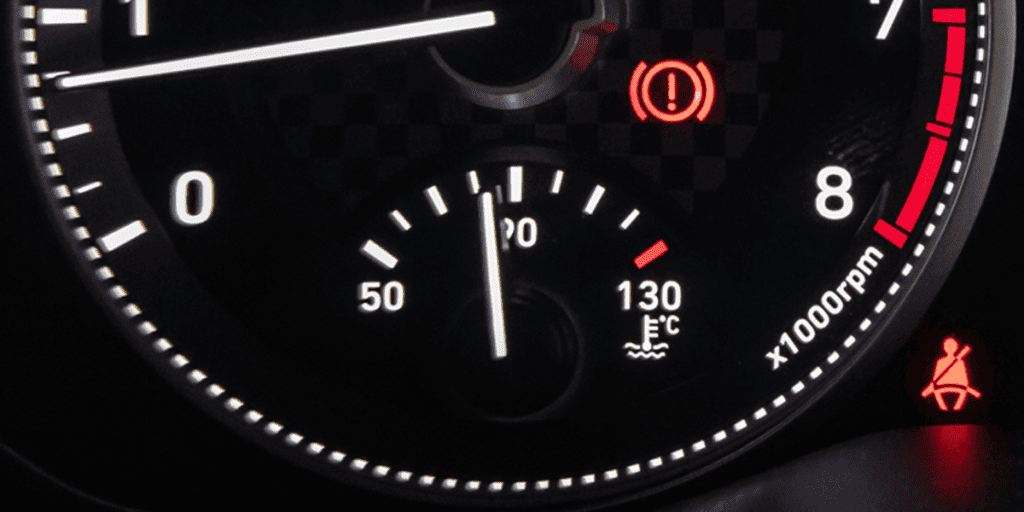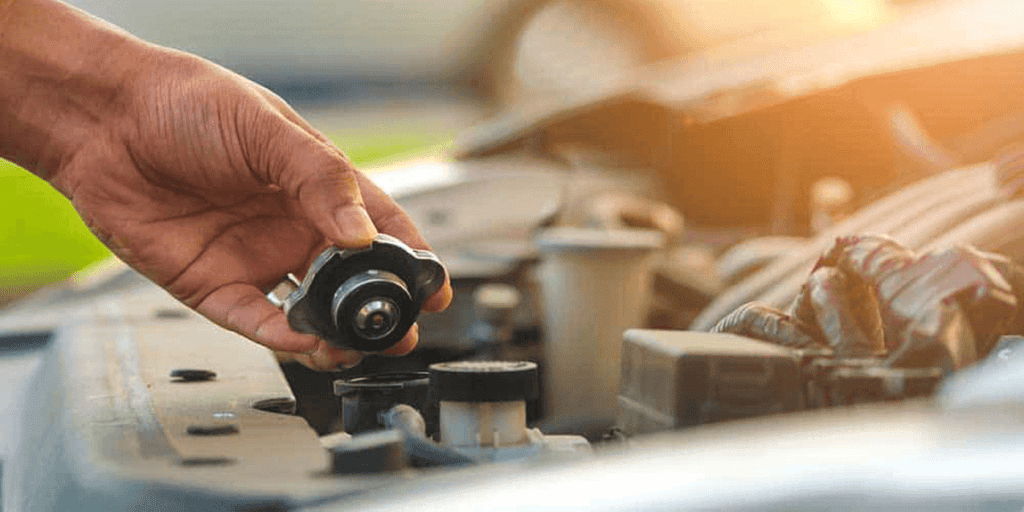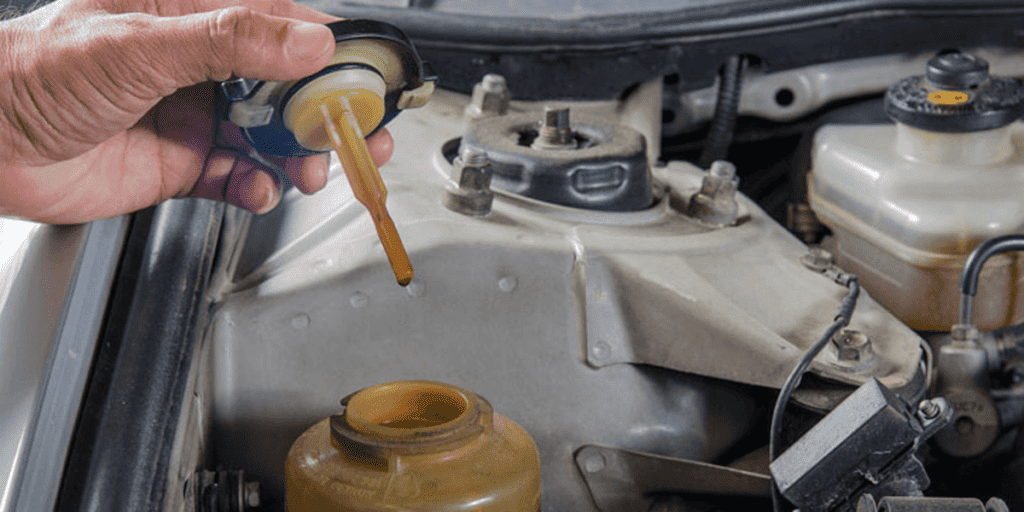
If your car’s exhaust smells like ammonia, it’s likely due to a failing catalytic converter or issues with your diesel’s SCR system, especially if AdBlue is over-dosed during regeneration. Clogged exhausts, rich fuel mixtures, or contaminants like coolant can also disrupt emissions control and create sharp odors. While mold, urine, or low-quality washer fluid might mimic the smell, a persistent exhaust odor usually points to nitrogen compounds escaping conversion—keep an eye on performance changes, as they reveal deeper system faults you’ll want to understand.
Quick Tips
- A failing catalytic converter can cause ammonia-like exhaust smells due to incomplete NOx reduction and excess ammonia production.
- Overuse or malfunction of AdBlue in diesel SCR systems may lead to ammonia slip, releasing strong ammonia odors.
- Exhaust blockages from debris or clogged converters restrict flow, reducing efficiency and increasing ammonia emissions.
- Rich fuel mixtures or leaking injectors can create unburned compounds that produce ammonia-mimicking exhaust odors.
- Non-exhaust sources like contaminated windshield fluid or mold in HVAC systems may be mistaken for ammonia in the exhaust.
What Causes an Ammonia-Like Smell in Car Exhaust?
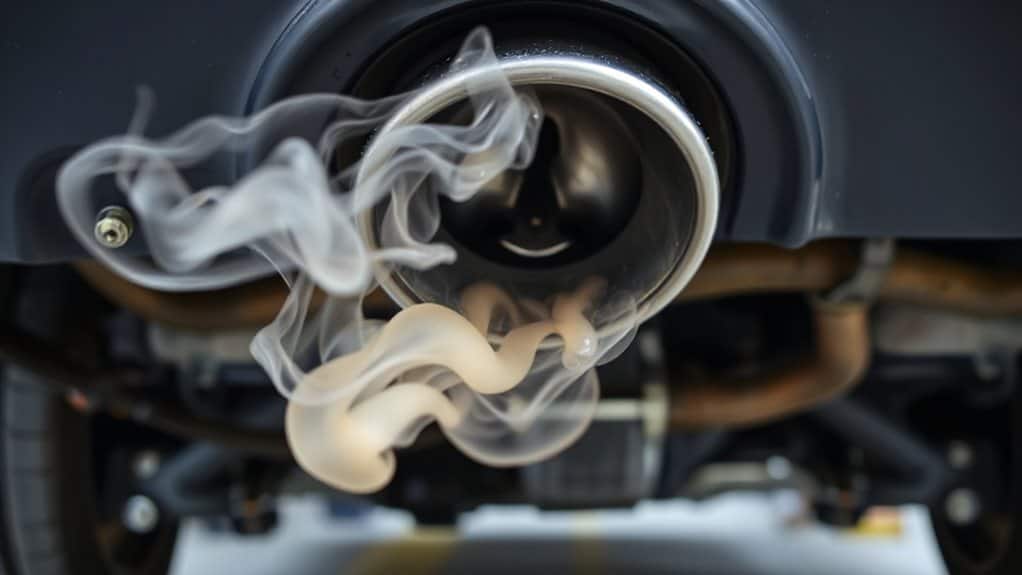
While your car’s exhaust shouldn’t smell like household cleaners, an ammonia-like odor can appear due to several mechanical and chemical factors within the engine and exhaust systems.
Clogged exhausts trap hydrogen sulfide and ammonia, while fuel additives release NOx compounds that mimic the scent. Faulty injectors, rich fuel mixtures, or diesel AdBlue systems can also produce it. Catalytic converter malfunction can lead to the buildup of nitrogen emissions that contribute to this pungent smell.
Critter urine on hot parts or ammonia-laced windshield fluid may fool you—check those too. An inspection of fuel and exhaust components, including pressure-related failures that appear only while the engine is running, can help pinpoint the source of the odor and prevent safety risks from fuel system leaks.
Catalytic Converter Failure and Ammonia Emissions
Your car’s exhaust shouldn’t smell like a cleaning product, but if you’ve noticed a sharp, ammonia-like odor, the problem might stem from your catalytic converter.
When it fails, NOx reduction can overproduce ammonia, especially during city driving or with rich fuel mixtures. Contaminants like oil, coolant, or silicone poison the catalyst, while misfires and aging worsen emissions. Fix upstream issues promptly and use proper fuel and oil to prevent damage. Proper repairs and professional tuning are often necessary to restore correct emissions control and prevent related engine issues.
Exhaust Clogs and Ammonia Buildup: What to Watch For
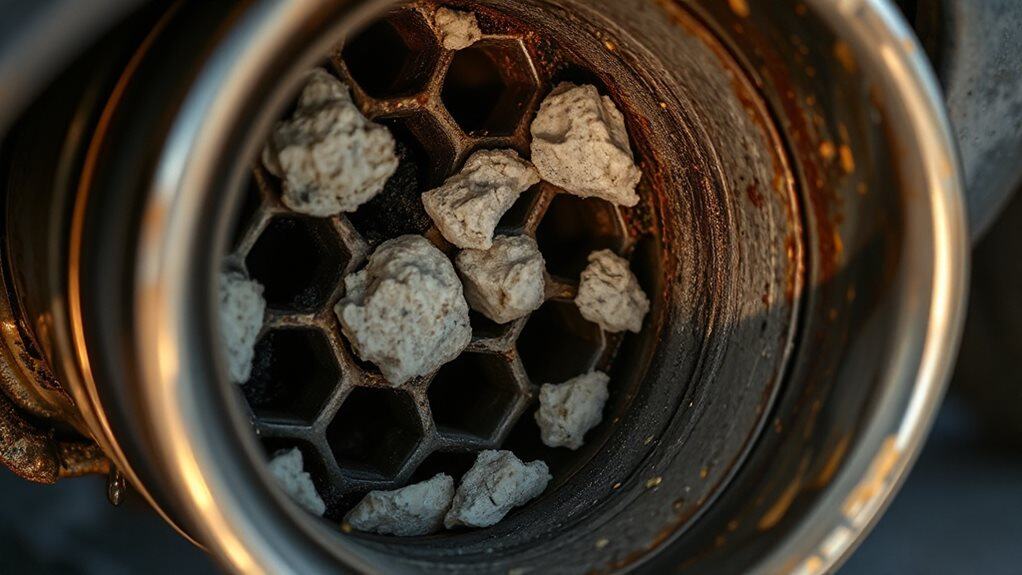
If you notice a strong ammonia smell coming from your exhaust, it could mean debris is clogging your exhaust pipes and trapping gases like hydrogen sulfide and ammonia.
When particles build up over time, they restrict airflow and stop harmful emissions from escaping properly, which increases odor and system pressure.
Watch for reduced engine performance or visible soot near the tailpipe—these are early signs of blockage that need immediate inspection.
Regular system checks and keeping software and sensors updated can help prevent these issues; see software updates for steps to maintain your vehicle’s diagnostic systems.
Clogged Pipes Warning Signs
Often, a strong ammonia smell from your exhaust signals an underlying issue tied to clogged or restricted exhaust components, especially when paired with performance hiccups.
You might notice reduced power, poor fuel economy, or unusual engine noises.
A blocked pipe traps unburned gases, causing them to break down into ammonia.
Check for soot buildup, rattling sounds, or overheating near the converter.
Have a mechanic inspect the entire system promptly.
Debris-Induced Gas Buildup
While driving, tiny particles like dirt, road debris, or even nesting materials from small animals can gradually accumulate in your exhaust system, leading to partial or full blockages over time.
These clogs trap gases like hydrogen sulfide and ammonia precursors, especially during idling or acceleration.
Contaminants reduce catalytic converter efficiency, increasing ammonia slip. Animal urine on hot parts or ammonia-laced fluids can worsen odors.
Restricted flow also retains nitrogen compounds, intensifying smell.
Fuel System Problems That Create Ammonia-Like Odors
A strong, pungent smell coming from your car’s exhaust—especially one resembling ammonia—can point directly to problems in the fuel system.
Leaking fuel injectors or fuel lines release raw gasoline, leading to incomplete combustion and unburned hydrocarbons that smell similar to ammonia. A faulty fuel pressure regulator or rich air/fuel mixture worsens this, often producing black smoke and strong fumes, especially under acceleration. EVAP system leaks also release fuel vapors, which may be mistaken for ammonia. These issues require prompt inspection and repair to restore proper engine function and emissions control. Proper maintenance of brake components, including inspection and replacement of worn abutment clips, helps prevent unrelated vibration and noise issues from masking fuel-system odors.
AdBlue Over-Dosing in Diesel Engines
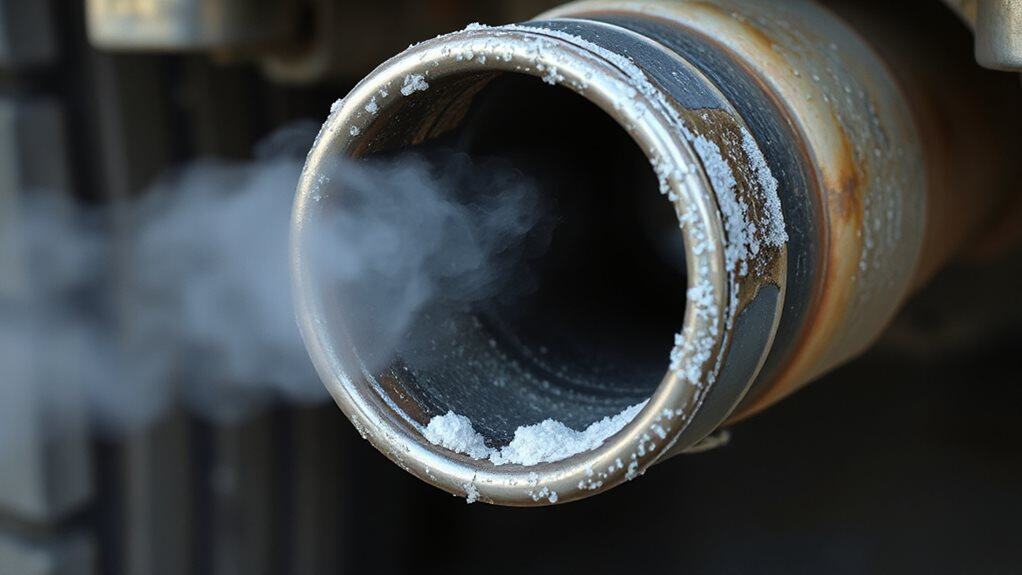
If you’ve noticed a sharp, ammonia-like smell coming from your diesel vehicle’s exhaust, the issue might stem from AdBlue over-dosing in the selective catalytic reduction (SCR) system.
You’re likely seeing warning lights, reduced power, or increased emissions.
Excess urea breaks down into ammonia, which escapes unconverted.
Crystallization can damage pumps or clog injectors, disrupting dosing.
Left unchecked, performance drops, fuel efficiency suffers, and your vehicle may enter limp mode or fail emissions tests.
You may also need to prime the system after running out of AdBlue to restore proper dosing and prevent further issues with the SCR priming a diesel.
How Diesel Regen Cycles Release Ammonia
When your diesel engine goes into regen, the exhaust heats up past 1,000°F, and that intense heat helps break down AdBlue into ammonia right before the SCR catalyst.
If too much AdBlue gets injected—especially during active regen—the excess urea may not fully convert, leading to leftover ammonia that you can smell.
This spike in temperature, meant to burn off soot, also amplifies chemical reactions that turn urea into ammonia, making the odor more noticeable during and just after regeneration.
High exhaust temperatures can also indicate underlying issues like a clogged catalytic converter, which can worsen ammonia formation and exhaust problems.
High-Temperature Catalyst Reactions
Because the exhaust system reaches extreme temperatures during a diesel regeneration cycle, chemical reactions in the catalysts become highly active, directly influencing how ammonia forms and releases.
The DOC oxidizes carbon monoxide and hydrocarbons, heating exhaust past 1,100°F. This heat ignites soot in the DPF and enhances urea breakdown in the SCR.
Ammonia forms when DEF decomposes, then reacts with NOx over the catalyst—converting pollutants into nitrogen and water—while excess or stored ammonia may desorb, releasing detectable fumes.
AdBlue Over-Dosing During Regen
You might start noticing a sharp, pungent smell from your exhaust during a diesel regeneration cycle—and that’s often a sign of AdBlue over-dosing.
If your system miscalibrates, excess fluid breaks down into ammonia under high heat. Faulty sensors, a blocked DPF, or incorrect ECU adjustments can cause this. The SCR catalyst can’t process the surplus, so ammonia escapes, creating the strong odor you detect.
Does Sulfur in Fuel Hide Ammonia Smells?
Although you might assume that strong exhaust odors could mask one another, sulfur in fuel doesn’t hide ammonia smells—these compounds behave differently in both chemistry and perception.
Sulfur compounds, like mercaptans, have distinct rotten-egg odors and oxidize easily, while ammonia’s sharp, fishy scent remains detectable. They require separate treatments, and reducing fuel sulfur doesn’t suppress ammonia odor; it just improves catalyst performance without chemically neutralizing NH₃ emissions.
AC Mold That Smells Like Ammonia
That sharp, pungent smell you’re noticing isn’t just an odd quirk of your air conditioner—it’s likely a sign of mold growth producing ammonia-like odors.
Mold thrives in damp coils, clogged drain lines, or dirty filters, releasing mycotoxins and bacteria that smell like urine.
These contaminants spread through ducts, worsening air quality.
You should clean or replace filters, clear blockages, and schedule professional maintenance to eliminate hidden mold and safeguard your health.
Ammonia vs. Rotten Eggs: How to Tell the Difference
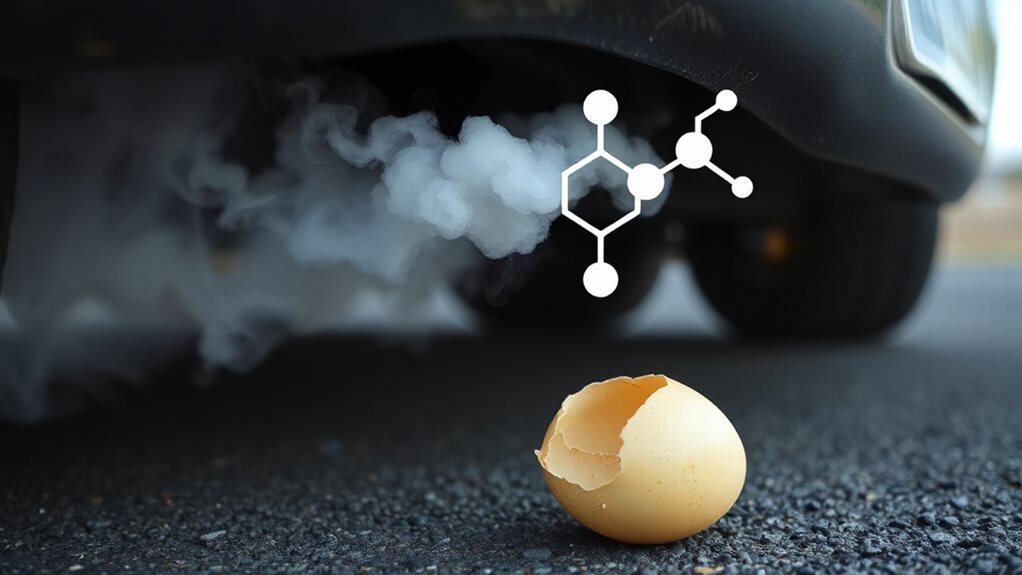
You can tell ammonia apart from rotten egg smells by their chemical sources—ammonia comes from nitrogen breakdown and smells sharp, like cleaning products, while rotten eggs signal sulfur compounds and smell like burnt matches.
If the odor is strong near your car’s exhaust or cleaner bottles, it’s likely ammonia; if it’s consistent throughout your home or near gas appliances, think sulfur.
Recognizing which smell you’re dealing with helps you decide whether to check your catalytic converter or call a gas leak emergency.
Chemical Smell Comparison
Why might your car’s exhaust smell like ammonia instead of the usual burnt fuel odor—or worse, like rotten eggs?
Ammonia carries a sharp, fishy, cleaner-like scent from nitrogen breakdown, while rotten eggs signal sulfur compounds, smelling skunky or like burnt matches.
You’ll notice ammonia near refrigerants or cat urine; sulfur lingers in drains or gas leaks.
Recognize the source by scent profile and location.
Odor Source Identification
How can you tell whether that sharp, lingering odor from your exhaust is ammonia or the foul stench of rotten eggs?
Ammonia smells pungent, like cleaning products, often appearing during acceleration due to NOx buildup or a failing catalytic converter.
Rotten eggs signal sulfur—hydrogen sulfide—from bad fuel or converter failure, usually at idle.
Check driving conditions, scent quality, and potential non-exhaust sources like mold or urine to pinpoint the cause accurately.
False Alarms: Washer Fluid and Urine That Smell Like Ammonia
Occasionally, a strong ammonia-like odor in your car isn’t a sign of engine trouble or a failing catalytic converter—it’s actually coming from something far more mundane: the windshield washer fluid system.
When you activate the wipers, fluid sprays near the fresh air intake, sending vapors into the HVAC system. A loose cap lets dirt and organic matter enter, causing bacterial growth and a stinky, ammonia-like smell. Cheap fluids worsen this. Recirculate mode helps block odors. Drain contaminated fluid, clean the reservoir, tighten the cap, and switch to a higher-quality washer fluid to stop the stink.
When to Worry About an Ammonia Smell in Exhaust
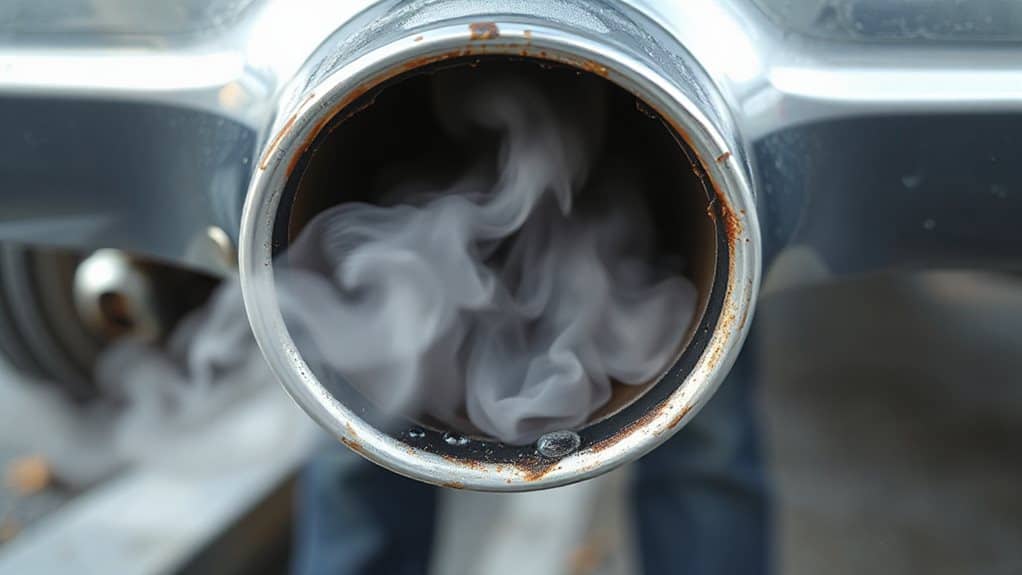
While washer fluid or spilled liquids can sometimes mimic an ammonia smell inside the cabin, a persistent odor coming specifically from your exhaust requires closer attention.
If you notice strong fumes, eye or throat irritation, or the smell worsens during idling, act immediately.
These signs suggest excess ammonia from a faulty SCR system or AdBlue issue.
Don’t ignore symptoms—especially at higher concentrations—since prolonged exposure above 50 ppm harms your health and signals serious vehicle malfunction needing professional diagnosis.
Wrapping Up
If you smell ammonia in your car’s exhaust, it’s usually a sign of a failing catalytic converter, exhaust blockage, or fuel system issue. In diesel vehicles, AdBlue over-dosing can also produce this odor. Don’t confuse it with moldy AC smells or spilled fluids. While some causes are minor, persistent ammonia smells need professional diagnosis—especially if linked to emissions components. Ignoring it may lead to poor performance, higher emissions, or costly repairs down the road.