White smoke from your exhaust that smells like gas isn’t normal—it’s a sign of trouble. You’re likely dealing with unburned fuel or coolant entering the system, caused by issues like a leaking fuel injector, blown head gasket, or rich air/fuel mixture. Condensation creates brief, odorless vapor at startup, but lingering smoke with a gasoline odor means something’s wrong. Problems can damage your catalytic converter or engine if ignored. Find the source now to prevent costly repairs—there’s more to uncover about what’s happening under the hood.
Quick Tips
- White smoke with a gasoline smell is not normal and indicates unburned fuel or coolant entering the exhaust system.
- Persistent gas-smelling exhaust suggests a rich fuel condition, often due to faulty injectors or sensor failures.
- Sweet-smelling white smoke may point to coolant leakage from a blown head gasket or internal engine damage.
- Condensation causes brief, odorless white vapor at startup; any lingering smoke with odor requires immediate inspection.
- Flashing check engine light with smelly white smoke demands urgent mechanic attention to prevent catalytic converter or engine damage.
White Smoke and Gas Smell? Here’s What’s Wrong

If you notice white smoke pouring from your exhaust and smell raw gasoline, your engine is likely burning excess fuel or leaking critical fluids.
A stuck-open fuel injector often causes this, flooding the cylinder. Leaking fuel lines or a faulty pressure regulator may overfuel the engine. Unburnt gas can seep into oil, worsening damage. Check spark plugs and fuel system components promptly. This combination of symptoms may also indicate a serious coolant leak, as hot coolant leaking into the exhaust produces billowing white smoke and can mix with fuel vapors, creating a confusing odor. An untreated issue like this can also be worsened by an exhaust leak before the O2 sensor, which disrupts air/fuel readings and contributes to misfires.
Is That White Smoke Just Condensation?
When your engine first fires up on a chilly morning, you might notice a wispy white vapor drifting from the tailpipe, and while it can look concerning, it’s usually nothing to worry about.
That’s condensation—normal water vapor from combustion cooling overnight. It clears in minutes, has no smell, and leaves no residue. If the smoke lingers or smells like gas, though, it’s not condensation—get it checked. Be alert for signs of coolant leakage, such as a sweet smell or low coolant level, which can indicate a more serious problem.
Why a Rich Fuel Mix Causes Gas-Smelling Exhaust

You’re likely smelling gas from your exhaust because a rich fuel mixture leaves unburned fuel to exit through the tailpipe.
This happens when components like fuel injectors leak or sensors—such as the oxygen or mass airflow sensor—send incorrect data, causing the engine to deliver too much fuel.
With too much fuel and not enough oxygen, combustion is incomplete, producing that strong gasoline odor along with potential black smoke.
Regular inspection of related components, including the fuel injectors and sensors, helps catch problems before they cause further damage.
Rich Fuel Mixture Explained
Because your engine relies on a precise balance of air and fuel to operate efficiently, a rich fuel mixture throws off this critical ratio by introducing too much fuel relative to the amount of air.
You end up with unburned fuel exiting as black smoke, smelling strongly of gasoline.
This happens when the air/fuel ratio drops below 14.7:1, causing incomplete combustion, reduced efficiency, and potential damage over time.
Faulty Injectors And Sensors
If your engine’s fuel system isn’t metering gasoline properly, unburned fuel can make its way into the exhaust, producing white smoke and a strong smell of raw gas.
Faulty injectors may leak or stick open, flooding cylinders with too much fuel. A bad mass airflow sensor misreads air intake, causing an overly rich mix. Failed pressure regulators or clogged air filters also disrupt balance.
Check spark plugs for fuel odor, scan for sensor codes, and test fuel components to pinpoint the issue quickly.
White Smoke and Gas Smell: Coolant Leak or Fuel Issue?
While white smoke from the exhaust can sometimes be harmless condensation during cold starts, persistent smoke accompanied by a strong gasoline odor usually points to a fuel-related problem rather than a coolant leak.
You’re likely dealing with a faulty sensor, rich fuel mixture, or injector issue. Coolant leaks smell sweet; gasoline smells sharp.
Check your O2 or MAF sensor, fuel pressure, and watch for fluid level changes to confirm. A failing transmission fluid pressure sensor can also cause drivability issues and should be checked if you notice harsh or delayed shifts transmission fluid pressure sensor.
5 Common Causes of White Smoke With Gasoline Odor

You’re likely dealing with a fuel-related issue when white smoke pours from your exhaust and carries a sharp smell of gasoline.
Leaking fuel injectors, a faulty pressure regulator, or damaged fuel lines can flood the engine with excess fuel.
A clogged air filter or defective mass airflow sensor disrupts the air-fuel balance, causing incomplete combustion, white smoke, and strong gas odors—prompt diagnosis is essential.
A clogged catalytic converter can also cause back pressure and contribute to rough idle and increased emissions, so have the catalytic converter inspected.
Can Oil Leaks Smell Like Gas?
White smoke from the exhaust with a strong gasoline odor often points to fuel system issues, but that same gas-like smell might also come from your engine oil.
If unburned fuel leaks past worn piston rings or a faulty fuel pressure regulator, it mixes with oil in the crankcase. This dilution thins the oil and creates a distinct gasoline scent you may notice near leaks. Jerky acceleration and stalling might signal accelerator pump failure, which can worsen unburned fuel issues.
Signs Your Fuel Injectors Are Leaking

If you’ve noticed your car running rough or struggling to start, it might be time to check your fuel injectors—especially since a leak can seriously throw off engine performance.
You may detect a strong gas smell under the hood or inside the cabin, notice black or white exhaust smoke, or see wet spots around injectors.
Fuel-diluted oil, fouled spark plugs, poor fuel economy, and a lit check engine light are clear red flags—address them promptly.
Check for a Blown Head Gasket (Easy Home Tests)
If you’re seeing white smoke with a sweet smell and your engine overheats often, you might’ve a blown head gasket letting coolant into the combustion chamber.
Check for a consistent drop in coolant without visible leaks, and if you spot milky residue on the oil dipstick, that’s a strong sign of internal mixing.
You can run a simple compression test at home—low pressure in one or more cylinders often confirms the issue.
Coolant Leak Symptoms
You’ll often notice something’s wrong with your cooling system when the engine starts overheating after just a few miles of driving, especially if the temperature gauge climbs steadily despite coolant levels appearing normal at first.
Check for dampness or puddles under the exhaust manifold, and inspect the seam between the engine block and head—common leak points.
Coolant loss without visible leaks often means internal seepage, possibly past a failed head gasket.
Bubbles in the overflow tank, frequent top-offs, or sweet-smelling steam from the exhaust further point to coolant escaping where it shouldn’t.
These signs demand prompt inspection to avoid engine damage.
Simple Compression Test
Start by gathering your tools and preparing the engine for a compression test, one of the most reliable ways to check for a blown head gasket at home.
Remove spark plugs, disable fuel and ignition, then crank each cylinder six to eight times.
Record dry PSI readings; low or uneven results may indicate gasket failure.
Perform a wet test—oil in the cylinder—to see if compression improves, helping pinpoint worn rings or a faulty head gasket.
Engine Overheating and Smoking? Act Now

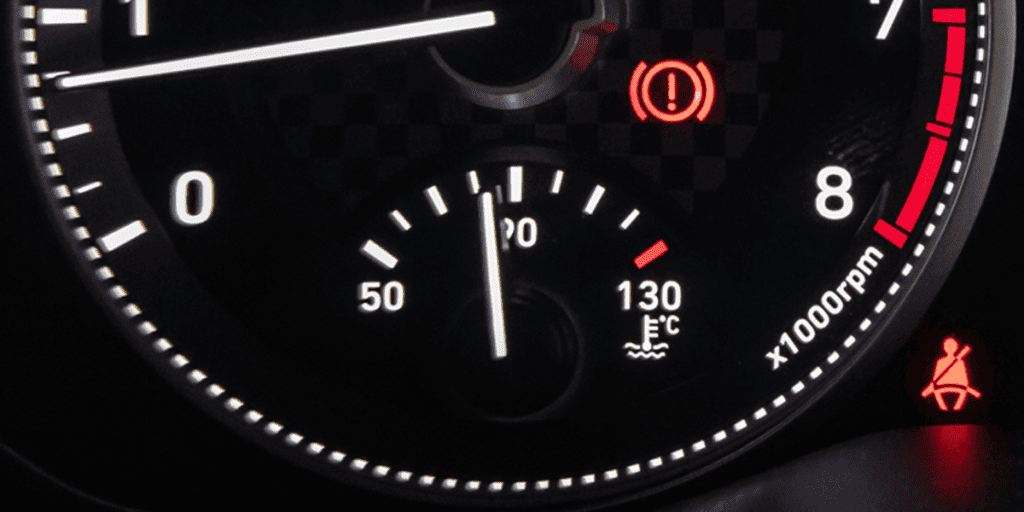
When the temperature gauge climbs into the red zone or steam begins billowing from under the hood, your engine is in distress and demands immediate attention. Turn off the engine, pull over safely, and avoid opening the hood until it cools.
Check for coolant leaks, verify fluid levels, and inspect the radiator fan. Ignoring these signs can warp cylinder heads or crack the block—act now to prevent costly damage.
When to Call a Mechanic for Smoke and Smell Issues
If you see persistent smoke from your exhaust and smell gas, it’s time to call a mechanic right away—this combo often points to unburned fuel entering the exhaust due to a misfiring cylinder or faulty fuel injector.
When the check engine light flashes along with white smoke and a fuel odor, your catalytic converter is at risk, and delaying service could lead to costly damage.
Don’t keep driving; get a professional to run diagnostics, like an OBD2 scan and fuel pressure test, to pinpoint the root cause.
Persistent Smoke And Odor
Often, white smoke accompanied by a strong gasoline odor isn’t just a minor glitch—it’s a clear sign something’s wrong under the hood.
If the smoke and smell persist beyond startup, you likely have a stuck-open fuel injector or leaking fuel line. Unburned fuel enters the exhaust or oil, causing contamination. Check spark plugs—they’ll smell like gas if an injector’s failing. Don’t delay; prolonged issues risk engine damage.
Critical Warning Signs
Though exhaust smoke and unusual odors can sometimes be harmless, certain warning signs demand immediate professional attention.
If you see white smoke with a sweet or gasoline smell, especially during normal driving, act fast. Overheating, coolant loss, or fuel system faults like leaking injectors or a blown head gasket could be the cause.
Don’t ignore sulfur smells or cabin exhaust fumes—they signal serious issues like catalytic converter failure or dangerous carbon monoxide leaks.
Wrapping Up
If you see white smoke with a strong gas smell, it’s likely not normal condensation. A rich fuel mixture, leaking injectors, or a blown head gasket could be the cause. Coolant leaks often smell sweet, so a gasoline odor points more toward fuel system issues. Check for misfires, poor fuel economy, or overheating. Don’t ignore it—diagnose early to avoid engine damage. When in doubt, see a mechanic.