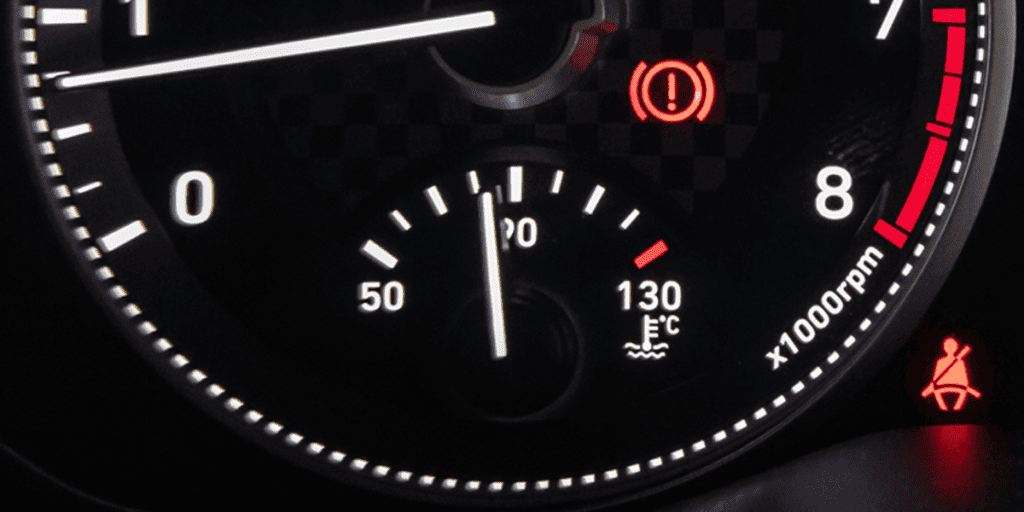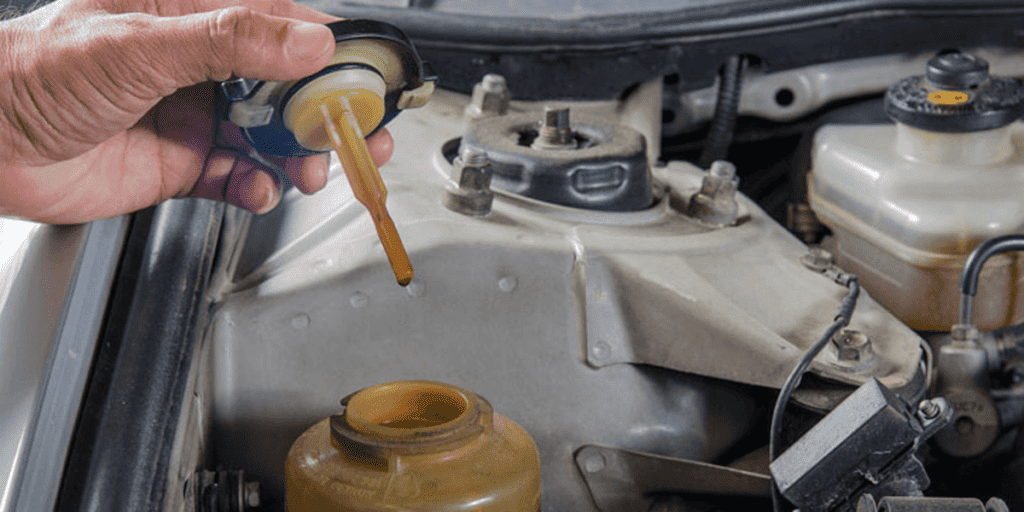
Low transmission fluid reduces lubrication, raises friction and heat, and wears seals, so hydraulic pressure drops and shifts become sluggish; leaks are the most common source. Faulty shift solenoids can’t regulate fluid flow, causing slow pressure build‑up and electrical delays, often flagged by codes P0750 or P0755. Worn clutches or bands thin friction material, leading to grinding, high‑bite pedals, and jerky acceleration. A failing torque converter lets engine revs climb without speed gain, creating shudder and a burning smell. Sensor or TCM glitches—especially TPS or vehicle‑speed errors—mislead the control module, mistiming pressure application. High temperature further degrades fluid, amplifying all these issues, and continued exploration will reveal how to diagnose and fix each problem.
Quick Tips
- Low transmission fluid reduces hydraulic pressure, causing sluggish shifts; check for leaks and top‑off or replace fluid.
- Faulty shift solenoids or wiring delays fluid regulation, triggering acceleration lag and error codes P0750/P0755; replace or repair solenoids.
- Worn clutches or bands thin friction material, leading to grinding, high‑bite pedal, and jerky acceleration; rebuild or replace the clutch pack.
- A failing torque converter slips, causing engine revs to rise without speed gain and shudder at 30‑50 mph; inspect and replace the converter if worn.
- Sensor or TCM glitches (e.g., TPS or vehicle speed sensor errors) mis‑time shift pressure; diagnose with scans and replace faulty sensors or reprogram the TCM.
Why Does Low Transmission Fluid Cause Delayed Shifts?
Low fluid also reduces lubrication, increasing friction and heat, which wears seals and bands.
Over‑heating further degrades fluid, worsening pressure loss and causing sluggish, delayed shifting. Transmission leaks are the most common cause of low fluid levels. Lower hydraulic pressure is similar to how reduced flow in lower GPM reduces cleaning power despite PSI.
How Do Faulty Shift Solenoids Disrupt Delayed Shifts?
When a shift solenoid can’t regulate fluid flow correctly, the hydraulic pressure needed to engage clutches and bands builds up too slowly, so you feel a hesitation before the gear locks in.
Electrical signal delays caused by faulty wiring or short circuits prevent the transmission control module from activating the solenoid at the right moment, which further postpones shift engagement.
Typical symptoms include a noticeable lag in acceleration, a “click” missing from the solenoid, and diagnostic trouble codes such as P0750 or P0755 that point to solenoid failure.
Worn suspension or steering parts can also create distracting noises that may be mistaken for transmission issues, so inspect components like ball joints when diagnosing unusual sounds.
Regulating Fluid Flow
How does a faulty shift solenoid throw off the regulation of transmission fluid flow? When it sticks open, it lets unregulated pressure surge, causing erratic shifts; when it sticks closed, it blocks fluid from reaching higher‑gear circuits, so pressure never builds. This imbalance prevents clutch packs from engaging promptly, traps oil upstream, and stalls shift valves, resulting in sluggish or delayed gear changes.
Electrical Signal Delays
What happens when a shift solenoid’s coil can’t generate a magnetic field quickly enough?
The TCM sends a signal, but a weakened coil delays magnetic activation, so the plunger moves sluggishly.
This slows hydraulic pressure buildup, postpones clutch engagement, and creates a mismatch between commanded gear ratios and actual fluid flow.
The result is noticeable shift hesitation, especially when multiple solenoids are involved.
Solenoid Failure Symptoms
A weak or stuck shift solenoid directly translates the TCM’s command into delayed or erratic gear changes, because the valve can’t open or close fast enough to regulate hydraulic pressure. You’ll notice hesitation, higher engine revs before a shift, and rough clunks as fluid pressure fluctuates.
Slipping, limp‑mode lockup, and unexpected gear jumps also appear, often triggering a warning light. Check fluid cleanliness and solenoid operation promptly.
When Do Worn Clutches and Bands Lead to Delayed Shifts?
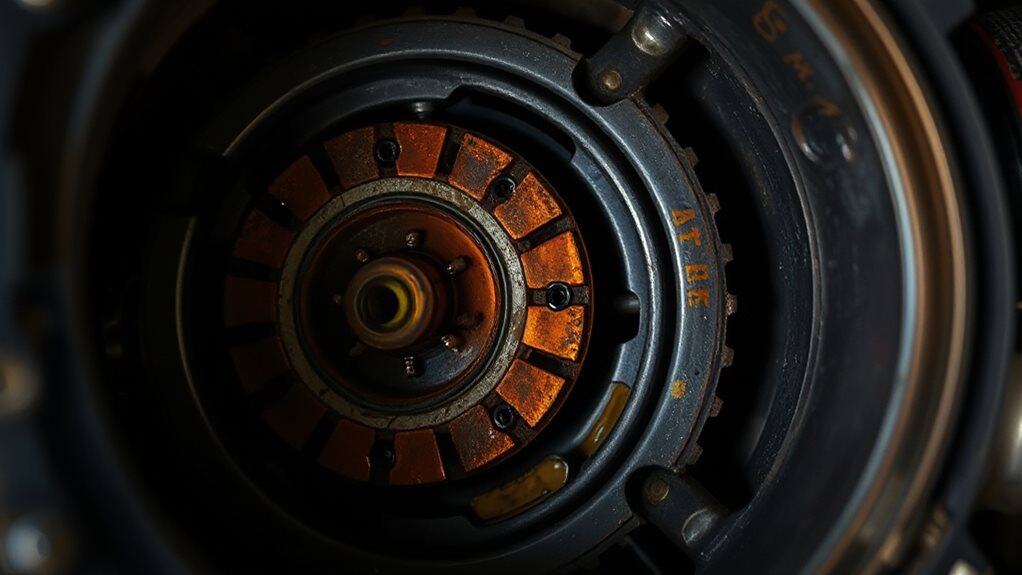
Worn clutches and bands start causing delayed shifts when the friction material on the clutch disc or the band lining thins enough that the engine’s torque can’t be fully transferred to the transmission at the usual pedal travel. You’ll notice grinding in lower gears, a high‑bite pedal, and sluggish acceleration.
As the material thins further, slipping spreads to all gears, causing jerking, vibration, and inconsistent engagement, which eventually leads to complete clutch‑pack failure if untreated. Persistent symptoms like white smoke with a gasoline smell can indicate related fuel system problems that demand immediate inspection.
What Signs Show Delayed Shifts From a Faulty Torque Converter?
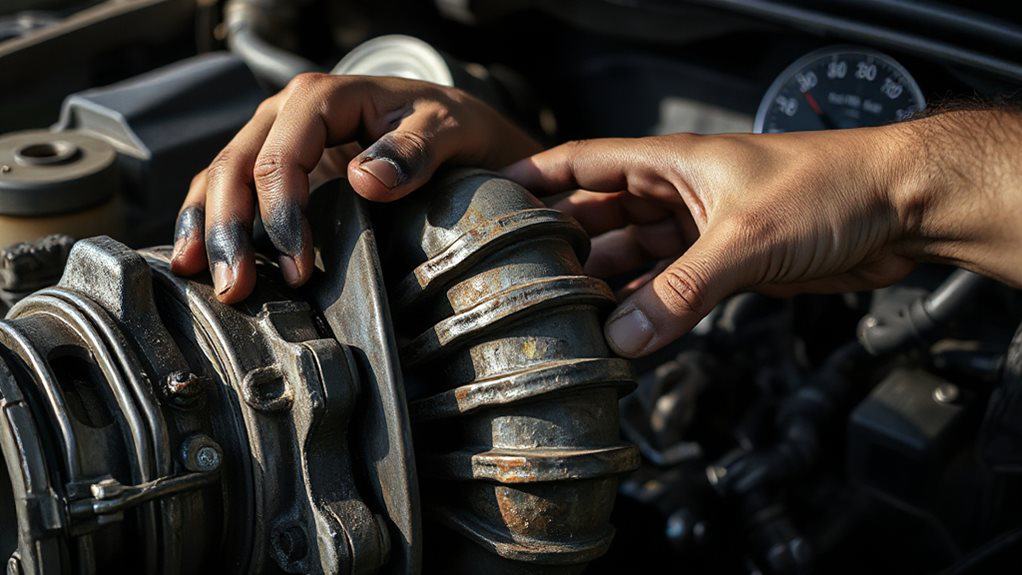
How can you tell if a torque converter is causing delayed shifts? You’ll notice engine revs climbing without a proportional speed increase, especially when you accelerate uphill. A shudder or vibration may appear around 30‑50 MPH, and the car may feel like it’s slipping gears without permission. Overheating fluid can produce a burning smell, and rough idling or stalling at low speeds often signals converter wear. Regular maintenance such as replacing a clogged cabin air filter can prevent related HVAC issues and help maintain overall vehicle performance, including proper airflow.
Which Sensor or TCM Glitches Cause Delayed Shifts?
You’ll notice that a faulty throttle position sensor can send incorrect opening data to the TCM, causing it to misjudge shift points and delay gear changes.
Likewise, a vehicle speed sensor error feeds wrong speed information, which the TCM uses to time shift solenoid activation, resulting in hesitation.
Checking diagnostic codes and verifying these sensor readings are the first steps to pinpointing the glitch.
High-mileage engines can benefit from switching to synthetic oil to improve engine protection and reduce sludge buildup during repairs.
Throttle Position Sensor Fault
Detecting a throttle position sensor (TPS) fault is essential when delayed shifts appear, because the TPS feeds real‑time throttle angle data to the engine control module (ECM) and, indirectly, to the transmission control module (TCM).
A jittery TPS signal misleads the ECM about engine load, prompting the TCM to mistime shift pressure. You’ll notice hesitation, high revs before gear changes, and codes P0120‑P0124.
Resetting the battery, removing the ECM fuse, or replacing the TPS restores proper communication.
Vehicle Speed Sensor Error
When the throttle position sensor is functioning properly, the transmission still relies on accurate vehicle‑speed data to decide when to shift, and a fault in any of the speed‑sensor circuits can throw the timing off. The input shaft speed (ISS) sensor and output shaft speed (OSS) sensor feed the PCM/TCM; misalignment or electrical failure gives wrong RPM values, causing the control module to delay gear changes.
A broken VSS or TCM glitch mimics these errors, triggering check‑engine lights and harsh shifting. Diagnostics must isolate sensor versus TCM faults.
How Does Temperature Affect Transmission Fluid and Delayed Shifts?

How does temperature influence the behavior of transmission fluid and, consequently, shift timing? Cold thickens fluid, raising viscosity, slowing hydraulic flow, and making synchronizers sluggish, so shifts feel hesitant.
Heat thins fluid, reducing lubrication and allowing metal expansion, which raises internal pressure and can cause sticky deposits.
Synthetic fluids resist these changes; staying within 175‑225 °F and regular fluid changes keep shifts timely.
If electrical control issues arise that affect shifting, performing a control panel reset can sometimes restore proper electronic shift timing.
Wrapping Up
By checking fluid levels, inspecting shift solenoids, and examining clutches, bands, and the torque converter, you can pinpoint why shifts lag. Temperature‑related fluid thickening and sensor or TCM glitches also contribute, so monitor temperature sensors and diagnostic codes. Regular maintenance—fluid replacement, seal checks, and timely part replacement—prevents most delayed‑shift issues and keeps the transmission operating smoothly.