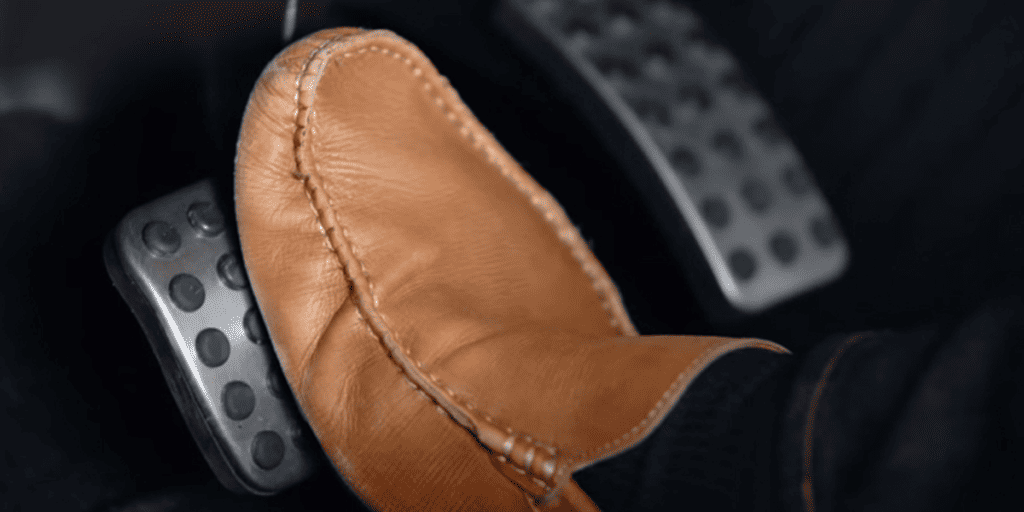
When it’s cold, your brakes often squeal because moisture condenses on the rotors overnight, forming rust that causes high-frequency vibrations during initial stops. Cold temperatures also harden brake pads, reducing their ability to conform smoothly to rotor surfaces and increasing vibrations. Surface rust and system issues like faulty sensors can exacerbate noise. Different brake pad materials respond uniquely; for instance, semi-metallic pads tend to squeal more in cold weather. Continuing will uncover effective ways to prevent or reduce this common problem.
Quick Tips
- Cold temperatures cause brake pads to harden, increasing vibrations and noise during braking.
- Moisture condenses on rotors overnight, forming rust that causes squealing when brakes are first applied.
- Surface rust on rotors is more persistent in cold weather, prolonging squeal until worn away.
- Certain brake pad materials, like semi-metallic or organic, are more prone to squeal in low temperatures.
- Glazed brake pads from light braking in cold conditions can produce high-frequency squealing.
Why Do Brakes Squeal in Cold Weather?
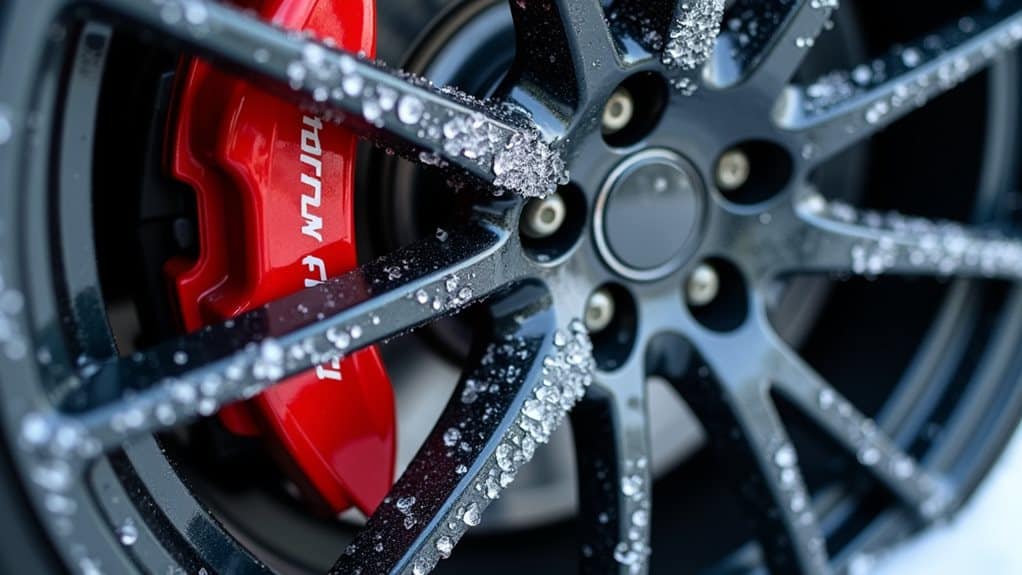
When temperatures drop, your brakes may start to squeal more often. Understanding why requires examining how cold weather affects brake components.
Cold weather causes brake pads to harden, increasing vibrations and noise, leading to brake squeal.
Moisture condenses on rotors overnight, creating surface rust that causes squealing until brakes warm up and remove the rust layer.
Scrap yards often accept old rotors for recycling, so consider proper recycling to dispose of rotors that are damaged beyond reuse.
How Moisture and Rust Cause Noisy Brakes During Winter
Moisture from dew, rain, or snow often condenses on brake rotors overnight, forming a thin layer of rust that can cause squealing when you first apply the brakes in cold weather.
This surface rust creates uneven brake rotors, leading to brake squeal and noise until the rust is worn away through braking.
Cold weather slows rust removal, prolonging the noise.
Sometimes the squeal can indicate related system issues like a powertrain or electronic control fault that affects braking performance, so inspect sensors and wiring for faulty sensors.
Does Brake Pad Material Make a Difference in Cold Squealing?
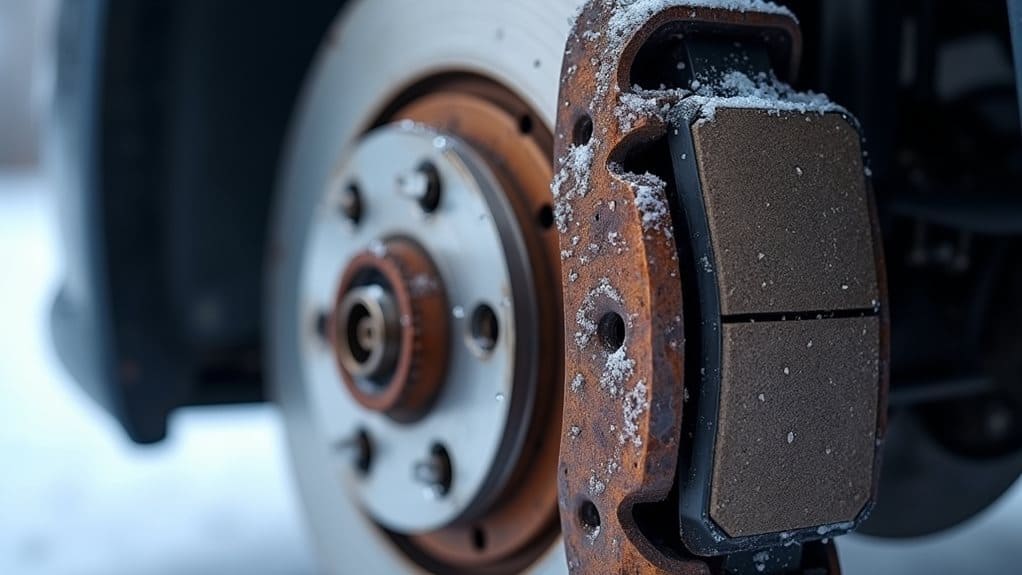
The type of brake pad material you use can significantly influence whether your brakes squeal when it’s cold.
Some materials, like semi-metallic pads and high-metal-content brake pads, are more prone to cold squealing because their metal components contract and become less compliant during temperature changes.
Organic brake pads tend to harden in cold weather, increasing vibrations and noise until they warm up.
New ceramic pads often produce less noise and less dust than other compounds, reducing cold-weather squeal in many cases.
Can Glazing From Gentle Braking Cause Squeals in Cold Weather?
Gentle braking in cold weather can cause brake pads to develop a glazed surface, which is a smooth, glass-like layer resulting from slight overheating.
This glaze reduces the friction between the pads and rotors, leading to high-frequency vibrations that produce squealing sounds.
Understanding how glazing forms from light braking can help you identify whether it’s the cause of your cold-weather squeals and guide you in restoring brake performance.
For longer-lasting protection against rust on braking components, consider using chassis saver treatments as part of regular maintenance.
Effects of Light Braking
Light braking in cold weather can lead to a glazed surface on your brake pads, causing brake squeal. This glazing results from repeated gentle stops that harden the friction material without burning off the glaze.
The smooth, hardened surface reduces friction, produces high-frequency vibrations, and increases brake noise during light braking, especially in colder conditions.
Restoring Brake Efficiency
When brake pads become glazed from repeated gentle braking, especially in cold weather, their smooth, glass-like surface can considerably reduce braking efficiency and cause squealing noises.
To restore brake performance, you should perform brake bedding by applying firm stops, which helps break the glaze, roughen the brake surface, and improve friction.
Proper bedding reduces brake noise and enhances brake efficiency.
How Shims, Lubrication, and Rust Affect Winter Brake Noise
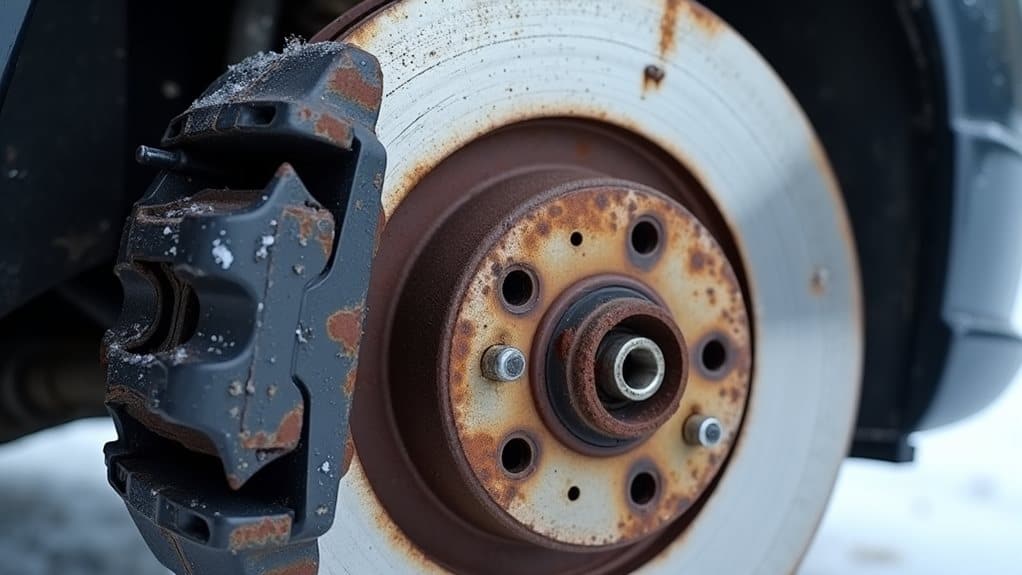
During cold weather, brake shims, lubrication, and rust play significant roles in causing squealing noises. Cold temperatures harden or wash away lubrication, increasing metal-to-metal contact and vibration in brake hardware.
Rust buildup on caliper components and shims creates vibrations. Cracked rubber boots allow moisture ingress, promoting rust and further vibration-related brake noise. Temporary metal particle additives have been marketed to reduce wear in worn components, but their effectiveness is debated and may only provide short-term relief.
When Is Cold-Weather Brake Squeal a Sign You Need Service?
If your brakes continue to squeal after several stops in cold weather, or if you notice grinding sounds or vibrations, it may be a sign of a mechanical issue or worn components that need professional inspection.
Decreased brake responsiveness, such as longer stopping distances or a spongy pedal feel, can also indicate problems beyond normal winter conditions.
Persistent noise or unusual sensations despite warming up suggest that your brake system requires servicing to guarantee safety and proper function.
Contaminants like oily residue from products such as WD-40 can reduce friction and worsen braking performance, so contaminated components should be cleaned or replaced promptly.
Persistent Squealing After Stops
Persistent squealing after stops in cold weather often signals that your brakes need service. This noise may result from surface rust or glazed brake pads, which reduce braking performance.
If brake squealing continues beyond initial stops, it could mean worn brake pads reaching the wear indicators or issues like contaminated pads or caliper problems. These situations require professional inspection.
Grinding or Vibration Sounds
Cold weather can markedly impact your vehicle’s braking system, especially when you notice grinding or vibration sounds while braking. These brake noises often indicate worn brake pads with metal-on-metal contact or uneven surfaces.
Cold temperatures cause components to contract, worsening brake vibration. Persistent noises suggest rotor damage or deeper issues, requiring professional inspection to prevent further damage.
Decreased Brake Responsiveness
Decreased brake responsiveness in cold weather often signals that your braking system is experiencing problems beyond just noise. Cold weather can cause brake pads to stiffen or glaze, reducing pad thickness and causing brake squeal.
Rust buildup or damaged brake hardware may also contribute, leading to less effective braking. A professional inspection guarantees safety and proper function.
How to Prevent or Reduce Brake Squeal in Winter
To prevent or reduce brake squeal during winter, it’s important to take proactive maintenance steps that address the specific challenges posed by cold weather.
Gently applying brakes for the first mile warms up brake pads and rotors, reducing squealing caused by surface rust and moisture.
Regular cleaning and high-quality lubricants help minimize vibrations and metal contact, improving overall brake system performance.
Wrapping up
In cold weather, brake squeal is often caused by moisture, rust, or glazing on the brake pads, which alter friction and generate noise. Proper maintenance, such as cleaning components, applying lubricant to shims, and replacing worn pads with suitable materials, can reduce squealing. Regular inspections and addressing rust early help prevent persistent noise. Understanding these factors guarantees your brakes function effectively, maintaining safety and minimizing unnecessary noise during winter conditions.