Your Silverado shutting off while driving and not restarting usually points to a power loss in the electrical system. A failing alternator can’t keep the battery charged, leading to sudden shutdowns. Loose battery cables, corroded connections, or a bad ground disrupt voltage flow. Damaged wiring or a worn bulkhead connector may cut critical signals to the engine. Faulty sensors or control modules can also interrupt operation. Check the battery, alternator output, and all connections—especially at key junctions. You’ll want to investigate the most common failure points next.
Quick Tips
- A failing alternator can cause the engine to shut off while driving and prevent restarts due to insufficient battery charging.
- Faulty crankshaft position sensors may cut ignition timing, especially when hot, leading to sudden shutdowns and no-start conditions.
- Loose or corroded battery connections can interrupt power, causing the truck to die and fail to restart.
- A defective ignition switch or starter relay may disrupt cranking and engine startup after an in-drive shutdown.
- Scanned trouble codes and fuel pump operation checks are essential to identify underlying electrical or fuel delivery issues.
Why Your Silverado Shuts Off While Driving

While driving your Silverado, an unexpected shutdown can happen for several technical reasons, each tied to a specific component failure.
A faulty crankshaft position sensor may cut ignition timing, especially when hot. Worn ignition switch contacts can kill power mid-turn. Chafed wiring or loose connectors drop voltage suddenly. Fuel pump relay failure or vapor lock starves the engine. Even ECM glitches can force a shutdown. Some users have reported the truck shutting off while driving at low speeds, with the message to press the start button again, and restarting successfully—this issue has been observed in 2024 LT Trail Boss 6.2 models. A related common cause is a failing fuel pump which can lead to loss of fuel pressure and engine shutdown.
Bad Alternator? How Charging Failure Kills Engine Power
If your Silverado shuts off while driving and won’t restart, a bad alternator could be the culprit—failing to recharge the battery or supply steady power to critical systems.
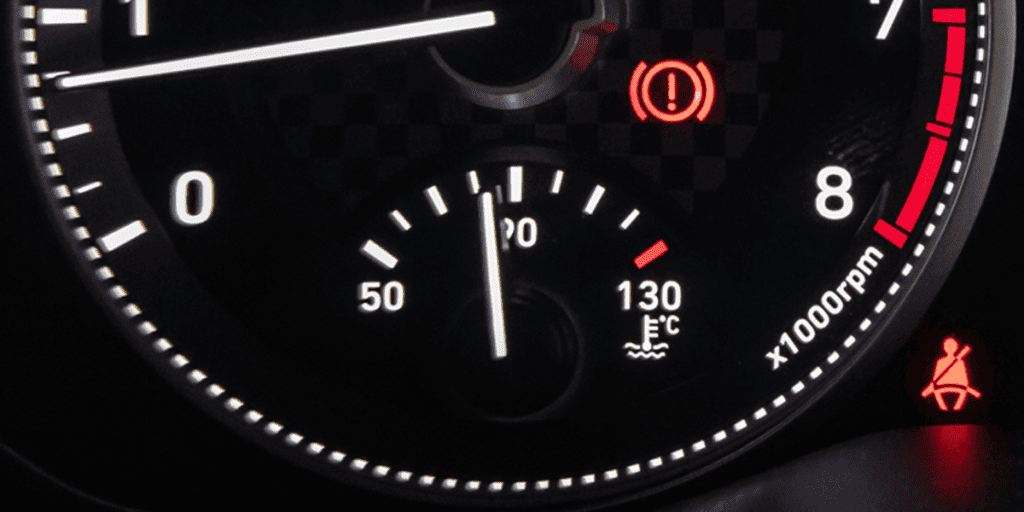
Watch for dimming headlights, a battery warning light, or strange smells, since these often signal alternator trouble before total failure.
To confirm, check the charging system voltage: a healthy alternator maintains 14–18 volts at idle, while anything below 12 volts means it’s not keeping up.
Multiple warning lights appearing together on your Nissan Altima signals a serious alternator problem that could leave you stranded within minutes.
Dead Battery Symptoms
Often, the first sign of a failing battery or charging system shows up when your Chevy Silverado struggles to start.
You might hear slow cranking, a click, or nothing at all.
Dim lights, weak accessories, or a swollen battery case confirm trouble.
A sulfur smell or low fluid level means immediate replacement is needed.
These symptoms point to a dead or dying battery.
Alternator Failure Signs
Your Chevy Silverado relies on a steady supply of electricity not just to start, but to keep running—and when the alternator fails, that power supply collapses.
You’ll notice dimming headlights, flickering dash lights, or slow power windows.
Warning lights may flash, and you might hear whining or grinding from the engine bay.
A burning smell or smoke signals severe overheating.
Eventually, the engine stalls and won’t restart.
Charging System Check
Start by testing the charging system voltage to pinpoint whether the alternator is supplying proper power. With the engine running, check for 13.5V–14.5V at the battery.
If voltage is low, inspect the battery current sensor—commonly faulty in 2007–2013 Silverados—clean terminals, test fuses, and examine wiring for damage to confirm the root cause.
Loose Cables and Bad Grounds That Cause Shutdowns
When your Chevy Silverado suddenly powers down while driving or refuses to start, don’t overlook the basics—loose battery cables or poor ground connections might be to blame.
You can check for wiggling terminals, corrosion, or damaged insulation. Tighten clamps securely, and consider adding a secondary ground wire from the battery’s negative terminal to the chassis. This reinforces electrical flow, prevents unexpected shutdowns, and guarantees reliable starting by maintaining steady power to critical systems. Regularly inspecting battery terminals and checking battery voltage with a multimeter can help prevent these issues and catch failing components early battery voltage.
Wiring Fault That Triggers Random Silverado Shutdowns

A faulty wiring loom or degraded circuit can silently undermine your Silverado’s performance, leading to sudden shutdowns without warning.
You might notice flickering dashboard lights, power steering failure during turns, or intermittent electrical issues.
These often stem from corroded ground connections, high-resistance battery cables, or voltage instability.
Inspect all grounds, test cable resistance, and verify secure connections to restore reliable operation.
Also, check related systems like the traction control and wheel speed sensors for faults that can cause power reduction and shutdowns, especially if you see warning lights for wheel speed sensors.
Failing Bulkhead Connector? It Might Be the Culprit
You mightn’t realize it, but a failing bulkhead connector could be why your Silverado shuts off while driving or won’t start.
Loose pin connections inside the connector can break electrical contact under vibration, cutting power to critical systems like the ignition or fuel pump.
Over time, the wiring plug’s plastic housing can wear out, letting terminals shift and lose their tight grip, which worsens the connection problem.
Corroded wiring and poor grounds can also interrupt communication on the vehicle’s CAN bus, causing limp mode or complete shutdowns.
Loose Pin Connection
Don’t overlook a flickering gauge or an unexpected shutdown—they might point to a loose pin connection in your Silverado’s bulkhead connector, a common yet often hidden issue in older trucks.
Vibration loosens pins over time, creating resistance that generates heat and voltage drops. You’ll see discolored, brittle wires or corrosion. Wiggling connectors can reveal instability. Check for power loss at rear lamps, and test voltage across pins. Clean corroded surfaces, pinch loose terminals for tighter fit, or replace damaged wiring looms entirely.
Worn Harness Plug
Inspect the bulkhead connector where the engine wiring loom meets the cab wiring, because a worn harness plug could be why your Silverado shuts down without warning.
Over time, corrosion, heat damage, and brittle wires degrade the plug’s contacts.
You’ll notice flickering gauges or dead accessories, yet instrument lights may stay on.
Check for discolored pins, test for voltage drops, and inspect terminal tightness to confirm.
First 5 Things to Check When Your Truck Dies on the Road

When your Chevy Silverado suddenly shuts off while driving and won’t restart, it helps to start with the most common electrical and mechanical culprits before calling for a tow.
First, check battery voltage—low readings mean a weak or dead battery. Inspect terminals for corrosion or looseness. Test alternator output to make certain charging.
Examine fuel pressure and listen for the fuel pump. Finally, scan for trouble codes that may reveal sensor or ECM issues. Also check the transmission fluid level and condition, since low or dirty fluid can cause related drivability problems and may trigger limp mode that affects starting and shifting.
Drivers Report: When Restarting Didn’t Fix the Problem
Even if you manage to restart your Silverado after a sudden shutdown, the problem mightn’t be resolved—many drivers report the engine dying again shortly after, sometimes without warning.
A weak battery or corroded negative cable often causes this. Low voltage, around 6–7 volts, prevents sustained operation.
Even with dashboard lights on and a clicking sound, the starter may fail. Replace the battery and inspect the ground cable before assuming alternator or starter failure.
Diagnose No-Crank After Engine Shuts Off

If your Silverado shuts off while driving and won’t crank when you try to restart it, the issue likely stems from one of several key electrical components—don’t jump to determinations yet.
Check the starter solenoid for burn spots, test battery connections and fuse 11, verify ignition switch signals, inspect the starter relay command, and assess the BCM for faulty crank signal release—all could silently block engine start.
How to Prevent Random Shutdowns in Silverado & Trail Boss
A sudden engine shutdown while driving your Silverado or Trail Boss isn’t just alarming—it’s often preventable with the right maintenance habits.
Inspect bulkhead connectors, battery terminals, and wheel well wiring regularly. Replace aging batteries and degraded wiring sections. Keep software updated, avoid electrical overloads at startup, and maintain proper alternator output. Clean connections, verify sensor alignment, and follow relearn procedures after repairs to make certain reliable operation.
Wrapping Up
If your Silverado shuts off while driving and won’t restart, check the alternator, battery cables, and ground connections first. A failing bulkhead connector or damaged wiring can also cut power suddenly. Always inspect for loose connections or corroded terminals. Use a multimeter to test voltage and charging output. Addressing these issues promptly helps prevent future shutdowns and keeps your truck running safely on the road.