Your Silverado’s sudden shutdown typically traces to a failing alternator that cuts electrical power completely, corroded ground connections—especially the G218 terminal—that interrupt circuit flow, or a weak fuel pump that starves the engine mid-drive. You’ll often see dimming headlights, voltage readings below 12 volts, or dashboard warning lights just before failure. Check battery cable corrosion, test the charging system with a multimeter, and inspect the crankshaft position sensor for fault codes. The following sections break down each failure point with diagnostic steps and proven repair solutions.
Quick Tips
- Alternator failure prevents battery charging, causing complete power loss, dim lights, and engine shutdown while driving with no restart.
- Faulty ground connections, especially G218, and corroded battery cables create voltage drops that trigger sudden shutdowns and no-start conditions.
- Ignition switch contact failure causes intermittent stalling, flickering lights, and complete no-start situations that mimic starter problems.
- Crankshaft or camshaft position sensor failure disrupts ignition timing, resulting in sudden engine shutdown and inability to restart.
- Torque converter lock-up clutch engaging at low RPM creates excessive engine load, forcing stalls at stops with difficult restart.
Common Electrical System Failures That Cause Sudden Shutdowns

When your Chevy Silverado suddenly loses power while driving, electrical system failures are often the primary culprits behind this dangerous malfunction.
Alternator malfunctions prevent proper battery charging, causing complete power loss. A failing alternator can also lead to insufficient power reaching the spark plugs, which may cause engine misfires. Corroded battery terminals create intermittent connections that interrupt electrical flow. Blown fuses disable critical systems, while damaged wiring in the fuse block assembly—particularly common in 1995-2006 models—creates hidden failures that require thorough inspection.
A malfunctioning ECU can disrupt fuel injection and ignition timing, leading to sudden engine shutdown and difficulty restarting your vehicle.
Ground Connection Problems in 2014-2018 Models
Among the most frustrating electrical problems affecting 2014-2018 Chevrolet Silverado models, faulty ground connections stand out as a leading cause of sudden shutdowns and no-start conditions.
G218, a critical ground point for your Body Control Module and ignition system, commonly fails due to loose nuts, corrosion, or trapped insulation mats between the eyelet and body.
Additional grounding issues at the battery, starter solenoid, and engine bay create intermittent failures and diagnostic codes. Regular maintenance checks on ground connections can help prevent these issues before they lead to significant problems.
Battery Cable Issues and Voltage Drop Signs

While ground connection failures represent a significant portion of electrical shutdown problems, battery cable degradation creates equally disruptive voltage supply issues that can strand your Silverado without warning.
Corroded terminals increase resistance, causing voltage drops below 12 volts during operation. You’ll notice dimming lights when activating electrical loads, fluctuating charging gauge readings, and eventual engine stalling. Proper wire gauge selection is crucial to prevent overheating and electrical failure, ensuring that your vehicle’s starter receives adequate power.
Frayed cables interrupt current flow to critical components like your fuel pump and ignition system. Use a multimeter while accessories run to measure actual charging voltage, as dashboard gauges often provide unreliable readings during electrical faults.
Ignition Switch and Relay Malfunctions
Your Silverado’s ignition switch acts as the electrical gatekeeper between your battery and every critical system needed to start and run your engine.
When internal copper contacts fail, you’ll experience intermittent stalling, flickering dashboard lights, or complete no-start conditions.
The switch sits behind your lock cylinder under the steering column, controlling four positions: off, accessory, on, and start.
Test it using a multimeter to verify continuity across terminals. A malfunctioning ignition switch can sometimes mimic symptoms of starter motor problems, leading to confusion during diagnosis.
Fuel System Components That Trigger Engine Stalling

Electrical components aren’t the only culprits behind your Silverado’s shutdown problems—fuel system failures rank equally high on the list of stalling triggers.
Your fuel pump, fuel filter, and idle air control valve work together to maintain proper fuel delivery and air-fuel mixture. When contamination clogs filters or sediment blocks pump inlets, fuel starvation occurs, causing your engine to stumble, hesitate, or shut down completely while driving.
Critical Sensor Failures Leading to Power Loss
Your Silverado’s engine relies on several critical sensors to maintain proper operation, and when these fail, you’ll experience sudden power loss or complete shutdown while driving.
The crankshaft position sensor monitors engine rotation speed and piston location, the camshaft sensor tracks valve timing, and the mass airflow sensor measures incoming air volume—all feeding essential data to your powertrain control module (PCM) for fuel injection and ignition timing.
When any of these sensors malfunction or send incorrect readings, your PCM can’t properly manage engine functions, triggering limp mode, stalling, or preventing restart after shutdown.
Crankshaft Position Sensor Failure
One moment your Silverado runs smoothly down the highway, and the next it loses all power without warning—a scenario that often points to crankshaft position sensor failure.
This sensor provides critical timing data to your ECU for ignition and fuel injection.
When it fails, your engine can’t maintain proper combustion, causing sudden shutdowns, no-start conditions, misfires, and rough idling that appear intermittently as the sensor degrades.
Camshaft Sensor Malfunction Issues
Hidden beneath the engine cover, the camshaft position sensor monitors the precise rotation of your camshaft and relays this timing information to the engine control module, which then orchestrates the exact moment each spark plug fires and every fuel injector opens.
When this sensor fails, your Silverado’s ECM can’t synchronize ignition timing properly, causing sudden stalling, prolonged cranking, rough idle vibrations, and complete no-start conditions that leave you stranded.
Mass Airflow Sensor Problems
Frequently overlooked until it fails, the mass airflow sensor sits between your Silverado’s air filter box and intake manifold, quietly measuring every gram of air flowing into the engine so the Powertrain Control Module can calculate the perfect fuel-to-air ratio.
When contamination or electrical failure disrupts its readings, you’ll experience hesitation, rough idle, and potentially complete engine shutdown. Diagnostic codes P0101, P0102, or P0103 confirm MAF malfunction requiring replacement.
Transmission-Related Shutdown Scenarios
Your Silverado’s transmission system can trigger sudden shutdowns through several interconnected failure mechanisms that often provide warning signs before complete power loss occurs.
When internal transmission components deteriorate, you’ll typically notice slipping gears, harsh shifting, or shuddering during acceleration—symptoms that indicate metal debris is circulating through your drivetrain and causing progressive damage.
The torque converter, transmission control module, and gear engagement systems all work together to transfer engine power to your wheels, and when any of these components fail, your truck can lose power completely or refuse to restart even though the engine itself remains mechanically sound.
Transmission Failure Warning Signs
When a Chevy Silverado suddenly shuts off while driving, transmission-related failures often play a critical role in the vehicle’s complete loss of power. You’ll notice warning signs like rough shifting, gear slipping, and unusual clunking or grinding noises beforehand.
Burnt transmission fluid, visible leaks, and delayed engagement indicate deteriorating components. If your engine RPM rises without corresponding acceleration, or the vehicle shakes during gear changes, transmission failure is imminent and requires immediate attention.
Torque Converter Shutoff Issues
A malfunctioning torque converter creates one of the most perplexing shutdown scenarios in Chevy Silverados—the engine dies unexpectedly while driving, yet restarts without apparent difficulty moments later.
This happens when the converter’s lock-up clutch engages at inappropriate times, typically during deceleration or when stopping in traffic. The locked converter places excessive load on your engine at low RPM, forcing it to stall despite otherwise normal operation.
Transmission Control Module Problems
Beyond mechanical failures in the torque converter itself, the Transmission Control Module—your vehicle’s electronic brain for gear management—can trigger similar shutdown problems through electrical malfunction rather than physical component failure.
When your TCM fails, you’ll experience limp mode activation, erratic shifting, transmission overheating, and diagnostic trouble codes like P0700 or P0706. These faults can cause your Silverado to stall unexpectedly, leaving you stranded roadside.
Alternator Problems and Power Supply Interruptions
Your Chevy Silverado’s alternator serves as the heart of the electrical system, converting mechanical energy from the engine into electrical power that charges the battery and runs every electronic component in your vehicle.
When it fails, you’ll notice dim headlights, a dashboard battery light, voltage readings below 12 volts, and eventually complete engine shutdown.
Worn bearings, broken belts, or fluid contamination typically cause these failures.
Engine Control Module Defects and Diagnostic Steps

When your Chevy Silverado shuts off unexpectedly while driving, the Engine Control Module (ECM) might be the culprit, though it’s often one of the last components you should suspect.
This computer controls fuel injection timing and ignition, receiving continuous sensor input to adjust engine operation adaptively.
Start diagnosis by connecting an OBD-II scanner to retrieve fault codes, then systematically rule out simpler causes like faulty spark plugs, ignition coils, and fuel injectors before investigating the ECM itself.
Warning Signs Before Complete Shutdown Occurs
While diagnosing ECM problems requires methodical troubleshooting, recognizing the warning signs that precede a complete shutdown can help you address issues before you’re stranded on the roadside.
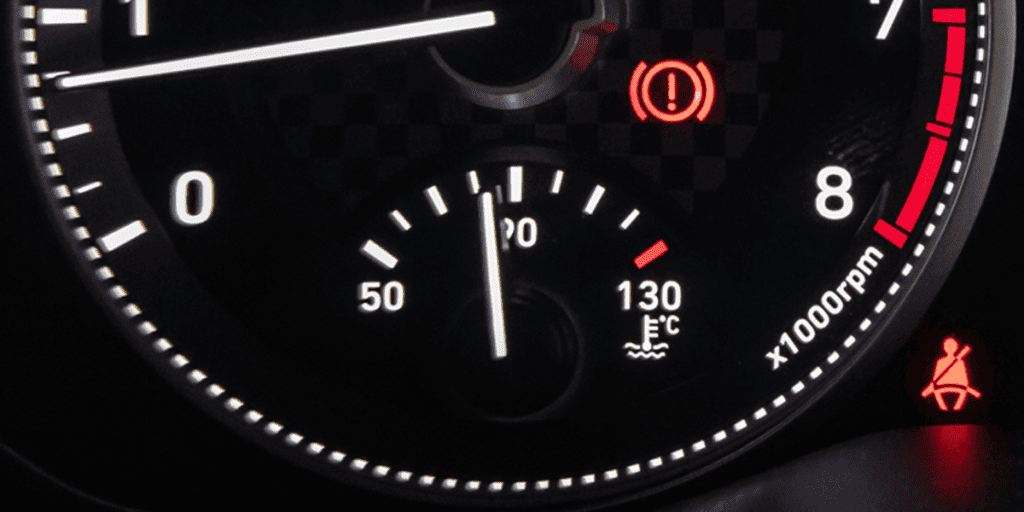
Watch for dashboard warning lights like the check engine light, oil pressure indicator, or battery alert. You’ll often notice engine stalling, RPM fluctuations, dimming lights, or unusual sounds like sputtering before your Silverado quits completely.
Proven Repair Solutions From Owner Experiences

Real-world Silverado owners have identified three repair approaches that consistently resolve unexpected shutdown problems: fixing corroded ground connections, replacing deteriorated battery cables, and swapping out malfunctioning sensors.
You’ll find that ground connection repairs address approximately 40% of no-start conditions, as loose or oxidized grounding points prevent your engine control module from receiving stable electrical reference voltage.
Battery cable upgrades and sensor replacements target the remaining common failure points, with particular success reported when owners replace crankshaft position sensors and mass airflow sensors that don’t trigger diagnostic trouble codes.
Ground Connection Repairs
After diagnosing ground connection failures through multimeter testing and visual inspection, you’ll need to address the physical repairs at specific failure points throughout your Silverado’s electrical system.
Focus primarily on the passenger side engine block connection, where ring terminals frequently corrode or break. Clean corroded terminals with a wire brush, removing oxidation down to bare metal. Replace damaged ring terminals using proper crimping tools, then apply dielectric grease to prevent future moisture intrusion and corrosion.
Battery Cable Upgrades
Beyond addressing corroded ground connections, battery cable upgrades represent one of the most effective long-term solutions for preventing unexpected shutdowns in Chevy Silverados.
Upgrading to larger gauge cables, like 2/0 gauge, reduces voltage drop and improves current flow to your engine. High-quality tinned copper cables with sealed terminals resist corrosion better than factory components.
These upgrades cost $300-$353 installed but markedly enhance starting reliability and eliminate power loss issues.
Sensor Replacement Success
Faulty sensors rank among the most common culprits behind Silverado shutdowns, and countless truck owners have resolved their issues by replacing specific sensors guided by diagnostic trouble codes.
Temperature sensors prevent stalling by informing the ECU correctly, while knock sensors address detonation-related shutdowns.
Fuel level sensors eliminate no-start conditions from misreported fuel status, and O2 sensors restore smooth operation.
Oil pressure sensors fix erratic gauge readings that trigger protective shutdowns.
Wrapping Up
When your Silverado shuts off unexpectedly, you’ll need to systematically check electrical connections, fuel delivery, and control modules. Start with battery cables and ground points, then test your alternator’s output voltage. If you’ve noticed warning signs like dimming lights or hesitation, don’t ignore them—they indicate failing components. Document symptoms carefully, as this helps mechanics diagnose intermittent problems. Address issues promptly to prevent being stranded, and always verify repairs with proper testing equipment.