
Avoid 2002‑2004 Trailblazers because they suffer chronic valve‑seat wear, transmission leaks, early‑failing AC blower resistors, faulty fuel‑level sensors, and pervasive electrical‑cluster flickering that raise repair costs and lower reliability. These models also exhibit rear‑light circuit corrosion, frequent turn‑signal unit failures, and multiple recall campaigns covering engine, suspension, and steering components. Expect higher maintenance expenses for variable‑valve‑timing solenoids, thermostats, and high‑pressure transmission lines. If you keep exploring, you’ll uncover more detailed fixes and cost‑saving tips.
Quick Tips
- 2002‑2004 models suffer frequent valve‑seat wear, transmission leaks, and early AC blower motor failures.
- Electrical clusters flicker, wiring faults and fuel‑level sensor rust issues cause emissions warnings across 2002‑2009.
- 2004 transmission overheating and slipping, plus engine misfires from faulty plugs or injectors, are common.
- Rear‑light circuitry corrosion and AC blower resistor overheating lead to recurring electrical failures.
- High‑mileage maintenance often requires variable‑valve‑timing solenoid, thermostat, transmission fluid, and high‑pressure line replacements.
2002‑2004 Trailblazers: Why Reliability Is Low
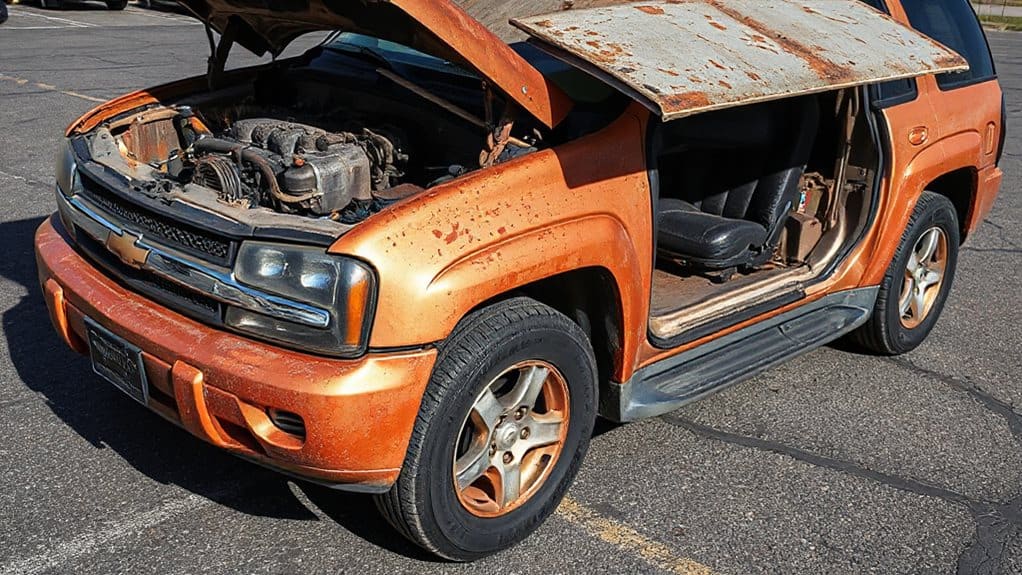
You’ll find the fuel‑level sensor fails often, giving wrong readings and demanding a partial tank drain for replacement, which means dropping the tank and costly shop visits.
The blower‑motor resistor also quits, leaving only high fan speed, while the fan clutch can overheat or squeal, requiring radiator shroud removal.
These issues compound, eroding overall dependability. Wheel bearing noise or vibration can also signal related front-end wear that further undermines reliability.
Faulty turn signal control units can trigger a large recall, affecting over 268,000 vehicles.
2003 Recalls & Complaints: The Nine Major Issues Explained
You’ll see nine distinct recalls that cover everything from faulty emergency jacks to brake‑system failures, and each recall falls into one of the main complaint categories such as engine fuel leaks, electrical‑structural defects, or suspension and steering problems.
Understanding how these issues affect ownership costs—like repair bills, reduced resale value, and potential downtime—helps you gauge the true expense of keeping a Trailblazer on the road.
Choose the right fiberglass dune buggy body for your terrain—whether a sand rail, trail, or beach model—to avoid unnecessary wear and maintenance on components that can compound existing vehicle reliability problems, especially for models prone to those recalls and defects like the Trailblazer’s suspension and steering.
Nine Recalls Overview
Ever wondered which model years of the Chevrolet Trailblazer tend to generate the most reliability concerns?
You’ll see three key recall clusters: 2010 brake‑system and steering faults, 2012 electrical‑system failures and suspension weaknesses, and 2015 engine misfire and transmission glitches.
Each recall mandates dealer‑performed repairs, often involving sensor replacements, wiring rewiring, or software updates, ensuring safety and performance standards are restored.
Top Complaint Categories
Which complaint categories dominate the Trailblazer’s reliability record? Mechanical failures—especially the 4L60E transmission and early‑generation engines—lead with costly repairs and low fuel efficiency.
Electrical issues involve fuel‑gauge, AC blower, and headlamp driver faults.
Structural concerns include harsh ride quality, body vibration, and excessive road noise.
Interior defects cover flimsy materials, weak controls, and door‑leak corrosion, while brake and safety shortcomings affect electric boost and headlight compliance.
Impact on Ownership Costs
The complaint categories outlined earlier translate directly into measurable ownership costs, especially when the three major recalls and the nine recurring issues are examined together.
You’ll face frequent transmission rebuilds or replacements costing over $1,000, costly instrument‑cluster and wiring module swaps, and regular engine head or valve‑seat repairs that exceed $1,000 annually.
HVAC, fuel‑sensor, and emissions fixes add labor and rental expenses, inflating insurance and towing fees.
2004 Transmission & Engine Troubles: What’s Wrong Under the Hood
You’ll notice the Trailblazer’s transmission slipping and overheating when the fluid can’t dissipate heat, which leads to delayed shifts and gear‑slipping under load.
At the same time, the engine may misfire or stall because faulty spark plugs, fuel injectors, or sensor glitches disrupt combustion, causing a loss of power and rough idle.
Understanding these symptoms helps you pinpoint whether the problem stems from the drivetrain’s cooling and lubrication system or the engine’s ignition and fuel delivery components.
Allowing the engine to warm up properly before driving can help prevent delayed shifting and temperature-related transmission issues.
Transmission Slippage and Overheating
Why does your Trailblazer’s CVT feel like it’s slipping or overheating under load? The DTC‑P2714 code signals a stuck clutch regulator valve in the valve body, dropping pressure in the primary and secondary pulleys and causing forward‑gear loss.
Burned clutch material contaminates fluid, damaging the three‑four clutch pack and seals. Check fluid temperature, pressure, and replace the valve body if the code persists.
Engine Misfires and Stalling
Ever wonder why your Trailblazer hesitates, shakes, or dies right at idle? Worn or fouled spark plugs, often carbon‑covered, fail to ignite the fuel‑air mix, causing misfires that worsen at idle.
Faulty ignition coils and clogged fuel injectors also starve cylinders of proper spark or fuel, producing rough RPMs and stalling.
Clean the throttle body, replace AC Delco plugs, and check seals to restore reliable combustion.
Why the AC Blower Resistor Keeps Failing on 2002‑2009 Trailblazers
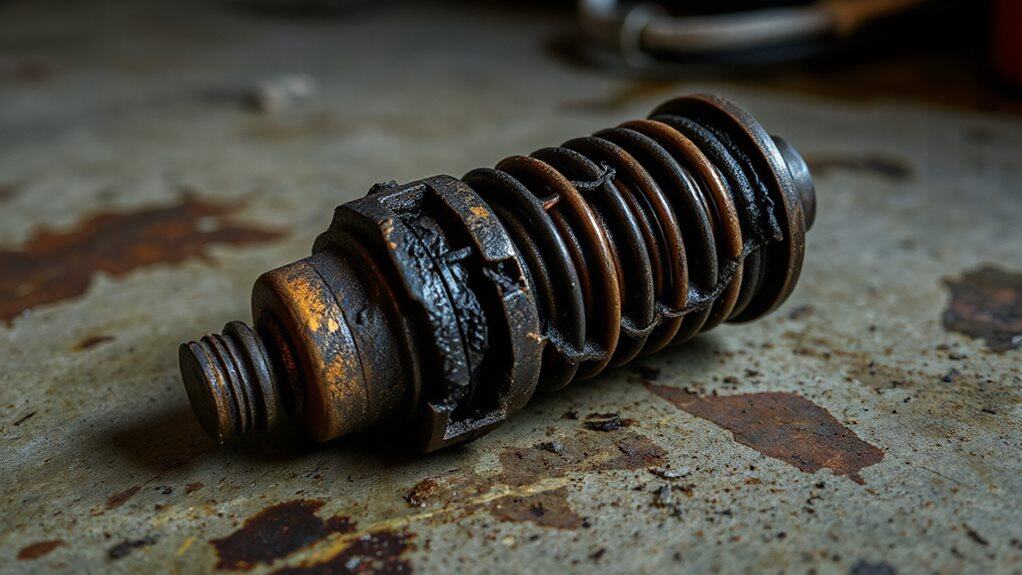
How does a resistor that merely controls fan speed end up burning out in a 2002‑2009 Trailblazer? Heat builds as the resistor throttles the blower motor, and repeated current spikes cause the copper coils to overheat. Corrosion forms a white residue, increasing resistance and prompting the motor to draw excess current. Cheap or used parts fail faster, so replacing the resistor with a genuine OEM unit and checking fuses prevents recurrent loss. Roller cams often show polished, rounded lobes that indicate roller design and different heat dissipation characteristics which can affect nearby components.
Fuel‑Level Sensor & Rear‑Light Failures on 2002‑2004 Models: Symptoms, Costs & Fixes
You’ll notice the fuel‑level sensor sending erratic readings, sometimes flashing “full” then “empty” within seconds, while the rear‑light circuit may flicker or stay dark without a clear trigger. These symptoms often stem from a failing sending unit or a faulty stepper motor inside the instrument cluster, and the rear‑light issue can be traced to corroded wiring or a burned‑out relay that’s hard to spot. Replacing the sensor (about $300) or repairing the cluster’s motor is usually cheaper than swapping the entire fuel pump, and a simple visual inspection of the rear‑light harness can save you a costly full‑system replacement.
Sensor‑Level Sensor Malfunctions
Why do the fuel gauge and rear lights act up on 2002‑2004 Chevy Trailblazers? The fuel‑level sensor often fails inside the tank, sending erratic voltage to the instrument cluster, causing the needle to bounce and the low‑fuel light to flash even when the tank is full. Corroded connectors and a defective gauge motor can also disrupt signals. Diagnose with a scan tool or multimeter, then replace the sending unit (≈$300) or repair the cluster. Electrical. are color‑coded; assure a firm click when reseating.
Rear‑Light Failure Indicators
What typically triggers rear‑light failure on 2002‑2004 Chevy Trailblazers is a combination of moisture‑related corrosion and poor grounding, which together disrupt the electrical pathways that power the tail, brake, and license‑plate lights. You’ll see dim flashing hazards, flickering plate lights, or a dead tail light while the brake light stays on. The fix often means replacing the $15 circuit board, reseating ground terminals with zip‑ties, or splicing corroded wiring. Test fuses, replace a faulty brake‑light switch, and ensure connectors are clean and secure.
2006 Model Red Flags: Critical Issues That Push Buyers to Newer Trims
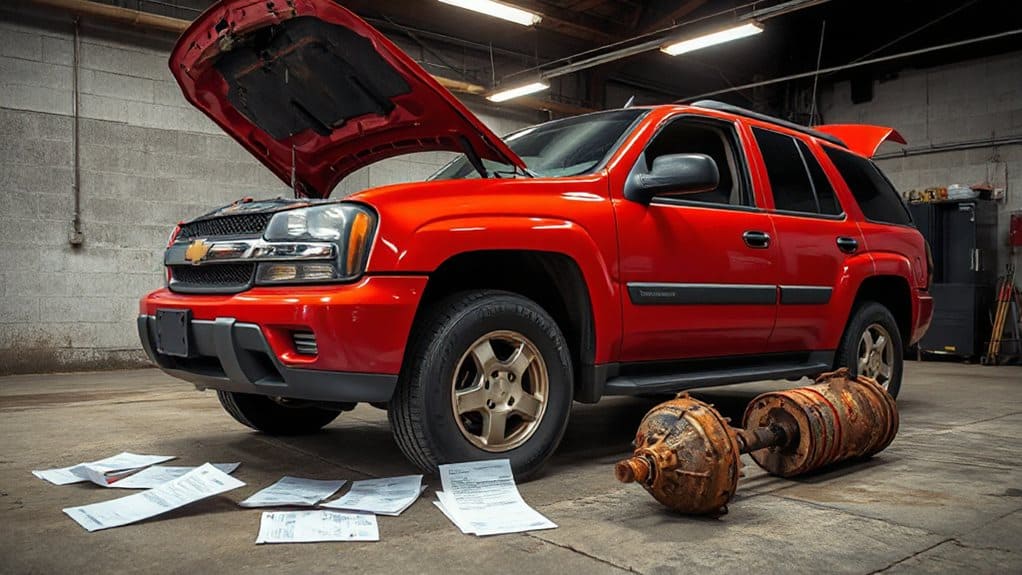
How do the six red‑flags in the Chevy Trailblazer’s problematic years affect your buying decision? Engine failures from valve‑seat wear and cylinder‑head cracks dominate 2002‑2007, scoring 1‑2/10 on reliability.
Transmission fluid leaks, harsh shifts, and premature wear plague 2002‑2004 and 2006.
Electrical clusters flicker, power loss occurs, and wiring faults appear 2002‑2009.
AC blower motors and resistors fail early, while fuel‑level sensors and rust‑prone filler necks cause emissions warnings across the same span.
Total Cost of Ownership & Maintenance Tips to Boost Trailblazer Reliability Past 200,000 Miles
Ever wondered how the total cost of ownership shifts once your Chevy Trailblazer passes the 200,000‑mile mark? After that point, budget for variable‑valve‑timing solenoid replacement, thermostat install, and suspension/steering updates. Keep transmission fluid fresh, replace high‑pressure lines, and follow GM’s fuel‑pump sending‑unit policy if eligible. Proper care can extend life to 250‑300 k miles, reducing unexpected repairs. The same attention to power distribution and relay verification, like checking the Power Distribution Center and IPM relays under the hood, helps prevent electrical‑related failures that can increase long‑term ownership costs.
2005‑2009 Trailblazer Improvements and Their Reliability Impact
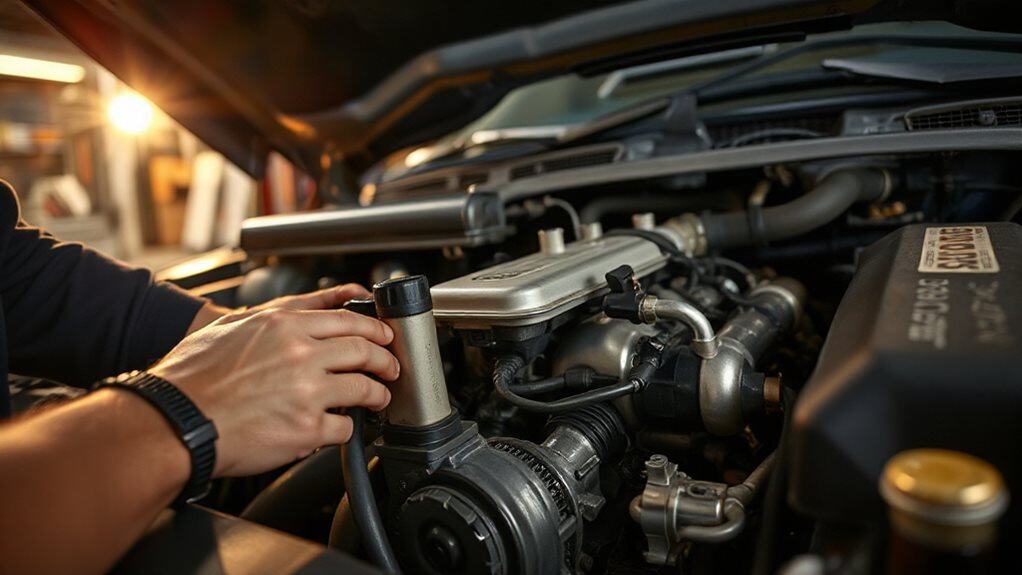
The 2005‑2009 Chevy Trailblazer introduced several mechanical and safety upgrades that directly affect long‑term reliability, building on the maintenance considerations discussed earlier. You’ll notice a 4.2L inline‑6 with 285 hp, optional 6.0L V8 delivering 390 hp, and full‑time AWD on SS models, plus enhanced suspension, 17‑inch alloy wheels, and side‑curtain airbags. RepairPal rates it 4.5/5, and many owners exceed 100 k mi with low upkeep. Quick battery and electrical checks — including inspecting fuses, testing the actuator, and examining the left‑hinge wiring loom for breaks — can prevent trunk‑related issues that otherwise complicate maintenance, especially on older models with aging wiring and components like the trunk actuator battery voltage.
First‑Gen vs. Second‑Gen Trailblazers: JD Power Scores & Real‑World Costs
Why compare the first‑generation (2007‑2009) and second‑generation (2021‑2025) Chevy Trailblazers?
The first‑gen averaged an 81 JD Power rating, while the second‑gen posted 84 and landed in the Top 3 Small SUVs for 2023‑2024.
Real‑world costs show first‑gen annual maintenance around $500‑$900, with resale values near $3,000.
Second‑gen owners report lower repair expenses, longer mileage potential, and higher resale, reflecting the higher JD Power score.
Buying a Used Trailblazer: What to Inspect & Avoid in the Bad Years
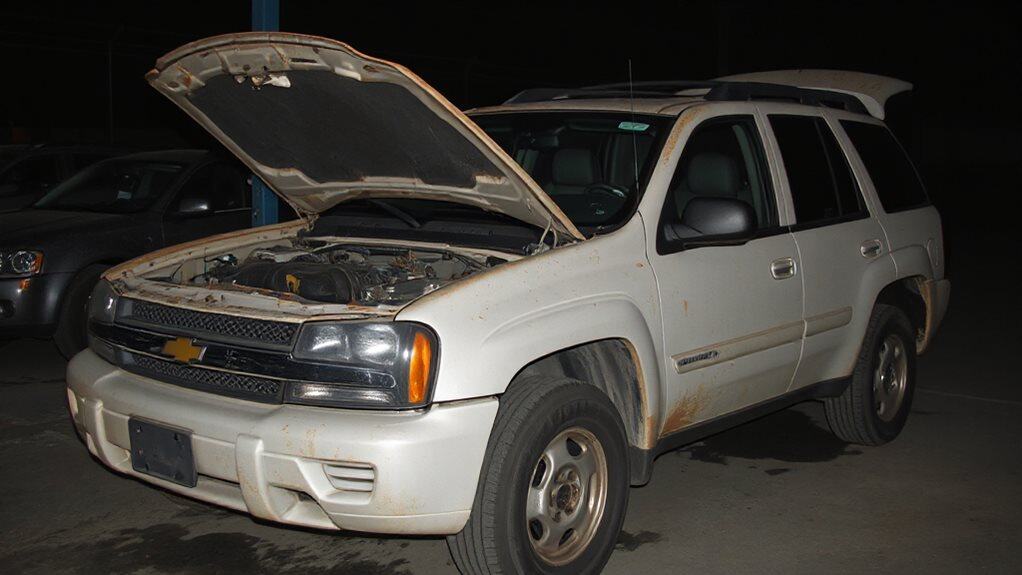
Which model years should you steer clear of when hunting for a used Chevy Trailblazer? Avoid 2002‑2004 and 2006; they suffer valve‑seat wear, transmission leaks, and HVAC failures.
Inspect cylinder heads, test gear shifts, verify fuel‑gauge accuracy, and check AC blower, fan clutch, and rear lights.
Look for worn valve seats, slipping gears, erratic sensors, and any corrosion‑induced wiring damage.
Wrapping Up
You’ve learned that 2002‑2004 Trailblazers suffer from frequent recalls, faulty AC blower resistors, and problematic fuel‑level sensors and rear lights, which drive up repair costs and lower reliability scores. The 2005‑2009 models address many of these flaws, offering better transmission and engine durability. When shopping used, focus on service records, inspect the listed weak points, and prioritize later‑year units to minimize ownership expenses and extend vehicle life beyond 200,000 miles.


