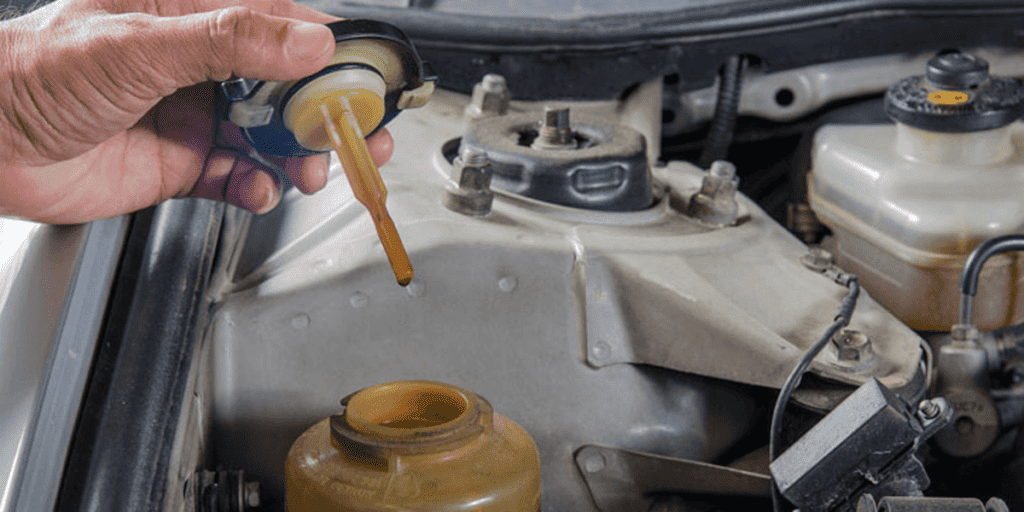
Yes, Engine Restore can work if your engine has mild to moderate wear. It uses microscopic metal particles suspended in oil to fill in worn cylinder grooves, helping restore compression, reduce friction, and seal leaks. You’ll likely see smoother idling, less smoke, and better fuel economy within days. It won’t fix broken parts, but for aging engines showing wear signs, it offers measurable benefits—especially when combined with proper maintenance. Real results depend on your engine’s condition, and there’s more to know about how and when it works best.
Quick Tips
- Engine Restore uses metallic nanoparticles to fill microscopic wear in engine components, potentially restoring compression in worn engines.
- Independent tests and user reports show measurable gains in compression, fuel economy, and horsepower, especially in high-mileage engines.
- It is not effective for severely damaged or catastrophically worn engines and does not replace mechanical repairs.
- Benefits include reduced friction, lower soot levels, and smoother operation, with recommended use every 40,000 miles for maintenance.
- Safe for most engines when used as directed, but avoid in PowerStroke diesels and Subarus with sensitive VVT systems.
What Is Engine Restore and How Does It Claim to Work?
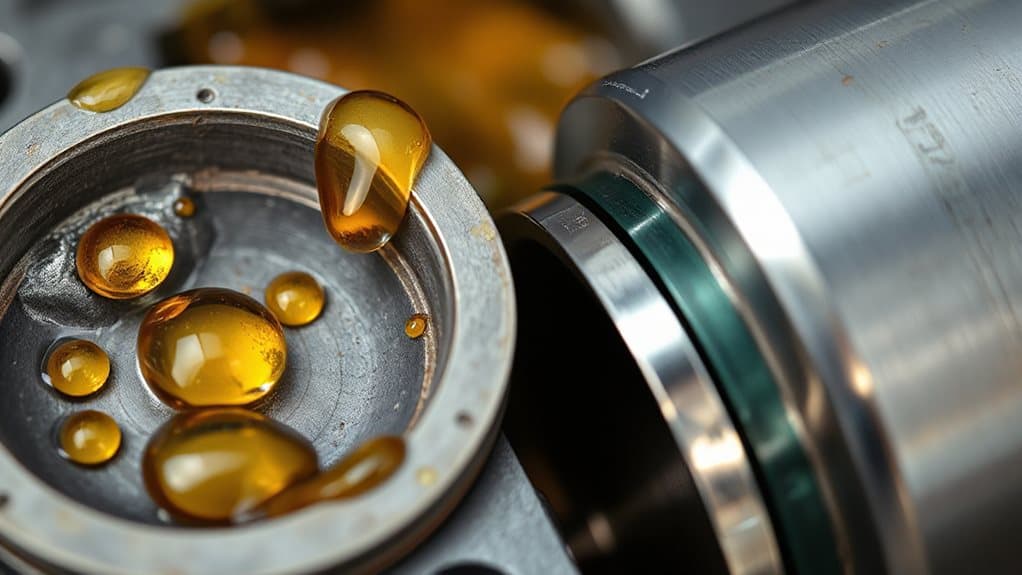
While you might think most engine additives just improve oil performance, RESTORE Engine Restorer and Lubricant works differently—it’s designed to actually repair worn engine components. It uses microscopic copper, lead, and silver spheres suspended in 30W oil to fill engine wear grooves. As your engine runs, these particles embed into metal surfaces, sealing leaks, reducing friction, and restoring compression without altering oil viscosity or harming emissions systems. Independent lab tests have shown that RESTORE can increase cylinder compression, with the CSL proprietary formula being responsible for the metal-rebuilding action. Regular inspection and maintenance, such as monitoring oil consumption, help ensure treated engines maintain restored compression and long-term performance.
Do Tractors and Cars Show Real Improvement With Engine Restore?
You’ll see real improvements in both tractors and cars after using Engine Restore, especially when compression loss or scoring is an issue.
In Ford 5000 tractors, compression increased over 100 hours of use, with smoother operation, better cold starts, and no engine damage noted.
Drivers also report quieter engines, restored power, and better fuel efficiency in high-mileage vehicles like the Suzuki Vitara and Isuzu Trooper.
Kerosene can burn in diesel engines but may cause increased wear due to its lower lubricity.
Tractor Performance Gains
See real gains in your tractor’s performance after using Engine Restore? You likely will—compression improves, especially in turbo diesel engines, and stays steady over time.
Cold starts get easier, power increases in the field, and engines run smoother.
Tests confirm these results aren’t guesswork. No damage occurs, metal isn’t found in oil, and users keep applying it because it works.
Car Engine Improvements
Restore tackles engine wear at the microscopic level, using proprietary nanotechnology to fill in surface imperfections on metal components.
You see measurable iron reductions—up to 51%—indicating less wear.
Soot drops from 0.9% to 0.2%, enhancing compression and cutting blow-by.
Drivers gain 2–5 MPG, with smoother performance and up to 15% more horsepower, especially in older engines.
Can Engine Restore Fix Compression, Smoke, and Knocking?
While engine wear can lead to declining performance, products like Engine Restore claim to address common issues such as low compression, smoke, and knocking by improving internal sealing and metal surfaces.
You’ve seen compression rise in tests—up to 8 psi in a Subaru, and from 100 to near-parity in a Chevy’s weak cylinder.
Though oil burning may decrease over time, smoke results aren’t yet confirmed.
Knocking isn’t directly tested, but better sealing could reduce it.
However, be aware that engine flushes and chemical treatments can pose risks to seals and oil passages, especially in older engines, so proceed with caution and follow manufacturer guidance, as sludge removal risks can lead to clogged passages and leaks.
Is There Real Science Behind Engine Restore’s Claims?
You’ve probably heard RESTORE can bring back lost compression, but real-world tests show it actually works by filling microscopic scratches in cylinder walls with metal particles like copper and silver. When you add it to your oil, these particles help seal the gap between piston rings and walls, which enhances compression and reduces blow-by—something independent diesel engine tests have confirmed.
Plus, under extreme pressure, the formulation maintains lubrication where engines need it most, cutting friction and helping older engines run smoother, just like Valvoline’s lab results and field reports from high-mileage vehicles back up. Thorough oil maintenance and cleanliness also play a key role in preventing valvetrain and lifter damage, so keep oil and filters up to date and inspect for oil contamination.
Restored Compression In Practice
Envision your engine’s cylinders wearing down over time, their once-smooth walls developing microscopic grooves that erode compression and rob power.
Restore’s nano particles fill these gaps, sealing leaks at top dead center.
Real tests show compression gains—like a diesel cylinder rising from 230 psi—and better fuel efficiency.
It works on scored walls, not all damage, and needs reapplication every 40,000 miles.
Lubrication Under Extreme Pressure
You just saw how Restore can improve compression by filling microscopic wear in cylinder walls, especially at top dead center where sealing is critical.
Under extreme pressure, oil films thin, risking metal-to-metal contact. Restore’s nanoparticles target these zones, forming a durable, porous layer that enhances lubrication.
This reduces friction and wear where traditional oil struggles, particularly during cold starts or high load, helping maintain protective film strength and prolong engine life.
Real Results Versus Hype
While some engine additives make bold claims without solid proof, Restore’s reported benefits are backed by measurable test data and a clear scientific mechanism.
Its CSL™ nanoparticles fill microscopic wear in cylinders, improving compression up to 10%.
Real-world tests show horsepower gains, fuel efficiency increases of 2–5 MPG, and reduced noise—especially in high-mileage engines—proving results go beyond marketing hype.
Engine Restore vs. Other Additives: Which Actually Works?
When comparing engine additives, it’s important to look at how they perform in real-world conditions and what sets them apart.
Engine Restore reduces iron wear by up to 51% and enhances compression, while RESURS cuts friction more efficiently at half the dose.
Unlike cleaners like Jectron or Engine Flush, Engine Restore targets wear and longevity, not just deposits—offering measurable, sustained improvements others don’t match.
Cold-weather features like heated seats and a steering wheel can make winter driving much more comfortable and safe, especially when paired with heated washer jets to keep windshields clear.
When Should You Use (or Avoid) Engine Restore?
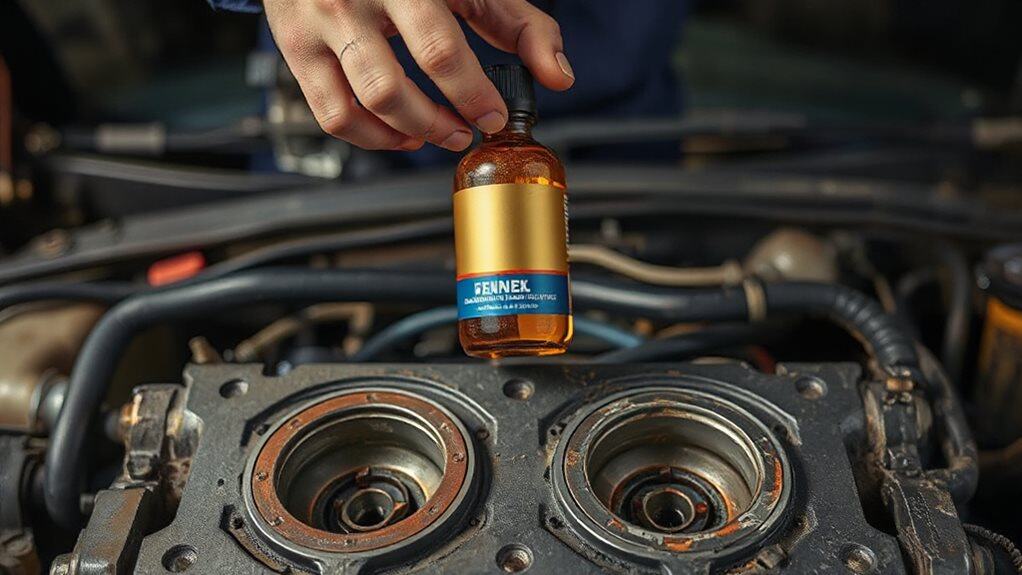
Because engine wear develops gradually and often goes unnoticed until symptoms appear, timing the use of Engine Restore correctly can determine whether it delivers measurable benefits or falls short.
Use it at 10% for wear issues like blow-by or blue smoke, after an oil flush and filter change.
Apply 5% at each oil change for maintenance.
Avoid it in PowerStroke diesels, severely damaged engines, or if you have a Subaru with sensitive VVT.
Consider using a high-mileage oil with seal conditioners alongside Engine Restore to help protect older engines and reduce the risk of leaks.
Is Engine Restore Worth It for a Worn Engine?
If your engine has accumulated high mileage and shows signs of wear like reduced compression, oil burning, or rough idling, Engine Restore might offer a practical, cost-conscious way to improve performance without a full rebuild.
It fills microscopic wear in cylinder walls, restoring compression and reducing oil consumption.
While it won’t fix mechanical damage, regular use at every oil change can extend engine life, improve efficiency, and delay costly repairs—making it a worthwhile trial for moderately worn engines.
Should You Try Engine Restore? A Final Recommendation?
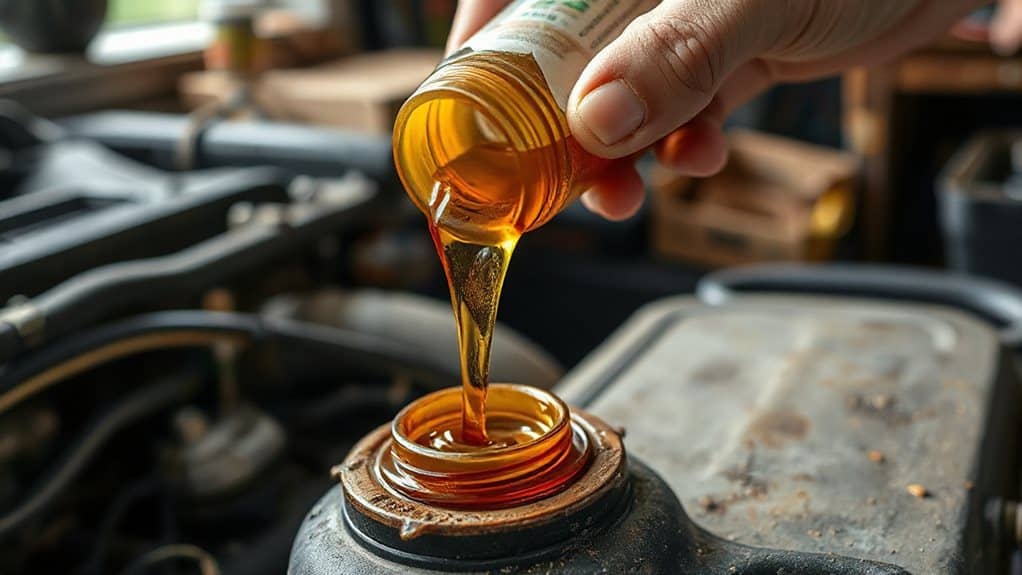
While Engine Restore won’t resurrect a severely damaged engine, it can deliver measurable benefits for high-mileage engines showing signs of wear, particularly those suffering from reduced compression, excessive oil consumption, or rough operation.
You should try it if your engine has mild cylinder wall wear but no major mechanical failures. Shake well, add during an oil change, and allow time to circulate.
Results vary, yet many users report improved performance, less smoke, and smoother idle within days. It’s not a fix-all, but for worn engines, it’s a low-risk option worth considering.
Wrapping Up
You might see minor benefits from Engine Restore in older engines, but results vary. It claims to reduce wear using micronized particles that fill gaps in cylinders, potentially improving compression and reducing smoke. However, evidence is limited and inconsistent. For severe knocking or low compression, mechanical repair works better. You shouldn’t rely on additives alone. If you try it, use it early in wear stages, not as a fix for serious damage.