You’ll likely face airbag recalls due to explosive inflators, so check for free dealer repairs. Engine mounts often fail, causing vibrations and strain on drivetrain parts—replace them early. Transmission slipping and stalling happen from dirty fluid or sensor faults; regular changes every 60,000 miles help. A/C leaks and electrical issues like blower resistor failures are common. Brake fluid leaks and suspension wear also pop up. Watch for warning signs like noises, leaks, or warning lights—there’s more to watch for than just these.
Quick Tips
- Airbag inflator recalls pose safety risks due to potential explosive metal fragment ejection; free dealer repairs are available.
- Failing engine mounts cause vibrations, clunking, and drivetrain strain, often requiring full replacement for proper alignment.
- Transmission slipping and stalling linked to low fluid or faulty sensors, with some models having harsh downshift defects.
- Electrical issues like battery drain and power loss stem from alternator faults, parasitic draws, or damaged wiring.
- Brake and suspension problems include fluid leaks, seized calipers, worn struts, and ball-joint wear affecting safety and performance.
2007 Toyota Yaris Recalls: Safety Risks and Fixes

When it comes to safety, Toyota has taken steps to address several critical issues in the 2007 Yaris through a series of official recalls.
You’ll need free repairs for risks like airbag inflator explosions, which can send metal shards flying. Others include faulty power window switches that may overheat, damaged spiral cables affecting airbag wiring, and seat rail springs that fail. Dealers fix these at no cost. A common related concern is the vehicle’s immobilizer and key fob communication, which can trigger a security system warning light when it fails.
Top 2007 Yaris Problems Reported by Owners
You might notice unusual vibrations while driving your 2007 Yaris, often caused by failing engine mounts that let the engine shift and shake.
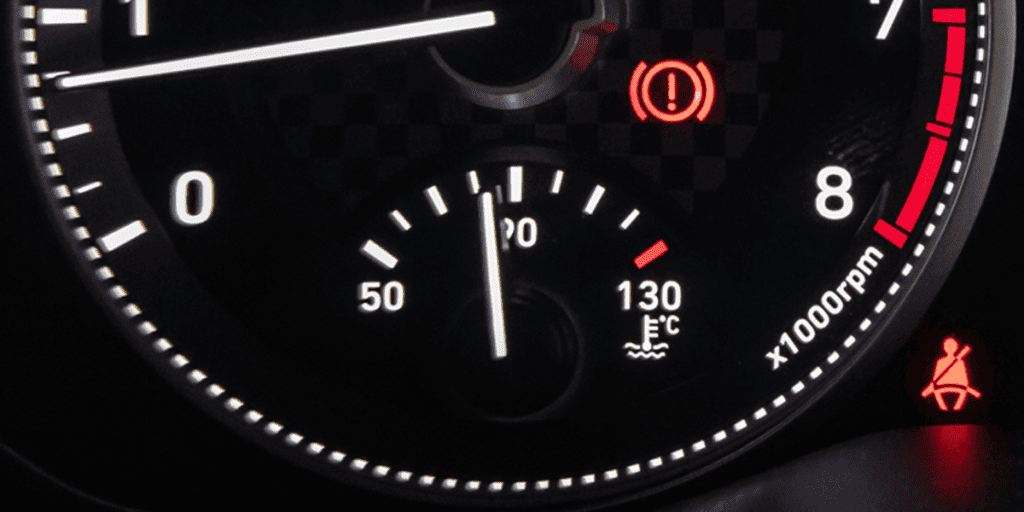
Electrical issues, like a warning light for the anti-lock brakes, can point to faulty speed sensors or low brake fluid, both needing prompt attention.
Since these problems can affect safety and performance, checking the engine mounts and brake system early helps avoid bigger repairs later.
Regular inspection and lubrication of suspension components can help prevent creaking noises that indicate worn parts.
Engine Mount Failures
Although engine mount failures mightn’t immediately come to mind when diagnosing odd vibrations or noises, they’re a common issue in the 2007 Toyota Yaris—especially as the vehicle ages past 100,000 miles.
You’ll notice clunking when shifting, steering wheel shake at highway speeds, or a thud when accelerating.
The passenger-side mount often fails first, causing extra strain on others.
Inspect for engine tilt or collapsed rubber.
Replacing all mounts with OEM parts guarantees smooth, balanced performance and prevents recurring issues.
Electrical And Brake Issues
Because electrical problems in the 2007 Toyota Yaris often trigger a chain reaction across multiple systems, it’s essential to understand how voltage instability can mimic isolated failures.
You’ll notice the battery light on without a check engine light, often due to alternator voltage regulator faults or poor fuse box connections.
Corroded blower motor resistors, ABS issues, and misfires may follow.
Use a multimeter to test voltage—13.3V confirms alternator function—then inspect drive pulleys and grounds before replacing parts.
Engine Mount Failure in the 2007 Yaris

You might notice unusual vibrations when accelerating or shifting gears, especially if your 2007 Yaris has hit around 72,500 miles, since worn engine mounts can’t dampen movement like they should.
Because your car only uses three mounts—fewer than most models—each one bears more stress, making failures more noticeable and often mistaken for transmission problems.
Look for clunking noises on inclines or visible cracks in the rubber, as these signs usually mean it’s time for a replacement with OEM parts to guarantee proper fit and durability.
Regular inspections and addressing issues early can prevent further drivetrain wear and help maintain safe handling, so schedule routine checks after any mount-related symptoms.
Engine Mount Wear Signs
Listen for clunking or thudding noises when shifting gears—these sounds often signal engine mount wear in your 2007 Toyota Yaris.
You might feel a thud when switching between drive and reverse, especially on inclines.
Excessive engine movement, like leaning or sagging, also indicates failure.
Check for visible collapse, fluid leaks, or cracks.
Jack up the engine slightly to test for changes, and inspect the passenger-side mount directly for wear.
Vibration While Driving
Feel the steering wheel shudder at highway speeds or notice a rhythmic vibration through the cabin during acceleration? Worn engine or transmission mounts likely allow excessive movement.
Leaning engines, clunking when shifting, and lunging under power signal mount failure. Check for collapsed mounts, hydraulic leaks, or abnormal engine motion.
Replacing all four mounts often restores smooth operation, especially if symptoms worsen with speed or load.
Frequent Repair Needs
Engine mount failure is a recurring issue in the 2007 Toyota Yaris, particularly in models with higher mileage—often appearing around or beyond 100,000 miles—and can lead to frequent repair needs if not addressed promptly. You’ll notice clunking when shifting on inclines, excessive engine movement, or loud thuds during gear changes.
These symptoms usually worsen over time, especially on uneven ground. Worn mounts sag under constant stress, causing misalignment and added strain.
Replacing all four mounts at once is recommended, even if only one appears damaged, since they wear together. Using OEM parts guarantees proper fit and longevity.
With basic tools and a few hours, you can complete the job—though lowering the subframe may be necessary for access. Ignoring the problem risks further damage to the transmission or drivetrain.
2007 Yaris Transmission Slipping and Stalling

When your 2007 Toyota Yaris starts acting up during everyday driving, transmission slipping and stalling might be the culprit, especially if you notice the engine revving higher than expected without a matching increase in speed.
You may experience delayed acceleration, unintended gear shifts, or hesitation when moving. Stalling can occur when shifting into drive or reverse, or while coasting between 20–25 mph. These issues often stem from low or dirty transmission fluid, which reduces hydraulic pressure and lubrication.
A bright red, sweet-smelling leak under your car signals fluid loss. Faulty sensors or a worn clutch can also disrupt shifting.
In some models below VIN JTDJT9#3*75126293, a known defect causes harsh downshifting between 15–35 mph due to premature torque converter lockup when you release the accelerator. This jerking sensation lasts 4–5 seconds and happens intermittently.
Checking fluid levels, inspecting for leaks, and scanning for sensor faults are key first steps. Also check electrical and sensor-related systems, since issues like a faulty crankshaft sensor can prevent proper shifting.
2007 Yaris A/C Leaks and Climate Control Failures
Right from the start, keeping your 2007 Toyota Yaris’s air conditioning running smoothly means understanding its weak points—especially leaks and system failures that can leave you sweltering in summer heat. Low refrigerant from O-ring or hose leaks kills cooling; inspect for oily residue.
The compressor runs constantly and, if it fails, replace the entire system. Clean or replace clogged condensers and change cabin filters to maintain airflow.
Front Suspension and Steering Issues in the 2007 Yaris

Listen for knocks and thuds as you drive over bumps—your 2007 Toyota Yaris might be signaling trouble in the front suspension.
Worn struts, broken control arm bolts, or failing stabilizer links often cause these sounds. Replace both front struts together to prevent imbalance, and check greasable sway bar joints.
Inspect all bushings and suspension links, especially at high mileage, to guarantee stable, smooth handling.
Also have a technician check wheel bearings and ball joints for wear, since their failure can cause vibrations and clunking noises.
Electrical Failures in the 2007 Yaris
If your 2007 Toyota Yaris acts unpredictably—stalling power, flickering lights, or sudden resets—electrical failures could be the culprit. Loose fuse box connections or damaged fusible links often interrupt power; check them with a DVOM during symptoms.
Faulty alternators, parasitic draws, or burnt firewall wires may kill the battery fast. Overheated blower resistors, failing spiral cables, and bad ground connections also contribute—inspect thoroughly.
Brake Fluid Leaks and ABS Problems in the 2007 Yaris

While brake performance might seem reliable at first, even small fluid leaks in your 2007 Toyota Yaris can quickly compromise safety and trigger ABS-related issues.
Worn primary or wheel cylinder seals often cause leaks, leading to fluid loss and spongy pedal feel. Check the driver’s side reservoir regularly.
Misaligned clamps, damaged calipers, or contaminated fluid may impair braking and ABS function—inspect promptly to prevent total failure.
Seized pistons from corrosion inside caliper bores can also cause continuous pad-to-rotor contact and dragging, so inspect calipers and slide pins for corrosion and proper lubrication.
Routine Maintenance Tips for the 2007 Yaris
Regularly maintaining your 2007 Toyota Yaris helps guarantee reliable performance and extends the life of key components. Change oil every 10,000 miles—or every 5,000 under severe conditions—using 3.4–3.9 quarts of synthetic.
Rotate tires every 10,000–20,000 miles, replace air filters as needed, inspect fluids and brakes routinely, and change transmission fluid every 60,000–80,000 miles to keep your Yaris running smoothly.
Wrapping Up
You now know the most common 2007 Yaris issues, from engine mounts to transmission and A/C leaks. Regular maintenance helps prevent bigger problems. Check fluid levels, inspect suspension parts, and test brakes often. Address electrical or ABS warnings quickly. Use OEM parts when possible for reliable fixes. Staying on top of these points keeps your Yaris running safely. Prevention, not reaction, saves time and money in the long run.