If your Dodge Ram won’t move in any gear, the problem is usually the transmission rather than the linkage. A failed clutch pack, low or contaminated automatic transmission fluid (ATF), or internal wear can prevent torque from reaching the wheels, while a mis‑adjusted or broken shift linkage typically only stops the shifter from reaching the correct position. Check ATF level and condition, look for leaks, and listen for grinding or whining noises that indicate internal damage. Test the shifter with the engine off; if it slides freely but the vehicle still won’t move, the transmission is the likely culprit. Further details on diagnosing and fixing the issue follow.
Quick Tips
- Test the shifter with the engine off; if gears still won’t engage, the problem is likely linkage, not the transmission.
- Check for loose or bent shift linkage rods, missing cotter pins, or mis‑adjusted shifter bushings that can prevent gear selection.
- Inspect transmission fluid level and condition; low or overheated ATF can cause the transmission to lock up and refuse to move.
- Scan for transmission‑related error codes (e.g., P0720, P1D96); codes indicate internal clutch or control module faults rather than linkage issues.
- If the shifter feels firm, fluid is adequate, and no linkage damage is found, the transmission’s internal clutches or valve body likely need professional diagnosis.
Ram 1500 Transmission: Common Failure Symptoms
Why does your Ram 1500 feel hesitant when you try to shift? You may notice erratic or delayed shifts, especially in the 8‑speed model, rough changes during acceleration, and clunking between 4th and 5th gears.
Slipping shows up as high RPMs with poor acceleration, often in 2nd, 4th, or 6th gear.
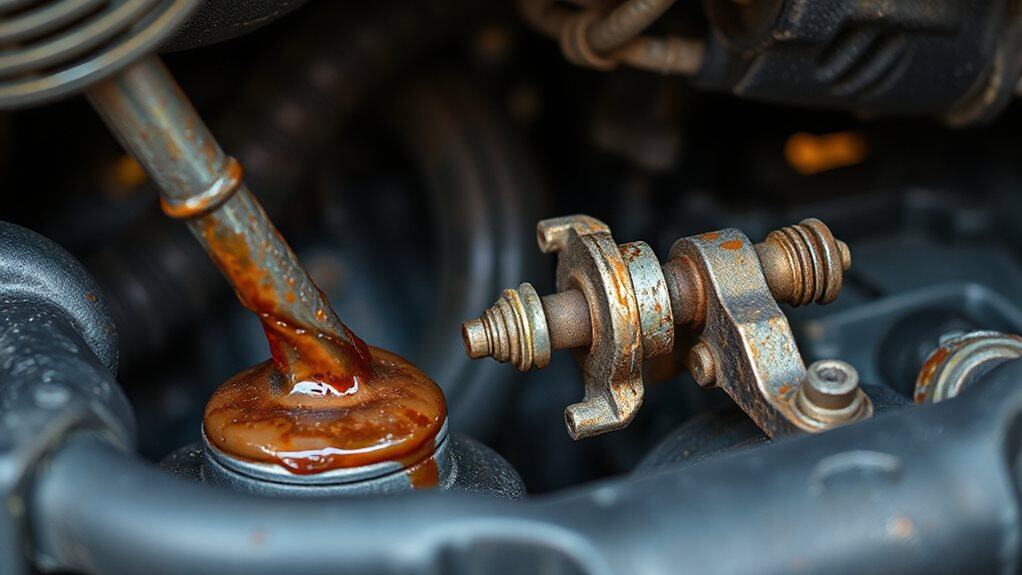
Listen for grinding or whining noises, feel metallic clunks, and watch for warning lights, limp‑home mode, or fluid leaks that signal low pressure or overheating. The 6‑speed automatic RFE used from 2012‑2018 can also develop hard shifting due to valve‑body wear.
Check the transmission fluid level and condition, since low or degraded fluid commonly causes shifting problems and can lead to limp mode activation.
Ram 1500 Transmission vs. Linkage – How to Tell?
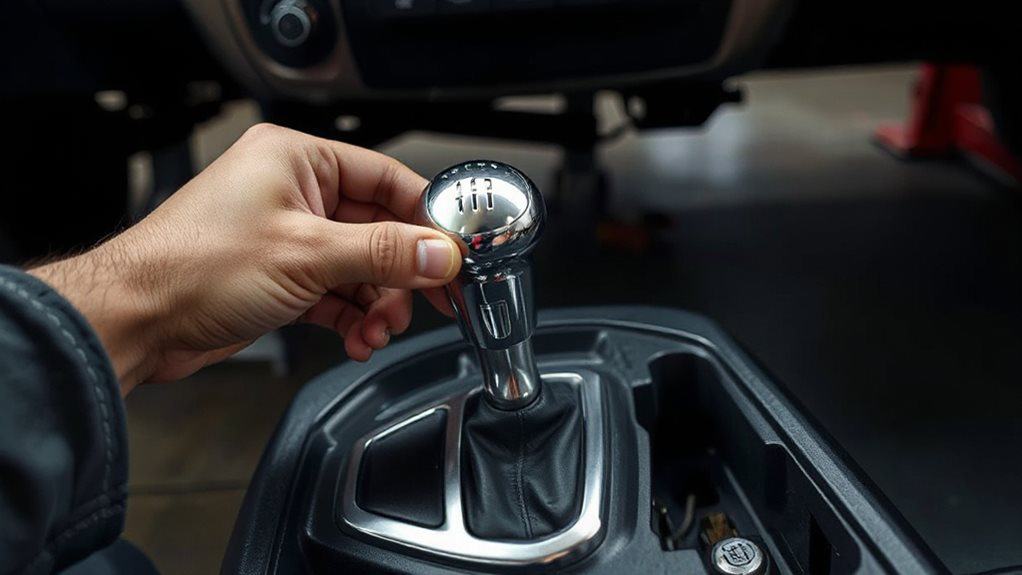
What you’re feeling when the shifter seems loose or the gear indicator shows the wrong position may actually be a linkage problem, not a transmission failure. Linkage faults appear while the vehicle is stationary, show excessive shifter slop, and never produce fluid leaks or heat. Transmission issues manifest under load, cause RPM spikes, overheating, and fluid loss. Test the shifter with the engine off; if gears engage correctly, the transmission is likely healthy. Repeatedly blown transmission fuses or electrical faults can mimic these symptoms and should be inspected to rule out electrical failures.
Step‑by‑Step Test‑Drive to Isolate a Ram 1500 Transmission Fault
Ever since you’ve noticed a hesitation or clunk when shifting, a structured test‑drive can pinpoint whether the Ram 1500’s transmission is at fault. Park on level ground, engage parking brake, and depress the brake pedal. Connect a scan tool, run quick‑learn, then accelerate from stop through all gears, monitoring temperature (86‑122°F) and any P0720 codes. Repeat stop‑and‑go for 25 miles, noting jerks or missed shifts.
Inspect A‑Clutch, E‑Clutch & D‑Clutch in 8‑Speed Rams
You’ll notice clutch slip when the A‑clutch pressure plate flexes or cracks, which often shows up as delayed gear engagement and a loss of torque. If the E‑clutch hub splines are stripped or worn, you’ll hear grinding noises and feel the torque converter disengage, especially during throttle changes. Finally, D‑clutch drum wear or fracture causes harsh shifts and erratic gear holding, so checking for fluid flow obstruction and spline integrity is essential. Also inspect wiring and connectors for corrosion or damage that can cause erratic behavior in the transmission control module.
Clutch Slip Diagnostics
Inspecting the A‑Clutch, E‑Clutch, and D‑Clutch in an 8‑speed Ram is essential for diagnosing clutch slip, because each clutch has distinct failure modes that affect gear engagement. Look for A‑Clutch plate flex or pressure‑plate cracks, E‑Clutch hub spline wear and oil starvation grooves, and D‑Clutch drum shell damage or blackened friction material. Compare observations to codes like P1D96, then replace with heavy‑duty parts such as Sonnax plates.
Torque Converter Disengagement Signs
After you’ve examined the A‑Clutch, E‑Clutch, and D‑Clutch for slip, the next step is to watch how the torque converter disengages. Look for shuddering vibrations around 30‑45 mph, rough idling or stalling when stopped, and power loss where the engine revs but speed doesn’t increase.
Notice delayed engagement after stops, fluid discoloration, and any jerking when re‑engaging, all indicating disengagement problems.
How to Check ATF Fluid, Leaks, and Quality for a Ram 1500 Transmission
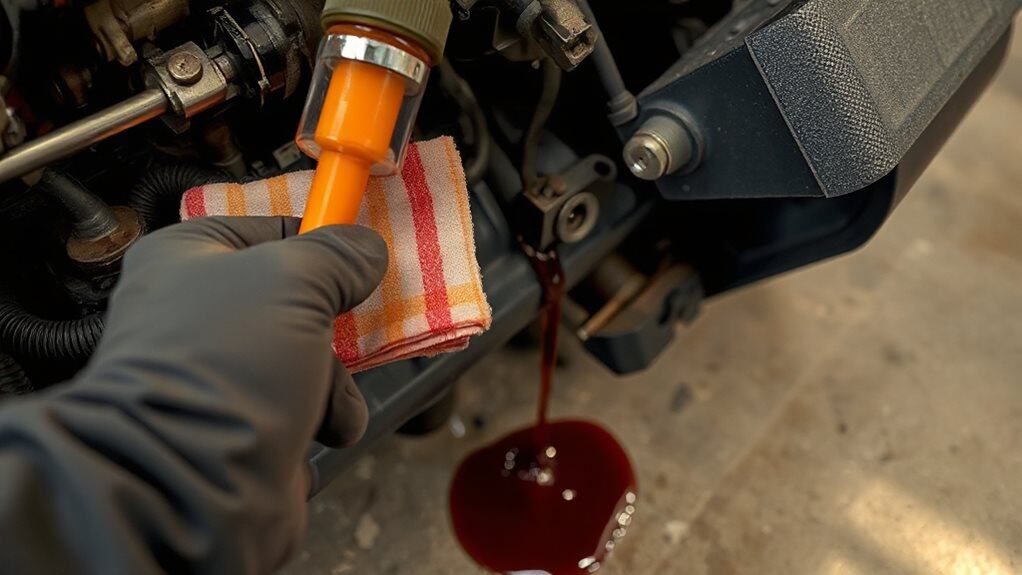
Where do you begin when you need to verify the ATF (automatic transmission fluid) in a Ram 1500? Park on level ground, engine idle, transmission in Park, brake set. Remove the dipstick, wipe, reinsert, pull again; fluid should sit between hot marks. For sealed 8‑speed units, warm the vehicle, then check flow from the fill plug—tiny drips mean correct level, none indicates low, excess shows overfill. Inspect for leaks around the pan and plug after cleaning. Check brake fluid levels as part of overall vehicle safety because low braking power can indicate hydraulic system issues that also affect drivability.
Linkage Issues That Prevent the Ram 1500 From Moving
What keeps a Ram 1500 from shifting out of park often traces back to the shift‑linkage system, the mechanical bridge between the interior shifter and the transmission’s gear selector. Loose pins, bent rods, or detached cotter pins break the connection, causing gear‑indicator mismatch and shifter play. Inspect for slack, corrosion, and debris; tighten or replace faulty components, add shims or springs to restore tension, and realign the indicator to match actual gear positions. Consider verifying mounting points and fasteners for proper stud mounting to ensure reliable long-term performance.
When to Seek Professional Help for a Ram 1500 Transmission
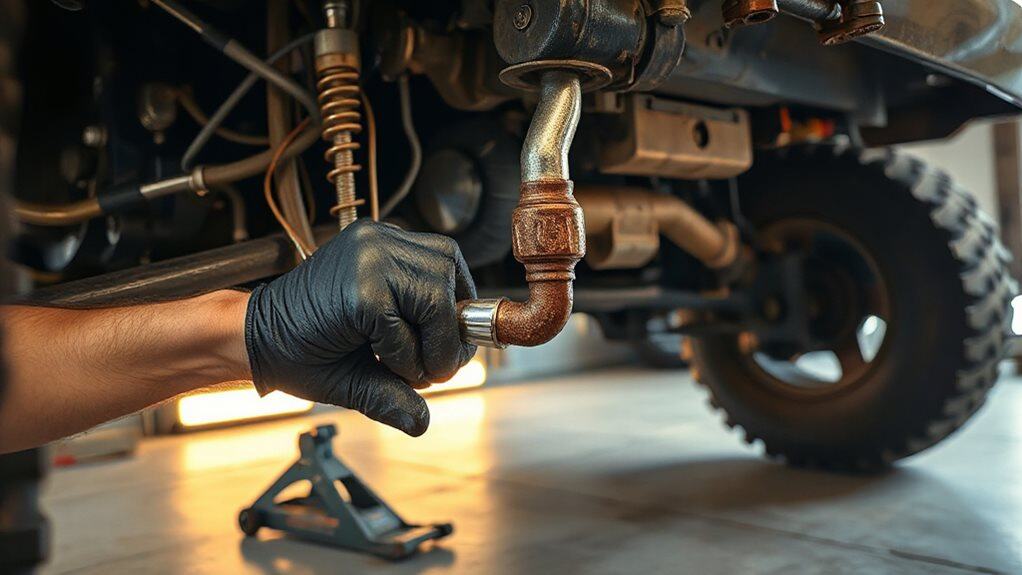
When warning lights flash or the vehicle drops into limp‑home mode, you should stop driving and arrange professional diagnostics for your Ram 1500 transmission.
Seek help immediately if you notice delayed gear engagement, harsh or erratic shifts, slipping under load, unusual whining or clunking noises, fluid leaks, or overheating during towing. These symptoms indicate sensor faults, low fluid pressure, worn bearings, or internal damage that requires a qualified technician’s evaluation.
Start your diagnosis with a proper initial inspection of linkage, fluid level, and basic electrical connections before proceeding to advanced diagnostics.
Wrapping Up
By checking fluid level, leaks, clutch operation, and linkage alignment, you can pinpoint whether the Ram 1500’s inability to move stems from the transmission itself or a mechanical connection issue. If the fluid is clean and at the proper level, the clutch packs engage smoothly, and the linkage shifts cleanly, the problem likely lies within the transmission internals. Conversely, worn or misadjusted linkage, damaged shift cables, or faulty shifter components will prevent gear engagement despite a healthy transmission. When diagnostics reveal internal damage or persistent slip, professional repair or replacement is advisable.