You’ll recognize a failing Ford Focus clutch actuator through illuminated check engine lights displaying codes P0902 or P090C, erratic gear shifting with skipped gears or complete reverse loss, and a spongy clutch pedal that feels inconsistent. You might experience engine revving without acceleration, grinding noises during shifts, and shuddering vibrations when accelerating from stops. These symptoms often stem from electrical circuit faults, hydraulic contamination, or mechanical wear in the dual-clutch system. Understanding each symptom’s underlying cause helps you determine the appropriate repair approach.
Quick Tips
- Check engine light illuminates with diagnostic codes P0902 or P090C indicating low voltage or circuit issues in clutch actuator.
- Erratic gear shifting, skipped gears, complete reverse gear loss, and engine revving without acceleration occur from clutch engagement failures.
- Clutch pedal feels spongy, inconsistent, or sinks to floor due to hydraulic leaks, air ingress, or low fluid levels.
- Grinding, clicking, or clunking noises and shuddering vibrations during shifts indicate worn dual-clutch components or actuator mechanical failure.
- Extreme temperatures, moisture corrosion, debris ingress, and improper installation accelerate actuator degradation and operational breakdown.
Dashboard Warning Lights and Diagnostic Codes

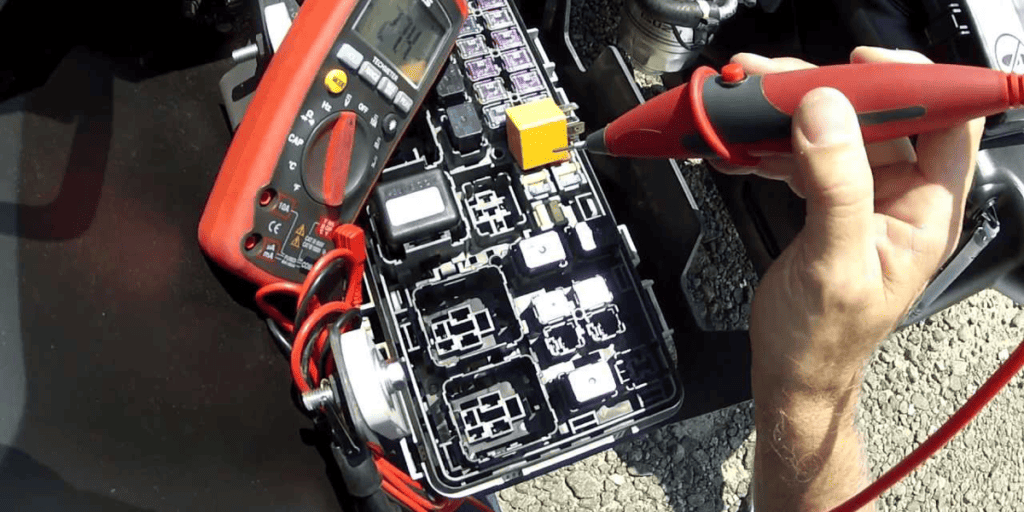
When your Ford Focus’s clutch actuator begins to fail, the check engine light will typically illuminate on your dashboard as the first warning sign. Your vehicle’s powertrain control module (PCM) triggers this warning after detecting abnormal voltage or resistance in the clutch actuator circuit.
Common diagnostic trouble codes include P0902 (“Clutch Actuator Circuit Low”) and P090C (“Clutch Actuator B Low Voltage”), which require immediate professional evaluation. Be aware that a recent battery change can affect stored settings and may require an ECU reset to clear related electrical faults.
Gear Shifting and Engagement Difficulties
When your Ford Focus’s clutch actuator begins to fail, you’ll notice erratic clutch engagement patterns that make smooth driving nearly impossible.
The transmission may skip gears unexpectedly during acceleration, causing sudden power loss or harsh jolts as the dual-clutch system struggles to maintain proper engagement.
These issues often stem from one or both clutches remaining partially engaged or disengaged at the wrong times, creating a frustrating and potentially dangerous driving experience that requires immediate attention. An exhaust leak before the oxygen sensor can create a lean condition that may exacerbate misfires and harsh running, which can mimic or worsen engagement problems.
A common symptom is the complete loss of reverse gear, where the transmission simply won’t engage when you attempt to back up, often accompanied by an illuminated check engine light.
Erratic Clutch Engagement Patterns
Erratic clutch engagement patterns in your Ford Focus manifest as unpredictable gear shifting behavior that disrupts the smooth progression between drive modes.
You’ll experience inconsistent engagement timing, where the clutch grabs unexpectedly or delays response during acceleration.
These symptoms often accompany diagnostic codes like P090C or P073E, indicating actuator voltage problems or transmission slipping.
The unpredictability stems from failing actuator components that can’t maintain consistent hydraulic pressure throughout the engagement cycle.
Gears Skipping During Acceleration
Gear skipping during acceleration reveals itself as your Ford Focus transmission jumping over gears or failing to engage the next sequential gear when you press the accelerator.
This happens when damaged clutch engagement forks prevent proper gear shifts, or when leaking transmission fluid contaminates clutch packs.
Your dual-clutch system operates two parallel transmissions, and when one clutch actuator malfunctions, specific gears become inaccessible, causing irregular jumping between non-sequential gears.
The PowerShift DCT’s computer applies brakes during partial clutch engagement, and when this coordination fails alongside actuator problems, your transmission may skip gears or shift unpredictably during acceleration.
Stuck Dual Clutch Issues
Your Ford Focus’s dual-clutch transmission can lock up completely when both clutch actuators engage at the same time, creating a mechanical bind that prevents your engine from rotating and stops your vehicle from starting.
This catastrophic failure often results from seized clutch discs or fallen-apart disc materials jamming the transmission internally.
You’ll need transmission removal to repair this mechanical lock-up condition properly.
Clutch Pedal Abnormalities and Response Issues
When your Ford Focus clutch actuator begins to fail, you’ll likely notice distinct changes in how your clutch pedal behaves during normal operation.
The pedal may develop a spongy or soft feel that differs from the firm, consistent resistance you’re accustomed to, and this inconsistent resistance often fluctuates unpredictably between presses.
In severe cases, you might find yourself completely unable to engage reverse gear, which signals that the actuator can no longer properly control clutch disengagement.
Regular inspections and maintenance can help prevent related failures and costly repairs by identifying worn components like the starter motor early.
Spongy Pedal Feel
A spongy clutch pedal typically signals that air has infiltrated your Ford Focus’s hydraulic clutch system, disrupting the efficient transfer of pressure between the primary and slave cylinders.
You’ll notice the pedal lacks firm resistance and may sink toward the floor.
Low fluid levels, internal leaks in the primary or slave cylinder, and compromised seals also produce this symptom, making gear engagement difficult.
Inconsistent Resistance Levels
Beyond the spongy sensation you might experience, Ford Focus clutch pedals can exhibit wildly inconsistent resistance levels that make driving unpredictable and frustrating.
You’ll notice the pedal pressure fluctuating between soft and extremely hard without warning, requiring different force applications during repeated shifts. These variations typically correlate with low voltage conditions in the actuator circuit, which disrupts proper clutch engagement and coordination.
Reverse Gear Loss
If you’ve lost the ability to select reverse gear in your Ford Focus, the problem almost definitely traces back to clutch actuator B or its associated mechanical components.
This actuator controls even gears and reverse specifically.
Diagnostic code P090C typically appears when actuator B malfunctions, though stripped clutch forks can also prevent reverse engagement even when the motor functions properly, requiring transmission removal for repair.
Power Loss and Slippage During Driving
When your Ford Focus experiences power loss and slippage during driving, the DPS6 transmission’s clutch actuator system is likely failing to maintain proper engagement between the engine and wheels.
You’ll notice the engine revving without corresponding acceleration, particularly during gear shifts. Inadequate hydraulic pressure from faulty actuators prevents clutches from gripping properly, causing momentary power interruptions.
Worn components combined with electrical malfunctions create unsafe driving conditions requiring immediate professional diagnosis. Regular checks of the electrical system and related components can help identify issues early.
Unusual Noises and Vibrations From the Transmission

As your Ford Focus’s clutch actuator begins to fail, you’ll experience a range of unusual noises and vibrations that serve as clear warning signs of transmission problems.
You’ll hear grinding, clicking, or clunking sounds during gear shifts, particularly when the dual-clutch system’s components wear excessively.
Additionally, you’ll feel shuddering sensations when accelerating from stops, creating vibrations that resemble driving over rough pavement between gear changes.
Common Causes of Clutch Actuator Failure
Understanding what causes your Ford Focus’s clutch actuator to fail helps you prevent costly repairs and maintain your vehicle’s reliability.
Mechanical overloading from aggressive driving exceeds the actuator’s capacity, causing premature failure.
Poor maintenance accelerates component wear, while electrical problems like voltage fluctuations damage control circuits.
Hydraulic issues, including low fluid levels or contamination, disrupt proper function.
Installation defects and manufacturing flaws also contribute to actuator breakdown.
Wrapping Up
Recognizing clutch actuator symptoms early can save you from costly repairs and dangerous driving situations. If you’ve noticed warning lights, shifting difficulties, pedal problems, power loss, or unusual sounds, don’t ignore them. These issues typically worsen over time, potentially leaving you stranded. Schedule a diagnostic inspection with a qualified mechanic who can pinpoint the exact cause. Whether it’s electrical failure, hydraulic leaks, or mechanical wear, addressing the problem promptly keeps your Ford Focus running safely and efficiently.