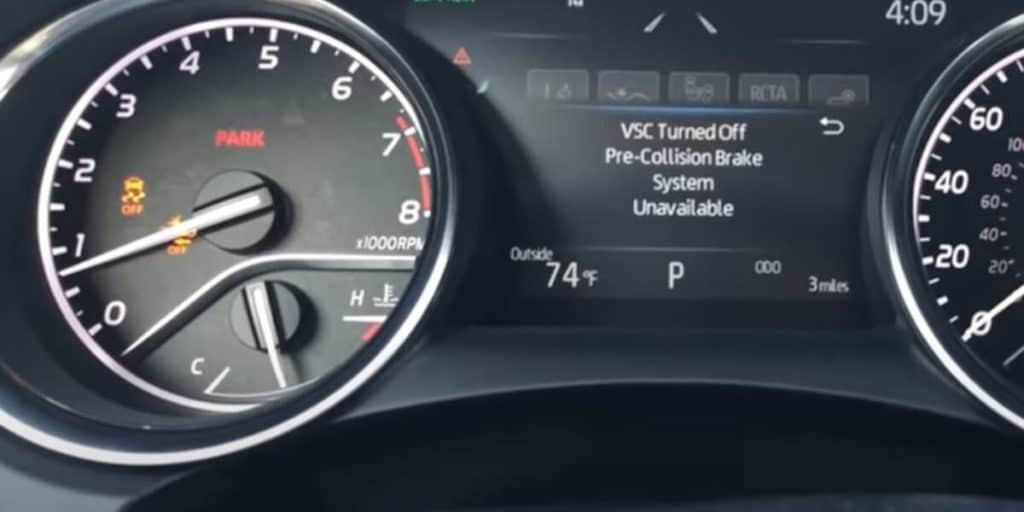
If your car begins to hydroplane, stay calm and avoid sudden movements. Gently lift off the accelerator without hitting the brakes, as abrupt braking can cause loss of control. Steer smoothly in the direction you want to go while keeping a firm grip on the wheel. Reduce your speed gradually and find a safe place to pull over, such as the shoulder, once traction is regained. Continuing will provide more precise guidance on handling these situations effectively.
Quick Tips
- Stay calm and avoid sudden steering or braking movements.
- Gently lift off the accelerator to reduce speed gradually.
- Steer in the direction you want to go with a firm grip on the wheel.
- Do not slam on the brakes, as it can worsen the skid.
- Once traction is regained, slow down and find a safe place to stop.
How to Prevent Hydroplaning Before It Happens

To prevent hydroplaning before it occurs, drivers should make certain tire tread depth stays above 2/32nd inch for effective water displacement.
Reduce your speed on wet roads, especially in the first 10-15 minutes of rain, and avoid puddles and standing water.
Keep tires properly inflated, drive in a lower gear, and steer toward existing tire tracks to maintain traction and vehicle control.
Regular maintenance, including monitoring oil consumption and timely oil changes, helps ensure overall vehicle reliability and can prevent related performance issues.
Spot the Signs of Hydroplaning Early
Recognizing the early signs of hydroplaning can help you respond quickly and maintain control of your vehicle.
Look for a loss of traction, such as a floating sensation or reduced steering feedback.
If your car begins slipping, skidding, or if braking becomes less effective on wet pavement, these hydroplaning signs indicate your tire grip is compromised, risking control loss.
Also be alert for symptoms like engine overheating due to inadequate coolant circulation, which can compound driving hazards when combined with wet-road loss of control and should be checked promptly for coolant leaks.
Stay Calm and Keep Control If Hydroplaning Starts
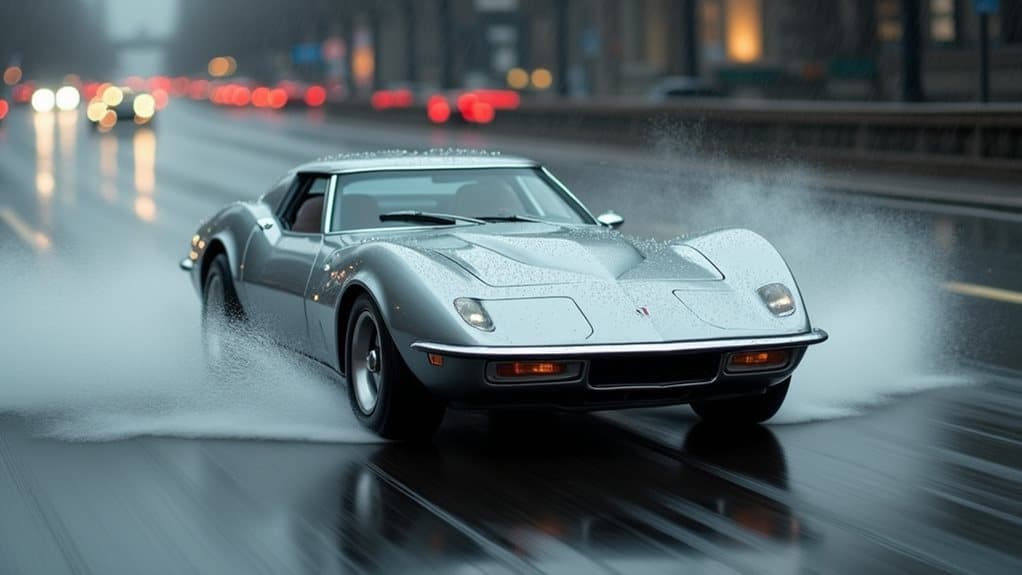
When hydroplaning begins, remaining calm is essential to maintaining control of your vehicle. Stay calm and keep control by gripping the steering wheel firmly and steering gently in your intended direction.
Take your foot off the accelerator gradually, avoiding sudden brake application. Steady adjustments help regain traction, prevent overreacting, and maintain proper tire contact.
This ensures control of the car until contact with the road is restored. Regularly inspect and maintain your vehicle’s airflow system to help ensure optimal climate and visibility while driving.
Gently Ease Off the Gas and Steer Calmly to Regain Traction
Since hydroplaning reduces tire contact with the road, easing off the gas gradually helps slow your vehicle safely.
Maintain a steady, calm grip on the steering wheel to steer calmly and prevent sudden movements.
As speed decreases, your tires are more likely to regain traction on the road surface.
Staying relaxed and controlled helps you recover control without overreacting or causing a spin.
Wear protective gear, including butyl rubber gloves, when handling and disposing of acetone to prevent skin exposure.
When and How to Safely Pull Over and Continue Driving
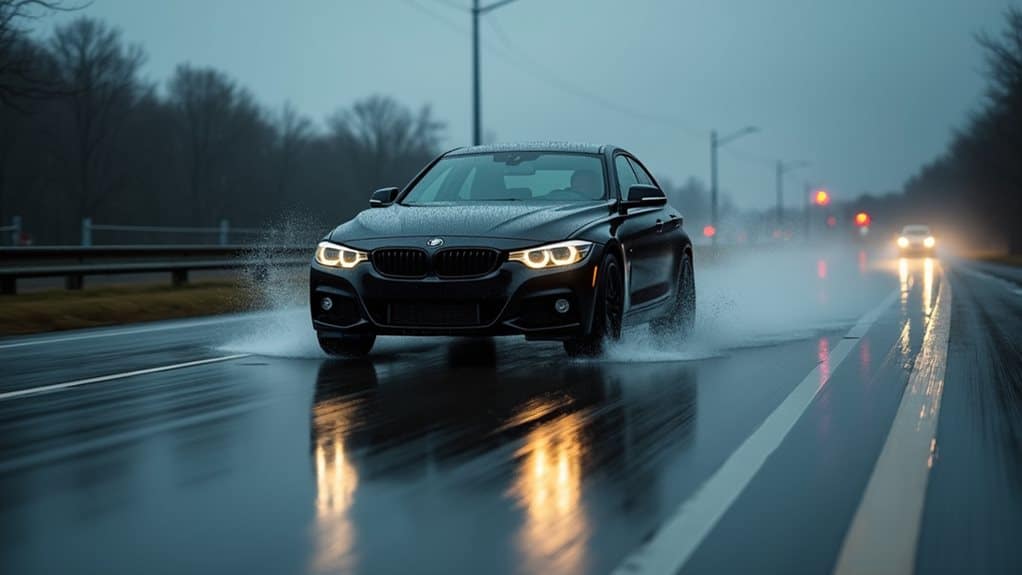
When your vehicle begins hydroplaning, it’s essential to prioritize safety by knowing how and when to pull over.
Once traction is regained, slow down gradually, and look for a safe place like the shoulder or parking area.
Turn on hazard lights, steer smoothly in the direction to control the vehicle, and wait until road conditions improve before resuming safe driving.
Consider applying a rust-preventive coating like chassis saver to exposed metal after driving in wet conditions to reduce future corrosion.
Wrapping up
Understanding how to respond to hydroplaning is vital for your safety. By recognizing early signs, easing off the accelerator, and steering calmly, you can maintain control and avoid accidents. Regularly check your tires for proper inflation and tread depth, especially in wet conditions. If hydroplaning occurs, remain composed, avoid abrupt movements, and if necessary, safely pull over to a secure location. Following these steps helps guarantee safe driving even in challenging weather.