The Civic’s anti‑theft system uses an immobilizer that checks the transponder code in your key; if the code matches the vehicle’s stored signature, the circuit closes and fuel injection and ignition work, otherwise the circuit stays open and the engine won’t start. A door slam, unrecognized lock, or low‑battery key fob triggers the alarm and flashes the dash‑green key light, while a power loss locks the radio until you press the power button for two seconds or enter the five‑digit code. To reset a false alarm, press the fob’s open button, insert the key, open the driver door, and start the engine, or disconnect the negative battery for ten minutes if needed. If you follow these steps, you’ll discover more details.
Quick Tips
- The immobilizer checks the transponder’s encrypted code when the key is turned; a match closes the fuel‑injection and ignition circuit.
- If the code mismatches or the key‑fob battery is low, the circuit stays open, the dash green key light flashes, and the engine is disabled.
- A false alarm can be cleared by pressing the fob’s open button, inserting the physical key, opening the driver door, and starting the engine.
- For persistent lockouts, disconnect the negative battery for ten minutes, reconnect, then repeat the fob‑open‑key‑start sequence.
- After a power loss, hold the radio power button >2 seconds to restart; if prompted, enter the five‑digit anti‑theft code from the glove‑box sticker.
Honda Civic Immobilizer: Why It Stops the Engine
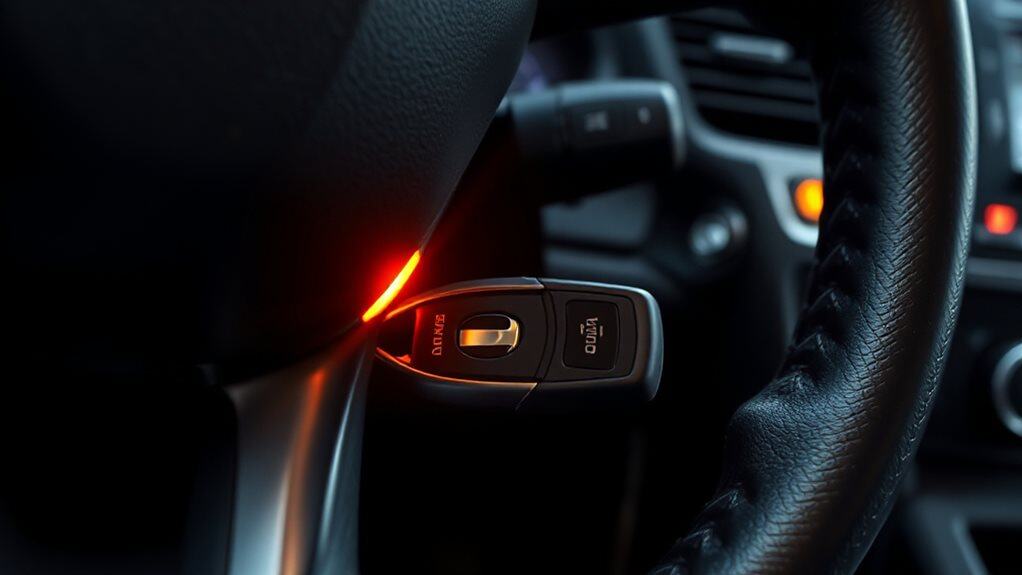
How does the Honda Civic’s immobilizer actually stop the engine? When you turn the key, the immobilizer control unit sends a signal to the transponder chip inside the key. The chip replies with its electronic code; if the code matches the vehicle’s stored signature, the system closes the circuit, enabling fuel injection and ignition. A mismatch breaks that circuit, disabling fuel and ignition, so the engine stalls instantly. The dash’s green key light flashes to indicate the failure. Improper key registration will prevent the engine from starting. Sump pumps are designed to remove excess water from basements and help prevent flooding by directing water away from the foundation, which underscores the importance of understanding and maintaining drainage systems.
Typical Triggers of the Honda Civic Alarm and the Vehicle’s Response
Ever wonder what sets off a Honda Civic’s alarm and how the car reacts? A hard door slam, an improperly opened door, or a manual lock without key recognition triggers the siren and flashes the security light. Unrecognized transponder chips, low key‑fob batteries, or a spare key also cause the green key light to flash and immobilizer activation. Aftermarket stereos, dealer security modules, or damaged accessories can sensitize the system, while battery replacements or power loss erase key data, prompting the alarm to engage and the engine to stay secured. Regular maintenance of starter motor condition and battery health helps prevent issues that can inadvertently trigger the alarm.
Reset a False-Triggered Civic Alarm Step‑by‑Step
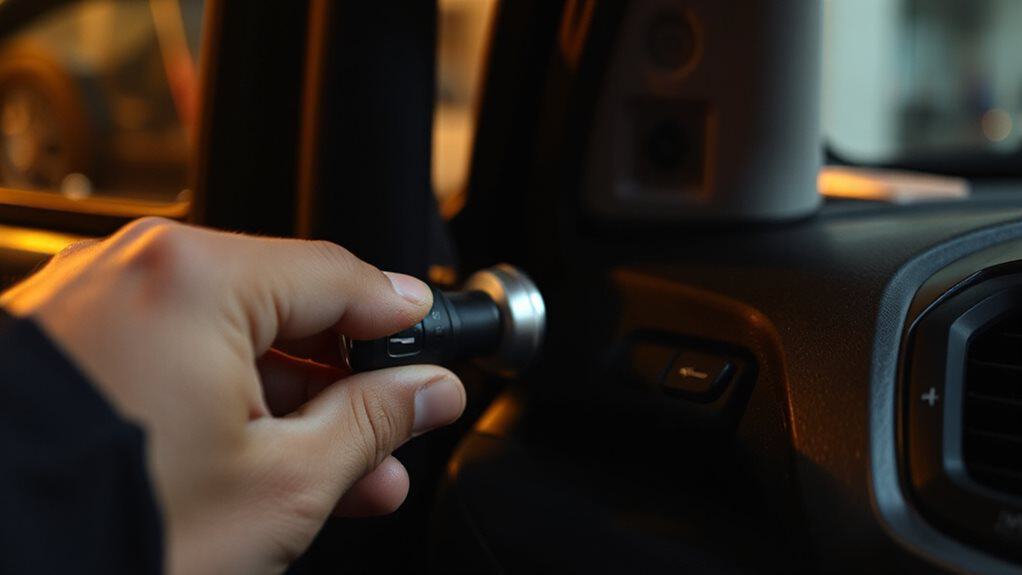
So a Honda Civic alarm blares for no apparent reason, you can stop it and reset the system without a dealer visit. Press the open button on the key fob, then insert the physical key and open the driver’s door. Start the engine so the transponder disarms the alarm. If it persists, cycle ignition while pressing lock then open on the fob. Finally, disconnect the negative battery terminal for ten minutes, reconnect, and test the alarm. Regular inspections and avoiding overloading with attachments can help prevent false triggers.
Reactivate Honda Civic Audio After Power‑Loss Lockout
When the Civic’s battery is disconnected, the radio’s theft‑deterrent lockouts and displays an “Enter Code” prompt after power returns. Press and hold the power button for more than two seconds; the system will show a “System has lost power” message and restart without a code. If that fails, retrieve the five‑digit code from the glove‑box sticker, enter it using the preset buttons, or hold buttons 1 and 6 while powering on to reset the unit. Remove the key fob battery immediately to reduce the chance of permanent electronic failure and limit corrosion from moisture remove the battery.
Install a Ravelco Anti‑Theft Unit on Your Civic – What You Need to Know
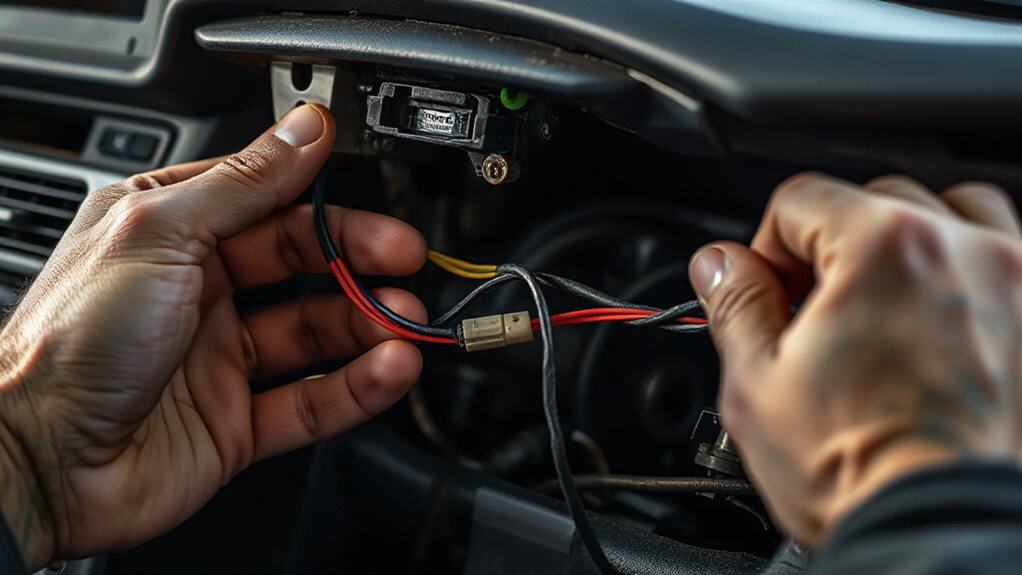
If you’re looking to enhance your Honda Civic’s security without compromising its factory appearance, the Ravelco anti‑theft unit offers a discreet, cable‑based solution that interrupts essential circuits such as the fuel pump, ignition, or starter.
Mount the base in the dashboard, cut a firewall hole, thread the armored steel cable, splice matching black wires, and secure the ground.
Use the 16‑pin plug on the key chain, seal the penetration, and you’re protected.
Wrapping Up
Now’ve learned how the Civic’s immobilizer blocks engine start, what triggers the alarm, and the exact steps to reset false alerts or restore audio after a power‑loss lockout. Installing a Ravelco anti‑theft unit follows the same principles—connect the control module, program the key fob, and verify the system’s response. By following these procedures, you’ll keep the vehicle secure and ensure all safety features function correctly.