Check the brake‑light switch first; a faulty switch (SW‑6874) blocks the pedal signal to the HDC module, so press the pedal and watch the brake lights—if they stay on or won’t turn off, replace the switch. Inspect wheel‑speed sensors for dirt, corrosion, or damaged plugs, and verify their resistance matches specs with an ohmmeter; spin the wheels to confirm signal output. Clean battery terminals, tighten loose connections, and reset voltage by disconnecting the negative terminal for 30 seconds before reconnecting. Examine ABS/AdvanceTrac module wiring and grounds; reseat pins, clear moisture, and if codes persist, re‑flash or replace the module. Finally, road‑test the vehicle and recalibrate the descent‑control system; continuing will reveal deeper diagnostics.
Quick Tips
- Inspect and clean wheel‑speed sensors, verify resistance matches specs, and ensure proper signal while spinning the wheel.
- Test the brake‑light switch (SW‑6874) by pressing the pedal; replace it if lights stay on or won’t turn off.
- Clean battery terminals, tighten connections, and perform a voltage reset by disconnecting the negative terminal for 30 seconds.
- Check all HDC‑related wiring and connectors for corrosion, bent pins, moisture, or pinched harnesses, and reseat loose terminals.
- Scan the ABS/AdvanceTrac module for fault codes, secure ground wires, and re‑flash or replace the module if communication errors persist.
Identify What Triggers a Descent‑Control Fault

What actually triggers a Hill‑Descent‑Control (HDC) fault? A faulty brake switch (SW‑6874) stops the pedal signal reaching the HDC module, often lighting the fault instantly.
Low battery voltage, caused by loose or dirty terminals, drops below the required threshold, disrupting electronics. Battery voltage issues can be aggravated by corroded connections that reduce current flow.
Wheel‑speed sensors can misread due to dirt, damage, or incorrect tire pressure, feeding false data.
A damaged steering rack or failed ABS module also corrupts direction and braking signals, prompting the fault. Steering angle sensor failures are a frequent cause of HDC and AdvanceTrac warnings.
Diagnose Descent‑Control Sensor & Wiring Issues in Minutes
After pinpointing what triggers a Hill‑Descent‑Control fault, the next step is to verify the health of the wheel‑speed sensors and their wiring.
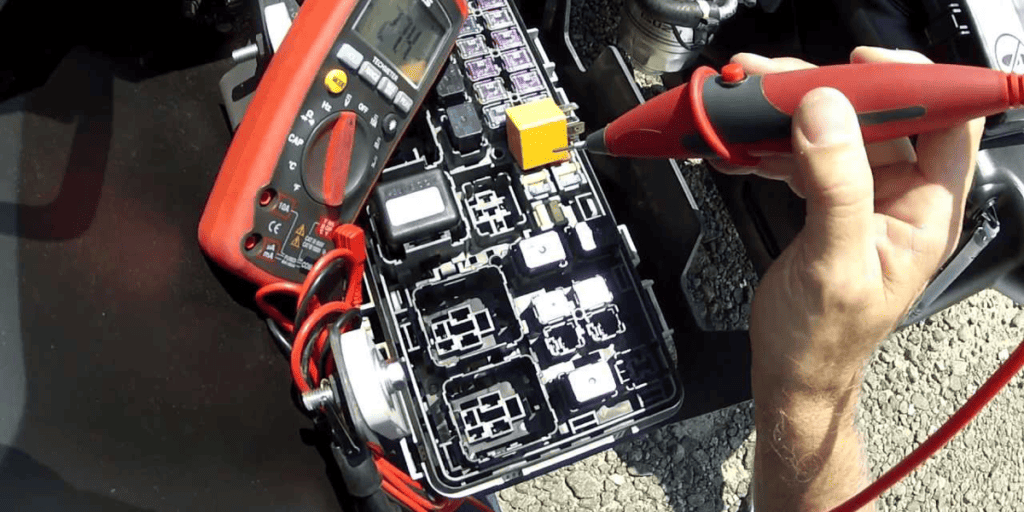
Visually inspect each sensor for dirt, corrosion, or damaged plugs; test resistance with an ohmmeter to match manufacturer specs; spin the wheel to confirm signal output.
Examine the e‑brake bracket connector, front and rear harnesses for bent pins, water intrusion, or pinches, and reseat any loose terminals.
Also check for trapped hydraulic pressure caused by collapsed flex hoses, which can mimic sensor faults by affecting wheel behavior.
Test & Replace Faulty Brake‑Light Switches That Disrupt Descent Control
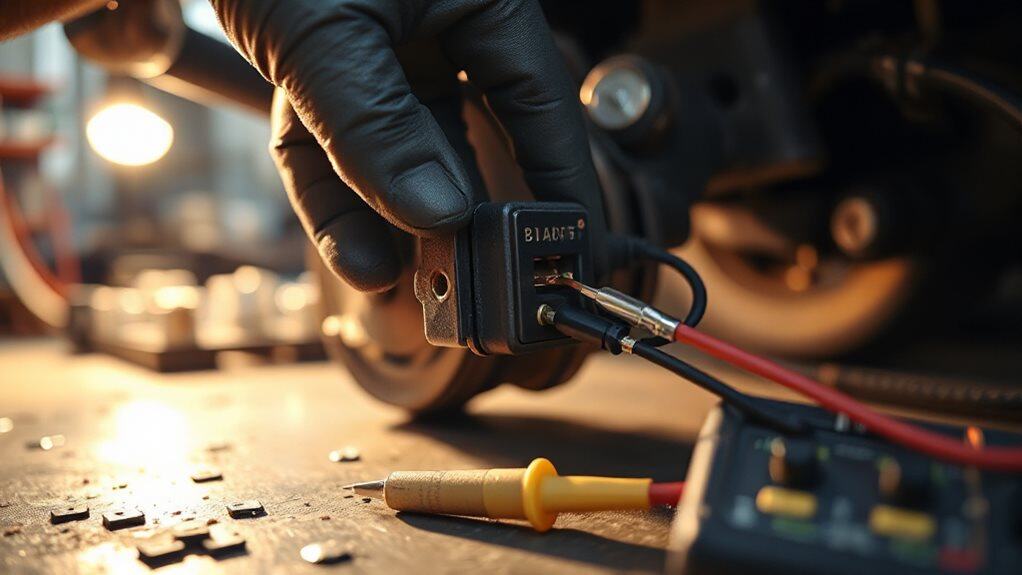
Ever wondered why your hill‑descent‑control (HDC) warning lights up even though the brakes seem fine? The brake‑light switch (SW 6874) sits under the dash, linking pedal pressure to the HDC module. Test it by pressing the pedal; lights should flash and go out.
If they stay on or won’t turn off, disconnect the connector and scan for codes. Replace the switch—rotate it 90°, reconnect, and drive 30 minutes. The warning disappears, lights normalize, and accessory mode returns. Mixing fuel from different stations generally poses no issues, provided the fuel meets manufacturer requirements, but inconsistent fuel quality can sometimes cause unrelated drivability problems.
Reset Battery Voltage to Clear Descent‑Control Faults
The brake‑light switch test shows that many HDC warnings stem from electrical issues, and one of the most common culprits is an unstable battery voltage. Disconnect the negative terminal, wait thirty seconds, then reconnect securely, cleaning any corrosion. Start the engine, let it idle, and drive a short hill at low speed, steering lock‑to‑lock. Verify the HDC light clears; if not, scan for fault codes. For consistently reliable cold‑weather starts in larger vehicles, consider a jump starter with high peak amperage to ensure sufficient cranking power.
Spot Control‑Module Glitches – Re‑flash or Replace?
Why do control‑module glitches keep resurfacing after you’ve cleared the battery voltage?
The ABS/AdvanceTrac module often retains voltage irregularities that trigger Hill Descent Control faults and random traction warnings.
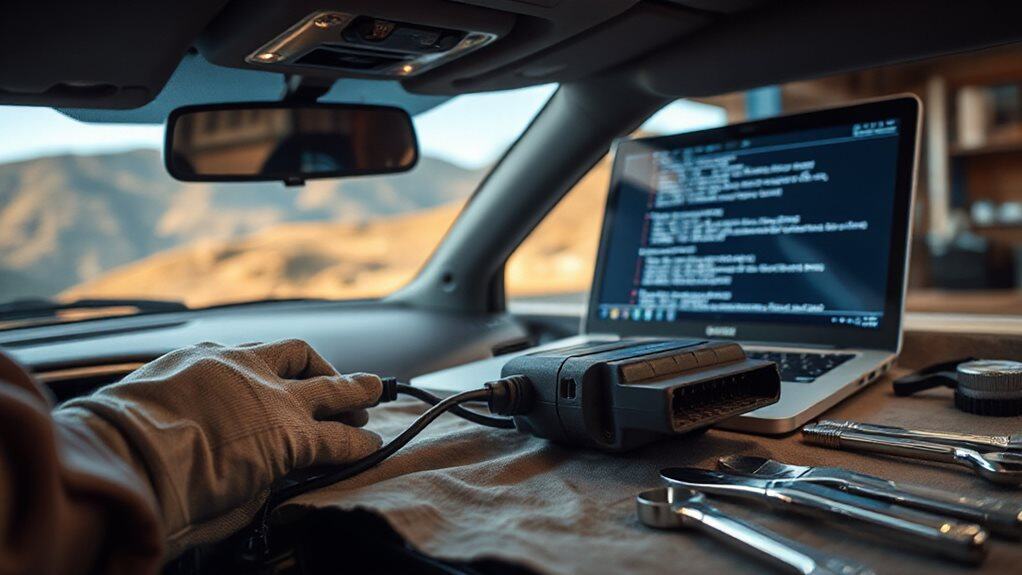
First, secure all grounds and cables, then run a full OBD‑II scan.
If faults persist, a dealer‑performed firmware re‑flash may clear communication errors.
Re‑flash fails or codes reappear, replace the module, especially when ABS lights stay illuminated.
Consider also inspecting the engine‑to‑chassis ground wire to ensure a solid electrical return path.
How to Swap Bad ABS Sensors in a Few Minutes
Where can you start when an ABS sensor fails and the Hill Descent Control warning flashes? First, park, engage the brake, and chock wheels. Disconnect the battery, jack the vehicle, and secure it on stands. Remove the wheel, spray penetrating oil, then locate and unplug the sensor. Loosen its bolt, pry it out, clean the hole, apply grease, install the new sensor, torque the bolt, reconnect wiring, reinstall the wheel, lower the car, and clear codes with an OBD‑II scanner. Regular maintenance like cleaning and lubricating tracks and components can prevent related mechanical failures that may lead to sensor or system issues.
Road‑Test the Repair & Re‑calibrate Descent Control

After swapping the faulty ABS sensor, you need to confirm that Hill Descent Control (HDC) actually works and that any related sensors are properly calibrated. Activate HDC, note the green speed‑reduction light, and drive a steep, slippery grade. Adjust speed with SET + / ‑ or pedal, watch brake lights, and ensure the system deactivates at 40 mph. Finally, run a post‑scan to verify no fault codes remain.
Wrapping Up
By following the steps you’ve just read, you’ll pinpoint the exact cause of a hill‑descent‑control fault, repair or replace the faulty component, and verify the fix with a road test. Remember to check sensor wiring, brake‑light switches, battery voltage, and the ABS module before swapping parts. After each repair, clear any stored trouble codes and recalibrate the system to ensure reliable operation on steep grades. This systematic approach minimizes downtime and restores full descent‑control functionality.