Engine knocking at idle only can be caused by several issues. Carbon buildup in the combustion chambers creates hot spots that trigger knocking, especially at low speeds. Worn or fouled spark plugs, incorrect ignition timing, or low-quality fuel with poor octane can also disrupt proper combustion. Vacuum leaks from cracked hoses or intake problems allow unmetered air, causing lean mixtures that result in knocking. Worn engine bearings or damaged mounts may increase vibrations transmitted as knocking sounds. Understanding these causes helps you identify and fix the problem—continue exploring to learn more.
Quick Tips
- Carbon deposits create hot spots that cause knocking during idle by pre-ignition.
- Worn or fouled spark plugs can misfire, leading to knocking only at idle.
- Vacuum leaks introduce unmetered air, causing lean mixtures and knocking at idle.
- Engine mounts that are loose or damaged increase vibrations, making knocking more noticeable at idle.
- Incorrect ignition timing, especially if too advanced, can trigger knocking exclusively at idle.
Could Carbon Buildup Cause Your Engine to Knock at Idle?
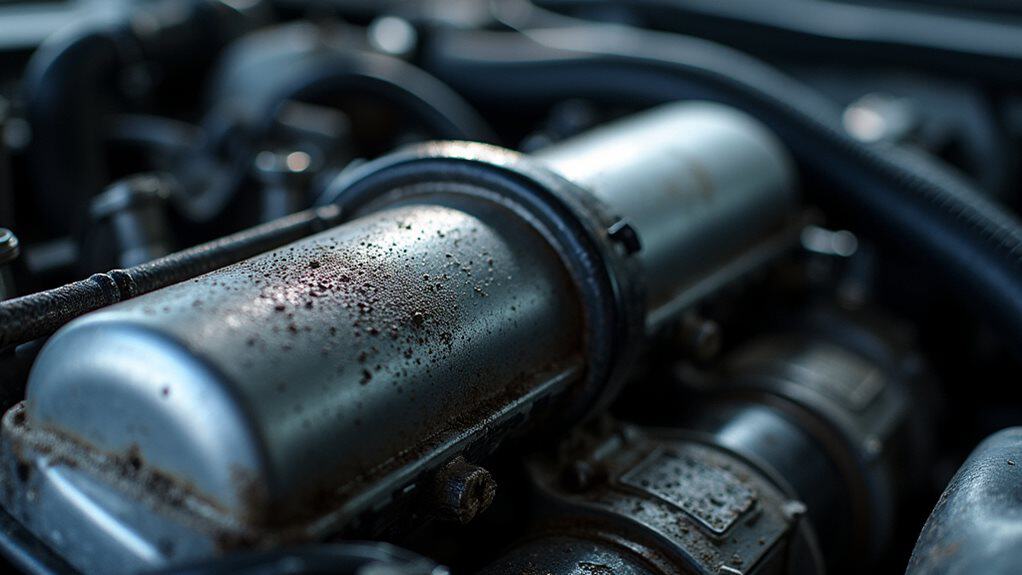
Carbon buildup on engine valves and pistons can considerably contribute to knocking sounds at idle. This buildup creates hot spots that may cause pre-ignition, where the fuel-air mixture ignites prematurely.
It also increases local compression, leading to uneven combustion. Regular cleaning of carbon deposits helps prevent these issues, reducing engine knocking and maintaining smooth idle performance. Additionally, neglecting proper lubrication and maintenance can worsen damage and even lead to engine seizure if left unchecked.
Are Worn Spark Plugs or Ignition Timing Responsible for Idle Knocking?
Worn spark plugs or incorrect ignition timing can play a significant role in causing engine knocking at idle. Worn spark plugs with fouled electrodes may misfire, leading to incomplete combustion that results in knocking sounds.
Similarly, if ignition timing is too advanced, combustion occurs too early, causing idle knocking. Proper timing guarantees smooth combustion and prevents misfiring and knocking during idle conditions. Additionally, ensuring components like electronic devices that impact ignition systems are properly maintained can help prevent idle knocking.
Can Low-Quality Fuel Lead to Engine Knocking at Idle?
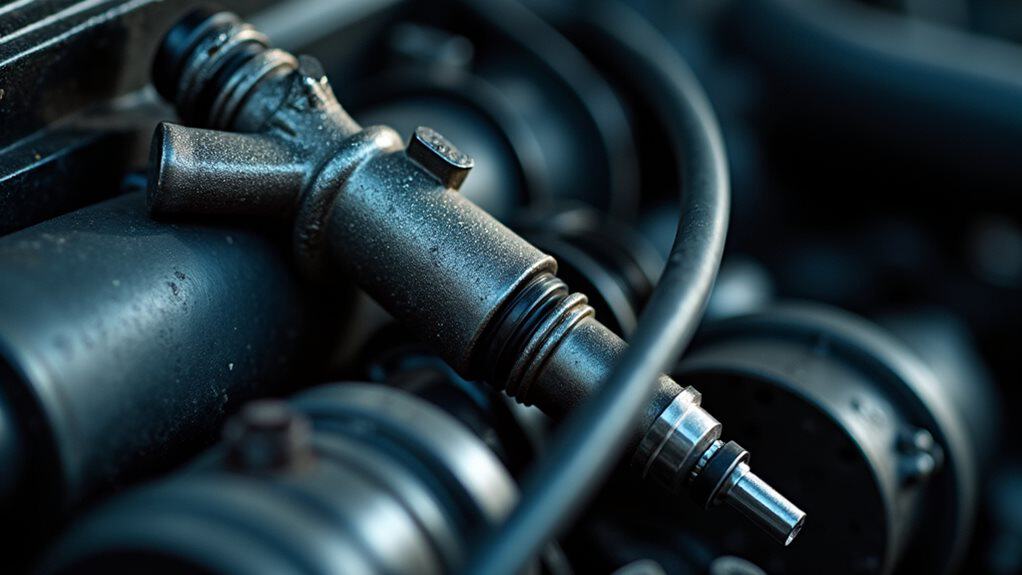
Have you ever wondered how the quality of fuel affects your engine’s performance, especially at idle? Low-quality fuel, with high ethanol content or contaminants, can cause engine knocking by disrupting proper combustion.
Poor-grade fuel leads to inconsistent combustion, carbon buildup, and insufficient octane, all of which can create hot spots and trigger knocking during low engine speeds.
Proper handling and disposal of solvents like acetone can help prevent soil contamination and reduce environmental hazards.
Could Vacuum Leaks Be Causing Your Engine to Knock?
Vacuum leaks are a common but often overlooked cause of engine knocking at idle, and understanding how they work can help you diagnose and fix the problem.
When vacuum leaks occur, unmetered air enters through cracks or disconnected hoses in the intake manifold, causing a lean mixture. This imbalance can produce knocking sounds and high-pitched hissing, especially at idle. Regular alternator and charging system checks can help rule out electrical causes and ensure accurate diagnostics by monitoring charging system performance.
Are Mechanical Issues Like Worn Bearings Causing Idle Engine Knocks?
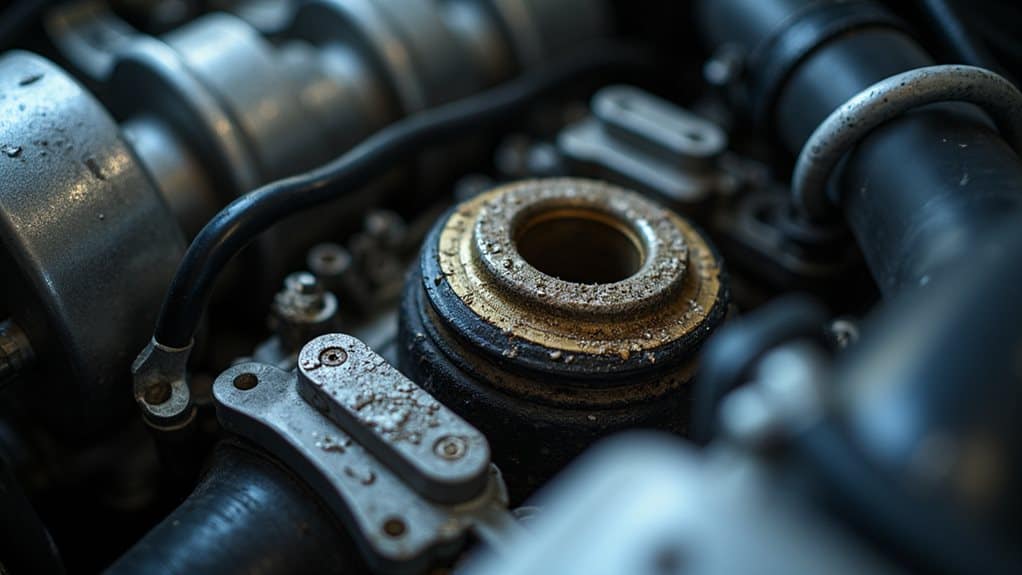
Mechanical issues such as worn engine bearings can be a significant cause of knocking sounds at idle, especially when the engine isn’t under load. Worn bearings create increased clearance, resulting in metal-to-metal contact, which produces a knocking sound.
Poor lubrication accelerates this wear, making the knocking more noticeable at engine idle and often indicating internal damage needing inspection. Proper diagnosis should also include checking related systems like engine grounding and electrical integrity to rule out ancillary causes.
Could Loose or Damaged Engine Mounts Contribute to Idle Knocking?
Loose or damaged engine mounts can substantially contribute to idle knocking by allowing excessive engine movement within the engine bay.
This movement transfers engine vibration to the chassis, creating knocking or clunking sounds.
Damaged mounts amplify existing vibrations, making idle knocking more noticeable, especially when the engine isn’t under load.
Securing or replacing faulty mounts reduces engine movement and associated noises.
Additionally, worn mounts can exacerbate vibration by failing to dampen engine movement, increasing noise transmission to the cabin.
How Do You Diagnose the Cause of Idle Engine Knocking Step-by-Step?
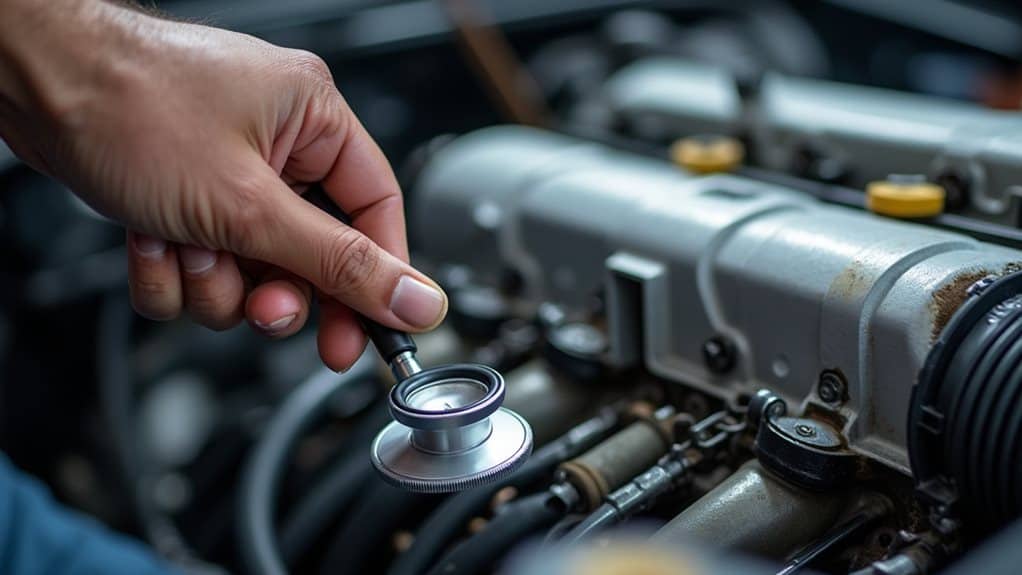
To diagnose idle engine knocking, start by carefully listening to determine the exact location and nature of the sound. Note whether it’s sharp, dull, steady, or intermittent.
Next, check engine components such as belts, motor mounts, and heat shields for looseness or damage, as these can transmit knocking noises.
Finally, inspect the spark plugs, ignition timing, fuel quality, and look for carbon buildup inside the combustion chamber to identify potential causes of knocking at idle.
Identify Sound Source
When diagnosing the source of engine knocking during idle, the first step is to carefully listen for the specific location and nature of the noise.
Use a mechanic’s stethoscope or long screwdriver to identify if the knocking sound originates from engine components like the valvetrain or bottom end.
Observe if the sound changes with different idle RPM or throttle.
Check Engine Components
Before you begin inspecting engine components, it’s vital to understand that engine knocking at idle can stem from various causes related to ignition, timing, or mechanical parts.
Check the spark plugs for wear or fouling.
Confirm engine timing is correct.
Verify that engine mounts and loose parts like belts or pulleys are secure.
Use a check engine light to guide further diagnosis.
What Are Common Repairs for Engine Knocking at Idle?
Engine knocking at idle can often be addressed through a series of targeted repairs that focus on the vehicle’s mechanical components.
To fix engine knocking and reduce engine noise, you might tighten or replace loose flywheel bolts, inspect and replace worn clutch parts, or make certain engine mounts are secure.
These repairs directly target the engine parts causing the idle-specific knocking.
When Should You Seek Professional Help for Engine Knocking?
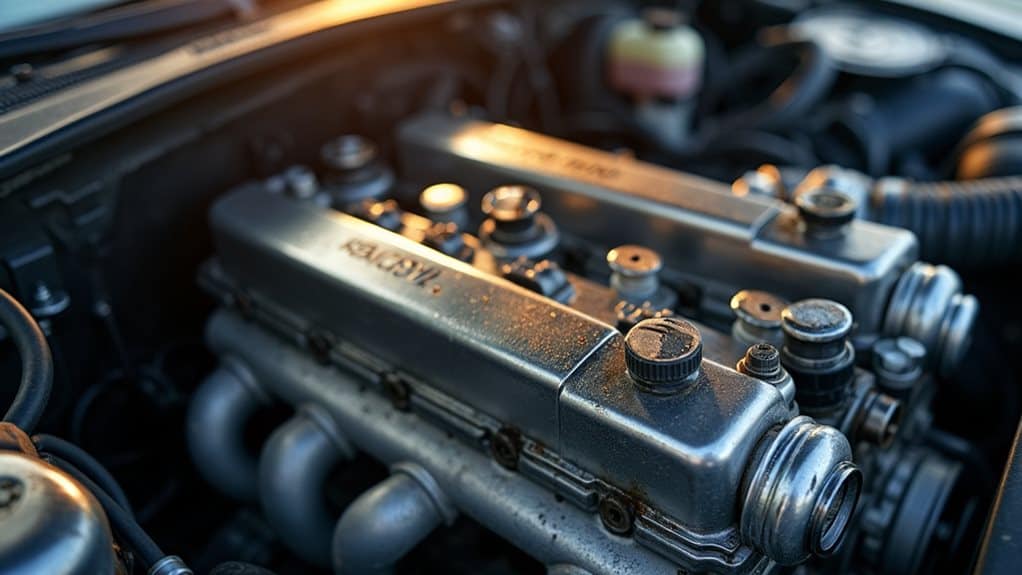
If the engine knocking persists after checking for loose parts and ensuring proper oil and spark plug conditions, it’s time to consult a professional mechanic.
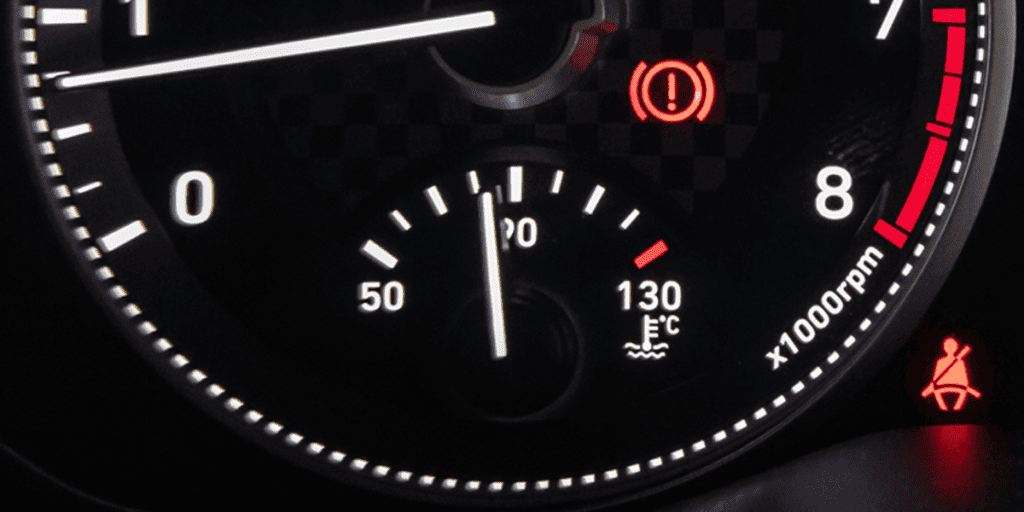
You should also seek help immediately if the knocking worsens or is accompanied by warning lights, smoke, or noticeable loss of power, as these indicate serious issues.
Additionally, if the noise continues despite inspecting components like the flywheel bolts, clutch, or engine mounts, or if the knocking only occurs at idle but not during acceleration, a qualified technician must evaluate the vehicle to prevent further damage.
Persistent Noise Changes
Persistent engine knocking that remains at idle and gradually worsens over time is a clear sign that you should seek professional diagnosis.
If the knocking sound persists at idle and the engine noise becomes more noticeable, it might indicate issues with engine components or mechanical problems.
Addressing these early prevents further damage and guarantees your engine’s smooth operation.
Engine Performance Issues
When engine knocking at idle continues despite basic maintenance, it’s a clear sign you need professional help.
Persistent knocking, especially if linked to engine performance issues or a check engine light, indicates problems within the combustion chamber or fuel system.
An idle engine that knocks regularly may signal underlying issues requiring expert diagnosis to prevent further damage.
Unusual Vehicle Behavior
Unusual vehicle behavior during engine knocking at idle is a clear sign that professional diagnosis is needed.
If you notice rough running, stalling, vibrations, rattling, or the check engine light, it indicates potential engine damage.
When knocking changes with temperature or load, or persists despite simple checks, seeking expert help guarantees proper diagnosis and prevents further issues.
Wrapping up
If your engine knocks at idle, start by inspecting common causes such as carbon buildup, worn spark plugs, or ignition timing issues. Check for vacuum leaks, mechanical wear, or loose engine mounts, as these can also contribute. Use a step-by-step diagnostic process to identify the root cause, and address repairs promptly. When in doubt, consult a professional mechanic to guarantee proper diagnosis and avoid further engine damage.