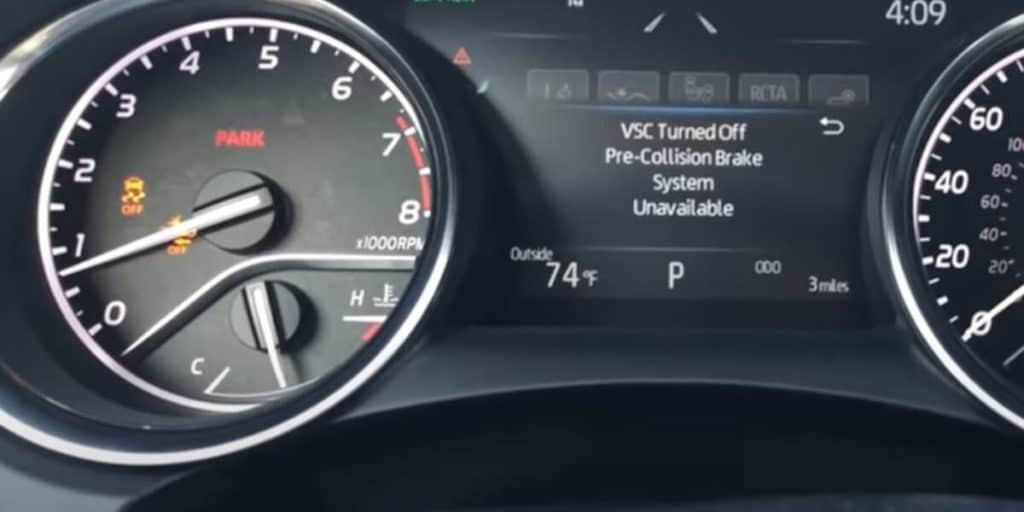
You can usually drive with the check engine light on, but it depends on whether it’s steady or flashing and if your vehicle exhibits symptoms like rough idling or overheating. A steady light often indicates minor issues that may not require immediate stops, while a flashing one signals serious problems such as engine misfire, risking damage. Ignoring warning signs or unusual behavior can lead to costly repairs or safety risks. Continuing will reveal how to determine the urgency and when to seek professional help.
Quick Tips
- A steady check engine light generally indicates a minor issue, but should still be inspected promptly.
- A flashing light signals a serious problem, such as engine misfire, requiring immediate attention.
- If the vehicle shows symptoms like rough idling or overheating, stop driving and seek help.
- Ignoring the warning can cause further damage, costly repairs, or safety hazards.
- Use an OBD-II scanner to diagnose the issue and determine if it’s safe to continue driving.
What Does the Check Engine Light Mean?
The check engine light is an indicator connected to your vehicle’s onboard diagnostics system (OBD-II), which constantly monitors sensors related to engine performance and emissions.
When it detects parameters outside normal ranges, it triggers the light. This signals a need for a diagnostic check, where trouble codes stored in the system help identify specific issues.
Making it generally safe to drive until inspected. However, if the issue involves battery-related voltage or electronic control modules, have the battery system and codes checked promptly to avoid further damage.
Is It Safe to Keep Driving With the Light On?
Whether it’s safe to keep driving with the check engine light on depends on the severity of the issue and how your vehicle behaves.
A steady light usually indicates a non-urgent problem that may allow for limited driving, but you should have it checked soon to prevent further damage.
If the light flashes or your car shows signs like rough idling, overheating, or stalling, continuing to drive can cause serious damage and should be avoided until inspected.
Regular maintenance, including checking components like the cabin air filter, can help prevent issues that might trigger warning lights.
Severity of the Issue
Driving with a check engine light depends heavily on the nature of the issue it indicates. A steady light often signals a minor problem, making it generally safe to keep driving.
However, a flashing light signals a serious issue, like engine misfire. Diagnostics are essential to assess severity, as continuing could cause damage to sensors or components.
This damage could make it unsafe to keep driving.
Vehicle Behavior Signals
Vehicle behavior provides important clues about whether it’s safe to continue driving with the check engine light on.
If your vehicle exhibits symptoms like rough idle, engine misfires, or unusual noises, it indicates potential damage, making it unsafe to keep driving.
Monitoring warning lights and vehicle symptoms helps you decide when to seek professional help and avoid further issues.
How Can You Tell If It’s Urgent or Not?
The behavior of the check engine light is a primary indicator of how urgent the situation might be.
A steady check engine light often signals a mechanical issue that isn’t urgent if there are no symptoms like strange noises or performance problems.
However, a flashing check engine light, especially with symptoms like rough idling or loss of power, indicates a severe engine problem requiring immediate diagnosis and drive safely.
Regularly monitoring other dashboard warnings, since multiple warning lights can indicate underlying electrical or system issues.
Common Causes That Require Immediate Attention
When the check engine light flashes, it often indicates a serious problem such as an engine misfire, which can cause damage if not addressed immediately.
Overheating signs, such as high temperature readings or steam coming from the engine, require urgent inspection to prevent engine failure.
Severe emission issues, like a failing catalytic converter, can also trigger a flashing light and pose safety risks, making prompt diagnosis essential.
If the pedal feels unusually soft even after bleeding, consider checking for soft brake pedal causes beyond air, such as leaks or master cylinder issues.
Engine Misfire Signs
Have you ever felt your engine stumble or hesitate while driving? An engine misfire often causes rough idling, which impacts your car’s performance.
If the engine light blinks or stays on, it indicates a serious problem. Ignoring these signs can lead to further damage, requiring diagnostic equipment.
As a car owner, timely attention prevents a serious engine failure.
Overheating Indicators
Since overheating can cause significant damage to your engine, recognizing the warning signs early is essential. The overheating indicator lights up when engine temperature exceeds safe limits, often due to low coolant levels, a faulty radiator fan, or a broken water pump.
If this occurs, stop engine immediately to prevent engine damage. Regular maintenance helps monitor coolant and radiator components effectively.
Severe Emission Problems
Severe emission problems can cause the check engine light to flash or stay illuminated, signaling that your vehicle’s emission control system is malfunctioning. Issues like a faulty catalytic converter or oxygen sensor can increase emissions, lead to emissions testing failure, and cause environmental harm.
Diagnosing and repairing these problems promptly is essential to prevent costly repairs and reduce harmful pollutants.
What Are the Risks of Ignoring the Warning?
Ignoring the check engine light can lead to serious consequences for your vehicle’s health and safety. Continuing to drive without addressing sensor issues or engine problems risks further engine damage, costly repairs, and increased emissions.
Diagnostic equipment is needed to identify issues, but neglecting the warning may cause more severe damage, lowering vehicle safety and increasing repair costs. Highway driving vibrations can indicate failing components that may cause serious trouble if not inspected and repaired promptly.
When Should You See a Mechanic for Diagnosis

You should see a mechanic for diagnosis immediately if the check engine light is flashing, as this signals a serious issue like engine misfire or overheating requiring urgent attention.
Use an OBD-II scanner for diagnostic testing to read fault codes.
Schedule a professional mechanic if the vehicle stalls, the light stays on, or if you notice unusual noises, smells, or power loss.
Also consider checking for transmission-related codes with an OBD-II scanner, particularly P0700 which can indicate a general transmission fault.
Wrapping up
If your check engine light appears, do not overlook it. While it may indicate minor issues like a loose gas cap, it could also signal serious problems such as engine misfires or emissions system failures. Driving cautiously and monitoring for additional symptoms is wise. However, for an accurate diagnosis and to prevent further damage, it’s crucial to have a professional mechanic inspect your vehicle promptly. Addressing the warning early guarantees safety and maintains vehicle performance.