
A cold air intake can marginally enhance engine performance, improving throttle response and producing a sportier sound, but for daily driving, benefits are modest—typically 5-15 horsepower. It may not substantially increase fuel economy and requires proper installation, regular maintenance, and considering regional legality. Costs vary from $200 to $400, and the gains often aren’t noticeable during normal use. To decide if it’s worth it, you’ll need to evaluate your driving priorities; more detailed understanding follows.
Quick Tips
- Power gains are minor and may not significantly improve daily driving performance or fuel economy.
- Proper installation and quality components are essential for reliable, safe operation in everyday use.
- Cost and maintenance may outweigh the modest performance benefits for routine driving.
- Legal and regional regulations could restrict or impact the legality of cold air intakes.
- Benefits are maximized with additional modifications, but may not justify the investment for casual daily drivers.
What Are Cold Air Intakes and How Do They Improve Your Daily Drive?
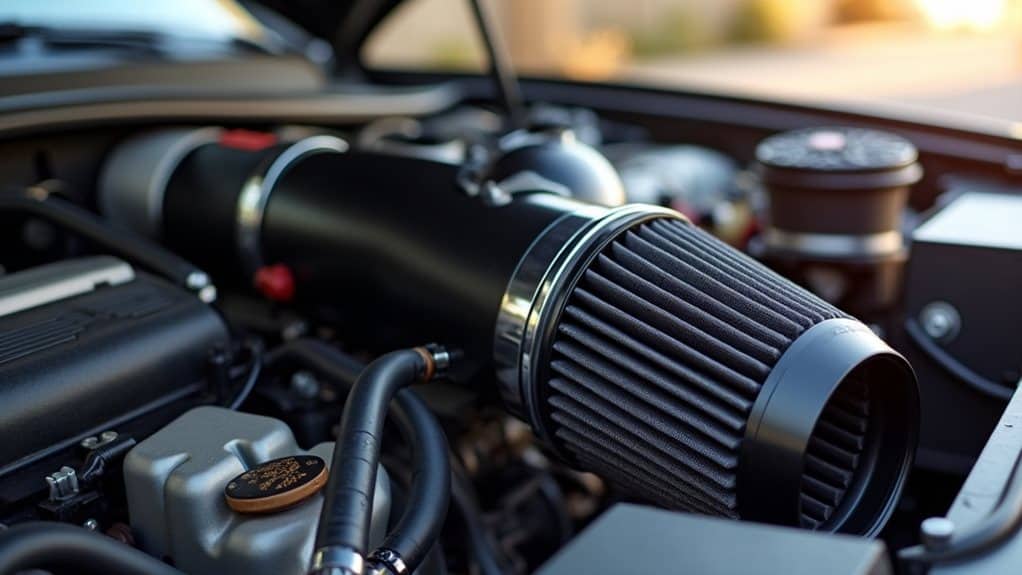
A cold air intake is a modification designed to replace your vehicle’s factory air intake system, with the goal of improving engine performance. It draws cooler, denser outside air into the engine, increasing airflow.
The air filter in a cold air intake is larger and designed for high flow, reducing restrictions and enhancing overall performance, throttle response, and engine sound. Warm, moisture-laden interior air can cause condensation on windows when temperature differences exist between inside and outside the vehicle.
Are Cold Air Intakes Worth It for Daily Drivers?
While cold air intakes can provide a modest increase in horsepower, often between 5 and 15 horsepower, this improvement may not be noticeable during normal daily driving.
They can enhance throttle response and engine sound, which might make your drive feel slightly more responsive, but they usually don’t substantially improve fuel economy.
Considering the cost of $200 to $400, it’s important to evaluate whether the performance gains and maintenance requirements justify the investment for your specific vehicle and driving habits.
Regular checks of cabin air filters and vents can help maintain overall airflow and HVAC performance, which is important for daily comfort and vehicle efficiency.
Modest Power Improvements
Although cold air intakes can provide some increase in engine power, the gains are generally modest, typically adding around 5 to 10 horsepower.
For daily drivers, these modest power gains often go unnoticed, and improvements in fuel economy are minor.
Since factory systems already optimize air intake, aftermarket upgrades usually don’t deliver significant performance benefits, making the cost less justifiable.
Maintenance and Durability
Maintenance and durability are important considerations when evaluating whether a cold air intake is a worthwhile upgrade for daily drivers. Reusable filters, like those from K&N, require cleaning and oiling every 30,000 to 50,000 miles, which is manageable.
Durable materials such as aluminum or composite plastics resist corrosion, ensuring the intake system can last 50,000 miles or more with proper maintenance.
Cost-Benefit Balance
Evaluating whether a cold air intake is worth the investment for daily driving involves analyzing the balance between cost and performance gains.
The modest horsepower increase of 5-15 hp and slight fuel economy improvements often don’t justify the $200-400 cost.
Additionally, risks like warm air intake and potential warranty issues may outweigh the limited performance benefits for everyday use.
How Do Cold Air Intakes Affect Performance and Engine Sound?
Cold air intakes improve engine response by increasing airflow, which can make acceleration feel more immediate and smooth.
They also produce a deeper, more aggressive engine sound, especially at higher RPMs, due to enhanced intake noise.
While power gains are modest—typically around 5 to 15 horsepower—they can contribute to better throttle control and overall engine efficiency.
Perfecting your Edelbrock electric choke adjustment helps ensure reliable cold starts and consistent performance by regulating the choke’s operation during warm-up, so proper calibration is important for optimal engine behavior and emissions control; see Edelbrock electric choke.
Enhanced Throttle Response
When you install a cold air intake, you often notice an immediate improvement in throttle response, which is how quickly your engine reacts to your accelerator input.
This is because the Cold Air Intake System increases airflow, providing denser, cooler air for combustion.
The result is a more responsive engine, especially at higher RPMs, with reduced airflow restrictions enhancing overall driving feel.
Aggressive Engine Sound
Installing a cold air intake can substantially alter the sound of your engine, often making it deeper and more aggressive, especially during acceleration.
Increased airflow enhances engine responsiveness and amplifies turbo or supercharger sounds in performance cars. Some intakes include sound chambers to modify this effect.
Power and Efficiency Gains
Have you ever wondered how a simple modification like a cold air intake can impact your vehicle’s performance? Cold air intakes provide modest power gains of 5-15 horsepower by increasing airflow efficiency, especially during acceleration.
Cooler, denser air improves combustion, which can marginally enhance fuel economy and responsiveness.
Making your engine run more effectively without significant downsides.
What Types of Cold Air Intakes Are Available and Which Are Best?
Cold air intakes are available in several configurations, each designed to optimize airflow and filtration in different ways. These include open filters, enclosed sealed boxes, short ram, and true cold air setups.
Your choice of intake system depends on your vehicle, goals, and legal restrictions. Reusable filters like K&N offer durability but require maintenance, while dry synthetic filters need less upkeep. Local recycling centers may accept old brake rotors for repurposing or disposal, so check their recycling policies before getting rid of parts.
Which Brands Make the Best Cold Air Intakes?
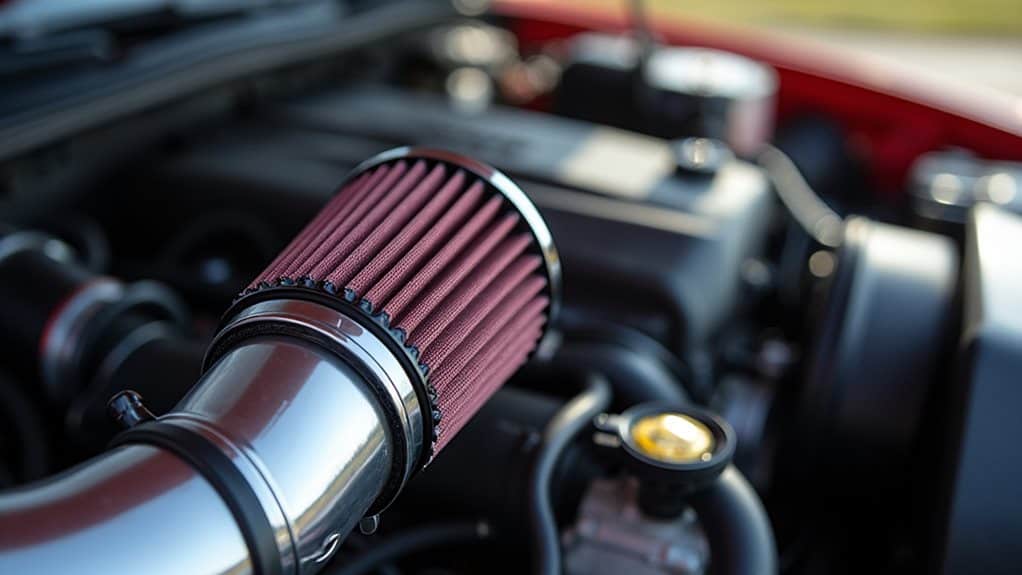
Several brands are recognized for producing high-quality cold air intakes that deliver reliable performance and durability. K&N, AEM, Injen, and Cobb are among the best cold air intakes, known for performance gains. K&N offers reusable filters, AEM features advanced airflow designs, Injen provides tuned systems, and Cobb emphasizes compatibility with turbocharged engines, ensuring you choose a system suited to your needs. Many performance-focused intake systems also prioritize reduced intake temperatures and improved airflow efficiency through engineered designs like advanced airflow.
Are There Risks or Downsides to Installing a Cold Air Intake?
Installing a cold air intake can carry certain risks and downsides that should be carefully considered before making a modification.
While performance gains are often the goal, poor-quality kits or improper installation may result in no gains or even power loss.
Water ingestion during heavy rain can cause hydro-lock, which can damage the engine.
Compatibility issues might lead to improper fit, sealing problems, or the need for additional modifications.
Choosing components that ensure even weight distribution can help reduce stress on related systems and improve overall reliability.
Will a Cold Air Intake Improve Your Fuel Economy?
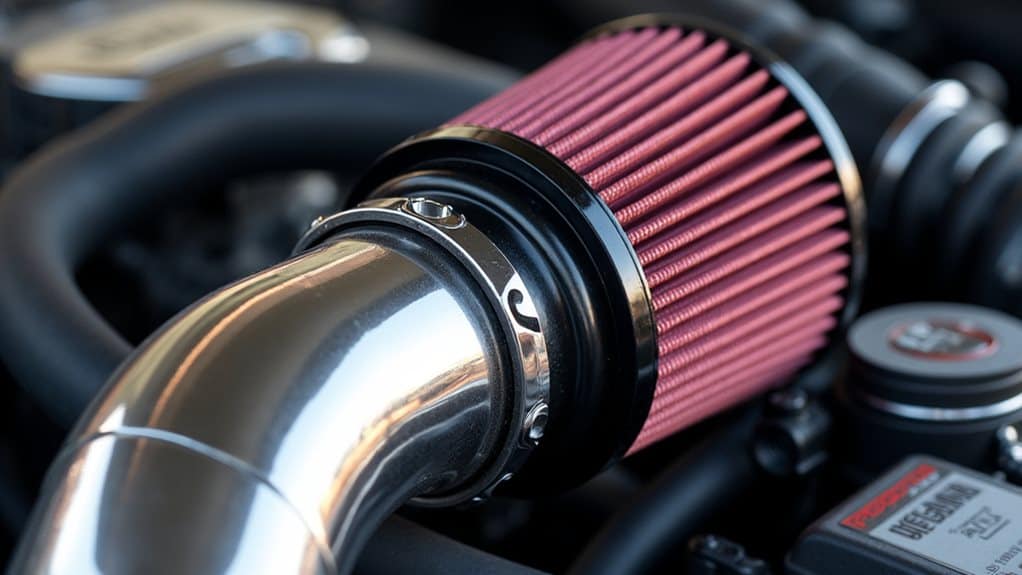
Although a cold air intake has the potential to improve fuel economy, the benefits are usually modest and depend on factors like engine type, driving style, and installation quality.
Increased airflow can enhance efficiency and combustion, especially in turbocharged engines. However, aggressive driving resulting from better responsiveness may offset gains, making overall fuel savings less predictable and often limited.
Is a Cold Air Intake Right for Your Car and Driving Needs?
Deciding whether a cold air intake is suitable for your vehicle depends largely on your specific driving needs and the characteristics of your car.
For daily driving, cold air intakes offer modest performance benefits, such as improved throttle response and engine responsiveness.
However, they often don’t provide significant horsepower gains.
Proper installation and regional legality are important considerations for ensuring maximum performance and compliance.
Wrapping up
A cold air intake can enhance engine performance and sound, but its benefits depend on your vehicle and driving habits. While it may improve throttle response and potentially fuel economy, it also poses risks like increased engine noise or contamination if not properly maintained. Consider your car’s compatibility, your maintenance capacity, and specific driving needs before installation. Ultimately, a cold air intake is a practical upgrade for some daily drivers, but it’s important to weigh its advantages against possible downsides.


