A slight lurch when you shift from Park to Drive isn’t always normal; it often means the torque‑converter clutch or transmission mounts are not engaging smoothly, or the fluid is dirty or low. Cold engine conditions can exaggerate the jerk, and a worn clutch or internal component may cause harsh shifts. Check the fluid level, color, and smell, and inspect mounts for cracks or looseness. Faulty sensors such as the throttle‑position or mass‑airflow can also disrupt hydraulic timing. If you keep experiencing jerks, further details are ahead.
Quick Tips
- A slight lurch at Park‑to‑Drive is normal when the torque converter clutch engages, especially with a cold engine.
- Jerky shifts that feel harsh, occur at any temperature, or repeat across multiple gear changes indicate worn mounts, clutch, or internal transmission components.
- Low, dirty, or incorrect transmission fluid can delay hydraulic pressure, causing uneven engagement and noticeable jerks.
- Faulty sensors (throttle position, mass‑airflow) or ECU glitches can send incorrect signals, leading to abrupt shifts.
- Persistent or worsening jerks, burning smells, warning lights, or fluid leaks require professional diagnosis and possible fluid, filter, or component replacement.
Is a Jerk From Park to Drive Normal or a Sign of Trouble?
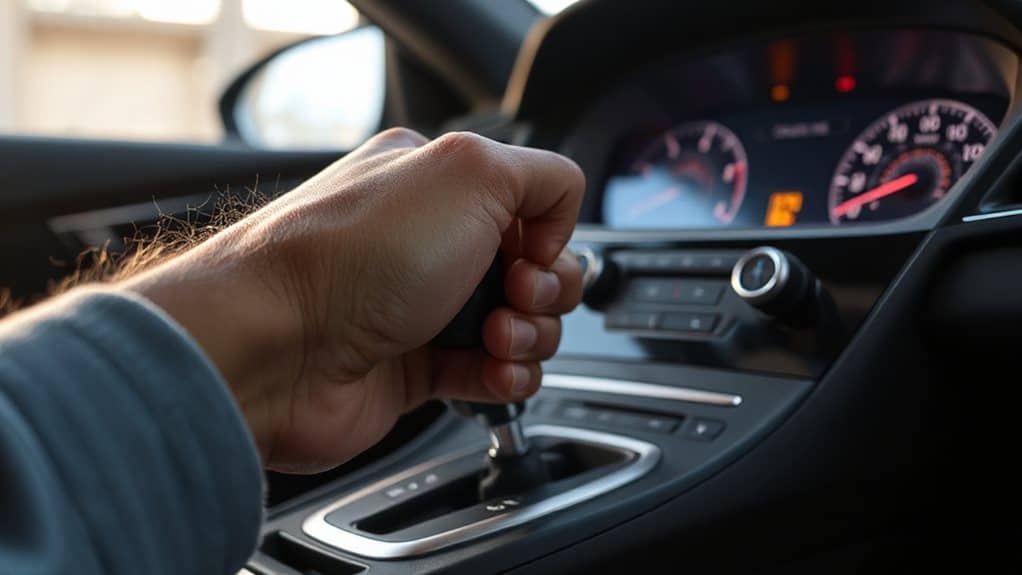
Why does your car sometimes lurch when you move the shifter from park to drive? You may feel a slight engagement because the torque converter clutch engages, especially when the engine is cold.
In models like the Jaguar F‑Type, this effect intensifies until fluid pressure builds up. Waiting two to three seconds after start lets the fluid warm, reducing the jerk. Route planning can help avoid situations where this is hazardous during busy traffic. Eco stop‑start systems can also cause a mild lurch if not disabled. A clutch that is worn out can cause similar jerking during acceleration.
Mechanical Components That Cause Jerky Park‑to‑Drive Shifts
You’ll notice that a worn transmission mount lets the whole drivetrain shift under load, which can make the Park‑to‑Drive transition feel abrupt.
A clogged filter or low‑quality fluid slows the hydraulic pressure that engages the clutch and synchronizers, so the gear lock‑up happens unevenly.
If the torque converter— the fluid coupling that multiplies engine torque—fails to spin up smoothly, the sudden surge of power can also cause a noticeable jerk.
Regular inspections of lighting and electrical systems can reveal lamp out warnings that, while primarily about exterior lights, indicate the importance of routine checks for vehicle safety and proper function.
Transmission Mount Wear
Ever notice a clunk or a sudden jolt when you move the shifter from Park to Drive? A worn transmission mount lets the transmission swing excessively, so it bangs against the frame and creates clunking noises. You’ll feel amplified vibrations in the steering wheel, floorboard, or seats, especially during acceleration. Visual signs include cracked rubber, rusted brackets, or fluid leaking near the mount, indicating misalignment and potential drivetrain damage.
Clogged Filter & Fluid
What happens when the transmission filter is clogged or the fluid is compromised? Restricted flow makes hydraulic pressure uneven, so the clutch packs engage harshly as you shift from park to drive. Dirty or low fluid worsens the problem, causing delayed or jerking shifts. Replace the filter, flush and refill with proper fluid, and verify levels to restore smooth operation.
Torque Converter Fault
Why does a car sometimes lurch when you move the shifter from park to drive? A torque converter fault can cause that jerk. If the converter clutch fails to engage or disengage smoothly, you feel shuddering, slipping, or rough shifting. Overheating may follow, worsening vibrations and power loss. Worn turbine or stator internals amplify the problem, leading to inconsistent acceleration and possible stalling.
How Bad Transmission Fluid Creates Jerky Shifts
How bad transmission fluid leads to jerky shifts is often overlooked, yet the connection is straightforward. Low fluid reduces lubrication, increasing friction and causing overheating, which delays gear engagement and creates abrupt clutch action. Contaminants block hydraulic passages, producing inconsistent pressure and clunkier shifts. Degraded additives lose friction‑modifying properties, allowing scuffing and foaming that worsen shift smoothness. Regular fluid changes restore proper hydraulic control and prevent jerky movements.
Why Idle Speed and Brake Use Affect Jerky Shifts
Low‑speed and brake interaction are often overlooked when diagnosing jerky park‑to‑drive shifts. When idle RPM dips, the transmission receives uneven torque, causing abrupt gear engagement.
Releasing the brake too fast adds sudden load, shocking the hydraulic pressure that controls clutch timing. Clean throttle bodies, proper brake fluid, and stable idle speed keep the engine‑transmission link synchronized, eliminating jerks. Local rules often limit homeowners to one junk car visible on private property, so store or dispose of inoperable vehicles promptly.
Sensor/Electronic Issues That Cause Jerky Shifts
You might notice that a faulty throttle position sensor can send wrong signals to the transmission control module, making the shift from park to drive feel jerky.
A drifting mass‑airflow sensor can misread the amount of air entering the engine, which disrupts the fuel‑air mix and leads to uneven engagement, while an electronic control unit glitch can corrupt the data used to time hydraulic pressure, causing sudden lurches.
Checking diagnostic codes for these specific sensor failures is often the first step to pinpointing the problem.
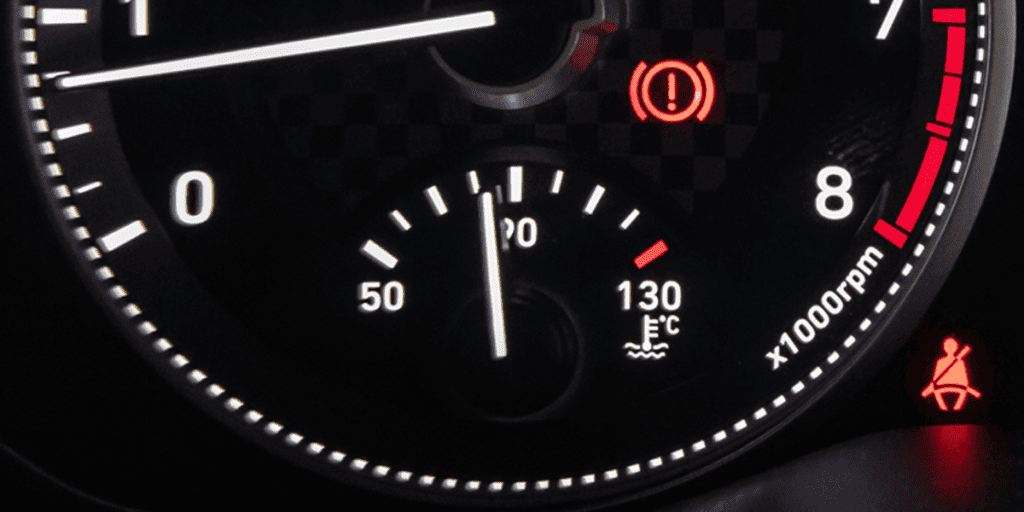
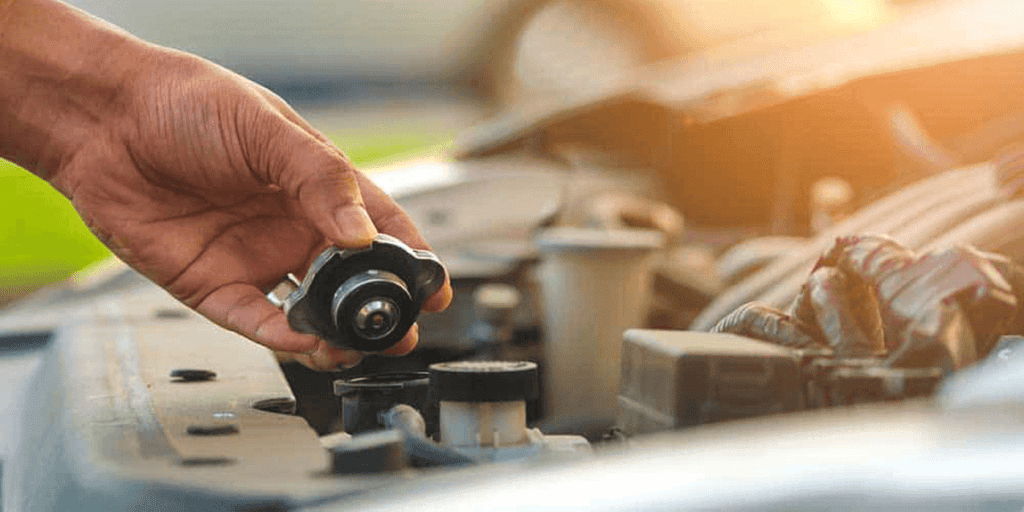
A related cause can be cooling-system problems that lead to fluctuating temperature and cause the engine and transmission to behave unpredictably.
Throttle Position Sensor Fault
What happens when the throttle position sensor (TPS) fails? The ECM receives erratic voltage, misreading pedal position, so shift timing skews. You’ll feel hesitation, jerking, or harsh gear changes, especially from park to drive. Idle may fluctuate, and fuel injection becomes uneven, causing bucking. Check‑engine light flashes, fault codes appear, and limp mode may engage to protect the transmission.
Mass Airflow Sensor Drift
Why does a car suddenly lurch when you press the accelerator? A drifting mass‑airflow (MAF) sensor feeds the ECM wrong airflow data, skewing the air‑fuel mixture. If the sensor under‑estimates flow, the engine runs lean, causing hesitation and jerky surges during acceleration or towing. Over‑estimation makes the mixture rich, leading to misfires, rough idle, and stalling. Check for error codes, clean the sensor, and verify wiring to restore proper balance.
Electronic Control Unit Glitch
When the electronic control unit (ECM) or transmission control module (TCM) glitches, the vehicle’s shift quality can deteriorate dramatically, because these computers rely on precise sensor data to time gear changes. Faulty speed, temperature, or throttle sensors feed wrong signals, causing harsh, erratic gear engagement, sudden loss of acceleration, and limp‑mode protection. Scan for ECM/TCM codes, verify sensor operation, and replace defective components to restore smooth Park‑to‑Drive shifts.
Simple Visual and DIY Checks for Jerky Shifts
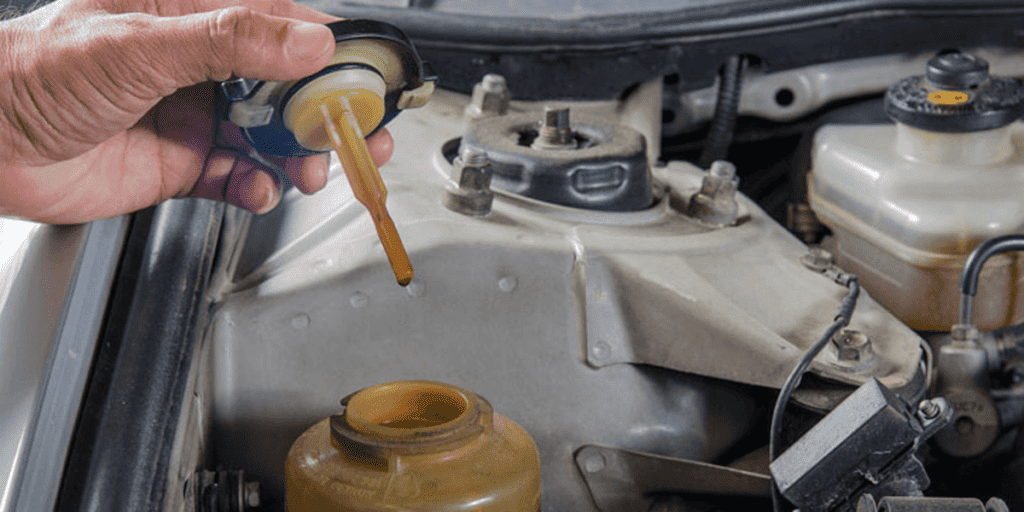
Ever notice the car lurches as you move the shifter from park to drive? First, check transmission fluid while the engine runs on a level surface; dark color or a burnt smell means it’s degraded.
Inspect mounts for cracks or looseness, listening for thumps when you shift.
Look at the filter for debris; a clogged filter can delay engagement.
Finally, scan for transmission codes and clean the throttle body if it’s dirty.
Also consider checking related electrical connections and grounds, since poor or loose grounding connections can contribute to erratic engagement.
When to Call a Professional and What They’ll Diagnose

Do you notice the car jerking only when you move the shifter from park to drive after a cold start, or does the lurch happen repeatedly across all gear changes? If jerking appears every shift, if you smell burning, see fluid leaks, or notice warning lights, call a professional. They’ll check fluid level and condition, test transmission sensors, inspect torque converter, mounts, and internal components to pinpoint wear or failure.
Transmission‑Focused Preventive Maintenance for Smooth Shifts
If the car jerks only when you shift from park to drive after a cold start, the problem often lies in the transmission’s fluid condition or wear component. Check fluid level every 3,000‑5,000 miles, especially before long trips; inspect color—transparent reddish is healthy, brown or burnt smells demand immediate change.
Replace fluid and filter at manufacturer‑specified intervals (30‑60 k mi), use correct fluid type, and examine for leaks or damaged mounts to keep shifts smooth. Prompt attention to damaged wheels, including cracked rims, can prevent additional drivability issues and safety risks.
Wrapping Up
If the vehicle jerks when you shift from park to drive, it’s likely a symptom of a mechanical, fluid, or electronic issue rather than normal behavior. Inspect the transmission fluid level and condition, verify that idle speed and brake engagement are correct, and check for worn clutch packs or faulty sensors. Addressing these problems early prevents further damage and costly repairs. When simple checks don’t resolve the jerk, schedule a professional diagnosis to ensure safe, smooth operation.