
If your engine idles fine but dies when you press the gas, the most common causes are a restricted fuel flow, sensor faults, or ignition problems. A clogged fuel filter, weak pump, or dirty injectors can drop fuel pressure and starve the engine under load. A worn throttle‑position sensor may send incorrect pedal signals, while a faulty O₂ sensor can misread exhaust and cause a lean mixture. Finally, worn spark plugs or weak ignition coils can miss sparks as the load increases. Checking each component quickly will pinpoint the issue, and further steps will show you how to fix it.
Quick Tips
- Clogged fuel filter or weak fuel pump reduces pressure, causing the engine to stall when the throttle demands more fuel.
- Faulty throttle‑position sensor (TPS) gives erratic voltage, disrupting fuel trim and leading to hesitation or death on acceleration.
- Malfunctioning oxygen sensor or its heater prevents proper fuel‑air mixture control, resulting in lean conditions under load.
- Vacuum leaks or a sticking idle‑air‑control valve (IACV) introduce unmetered air, causing a lean surge that stalls the engine when you press the gas.
- Worn spark plugs or ignition timing issues misfire under load, making the car die despite a stable idle.
Quick Diagnostic Checklist: Why Your Engine Dies When You Give It Gas
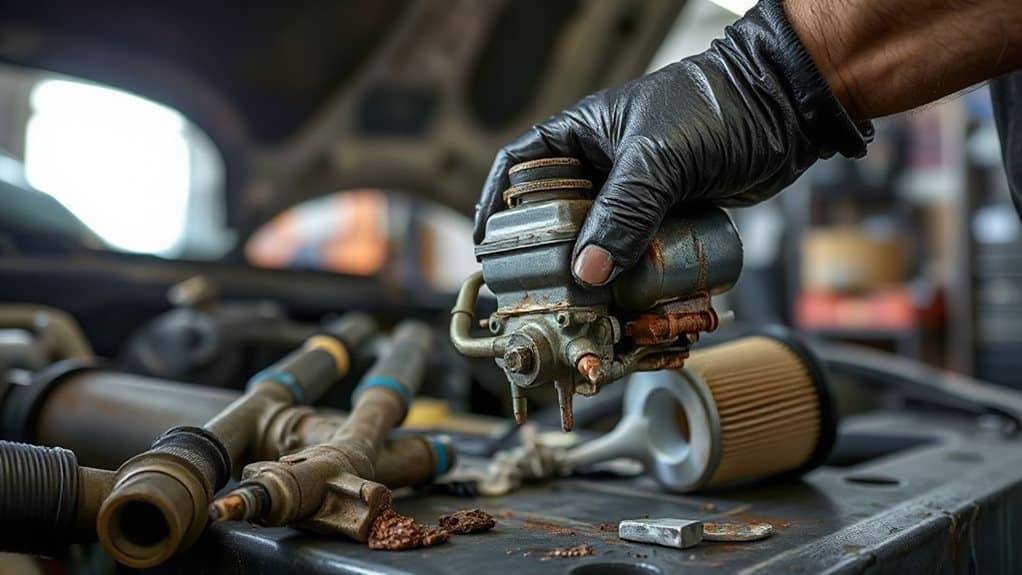
Why does your engine stall the moment you press the gas pedal? Check fuel pressure first— a clogged filter or weak pump drops pressure below specs, starving the engine.
Inspect the throttle‑position sensor; worn contacts send erratic signals, ruining the fuel‑air mix.
Verify the oxygen sensor’s response; a lazy sensor misreads exhaust oxygen, causing improper combustion.
Finally, examine spark plugs, ignition timing, and fuel octane; any deviation can prevent reliable ignition under load.
Also consider a malfunctioning secondary air injection system, which can cause incorrect exhaust readings and contribute to stalling on acceleration.
Clogged Fuel Filter → Stumble When Accelerating
When the fuel filter gets clogged, the blockage limits how much fuel can reach the engine, so you notice a weak, jerky response as soon as you press the accelerator.
This reduced fuel flow creates a lean mixture that can cause the engine to stumble, especially during the transition from idle to higher RPMs.
Watch for symptoms like hesitation, sputtering, or a noticeable loss of power when you try to speed up, because they often point to a restricted fuel delivery system.
The fuel filter acts as the gatekeeper of the fuel system, trapping impurities to protect the engine.
Consider having a professional evaluation if issues persist, since regular maintenance and inspection are important for resolving clogged fuel delivery problems.
Filter Blockage Effects
Ever wonder why a car that idles smoothly suddenly stumbles when you press the gas? A clogged fuel filter restricts flow, so when you throttle open, fuel lags behind air. The engine runs lean, causing misfires, jerking, and sputtering.
You’ll hear whining from the pump, feel rough idling, and risk low‑speed stalls as blockage worsens.
Reduced Fuel Flow Impact
What happens when you press the gas and the engine stumbles? A clogged fuel filter restricts flow, dropping pressure just as you demand more power. The pump works harder, yet injectors receive insufficient fuel, creating a lean mixture that stalls acceleration. Delayed delivery produces a noticeable lag from a stop, while the pump’s extra strain shortens its lifespan and can eventually prevent the engine from starting.
Acceleration Stumble Symptoms
Why does your car stumble the moment you press the accelerator? A clogged fuel filter starves the engine of a steady fuel stream, creating a lean mixture that causes misfires. You’ll feel jerks or stutters as the power delivery falters, especially when accelerating from idle or climbing hills.
The hesitation appears as a sputter or surge, and the engine may shudder before responding smoothly.
Fuel Pump Failure → Low Pressure on the Gas Pedal
When the fuel pump can’t keep up with the engine’s demand, the pressure in the fuel line drops the you press the gas pedal, causing a noticeable sag or hesitation.
A weak pump fails to maintain pressure above 3,000 rpm, creating a lean condition and delayed fuel delivery.
You may hear a high‑pitched whining from the tank, stall under load, or struggle to start after sitting.
The check valve wear reduces volume, so acceleration feels sluggish and power fades quickly.
Inspect the fuel pressure and filter condition to confirm the pump is the issue and rule out fuel line restrictions.
Dirty Injectors → Weak Fuel Delivery Under Load
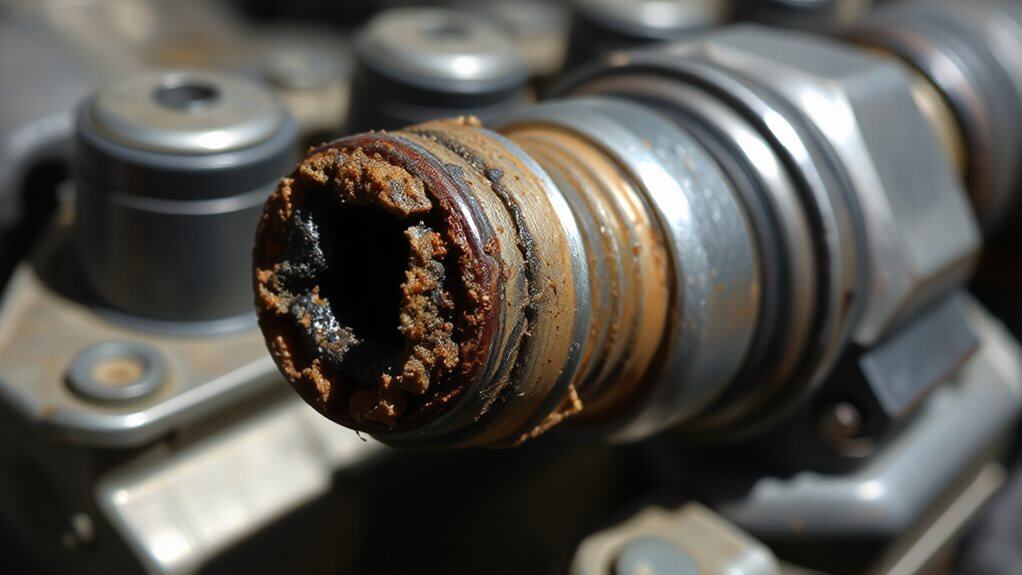
When the injectors are dirty, the fuel flow drops because grime blocks the nozzle tips, so the spray pattern becomes inconsistent.
This reduced flow may not matter at idle, but under load the engine suddenly fuel enough fuel, causing hesitation or stalling.
You’ll notice the problem especially when you press the gas pedal, as the engine struggles to maintain power.
A failing Vacuum Switching Valve can also cause similar symptoms by disrupting fuel vapor control and vacuum pressure in the system.
Reduced Fuel Flow
Ever notice your car lurches as you press the gas, even though it idles smoothly? Dirty injectors restrict fuel flow, so when you accelerate the engine receives too little fuel.
The weak delivery disrupts combustion, causing misfires, hesitation, and higher fuel consumption. You’ll see erratic RPMs and a check‑engine light, indicating the injectors can’t maintain the proper fuel‑air mixture under load.
Clogged Nozzle Tips
A clogged nozzle tip is the most common way a dirty injector limits fuel delivery when you press the accelerator. It restricts fuel flow, causing sluggish acceleration, rough idle, and stalling under light load.
You’ll notice delayed throttle response, higher fuel consumption, and occasional misfires. The check‑engine light may illuminate, and a pungent fuel smell can appear. Clean or replace the injector to restore proper spray and performance.
Inconsistent Spray Pattern
What happens when the injector’s spray pattern becomes uneven? Deposits or low‑quality fuel clog the nozzle, creating large droplets and gaps in atomization. You’ll notice rough idle, hesitation, and power loss under acceleration because fuel isn’t burning fully.
The engine control module may over‑fuel to compensate, but combustion stays incomplete, causing knocking and reduced efficiency. Clean injectors and use premium fuel to restore a fine mist.
Worn TPS Contacts → Incorrect Pedal Signal & Stalling
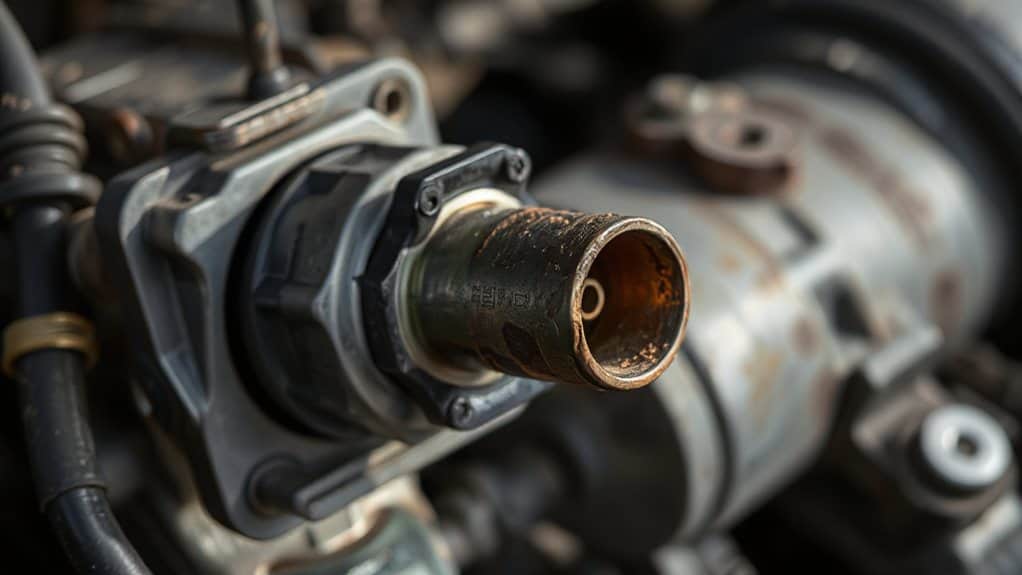
Why does a car that idles perfectly suddenly die when you press the gas? Worn throttle‑position sensor (TPS) contacts create dead spots, causing voltage to jump from 0.5 V to 4.5 V erratically instead of rising smoothly. The ECU reads these abrupt drops as a closed pedal, cuts fuel, and the engine stalls. Check for P0120‑P0124 codes, measure voltage sweep, and replace the sensor if plateaus appear. If any lubricant like WD-40 residue has contaminated nearby components, clean and inspect the affected parts immediately to avoid related performance or safety issues.
Faulty O₂ Sensor → Rich/Lean Mix When You Speed Up
When you press the accelerator and the engine suddenly stalls or surges, a faulty oxygen sensor is often to culprit. The sensor sits in the exhaust, sending oxygen levels to the ECU. If it misreads, the ECU may add too much fuel (rich) or too little (lean).
You’ll feel hesitation, misfires, or black smoke, and fuel economy drops sharply. Faulty wiring or a failed heating element in a 4-wire sensor can prevent the sensor from reaching operating temperature, worsening misreads and causing stalling.
Clogged IACV → Idle‑to‑Gas Transition Problems
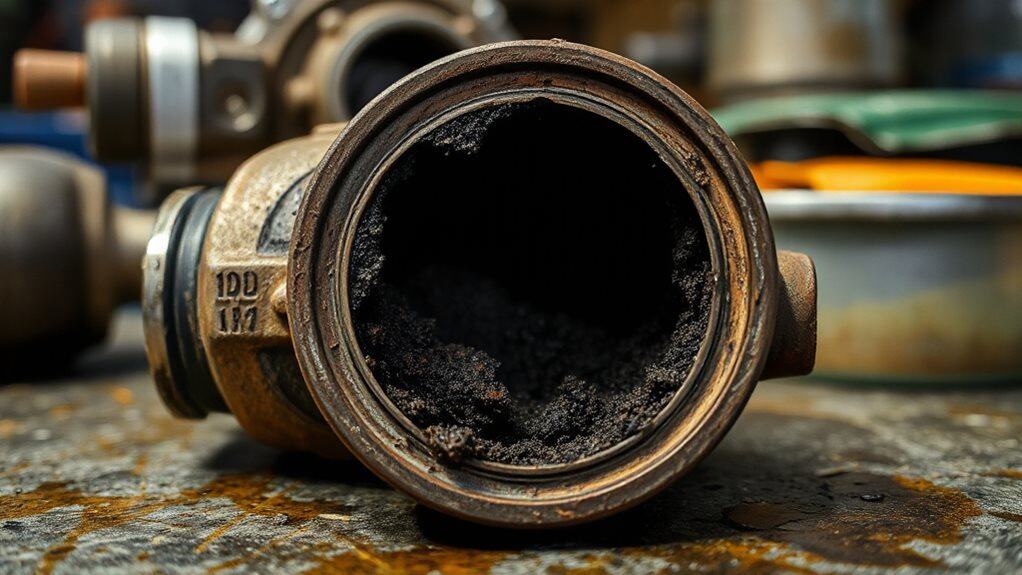
You’ll notice that carbon buildup on the idle‑ air‑control valve (IACV) can cause the valve to stick, restricting the small amount of air needed when the engine is at idle.
When the valve can’t open smoothly, the transition to throttle‑on conditions starves the engine of air, making it sputter or die as soon as you press the gas pedal.
Cleaning the carbon deposits or replacing a faulty IACV restores proper airflow and eliminates the idle‑to‑gas hesitation.
IACV Carbon Buildup
Ever wondered why your engine idles smoothly but stalls the moment you press the gas? Carbon builds up on the IACV when oil leaks coat the valve, creating thick, fingernail‑like deposits that choke airflow. This restriction prevents the valve from opening enough during acceleration, causing sputtering, hard starts, and power loss. Inspect, clean with throttle‑body spray and a brush, then test; persistent stalls mean replacement.
IACV Valve Sticking
Why does your engine stall the moment you press the gas despite a smooth idle? A sticking IACV limits airflow during the idle‑to‑gas transition, often because age‑related wear or electrical faults keep the valve partially closed. RPM may dip to 400‑500, causing misfires or surging when you accelerate. Test by unplugging the valve; if RPM doesn’t change, the valve is stuck and likely needs cleaning or replacement.
Vacuum Leaks → Rough Idle & Sudden Stall on Throttle
What happens when unmetered air sneaks into the engine through a cracked hose or a failed gasket? The extra air creates a lean mixture, so the computer adds fuel but can’t fully compensate. You’ll feel a rough, high‑revving idle and the throttle body will struggle to hold speed.
When you press the gas, the engine may stall because the lean condition starves power under load.
Look for hissing noises, check‑engine codes, or high fuel trims as clues.
Worn Spark Plugs → Misfires as Engine Load Rises
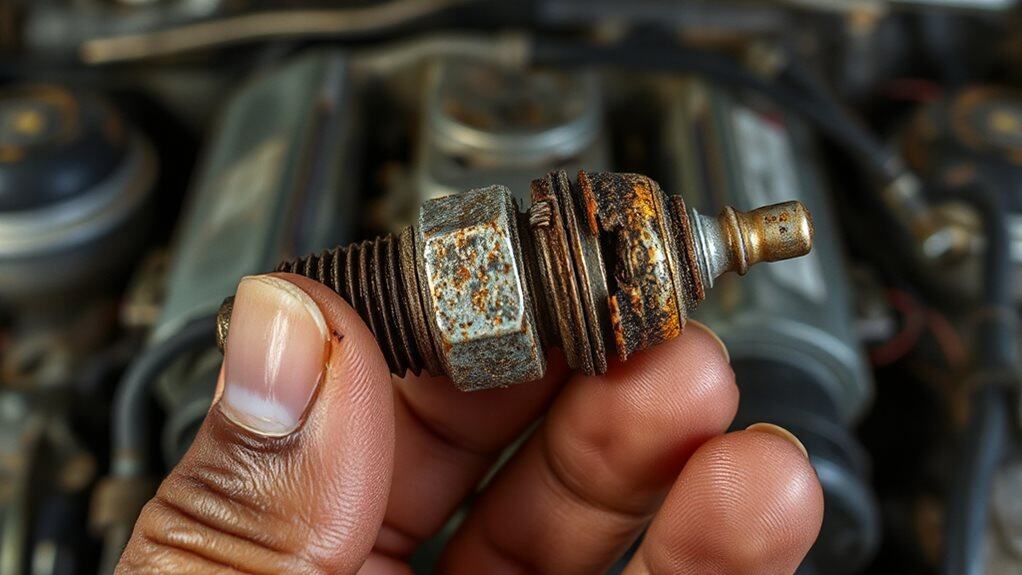
How do worn spark plugs cause a car to stumble when you press the gas? At idle they may fire, but under load the electrode gap widens, the spark weakens, and the fuel‑air mixture fails to ignite fully. This creates a misfire, causing hesitation, jerky acceleration, and possible engine death.
Inspect for cracked shells, carbon fouling, and replace plugs every 20‑30 k miles.
Weak Ignition Coils → Missed Sparks During Acceleration
When you press the accelerator and the engine jerks or sputters, a weak ignition coil is often the culprit. The coil can’t supply enough voltage under load, causing intermittent sparks and incomplete combustion. You’ll notice hesitation, power loss, or vibration especially on hills. Diagnostic codes like P0300 or P0350 appear, and fuel economy drops while the risk of misfire‑related damage increases.
How to Test Each Component Quickly (Step‑by‑Step)
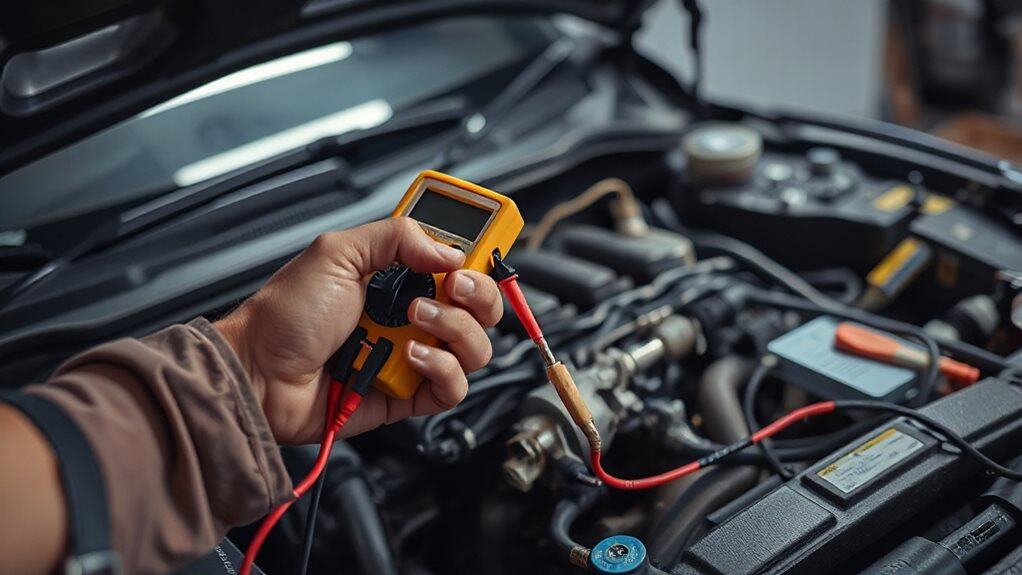
Ever need a quick, reliable way to verify each part that could be starving your engine of power? Hook a fuel‑pressure gauge to the rail; 30‑60 PSI at idle is normal, and a drop below 30 PSI when you rev indicates a pump or filter problem. Pinch the return line—steady pressure confirms pump health. Scan OBD‑II for TPS or O₂ codes, backprobe with a multimeter for smooth voltage sweeps, and check heater resistance. Test injectors by disconnecting each while monitoring RPM, and use a balance test for uneven spray. Replace clogged filters, faulty sensors, or weak injectors as indicated.
Final Steps: Fix the Problem and Keep the Engine Running Smoothly
What you do after confirming the root cause is keep critical majority the fuel system, throttle, vacuum, and ignition components are fully repaired and then verify that the engine runs consistently under all conditions.
Replace clogged filters, clean or replace the TPS, seal vacuum leaks, and install fresh oxygen sensors.
Test pressure, idle stability, and spark under load.
Finally, schedule regular maintenance and run seasonal diagnostics to prevent recurrence.
Wrapping Up
By pinpointing the faulty component—whether it’s a clogged filter, weak pump, dirty injector, worn throttle‑position sensor, deteriorated spark plug, or failing coil—you can restore proper fuel delivery and ignition. Replace or clean the identified part, then verify engine performance under load. Regular maintenance, such as periodic filter changes and spark‑plug inspections, will prevent recurrence. Keep the system’s fuel and ignition circuits in good condition to assure reliable acceleration and avoid stalling.


