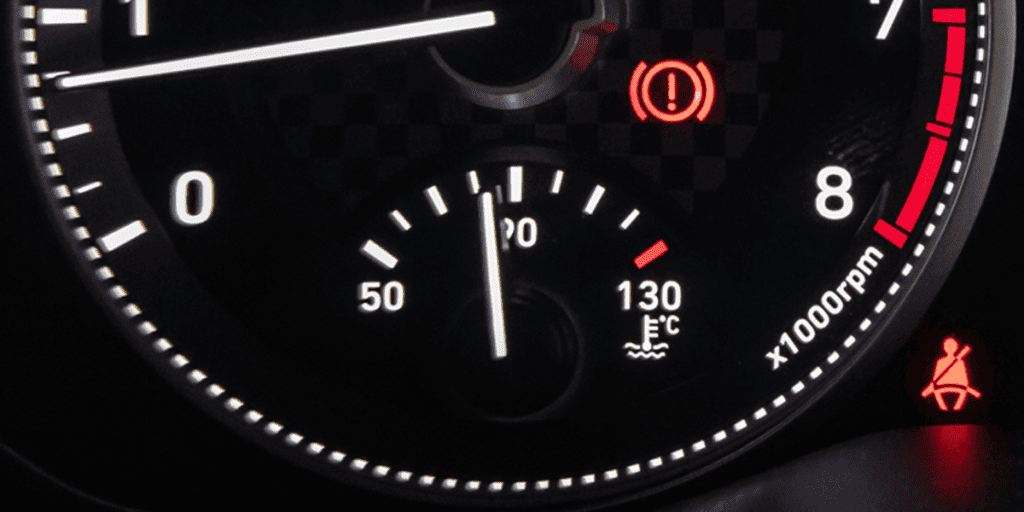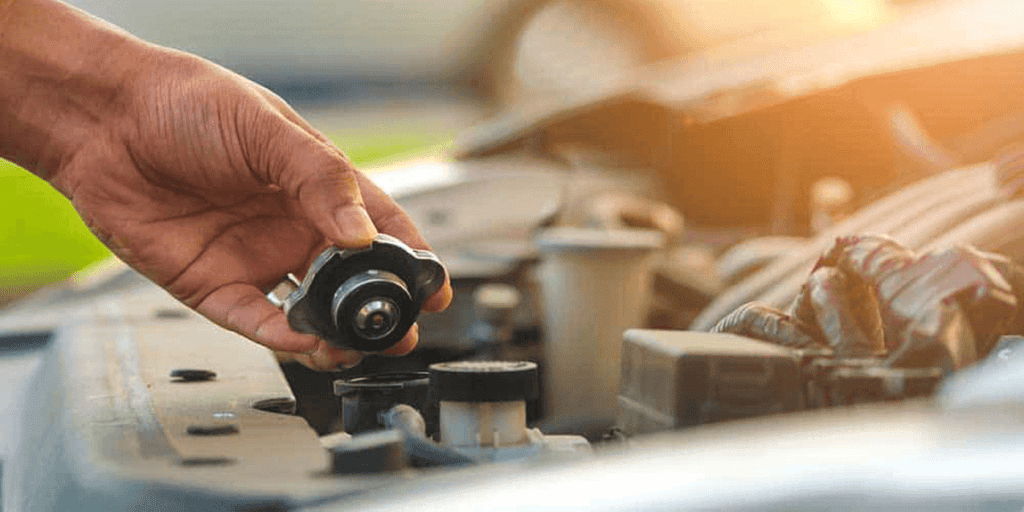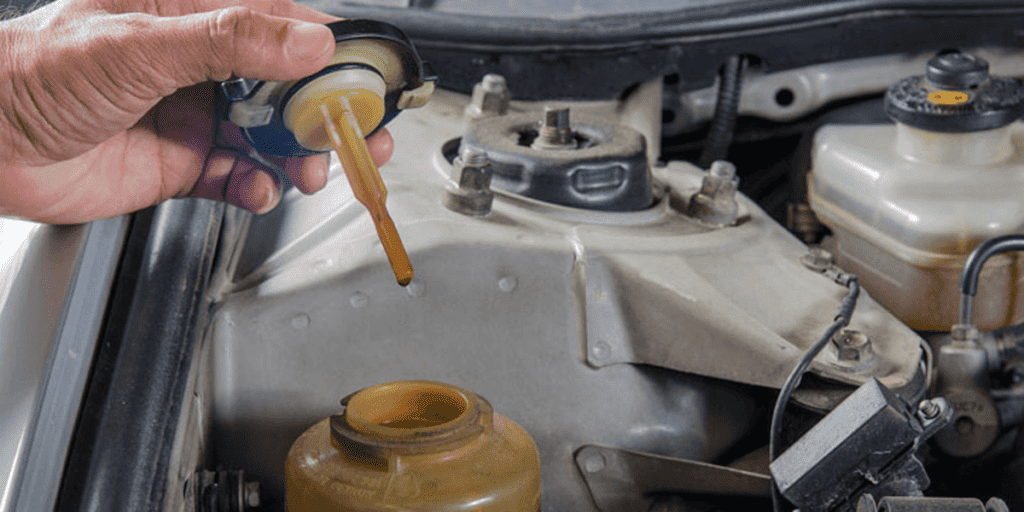
Avoid Volkswagen Beetles from about 2000–2006 and 2012–2015 for reliability reasons, since those ranges show concentrated engine, transmission, cooling, and electrical failures that raise long‑term repair costs. You should inspect coolant pumps, thermostats, timing components, transmissions, and wiring harnesses, and check NHTSA and CarComplaints histories for repeated issues or service bulletins; look for oil burning, timing‑chain stretch, slipping transmissions, and corroded connectors, and continue below to see specific year‑by‑year checks.
Quick Tips
- Avoid Beetles from 2000–2006 overall; these years show heightened engine and transmission failure reports.
- Steer clear of 2012–2015 models due to recurring electrical, cooling, and transmission issues.
- Treat 2000, 2004, 2006, and 2007 as especially risky for engine/transmission problems.
- Watch 2012–2013 closely—timing chain/stretch and plastic coolant pump/thermostat failures are common.
- Prioritize cars with documented repairs, service bulletins, and fewer NHTSA complaints when considering any year.
Worst VW Beetle Years to Avoid : Quick Verdict
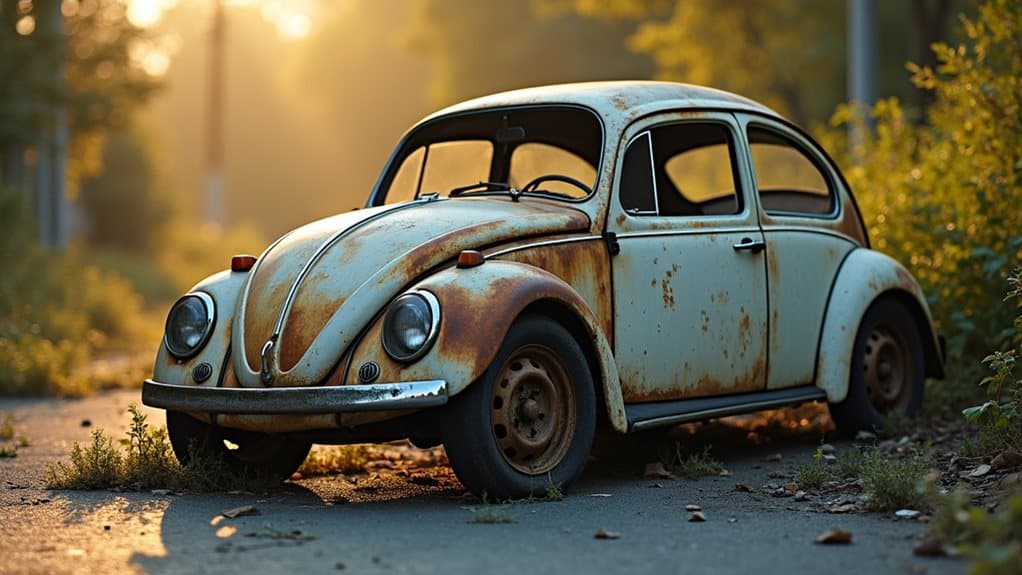
Because reliability varies widely across generations and individual examples, you should avoid certain VW Beetle model years that consistently show up in recall and complaint databases.
Focus on 2000–2006 and 2012–2015 ranges: these years repeatedly report engine, transmission, electrical, and cooling failures.
Prioritize models with documented fixes and review service histories, since complaint frequency signals higher long-term maintenance risk.
Also consult NHTSA data showing 481 owner complaints for Beetles from 2009–2019 to gauge relative issue frequency.
How the Data Decides: NHTSA & CarComplaints Summary
While NHTSA’s Vehicle Owner Complaint database and CarComplaints’ aggregated reports may seem like raw spreadsheets at first glance, they work together to turn thousands of individual reports into actionable signals about model-year reliability.
You’ll use complaint thresholds, recall cross-checks, and API access to spot years with higher failures; CarComplaints scores simplify NHTSA counts into year-by-year reliability indicators you can verify via recalls and VIN searches.
Adding ballast-focused tips like using sandbags over axle can be a useful analogy for how concentrated data points increase the “downforce” of evidence when judging problematic model years.
New Beetle (2000–2013): Problem Clusters by Model Year
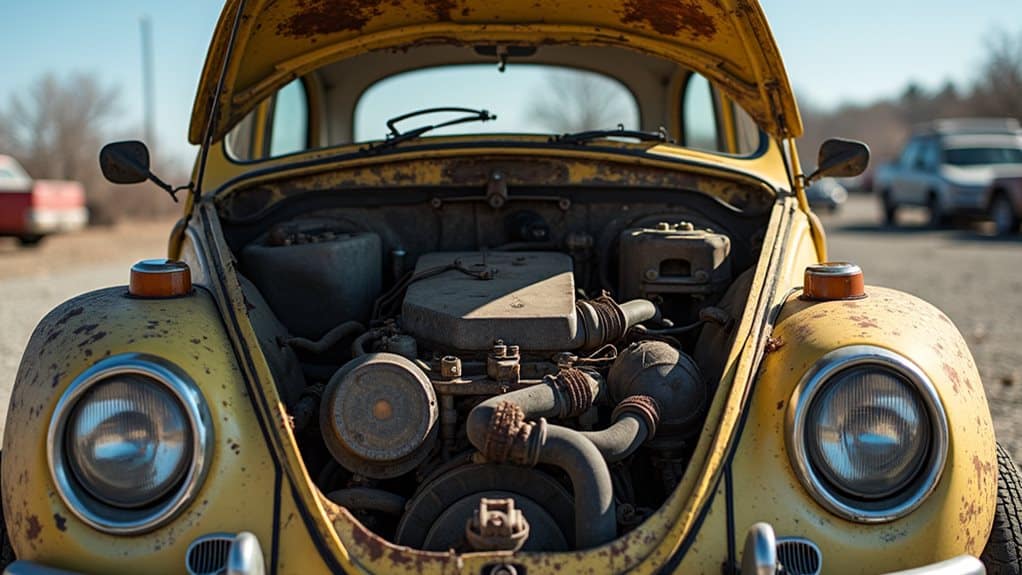
You’ll want to separate the New Beetle years into three main problem clusters so you can target specific risks: engine and cooling failures (excessive oil use, overheating, failed coolant flanges), transmission and gearbox issues (slipping automatics, jerky shifts, premature failures), and electrical and interior degradation (faulty sensors, persistent warning lights, broken windows and power components).
Start by checking service records and technical bulletins for the model year you’re considering, since recalls and common fixes often map directly to these clusters and can lower long‑term repair costs.
If a vehicle shows prior repairs for any of these areas, budget for recurring maintenance or pass on that unit, because these faults tend to be chronic rather than one‑off.
Note that recalls may address some issues but other faults are handled via service bulletins, warranty repairs, or VIN-specific checks rather than formal NHTSA recalls.
Engine And Cooling Failures
When you’re evaluating New Beetles from 2000–2013 for reliability, pay close attention to engine and cooling system histories, since these cars show distinct, year-specific failure patterns that directly affect drivability and repair costs.
Inspect coolant reservoirs, water pumps, thermostats, radiators, hoses and timing components; check for oil consumption, leaks, cracked manifolds and turbo seal issues, as these drive overheating, misfires and expensive repairs.
Transmission And Gearbox Issues
Because the New Beetle’s automatic transmissions—especially Tiptronic-equipped units—show clear, year-dependent failure patterns, you should treat gearbox history as a primary filter when evaluating models from 2000–2013.
Early years (2000–2001) show slipping and disengagement; 2002–2003 develop hesitation and leaks; 2004–2006 peak with frequent complete breakdowns; 2012–2013 see recurrence after redesigns, so demand records and inspections.
Electrical And Interior Degradation
Although the New Beetle’s electrical and interior systems generally look simple, they hide a range of age- and year-specific failure patterns you should check for during an inspection.
Inspect early models (2000–2002) for battery, fusebox and ignition faults and peeling trim;
mid-years (2003–2006) show sticky dashboards and falling headliners;
2007–2009 suffer window regulator and central locking failures;
2010–2013 reveal sensor and airbag warnings.
Vintage Beetles (Pre‑1998): Risks Unique to Older Cars
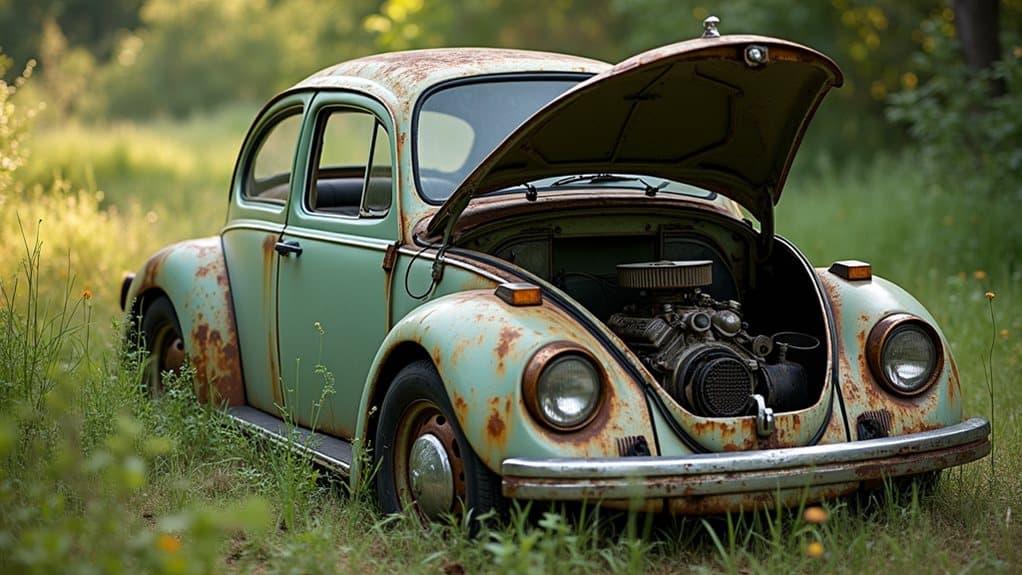
If you’re looking at a pre‑1998 Beetle, expect issues that come from age, original engineering choices, and decades of exposure to moisture and heat, and plan inspections and repairs accordingly.
Check for severe rust in wheel wells, decklid and rocker panels, corroded bumper mounts and suspension mounts;
inspect aging electrical wiring, generators and relays;
assess clutch, transmission linkages and scarce original parts availability.
Also be aware that older cars may have engine ground corrosion that causes electrical faults and should be closely inspected.
Engine Failures by Model Year: Symptoms and Root Causes
When you inspect engine problems by model year, focus on recurring symptom patterns and their root causes so you can pinpoint likely failures and prioritize repairs; different VW Beetle engines developed distinct weaknesses over time, and recognizing those signatures—like blue smoke from oil burning, rhythmic rattles from a stretched timing chain, or P2015 codes from intake flap faults—lets you make informed service decisions.
You’ll note 2000–2002 1.8L oil burning from weak rings and seals, 2012–2013 1.2T timing chain stretch from brittle guides, 2012–2019 2.0T coolant pump and thermostat plastic failures causing overheating, and intake flap motor soot faults producing P2015 codes and rough idle.
Transmission & Clutch Failures Mapped to Years
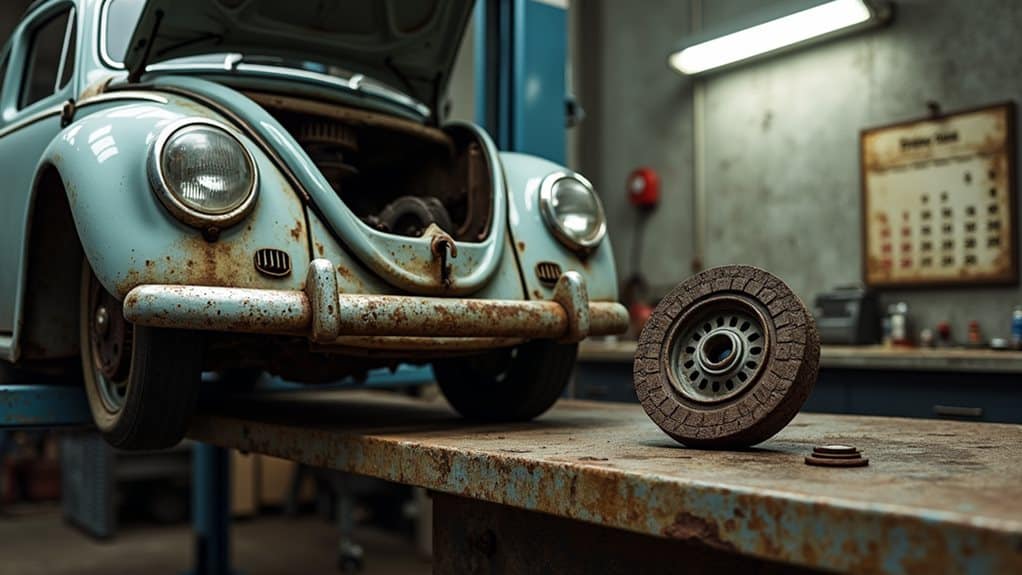
Because transmission and clutch systems handle the engine’s power delivery, you should treat their failure patterns by model year as a primary factor when buying a used VW Beetle.
Avoid 2000–2006 for repeated automatic/clutch collapses (early mileage, slipping, lurching); 2009 has dual‑clutch recalls; 2012 shows novel clutch engineering failures.
Inspect service records, test drives, and seek professional transmission diagnostics.
Electrical, Wiring, and Interior Degradation Hot Spots
After checking drivetrain issues like transmissions and clutches, you should also evaluate the Beetle’s electrical, wiring, and interior systems, since those faults can be harder to detect on a short test drive and often lead to intermittent failures or costly repairs.
Focus on 2006 (dash, headliner, airbags), 2012–2015 electrical shorts and recalls, 2010–2014 wiring fatigue, and humid-area corroded connectors.
Also pay attention to recurring fuel-level sensor failures that can trigger emissions warnings and indicate wider wiring corrosion.
Rust, Brakes, and Chassis Problems in Older Beetles
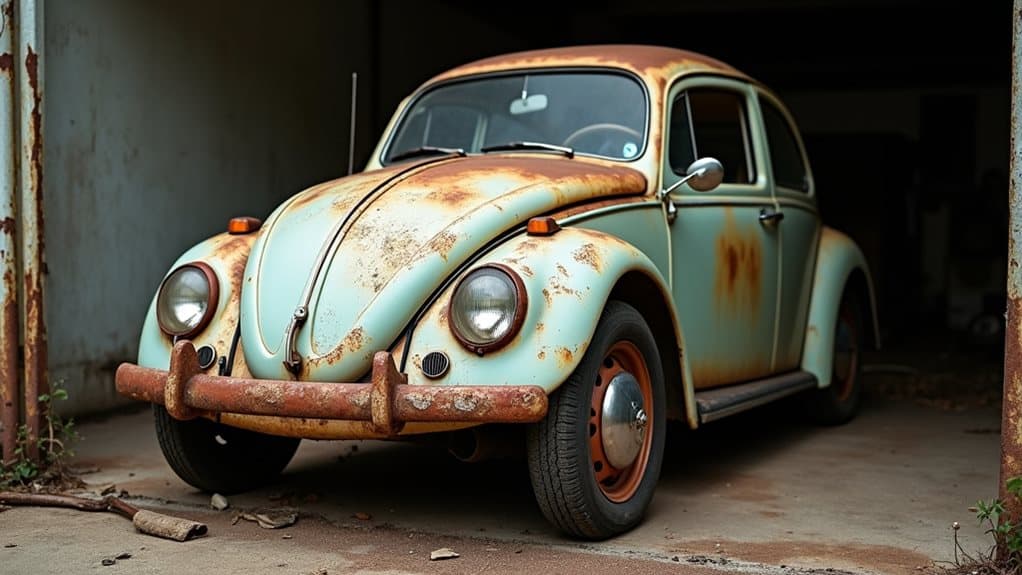
start by checking wheel wells, rocker panels, and suspension mounts for thin metal, bubbling paint, or perforations, because these are common entry points for moisture and road salt.
Inspect brake lines, pedal pivots, caliper brackets, frame rails, and torsion housings for pitting, flaking, leaks, or movement;
replace corroded sections, reinforce weak mounts, and prioritize structural repairs to restore rigidity and reliable braking. Also, before working underneath the car, ensure the exhaust and other components have cooled and follow safety precautions to avoid burns and inhalation hazards.
Which Mechanical Problems Keep Showing Up?
Rust and body damage can hide or accelerate many mechanical faults, so once you’ve checked the rocker panels and suspension mounts you should inspect the drivetrain, cooling, electrical, suspension, and window systems for recurring failures.
Expect gearbox slippage, clutch shudder, and fluid leaks; radiators, pumps, and thermostats that overheat; electrical shorts, failing regulators, and window motor/regulator breakdowns that recur across model years.
Also be aware that issues like faulty sensors can trigger warning lights and indicate deeper electrical or engine problems.
Pre‑Purchase Checklist: Spot Engine, Transmission, Rust, and Electrical Issues
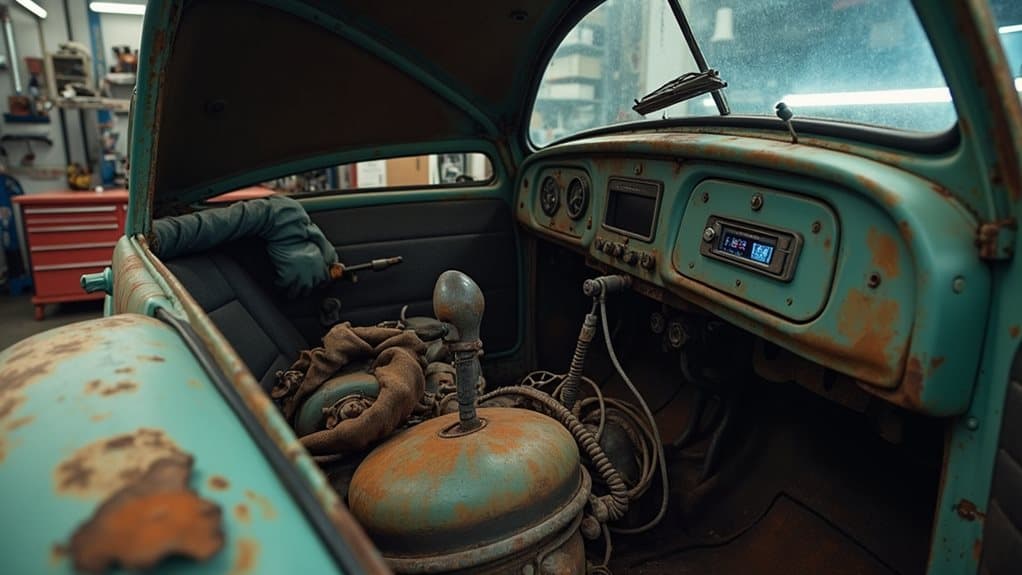
Before you buy a VW Beetle, check the engine and transmission for signs like cooling problems, low compression, oil leaks, gear slippage, unusual noises, and dirty or low transmission fluid.
Inspect the body and undercarriage for rust in wheel wells and frame areas, since structural corrosion can be costly and dangerous, and test the electrical system by probing wiring, sensors, and battery connections for loose contacts or corrosion.
Also confirm service history, tire condition, and brake function to frame any findings and help you estimate immediate repair needs.
Engine And Transmission Checks
Engine and transmission checks are the most important parts of a pre‑purchase inspection, and you should treat them as your top priority when evaluating a VW Beetle.
Inspect for oil leaks, cooling faults, ticking noises, and gearbox slippage; test clutch engagement, shifting smoothness, and warning lights.
Know problem years (2000, 2004, 2006, 2007, 2012, 2013) and get a mechanic’s compression and scan tests.
Rust And Electrical Inspection
When you inspect a VW Beetle for corrosion and electrical faults, focus on the wheel wells, undercarriage, bumper mounts, and wiring cable assemblies, because these areas show the earliest and most consequential deterioration;
check for bubbling paint, flaking metal, and rust streaks around rocker panels and door bottoms, lift or crawl under the car to examine frame rails, suspension mounts, exhaust hangers, and the area behind the front bumper for compromised bracket mounts, and don’t forget the tub/hood latch zone and convertible-top frame where moisture often collects.
Now test lights, windows, and audio;
use a multimeter on grounds, fuse boxes, and battery, watch for CAN bus freezes and corroded connectors common on 1998–2013 Beetles.
Safer Beetle Years and Alternative Models to Consider
If you want a Beetle that’s more likely to be reliable, focus on New Beetles produced after 2007 and classic air-cooled models from 1945–1965, since both eras reduce common failure modes for different reasons:
post-2007 New Beetles benefit from the introduction of the more durable 2.5L engine (2007), a marked drop in electrical faults from 2010 onward, and very few transmission complaints in 2016–2019, while classic Beetles from 1945–1965 are mechanically simple, use standardized carburetors, and often exceed 200,000 miles with basic upkeep;
additionally, avoid 2012–2013 New Beetles despite the general improvement trend, and consider alternative Volkswagen models such as the Golf (Mk7/Mk8), Tiguan, Jetta, and ID.4 if you want modern build quality, lower maintenance costs, or an electric powertrain that eliminates engine/transmission failure risks.
You should prioritize late-model New Beetles or pre-1965 classics, inspect electrical systems and transmissions, and weigh Golf/Tiguan/Jetta/ID.4 for modern reliability, clearer parts support, and reduced long-term ownership risk.
Wrapping Up
You should avoid high‑complaint years like early 2000s New Beetles and specific vintage models with known engine or rust histories, and instead inspect the powertrain, chassis, and electrical systems closely before buying. Check for oil leaks, timing chain/tensioner wear, transmission shifting faults, and frame corrosion; get vehicle history and a mechanic’s pre‑purchase inspection. Prioritize late‑model, low‑mileage examples or reliable alternatives if major repairs or structural rust are evident.