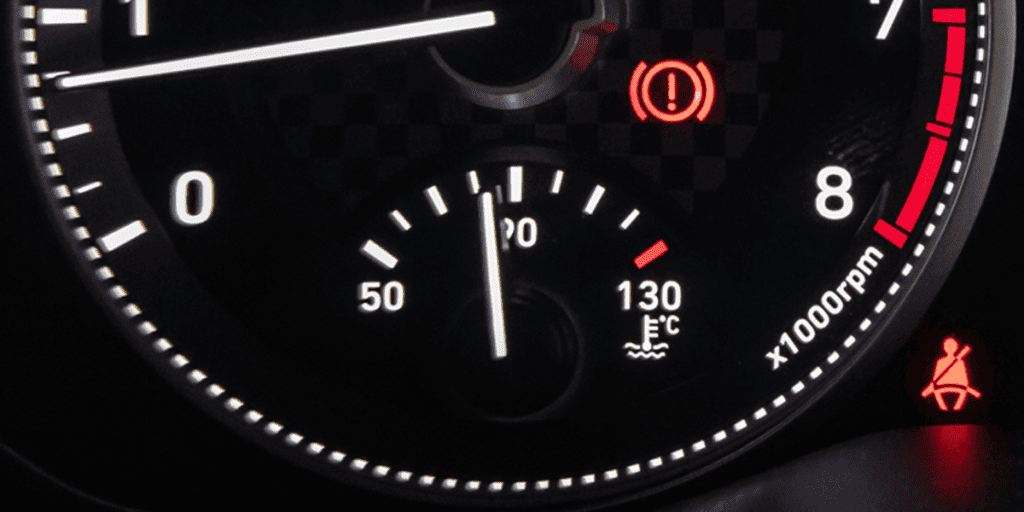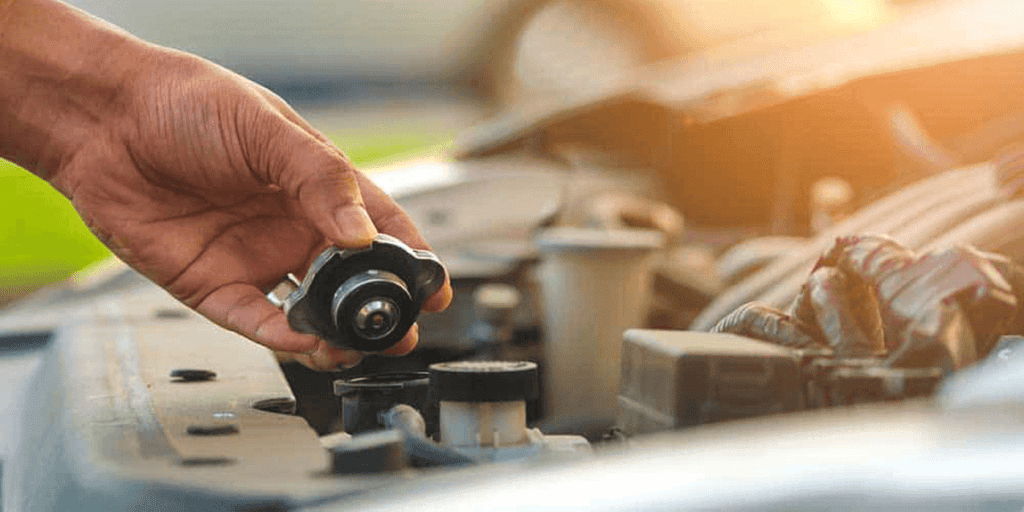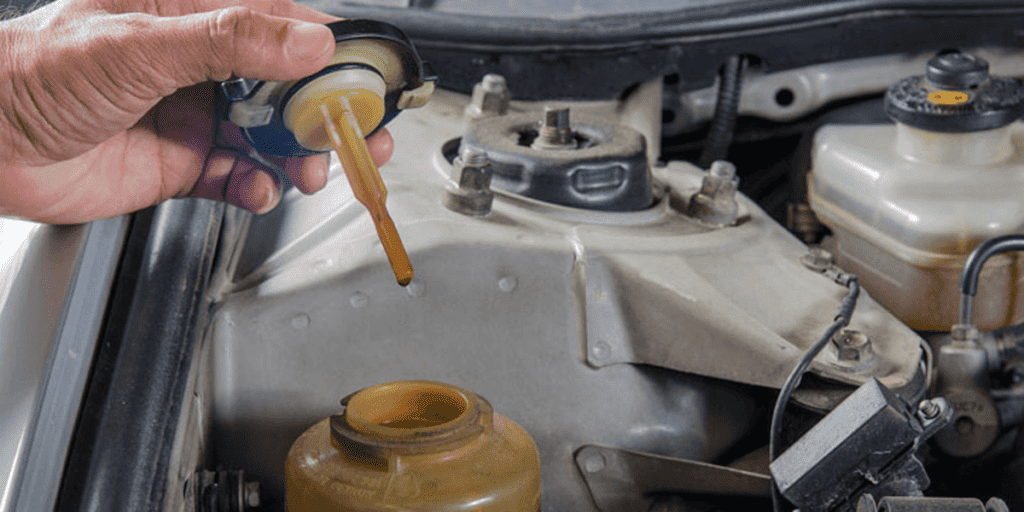
“Check AWD System” means your Highlander detected a fault that limits or disables all‑wheel drive, so you’re running with reduced traction and possibly front‑wheel drive only. You can usually drive short distances on dry pavement but avoid slippery roads, towing, steep grades, and aggressive maneuvers. Common causes are wheel‑speed sensors, transfer‑case/actuator faults, or wiring and connector corrosion; get OBD2 codes read, inspect sensors and wiring, and test fluids to pinpoint repairs and costs if you want more detail.
Quick Tips
- “Check AWD System” means the vehicle detected an all-wheel-drive fault and AWD may be disabled or operating with reduced function.
- The warning commonly points to wheel speed sensors, AWD pump/transfer case, wiring, or electronic control module faults.
- You can usually drive short distances on dry, paved roads, but avoid high speeds, slippery surfaces, towing, and steep grades.
- Retrieve OBD2/Techstream codes first, inspect wiring/connectors, and test wheel speed sensors and fluid levels for diagnosis.
- Repair costs vary widely; common fixes include sensor replacement, connector repair, or transfer case work, and preventive cleaning/fluids reduce recurrence.
What “Check AWD System” Means (Highlander)

When your Highlander displays “Check AWD System” on the instrument cluster, it means the vehicle’s all-wheel-drive system has detected a fault and isn’t operating as designed; the message most commonly signals a problem with components such as the AWD pump, transfer case, wheel-speed sensors, or associated wiring and electronics.
You should understand it indicates reduced traction capability, possible handling issues, and the need for immediate diagnostics. The warning prompts inspection because Toyota’s AWD systems notify the driver when the vehicle computer detects problems that could affect system operation, so have a dealer or mechanic read the fault codes to confirm the cause AWD warning. A proper diagnostic scan can identify faults in components like the wheel-speed sensors and control modules that trigger such warnings.
Quick Answer: Should You Keep Driving?
If your Highlander displays “Check AWD System,” you can usually drive short distances on flat, paved roads but you should avoid high speeds, aggressive maneuvers, or slippery and uneven surfaces until the fault is diagnosed.
Drive carefully to reach a service location; the vehicle will default to front-wheel drive, but avoid towing, steep grades, or adverse weather, and seek inspection promptly to prevent damage.
Also, pull over safely and consider turning off the engine if warning lights flash, since issues like a faulty wheel speed sensor can affect traction control and ABS performance.
DIY Diagnostics for a Check AWD System
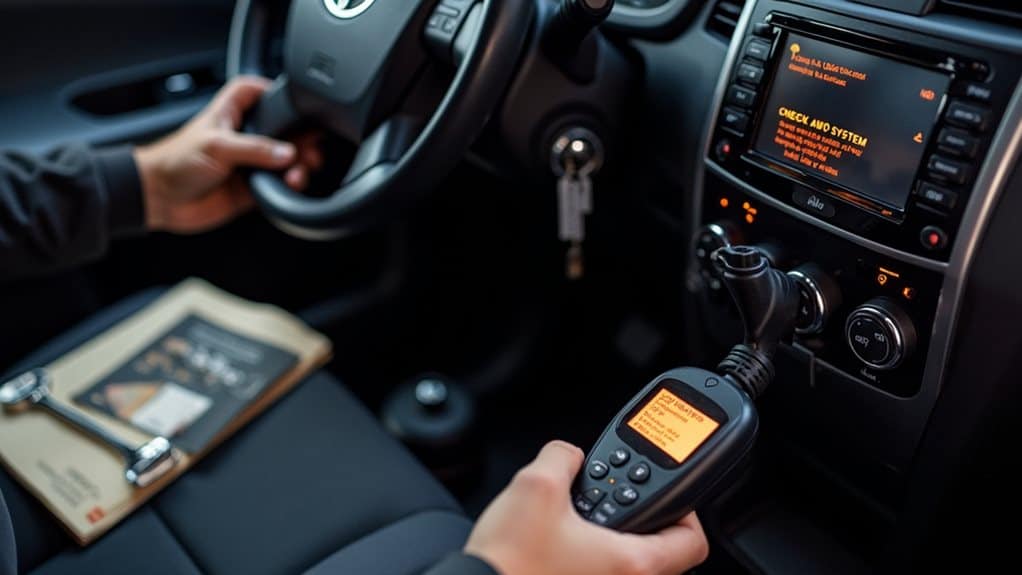
Because the “Check AWD System” message can stem from several electrical, sensor, or mechanical issues, you’ll want to follow a structured DIY diagnostic routine that narrows the cause step by step and avoids unnecessary parts replacement.
Start with OBD2 code retrieval, inspect wiring, connectors and grounds, check differential and transfer case fluid levels, perform a battery-reset, then use waveform analysis with Techstream if codes persist. Be sure to verify fluid level and condition first, since low transmission fluid or contaminated fluid can cause pressure-related faults and misleading AWD warnings.
Common Causes (Sensors, Drivetrain, Electrical)
When your Highlander shows a “Check AWD System” message, start by checking the wheel speed sensors because they monitor each wheel’s rotation and often cause intermittent warnings when dirty, corroded, or producing irregular electrical pulses.
Next, inspect drivetrain components—transfer case, differentials, and AWD fluid—since mechanical failures or mismatched tire sizes cause persistent warnings and loss of AWD engagement.
Finally, scan the electrical system for wiring shorts, corroded connectors, blown fuses, or module faults, because voltage anomalies and damaged cabling commonly interrupt sensor and AWD-module communication.
Also consider cleaning and testing the wheel speed sensors with a multimeter to rule out sensor malfunction as the cause.
Wheel Speed Sensors
Wheel speed sensors monitor each wheel’s rotation and send AC voltage signals to the ABS/traction control and AWD control units, so you’ll see fault codes like P0500, P0501, P0502 or C1A00 when those signals fall outside expected ranges.
You should check sensor resistance (0.5–2.5Ω), inspect tone rings, clean tips, test AC voltage while spinning the hub, and verify wiring, connectors, fuses, and battery health.
Drivetrain Components
After checking wheel speed sensors and their signals, you should inspect the drivetrain components themselves, since many AWD warnings stem from mechanical or electrical faults beyond the sensors.
Check differential clutch packs, transfer case gears, and transmission internals for wear or binding, verify rear differential fluid level and condition, and note grinding or vibration from worn bearings or clutch plates that indicate internal failure.
Electrical Wiring Issues
In diagnosing Check AWD System warnings, electrical wiring issues are a frequent but sometimes overlooked cause, and you should treat them with the same systematic approach used for sensors and drivetrain checks.
Check wiring assemblies for cracked insulation, frayed wires, corroded connectors from coastal humidity, and blown fuses.
Use a multimeter for continuity and grounding tests, and clean or tighten terminals to restore proper signals.
When to DIY and When to See Toyota
Decide whether you can safely handle a Toyota Highlander AWD warning by starting with simple, noninvasive checks you can do at home; basic tasks like testing battery voltage, tightening the gas cap, reading OBD2 codes, and visually inspecting sensors and wiring are within reach for most DIYers because they require few tools, minimal technical training, and a low risk of causing further damage.
If basic resets, cleaning wheel sensors, and verifying fluid levels don’t clear codes or you see transmission, differential leaks, or complex wiring damage, take the vehicle to Toyota for professional diagnostics and repairs.
Also consider checking the transfer case fluid and related components for signs of overheating or contamination, since issues with the transfer case can trigger AWD warnings.
Typical Repairs, Parts, and Costs
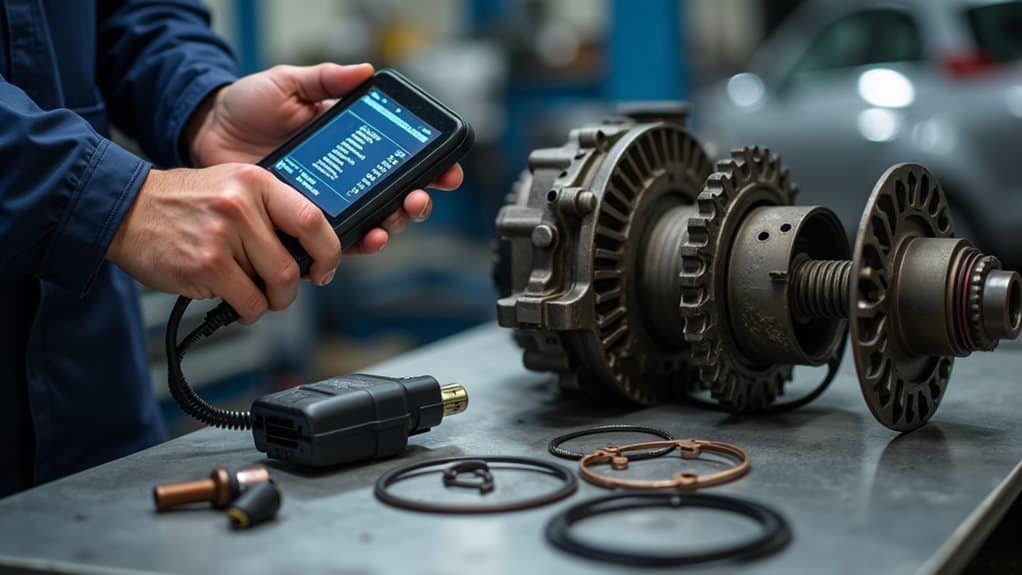
When the AWD warning lights come on, you’ll most often face a handful of recurring repairs that cover sensors, electrical components, and drivetrain parts; knowing which items are most likely to fail helps you prioritize diagnostics and estimate costs.
Typical fixes include wheel speed sensors ($80–$250), transfer case or actuator repairs ($300–$1,200), electrical wiring or connector repairs ($100–$400), and occasional driveshaft or differential work ($400–$1,500). Intermittent stalling in some vehicles can point to failing alternators or corroded grounds that demand immediate diagnosis, so also inspect the electrical system when troubleshooting.
Preventive Maintenance to Avoid the Warning
Regularly performing targeted preventive maintenance will greatly reduce the chances of an AWD warning on your Toyota Highlander, so you should follow a planned schedule that covers fluids, sensors, electricals, tires, and diagnostics.
Change AWD and differential fluids per interval, clean and inspect wheel sensors, test battery voltage, rotate and align tires, and run OBD2/Techstream scans to catch faults early and verify system function.
Wrapping Up
When your Highlander displays “Check AWD System,” you should stop driving only if you notice loss of traction or unusual noises; otherwise, drive cautiously to a service center. You can run basic checks—scan for codes, inspect sensors and wiring, check fluid levels—and address minor issues yourself if you’re mechanically competent. Common faults include wheel speed sensors, transfer case components, and electrical connections. Schedule professional diagnosis for drivability problems, costly repairs, or if diagnostic tools aren’t available.