Engine Restore can work as a temporary fix for high-mileage engines showing wear-related issues like low compression, oil consumption, and blue smoke. The product uses suspended metal particles—copper, lead, and trace silver—to fill microscopic scratches on cylinder walls and piston rings, potentially increasing compression by around 10 PSI in some cases. You’ll see best results with moderate wear, not severe damage, and it won’t replace a proper rebuild. Understanding when it’s appropriate and how to apply it correctly makes all the difference in outcomes.
Quick Tips
- Independent tests show compression increases of about 10 PSI after 3,000 miles, with users reporting reduced oil consumption and quieter operation.
- CSL micro-particles fill microscopic cylinder wall scratches, potentially improving sealing and reducing friction in worn engines with moderate damage.
- Most effective as a temporary, economical fix for high-mileage engines; not a replacement for major repairs or complete rebuilds.
- Lack of peer-reviewed scientific studies validates user reports but leaves chemical mechanisms unproven by rigorous laboratory standards.
- Not recommended for new engines or severely damaged motors; results vary by engine condition and may not be permanent.
What Engine Restore Claims to Do for Your Vehicle
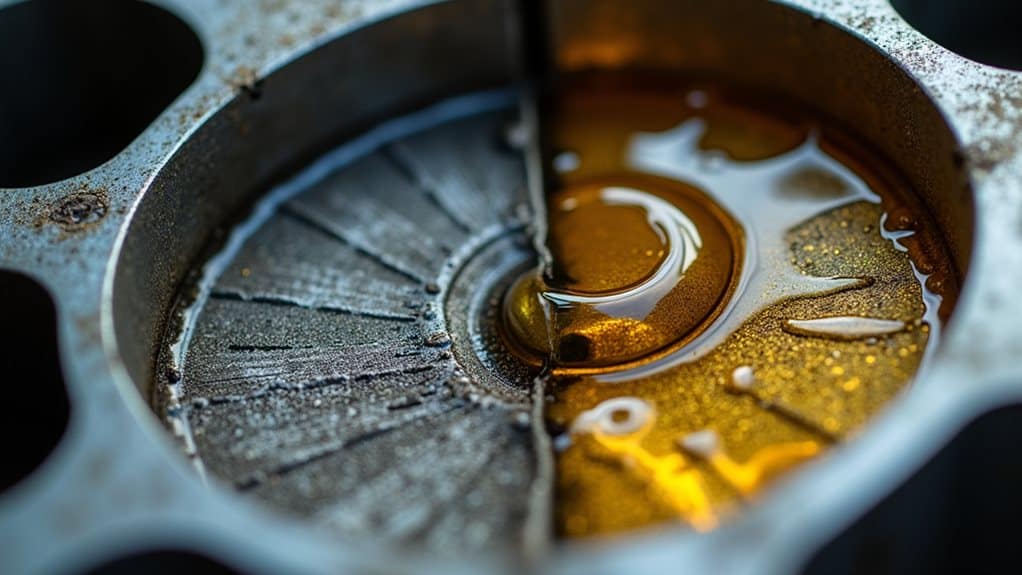
Engine Restore positions itself as a complete solution for aging engines that have racked up significant mileage and begun showing signs of wear. The product claims to restore compression by filling cylinder wall imperfections, reduce oil consumption through seal treatment, remove carbon deposits, and provide enhanced lubrication. According to the manufacturer, you’ll experience improved performance, better fuel efficiency, and extended engine life with regular use. The formulation relies on CSL micro-particles—a blend of copper, lead, and trace silver suspended in premium motor oil—that are designed to fill scratches and ridges on metal surfaces like cylinder walls and piston rings. However, it’s important to note that engine flush products can pose risks, especially for high-mileage engines, which may already have built-up sludge.
How Engine Restore Affects Compression and Performance
Understanding what the manufacturer promises is only part of the equation—you’ll want to know whether Engine Restore actually delivers measurable results when it comes to compression and overall performance.
Independent testing shows compression increases of 10 PSI in some cylinders after 3,000 miles, though results vary by engine condition. You’ll notice improvements in cold-start reliability, reduced oil consumption, and enhanced acceleration, particularly under load-bearing conditions like towing. The product’s CSL particles work by filling microscopic leaks and scratches in cylinder walls, which helps seal compression and reduce friction between metal surfaces. Maintaining optimal oil pressure is crucial, as it directly impacts the engine’s performance and longevity.
Real-World Results From Engine Restore Users
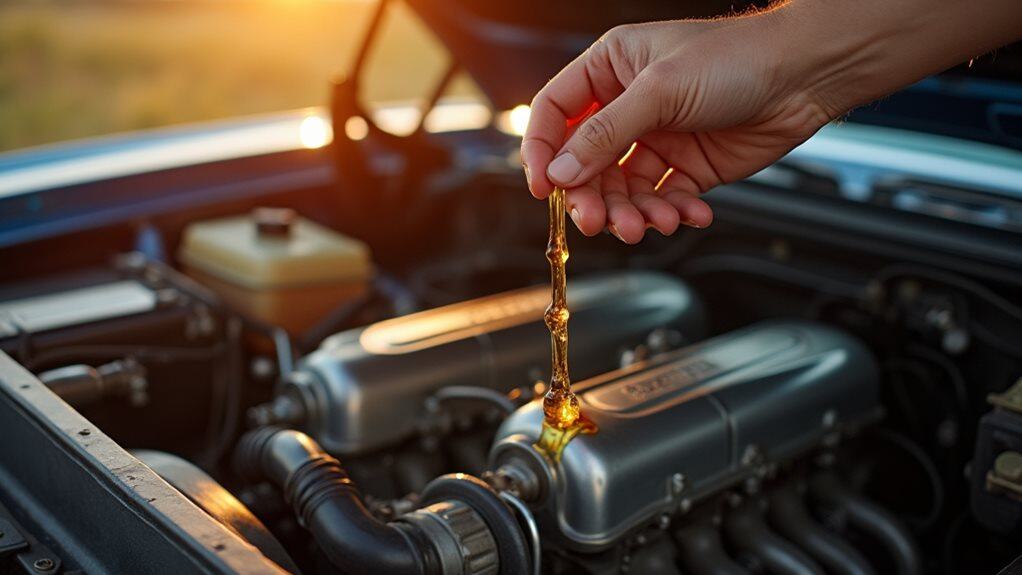
When it comes down to actual user experiences, Engine Restore shows a pattern of specific, measurable improvements in engines suffering from wear-related issues. Users consistently report reduced oil consumption, diminished blue smoke, and quieter operation in high-mileage vehicles. You’ll find it works best as a temporary solution for cylinder wall wear rather than severe mechanical failures, offering an economical alternative when engine rebuilds aren’t feasible. However, it’s crucial to monitor alternator problems as they can indirectly affect engine performance and exacerbate wear.
Independent Testing and Scientific Analysis
Despite widespread consumer interest in Engine Restore, the product lacks strong independent laboratory testing that meets scientific standards for validation. You’ll find no peer-reviewed studies or controlled lab experiments confirming its chemical mechanisms. While independent content creators like Project Farm documented compression increases and oil consumption reductions in real engines, these tests don’t replicate rigorous scientific protocols. Expert communities continue demanding formal proof beyond self-reported results. Additionally, the effectiveness of similar products, such as fuel additives like Sea Foam, highlights the need for credible evaluations to substantiate any claims made.
When to Use Engine Restore and When to Avoid It
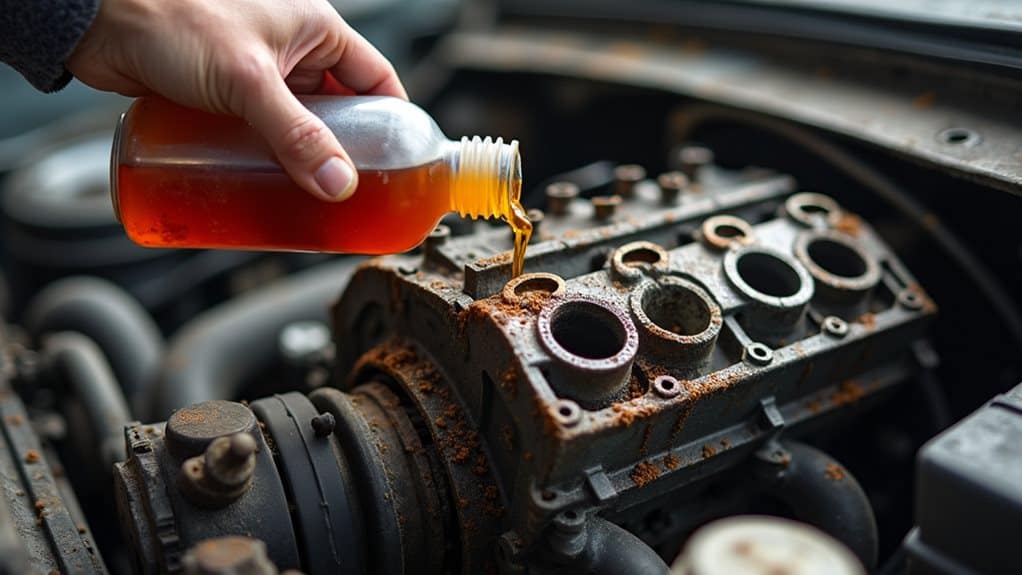
Engine Restore works best as a targeted solution for specific wear conditions rather than a universal engine treatment.
You’ll see benefits if your engine shows compression loss, rough idle, oil burning, or excessive exhaust smoke from worn piston rings and cylinder walls.
However, avoid using it in newer engines, severely damaged motors, or incompatible fuel injection systems where manufacturer guidelines restrict additives.
Best Practices for Applying Engine Restore
For maximum effectiveness, proper application of Engine Restore requires careful preparation and precise dosing rather than simply pouring the product into your engine.
Start by shaking the can vigorously for 60 seconds, then make sure your engine reaches normal operating temperature.
Use one 250ml can per liter of engine capacity, pouring through a funnel into the oil reservoir.
Reduce your regular oil by half a quart to prevent overfilling.
Fuel Economy and Emissions Benefits
When you use Engine Restore, you’ll notice improvements in fuel economy because the product enhances combustion efficiency by sealing microscopic gaps in cylinder walls and piston rings.
This better seal increases compression by up to 10%, which means your engine burns fuel more completely and wastes less energy during each power stroke.
As a result, you’ll see reduced oil consumption and blow-by, which directly translates to fewer unburned hydrocarbons escaping through your exhaust system.
Improved Combustion Efficiency
As your vehicle accumulates miles, the gradual wear on cylinder walls creates microscopic gaps that compromise the seal between piston rings and cylinder surfaces. CSL formulation fills these leaks, restoring the tight seal necessary for peak combustion during compression and power strokes.
When compression returns to near-original levels, your air-fuel mixture burns more completely and efficiently, reducing wasted energy from combustion blow-by that escapes past worn piston rings.
Reduced Oil Burning Impact
Better combustion efficiency means more power from each drop of fuel, but the benefits extend beyond the combustion chamber itself.
When Engine Restore seals cylinder walls, you’ll notice reduced oil burning that directly improves fuel economy and lowers emissions. The sealed gaps prevent oil from escaping into combustion chambers, which means fewer hydrocarbons exit your tailpipe while maintaining catalytic converter compatibility throughout operation.
Limitations and Realistic Expectations
Understanding what RESTORE can and can’t do will help you make an informed decision about whether it’s right for your engine.
This product works best on moderate wear, not catastrophic damage or broken parts.
You won’t get “like new” performance, and results aren’t permanent.
RESTORE serves as a temporary solution, not a replacement for proper maintenance or major mechanical repairs.
Wrapping Up
Engine Restore can provide modest improvements in compression and performance for older, high-mileage engines with cylinder wear. You’ll see the best results when you apply it to engines showing symptoms like oil consumption or reduced power. However, it won’t fix major mechanical problems or replace proper maintenance. If you’re dealing with severe engine damage, you’ll need professional repair instead. Set realistic expectations—it’s a temporary solution, not a cure-all.