If your car stalls right after filling up, it’s usually a fuel–air imbalance from a weak pump, clogged filter, bad injectors, or a stuck EVAP purge valve dumping vapors into the intake, which floods cylinders and trips the ECU. Check fuel pressure (manufacturer spec), listen for pump prime, inspect the purge valve and gas cap seals, and scan for EVAP or sensor codes like P0441/P0455. Follow the diagnostics below to identify and fix the root cause.
Quick Tips
- Stalling immediately after refueling often indicates an EVAP purge valve stuck open, dumping fuel vapors into the intake and flooding the engine.
- Weak fuel pump, clogged fuel filter, or restricted fuel lines can lower fuel pressure and cause stalls after adding fuel.
- Faulty fuel pressure regulator or over-rich mixture from vapor can flood cylinders, leading to hard starts and stalling.
- Vacuum leaks or bad MAF/IAT/MAP sensors give incorrect air/fuel data, causing rough idle and stalling after refueling.
- Check for EVAP codes (P0441/P0455), fuel pressure readings, purge valve operation, and replace cap or filter as quick fixes.
Why Does My Car Stall Right After Getting Gas?

When your car stalls right after getting gas, it usually means something in the fuel, air, or control systems isn’t matching the engine’s needs during that brief restart period.
Check fuel delivery first: weak pumps, clogged filters, bad regulators, restricted lines, or faulty injectors can starve the engine.
Inspect air intake and sensors—vacuum leaks, dirty throttle parts, or bad MAF/MAP/temperature sensors disrupt fuel metering.
A common culprit on some vehicles is a failing EVAP purge control valve that can allow fuel vapors into the engine and cause stalling.
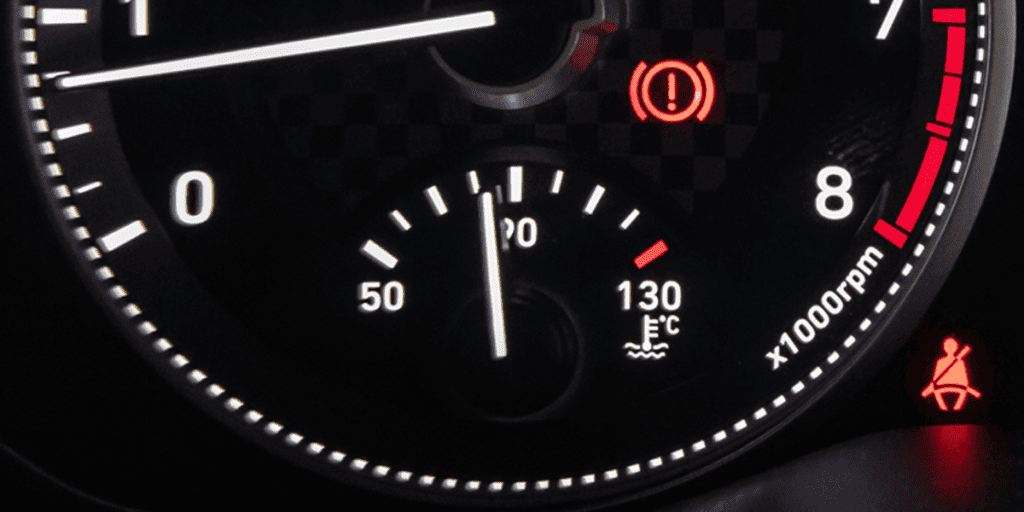
Also inspect for signs of transmission overheating or related dashboard warnings, since drivetrain issues can sometimes coincide with stalling after refueling.
How EVAP and a Stuck Purge Valve Flood the Engine
If the purge valve sticks open, it lets a steady stream of fuel vapors from the charcoal canister into the intake, creating an overrich mixture that can flood cylinders and cause stalling right after refueling.
You can often detect an EVAP problem by persistent P0441 or P0455 codes, a fuel smell or hissing near the purge valve, or by noting that unplugging the valve’s electrical connector smooths the idle.
Simple tests—disconnecting hoses and applying low-pressure air or a handheld vacuum—confirm whether the valve is stuck open, and replacement plus clearing codes usually restores proper idle and prevents repeat stalls.
When diagnosing, also check related components like the charcoal canister and lines because T-5 transmission identification principles such as using multiple identification points to confirm part differences apply equally to confirming EVAP system faults.
Purge Valve Stuck Open
Because the EVAP system controls fuel vapor flow from the charcoal canister to the engine, a purge valve that stays open can flood the intake with hydrocarbons and overwhelm combustion, especially when the engine is cold.
You’ll see rough idle or stalling after refueling as excess vapors dilute intake air, trigger P0446/P0455/P0441 codes, shift fuel trims, and prevent proper spark ignition.
Vapor Overrich Mixture
A stuck purge valve can do the opposite of what you might expect and create an overrich vapor mixture that floods the engine, so it’s important to understand how the EVAP system and purge faults interact.
If vapor or liquid fuel enters the intake it displaces air, raising vapor concentration above the upper explosive limit; combustion fails, cylinders flood, stalls occur, and you’ll need crank-open throttle clears or waiting to recover.
Detecting EVAP Leaks
How do you detect an EVAP leak and tell whether a stuck purge valve is flooding the engine?
Scan codes P0442, P0455 or P0440, note fuel smell and rough idle, then inspect gas cap seal.
Perform a smoke test to find cracked hoses or joints.
Test purge valve by unplugging and blowing through; air through a closed valve means stuck-open, causing vapor flooding and stalling.
Check the Fuel Pump, Pressure, and Fuel Filter First
Start by checking the fuel pump’s operation: with the key turned to “ON” you should hear a quiet hum from the rear of the car indicating the pump is energizing, and if you don’t, the pump or its electrical circuit may be at fault.
Next, connect a fuel pressure gauge to the fuel rail test port and compare readings to the manufacturer’s spec—most gasoline engines run roughly 40–60 psi, while readings below ~30 psi point to a weak pump, clogged filter, or restricted line, and readings above ~70 psi suggest a faulty regulator.
Finally, inspect and replace the fuel filter on its recommended schedule (typically every 30,000–50,000 miles); a dirty or blackened filter will restrict flow and can cause stalling after refueling.
Also consider checking the engine ground for corrosion or poor connection, since grounding issues can affect the pump’s electrical supply and cause similar stalling symptoms.
Fuel Pump Operation Check
Because the fuel pump supplies pressurized gasoline to the engine, you should check its operation first when a car stalls after refueling, and that means listening, probing, and measuring methodically.
Listen for a 2–3 second priming hum at key-on, inspect fuse and relay clicks, backprobe connector for battery voltage, assess filter for blockage, and measure pump current to detect motor deterioration.
Measure Fuel Pressure
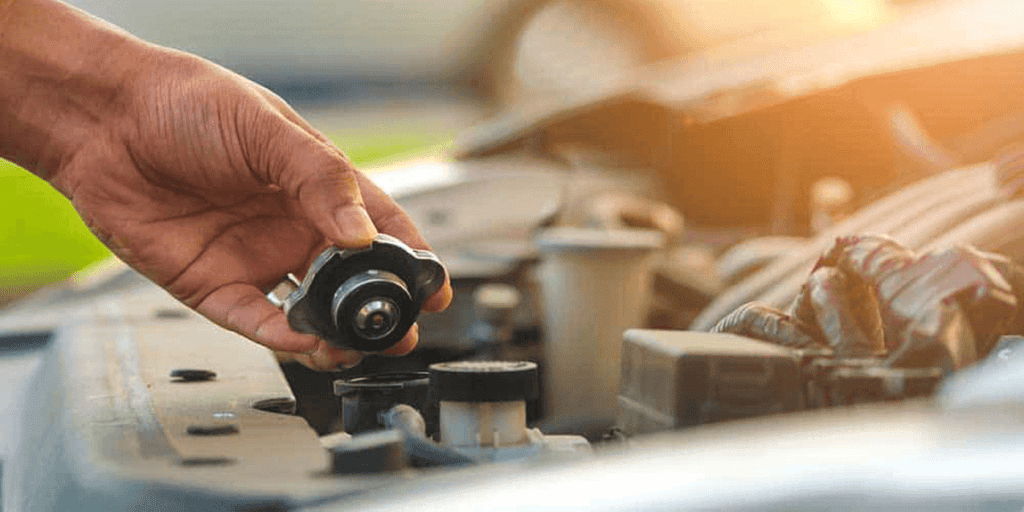
Before you attach any tools, identify the fuel rail’s test port and confirm it’s a Schrader valve—usually a small, capped fitting near the injectors—so you know where to connect the pressure gauge and how to relieve pressure safely.
Relieve pressure first, attach the gauge snugly, watch static prime on key-on, then run the engine and vary RPMs; inspect the regulator vacuum line for leaks.
Inspect Or Replace Filter
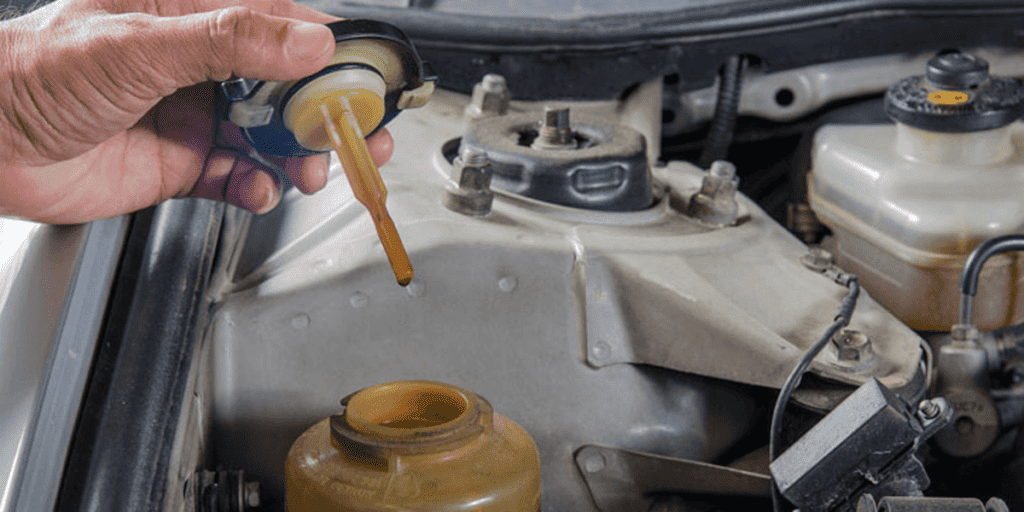
When you suspect the filter is causing stalling after refueling, inspect or replace it as part of a systematic check of the pump, pressure, and filter assembly; the fuel filter is a primary barrier that traps debris, rust, and water, and a clogged or degraded element will restrict flow enough to make the engine die under higher demand.
Replace every 30–50k miles, check housing seals, and look for sediment.
Gas Cap, Tank Leaks, and Tank-Pressure Sensor Faults
If your car stalls or runs poorly right after filling the tank, start by checking the gas cap and the tank-pressure sensing system, since a failed cap seal or a leak in the fuel tank can immediately disrupt the EVAP (evaporative emissions) system and confuse the Engine Control Unit (ECU).
Listen for hissing, smell fuel, inspect the cap gasket, replace with correct OEM thread and click-tight cap, then drive 10–15 minutes to let the ECU relearn.
Also inspect the gas cap lock and key mechanism for debris or stiffness and apply lubricant if needed to ensure proper cap engagement and sealing.
Air-Intake Sensors and Catalytic-Converter Issues to Rule Out
After you’ve checked the gas cap and EVAP components, look next at the air-intake sensors and the catalytic converter, since faults in these systems can produce the same stalling or rough-running symptoms immediately after filling the tank.
Faulty IAT or MAF readings cause misfires, poor mileage and rough idle; wiring issues or dirty MAFs mimic these faults.
A clogged catalytic converter restricts exhaust, reducing power and causing stalls.
A severely clogged converter can also increase back pressure and raise exhaust temperatures, which may trigger engine hesitation and reduced fuel efficiency when idling reduced vehicle power.
Step-By-Step Diagnostic and Repair Checklist to Follow or Share With a Mechanic
Inspect EVAP purge valve (blow test, vacuum to 27–28 inHg, electrical check).
Scan fuel filter/pump (pressure, sounds).
Verify fuel lines and quality.
Clean MAF.
Test spark plugs.
Avoid overfilling.
Check the gas cap and filler neck for a proper seal and audible click to prevent EVAP leaks and related trouble codes like P0455/P0456.
Wrapping Up
If your car stalls after refueling, start with simple checks: confirm the gas cap seals, listen for vapors when opening the tank, and inspect the fuel filter and pump pressure. A stuck EVAP purge valve can flood the intake, and faulty tank-pressure or air-intake sensors will trigger drivability issues that may affect the catalytic converter. Follow the step-by-step checklist or share it with your mechanic so diagnostics target the correct component quickly.