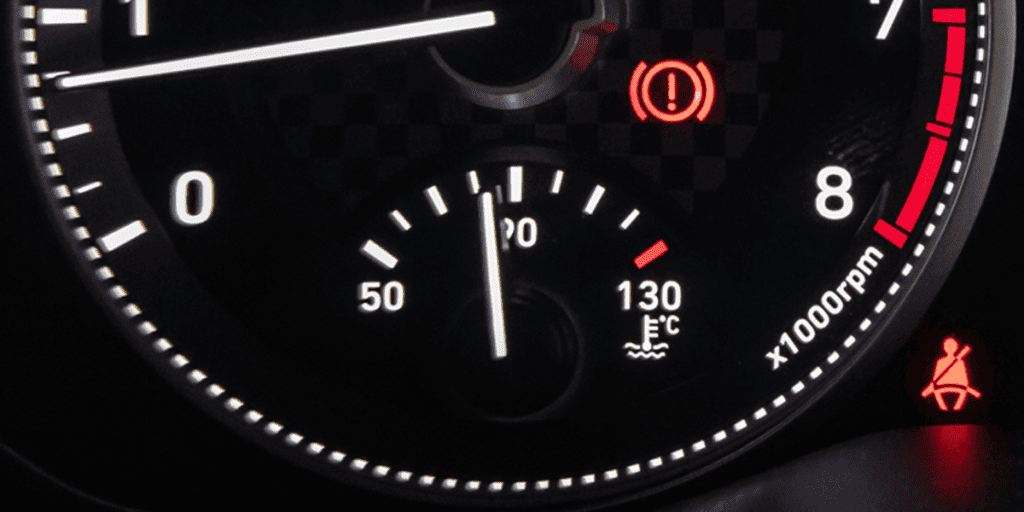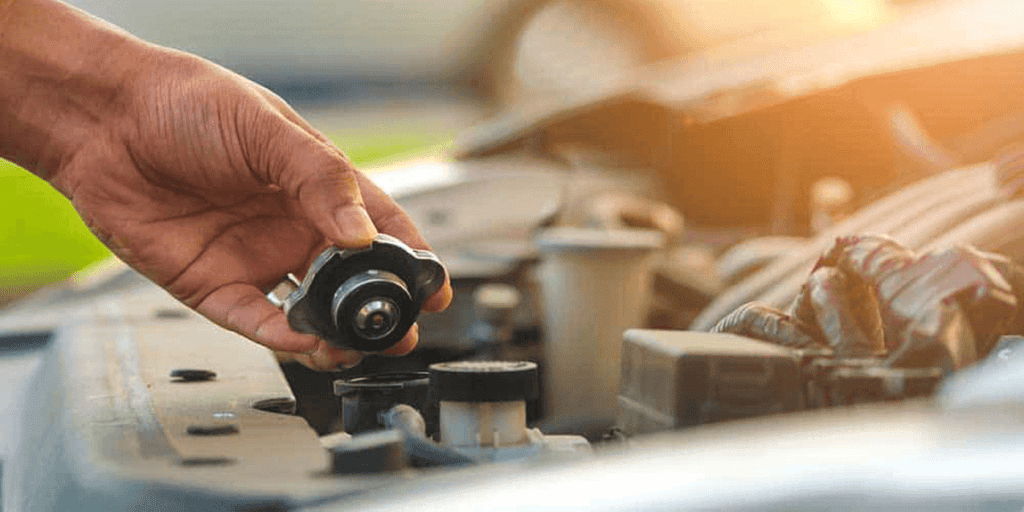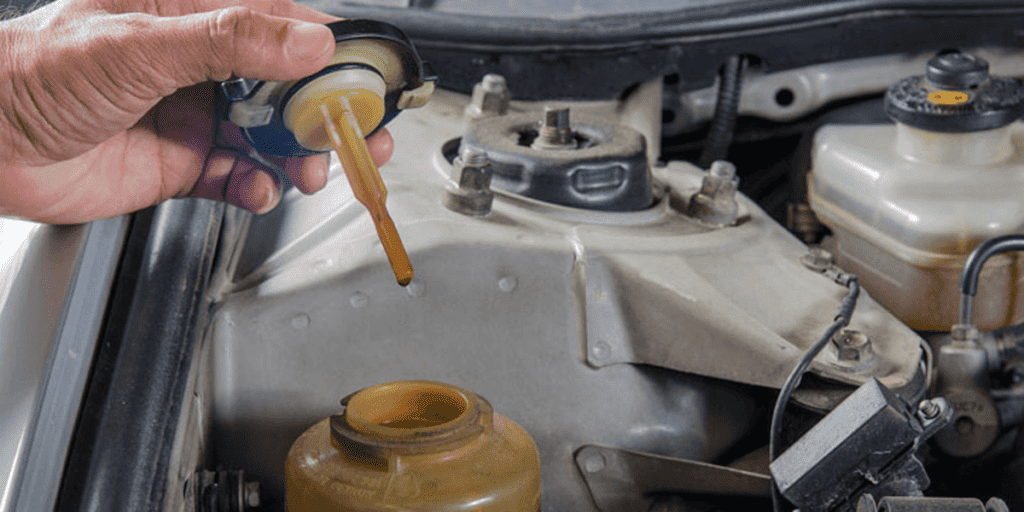
If your car stalls while driving but starts back up, treat it as an intermittent failure that needs quick triage: check for warning lights and listen for the fuel pump, verify battery voltage and alternator output, and note whether stalling happened under load or at idle. Fuel delivery (pump, filter, injectors), ignition coils/plugs, or a sensor/ECU cutoff are common causes. Pull to a safe spot, use hazards, and perform basic checks; continue for step‑by‑step diagnostics and fixes.
Quick Tips
- Immediate safety: coast to a safe spot, activate hazards, shift to Neutral/Park, wait ~10 seconds, then attempt restart.
- Common suspects: intermittent fuel delivery (pump, filter, injectors), ignition/spark (coils, plugs), or electrical/charging faults.
- Clues to triage: sputtering, loss under load, or whine from rear → fuel; warning lights or low/erratic voltage → electrical.
- Quick roadside checks: listen for fuel pump prime, verify battery voltage, scan OBD-II codes, and inspect battery terminals/grounds.
- Call a mechanic if stalls are frequent, car won’t restart after multiple attempts, dashboard warnings persist, or you smell burning/smoke.
Quick Checklist When Your Car Stalls While Driving

When your car stalls while you’re driving, stay calm and follow a clear sequence of actions to protect yourself and others: ease off the accelerator so the vehicle coasts, keep both hands ready on the wheel because power steering may fail, and steer toward the nearest safe spot such as a hard shoulder, parking lot, or turnout. A common cause of sudden stalls can be a failing fuel pump, which may cause sputtering or sudden loss of power.
Activate hazards, shift to Neutral or Park, wait ten seconds, then attempt restart; monitor gauges, use flares if safe, and call roadside assistance if problems persist. If warning lights were on before the stall, note which came on first and consider an alternator or electrical issue.
What the Symptom Means: Immediate Triage and Likely Causes
A brief stall while you’re driving usually signals an interruption in one of the vehicle’s critical systems—fuel delivery, ignition, air intake, electrical sensing, or exhaust—and triage means swiftly narrowing which system likely failed so you can take the safest next step.
Check for immediate electrical signs (lights, no-crank), listen for sputter patterns, note loss under load versus idle, and isolate ignition, sensor, vacuum, or exhaust faults.
Also consider quick checks of the charging and starting components, since issues with the charging system or starter can cause intermittent stalls and restarts.
How to Tell If It’s a Fuel Problem (Pump, Filter, Injectors, Regulator)

Start by checking for common fuel delivery symptoms: hard starting, sputtering at speed, loss of power under load, or rough idle, because each symptom points to different components like the pump, filter, injectors, or regulator.
Then measure fuel pressure at the rail with a gauge and compare the reading to the manufacturer’s specification; low or fluctuating pressure suggests pump or filter problems, while abnormally high pressure or a vacuum-line leak at the regulator points to regulator failure.
Finally, combine pressure readings with flow-rate tests and electrical checks—if pressure is steady but cylinders misfire, suspect injectors, whereas low flow and a whining tank noise implicate the pump or a clogged filter.
Intermittent stalling can also result from failing alternators or corroded ground connections that disrupt electrical systems and fuel delivery, so inspect charging and grounding circuits for corroded grounds.
Fuel Delivery Symptoms
Because fuel delivery problems often show specific patterns under load, you can usually narrow the cause by noting exactly when and how the engine misbehaves.
Stalling during acceleration or uphill driving, hesitation, surging, or sputter at speed point to pump, filter, or injector issues.
Listen for rear whirring, watch for worse stalls with low tank, and note immediate restarts and fuel-odd smells.
Fuel Pressure Checks
When fuel delivery symptoms point toward pump, filter, injectors, or regulator problems, checking fuel pressure tells you where to look next, and it gives measurable data rather than guesses.
Park level, cool engine, attach a gauge to the Schrader/test port.
Prime with ignition ON, note static pressure, then idle for operational reading.
Test vacuum response, leakdown over 20–30 minutes, and deadhead pressure per specs.
Is the Electrical System Causing the Stall?
If your car stalls while driving but restarts, you should first rule out electrical causes by checking the battery, alternator, wiring, and diagnostic codes, since any of those components can interrupt power to the engine control systems.
Check battery voltage under load, terminal corrosion, alternator output and ripple, loose grounds, frayed wires, accessory loads, and OBD-II codes like P0562 or P0625.
A failing alternator may cause both dashboard warnings and intermittent stalls, so verify charging voltage (expect 13.5–14.5V when running) and inspect the serpentine belt and terminals.
Sensor Failures That Suddenly Kill a Running Engine

Sensor failures are a common but often overlooked cause of sudden engine shutdowns while driving, and you should treat them as critical diagnostic starting points because they directly feed the Engine Control Unit (ECU) the timing and airflow data it needs to keep the motor running.
Check crank and cam position sensors, MAF, O2 and throttle position units for wiring corrosion, intermittent signals, and stored trouble codes.
The downstream O₂ sensor can mimic upstream fluctuations and help reveal a failing catalytic system like a Bank 2 catalyst.
Could Ignition Parts (Coils, Plugs, Wires) Be the Culprit?
Check the ignition components first, because a failing coil or worn spark plug often causes the engine to run lean or misfire before it stalls.
A bad coil can cut voltage to one cylinder—especially in coil-on-plug systems where a single failed coil triggers an immediate misfire code—while worn or fouled plugs reduce spark intensity and can prevent combustion even if coils are fine.
You can confirm issues with basic tests like an OBD-II scan, coil-swap or inline spark tests, and visual inspection for cracked boots, oil contamination, or excessive electrode wear.
Refer to cylinder numbering to locate the affected coil quickly and perform targeted tests like coil-swap or resistance checks on Ignition Coil C.
Ignition Coil Failure
Because ignition coils, spark plugs, and high-tension wires work together to create the spark that ignites the air-fuel mixture, a failure in any of these parts can cause your engine to stall while driving and then restart once the component cools or the electrical condition changes.
Check for misfire codes (P0300–P0308, P0350–P0362), visible coil damage, and test coil resistance or swap coils to isolate faults.
Spark Plug Wear
Ignition coil problems often show the same symptoms as worn spark plugs, so after you’ve inspected coils it’s logical to examine the plugs themselves for signs of wear that can cause stalling.
Check for eroded electrodes, cracked insulators, carbon or oil fouling, and gap expansion beyond spec; these cause misfires, rough idle, hard cold starts, reduced fuel economy, and power loss under load.
Can Overheating or Cooling Faults Cause Sudden Stalls?
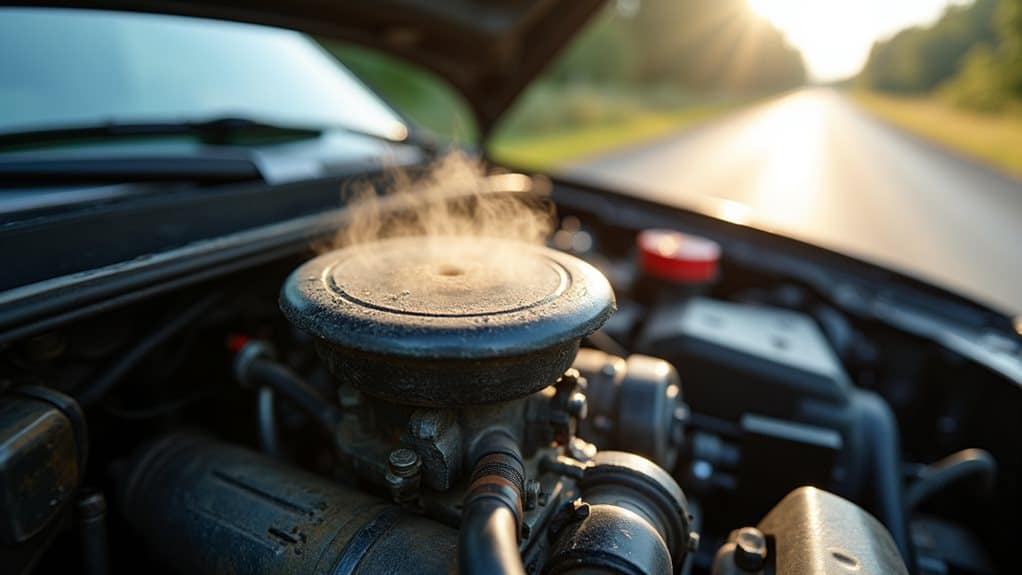
When an engine suddenly stalls while you’re driving, overheating and cooling-system failures are common culprits because they can force the engine control unit (ECU) to cut fuel and ignition to prevent severe damage; the ECU often triggers a hard shutdown once coolant temps exceed roughly 120–130°C.
Blocked radiators, failed fans, low coolant, stuck thermostats or pump failure cause rapid spikes, vapor lock, sensor heat-failure, and restart risks.
Roadside Diagnosis: Step‑by‑Step Tests You Can Do Now
Before you touch anything, do quick safety checks: pull off the road, turn on hazards, set the parking brake, and let the engine cool if it feels hot so you won’t burn yourself while inspecting.
Start with simple fuel delivery tests by listening for the fuel pump hum with the key in the ON position, checking for obvious leaks or damaged lines, and, if you have a gauge or can access a schrader valve, confirm fuel pressure to rule out starvation.
Then perform basic electrical inspections—measure battery voltage (should be above 12.4 V at rest), look for corroded or loose ground connections, and scan for OBD‑II codes or test ignition components like coils and spark plugs to identify intermittent failures.
Quick Safety Checks
Even if the engine has just quit on you, stay calm and follow a clear checklist so you can assess hazards and basic causes safely;
begin by pulling the car to the shoulder, activating your hazard lights, and shifting to neutral while steering steadily to a safe stop.
Check hazards, set warning triangles, stay inside if safe, verify battery voltage, scan dash for codes, and note engine noises.
Fuel Delivery Tests
If your car stalls while driving but then restarts, checking the fuel delivery system can quickly reveal whether the pump, regulator, or injectors are at fault; you’ll start with simple, safe tests you can do at the roadside using basic tools and an OBD‑II scanner, and you should only proceed if it’s safe to work on the vehicle.
Check static pressure at the fuel rail, then run pressure while idling, test regulator vacuum response, measure pump flow into a container, and pulse each injector to spot leaks or weak units.
Basic Electrical Inspections
When a car stalls while driving but restarts, the electrical system is one of the first areas you should inspect, because intermittent power loss often comes from simple, fixable faults; follow a systematic roadside checklist to isolate the problem safely.
Check battery terminals for corrosion and tightness, test alternator voltage under load, inspect fuses and grounds, verify coil and spark plug resistances, and replace damaged components.
When to Call a Mechanic or Tow: Urgency and Cost Guide
Because stalling while driving can indicate anything from a minor sensor fault to an imminent mechanical failure, you should know clear criteria for when to call a mechanic or arrange a tow; frequent or unpredictable stalls, failure of the engine to crank after several attempts, persistent dashboard warnings after a restart, smoke or burning smells, and continuous power loss are all signs that professional intervention is required immediately.
Call immediately for those.
Temporary Fixes and Safe Restart Steps to Get You Moving

Having a clear set of temporary fixes and safe restart steps can keep you moving after a stall and help you avoid making the problem worse, so you’ll want to follow a logical, safety-first process.
Secure the vehicle, signal hazards, and attempt a controlled restart: off for 10 seconds, listen for fuel pump, then start.
If it cranks but won’t fire, check battery, fuel level, fuses, wait before retrying, and drive slowly to a shop.
Wrapping Up
If your car stalls while driving, stay calm and pull over when safe; you’ll want to check fuel level, listen for the pump, and scan for warning lights before restarting. Intermittent stalls point to fuel delivery, ignition, sensor, or electrical issues, while persistent cuts suggest failed pumps, clogged filters, or critical sensors like the crank or cam position units. Don’t ignore repeated stalls—document symptoms, perform basic roadside checks, and call a mechanic or tow when safety or diagnostics require professional service.