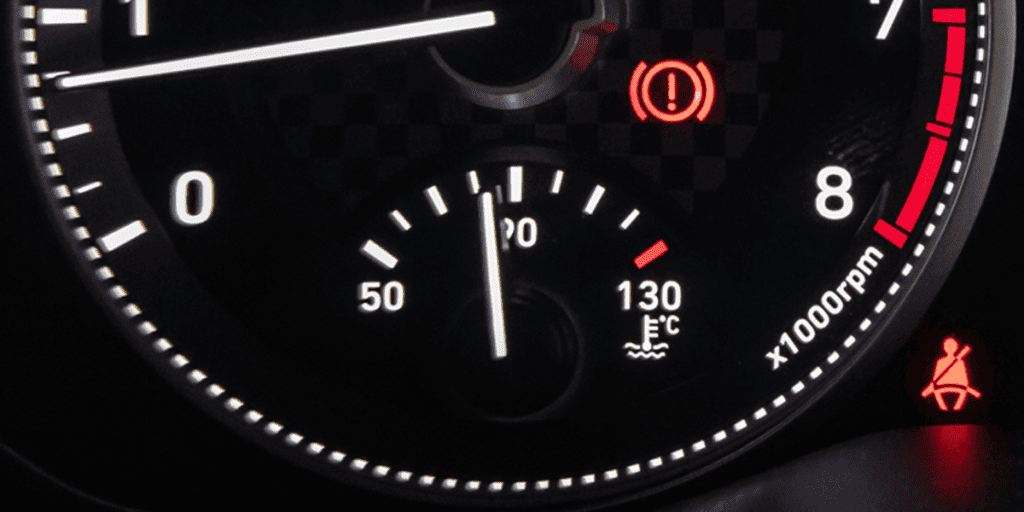
An engine runs rich mainly due to issues with fuel delivery, sensors, or air intake that cause excess fuel to enter the combustion chamber. Problems like a faulty fuel pressure regulator, clogged fuel injectors, or a malfunctioning oxygen sensor can send incorrect signals, leading to over-fueling. Vacuum leaks or a failed EGR valve also disrupt air-fuel balance. Proper maintenance and inspection of these components are essential, and understanding these causes can help you identify the root issue effectively.
Quick Tips
- Faulty oxygen sensors or mass airflow sensors send incorrect data, causing the ECU to over-inject fuel.
- Malfunctioning fuel pressure regulators increase fuel pressure, leading to excess fuel entering the combustion chamber.
- Vacuum leaks or dirty air filters disrupt air intake, resulting in a richer fuel mixture.
- Damaged or contaminated fuel injectors deliver excessive or uneven fuel, causing a rich condition.
- Engine control issues or unaddressed sensor errors prevent proper mixture regulation, leading to over-fueling.
What Does It Mean When an Engine Runs Rich?
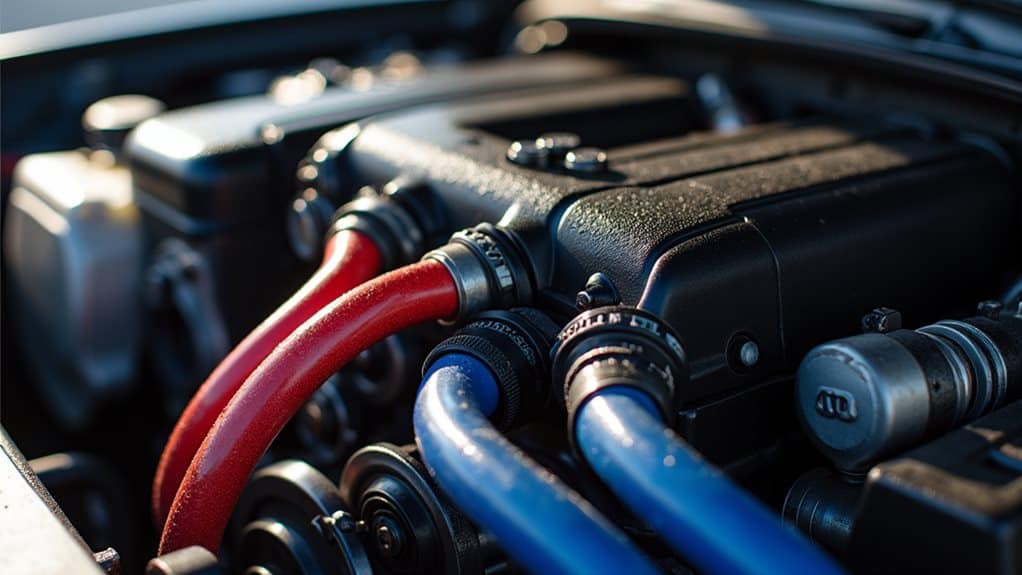
When an engine runs rich, it means the fuel mixture inside the combustion chamber contains more fuel than necessary for complete combustion.
This occurs when the oxygen sensor or fuel pressure regulator sends incorrect data to the engine control unit (ECU).
As a result, the engine receives excess fuel, leading to black smoke, rough idling, and decreased efficiency.
Professionals recommend using quality charging and maintenance practices to prevent battery-related issues that can affect engine electronics and exacerbate rich-running conditions.
How Do Faulty Sensors Cause a Rich Fuel Mixture?
Faulty sensors play a significant role in causing a rich fuel mixture because they send incorrect data to the engine control unit (ECU).
The ECU relies on this information to regulate fuel injection accurately. When oxygen sensors or the mass airflow sensor malfunction, they misread conditions.
This prompts the ECU to increase fuel delivery unnecessarily.
This disruption results in a consistently rich fuel mixture.
Some mechanics try temporary fixes like adding metal particle additives to reduce wear in worn engines, but such measures don’t address the root cause of sensor-related richness.
Can a Bad Fuel Pressure Regulator Make Your Engine Run Rich?
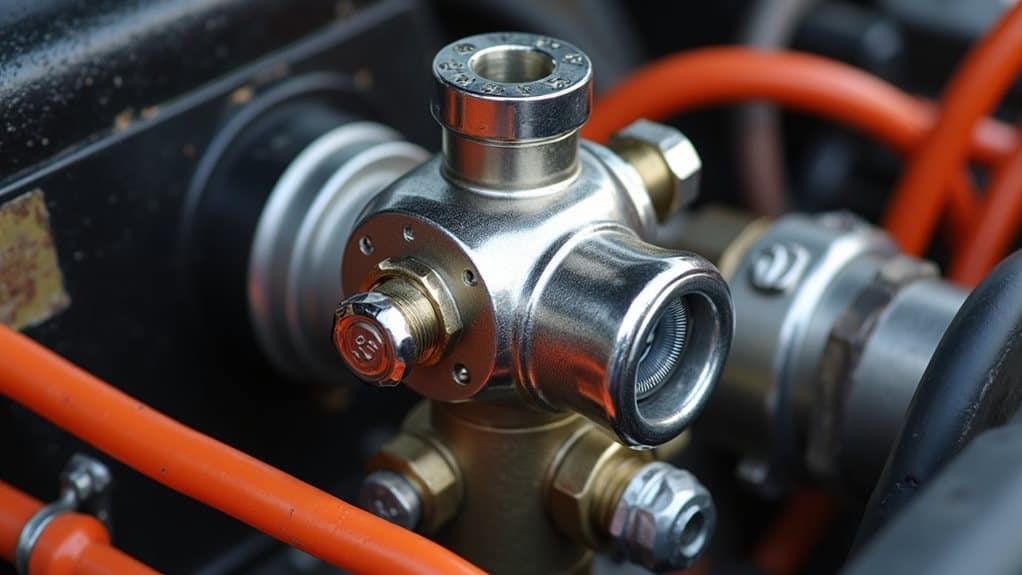
A faulty fuel pressure regulator can cause the engine to run rich by allowing too much fuel to enter the combustion chamber, often due to abnormal pressure levels.
When the regulator malfunctions, it can increase fuel pressure beyond normal, overwhelming the fuel injectors and disrupting proper fuel delivery.
Recognizing symptoms like strong fuel odors, black soot around the exhaust, and poor fuel economy can help you identify if the regulator is the cause.
Proper diagnosis involves checking fuel pressure with a gauge and inspecting for signs of excess fuel.
Be aware that using unreliable aftermarket parts can lead to premature failures that mimic regulator-related rich-running symptoms.
Fuel Pressure Variations
Have you ever wondered how the fuel pressure regulator affects your engine’s performance? When it malfunctions, it can cause fuel pressure to vary, often rising above normal.
This increases fuel delivery through the fuel injectors, leading to a rich running condition. Diagnosing this involves checking fuel pressure with a gauge and inspecting for fuel leaks.
Excess Fuel Delivery
Can a failing fuel pressure regulator cause your engine to run rich? Yes. A faulty regulator can fail to maintain proper fuel pressure, leading to excessive fuel being delivered to the engine.
This increased fuel delivery results in unburned fuel, black smoke, and a strong fuel smell. Correct diagnosis involves checking fuel pressure and inspecting for leaks or inconsistent readings.
Symptoms and Troubleshooting
When a fuel pressure regulator begins to fail, it can cause noticeable symptoms that indicate trouble with the engine’s air-fuel mixture. You might experience running rich, which triggers the engine light and rough idling.
To diagnose what’s wrong, check for a strong fuel smell, black smoke, or high fuel pressure readings—signs of a bad fuel pressure regulator affecting performance.
How Do Clogged Fuel Injectors Contribute to Rich Running?
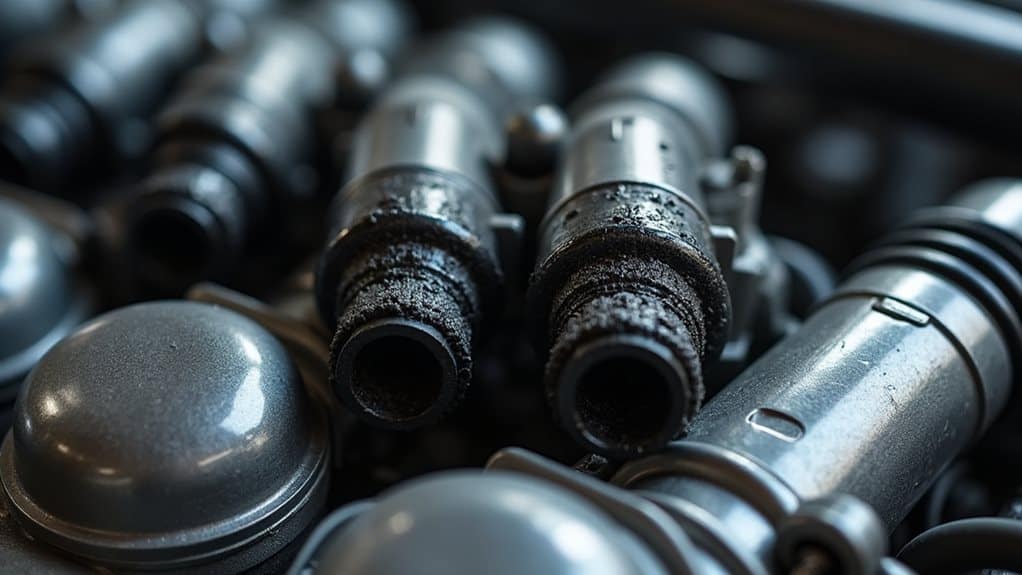
Clogged fuel injectors markedly impact the engine’s air-fuel mixture by causing uneven or excessive fuel delivery. This leads to rich running, where too much fuel enters the combustion chamber.
Restricted injectors fail to atomize fuel properly, causing incomplete combustion and unburned fuel. Over time, this reduces fuel efficiency and increases emissions, making the engine less efficient overall. A leaking or malfunctioning injector can also allow excess fuel to enter the cylinder, introducing excess fuel that worsens the rich condition.
How Does the Air Intake System Affect Your Engine’s Fuel Mixture?
The air intake system plays a vital role in maintaining the proper air-fuel mixture in your engine.
If the air filter is dirty or clogged, it restricts airflow, causing the engine to compensate by adding more fuel. This can lead to a rich running condition.
Additionally, malfunctioning sensors like the mass airflow (MAF) sensor or vacuum leaks in the intake manifold can send incorrect data or introduce unmetered air.
Both of these issues disrupt the balance and may cause excess fuel to be injected.
Regular maintenance—such as replacing a clogged cabin or engine air filter to ensure proper airflow—helps prevent rich running conditions.
Air Filter Condition
A clean and properly functioning air filter plays a crucial role in maintaining the correct air-fuel mixture in your engine.
A dirty air filter restricts airflow, causing the engine to receive less air. This triggers the fuel system to deliver more fuel, resulting in a richer mixture.
Regular inspection and replacement are essential to prevent airflow issues that impair engine performance.
Mass Airflow Sensor
Have you ever wondered how your engine knows exactly how much air is entering it? The mass airflow sensor measures this airflow, helping the engine control unit (ECU) determine the proper air-fuel mixture for efficient fuel injection.
A faulty sensor sends incorrect data, causing the engine to run rich, which affects performance, emissions, and can lead to black smoke.
Intake Vacuum Leaks
Ever wonder how tiny cracks or loose connections in your engine’s air intake system can cause bigger problems? Vacuum leaks, often from damaged intake manifold gaskets or cracked intake hoses, allow unmetered air to enter.
This disrupts the air-fuel ratio, triggers engine misfires, and causes rough idling, high fuel consumption, and black smoke from unburned fuel.
Could a Vacuum Leak Be Causing Your Engine to Run Rich?
When your engine runs rich, a common cause to think about is a vacuum leak in the intake system. A vacuum leak allows unmetered air into the intake manifold, disrupting the air-fuel ratio.
This can stem from a damaged intake manifold gasket or cracked vacuum hoses, causing the mass airflow sensor to underestimate airflow and prompting excess fuel injection. Faulty or leaking fuel injectors can also contribute to a rich mixture, particularly if clogged filters or injector leaks impede proper fuel metering.
Does a Malfunctioning EGR Valve Lead to Excess Fuel Delivery?
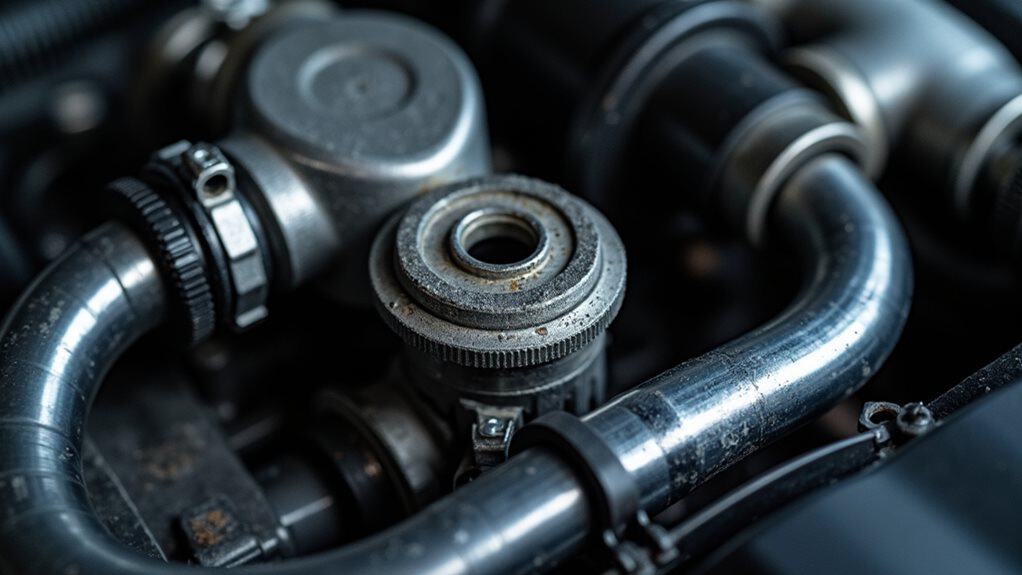
A malfunctioning EGR (Exhaust Gas Recirculation) valve can considerably impact your engine’s fuel mixture, often leading to a rich running condition.
When the EGR valve sticks open, excess exhaust gases enter the intake manifold, lowering combustion temperatures. This causes the engine to inject more fuel to maintain power, resulting in an imbalanced air-fuel mixture and excess fuel delivery.
How Can Poor Maintenance Cause Your Engine to Run Rich?
Poor maintenance practices can deeply contribute to an engine running rich by disrupting the accuracy of sensors and the quality of airflow and fuel delivery.
A dirty air filter restricts airflow, causing excess fuel.
Faulty sensors, like the MAF or oxygen sensors, give incorrect readings.
Neglected fuel system issues, such as clogged injectors, lead to over-fueling and poor combustion efficiency.
What Steps Should You Take if Your Engine Runs Rich?
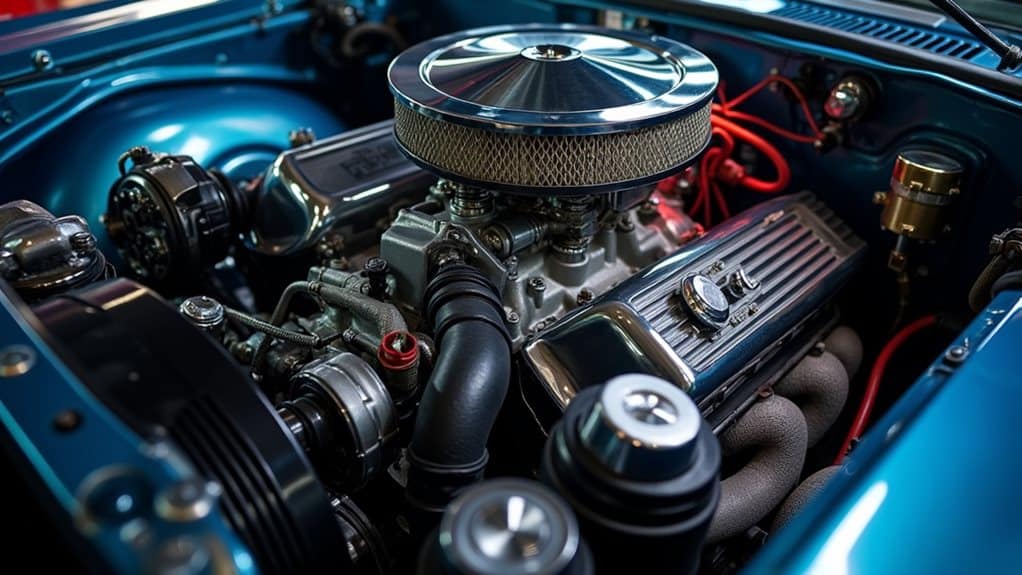
To address a rich-running engine effectively, start by diagnosing with an OBD-II scanner to read diagnostic trouble codes (DTCs).
Check the mass airflow (MAF) sensor for dirt or damage, and inspect the fuel pressure regulator and fuel injectors for leaks or clogging.
Examine oxygen sensors, vacuum leaks, and verify the air filter is clean to maintain proper airflow and fuel mixture.
Wrapping up
If your engine runs rich, start by checking sensors like the oxygen sensor and fuel pressure regulator, as faulty parts can cause excessive fuel delivery. Examine the fuel injectors for clogs, inspect the air intake system for leaks, and guarantee the EGR valve functions properly. Regular maintenance helps prevent issues. Address problems promptly to avoid engine damage, reduce emissions, and improve fuel efficiency. Proper diagnosis and timely repairs are vital for peak engine performance.