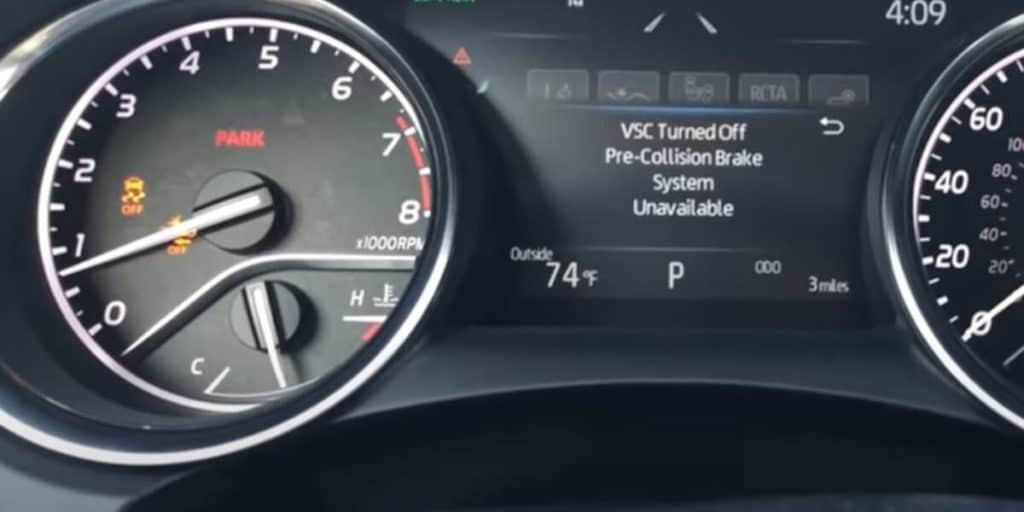
If your accelerator sticks while driving, stay calm and keep your eyes on the road. Shift into neutral to disconnect the engine from the wheels, then apply steady pressure on the brake to slow down safely. Steer toward an open area away from traffic, and if possible, turn off the ignition once you’ve stopped. Different vehicle types may require specific actions, so understanding your car’s system is vital. Continuing with this guidance will provide you with essential details for safe handling.
Quick Tips
- Stay calm and keep your eyes on the road to avoid panic.
- Shift into neutral to disconnect the engine from the wheels and reduce speed.
- Apply steady pressure on the brake pedal to slow down safely.
- Steer toward an open area away from traffic for safe stopping.
- Turn off the engine once the vehicle has come to a stop to prevent further issues.
What Should You Do Immediately When Your Accelerator Sticks?

If your accelerator suddenly sticks while you’re driving in New York, it’s important to stay calm and act quickly to maintain control of your vehicle. Keep your eyes on the road and avoid panicking.
Shift into neutral to disconnect the engine from the wheels. Then, apply steady pressure on the brake pedal to slow down safely and steer toward an open area away from traffic. Consider applying steady braking while shifting into neutral to help reduce speed safely.
Why Do Accelerators Get Stuck, and How Can You Prevent It?
Accelerators can get stuck for several reasons, often related to both mechanical and electronic components of your vehicle. Mechanical faults, such as worn or damaged cables and pedals, are common, especially in older cars.
Electronic throttle systems may malfunction due to wiring issues or sensor failures. Dirt, debris, or corrosion around pedals or cables can also cause sticking, so regular maintenance helps prevent these problems. Smart systems and sensors can also fail due to electrical spikes or overheating of components, which can be mitigated with proper maintenance.
How to Handle a Stuck Accelerator in Different Vehicle Types

When your accelerator sticks, the response varies depending on your vehicle’s system. Mechanical throttle systems, which use cables and linkages, often require shifting into neutral and manually freeing the pedal.
In contrast, modern electronic throttle systems typically involve shifting into neutral, applying the brakes, and turning off the engine. Understanding whether your vehicle has manual or electronic controls, along with specific features like electronic parking brakes, helps you follow the correct steps to safely stop the vehicle. Cold-weather brake squeal is usually harmless in many cases, though it can sometimes indicate issues like glazed pads or brake component wear.
Mechanical vs. Electronic Systems
Understanding the differences between mechanical and electronic throttle systems is essential for responding effectively to a stuck accelerator.
Mechanical systems rely on physical cables, which can jam or stick. These issues often require manual fixes like jiggling or shifting gears.
Electronic systems use sensors and actuators. When stuck, turning off the engine or seeking professional help is usually safest.
Manual vs. Electronic Throttles
Different vehicle types handle throttle control in distinct ways, which influences how you should respond if the accelerator sticks.
Manual throttle vehicles use a physical cable connected to the pedal, often fixable by shifting into neutral and applying brakes.
Electronic throttle systems involve sensors and software, usually requiring turning off the engine to reset or disengage the throttle safely.
Vehicle Features and Controls
Handling a stuck accelerator requires quick recognition of your vehicle’s features and controls, as these vary widely.
Older models with mechanical cables may need checks for obstructions or cable faults.
Modern vehicles with electronic throttle controls might involve sensor issues, requiring professional diagnosis.
Push-button start systems limit options; pressing and holding the button can shut off the engine.
Automatic transmissions need shifting to neutral, while manual cars require clutch engagement.
Electronic parking brakes may activate automatically or need manual release.
Troubleshooting Common Causes of Accelerator Jamming
When your accelerator sticks while driving, it’s important to identify the cause to handle the situation safely. Mechanical issues, like frayed or stuck cables in older vehicles, are common.
Modern cars may experience electronic sensor failures or wiring faults. Regular inspections, preventive maintenance, and professional diagnostics help spot these problems early, reducing the risk of unexpected throttle jamming. Regular checks of the vehicle’s HVAC system and vents can help spot debris or damage that may indirectly affect pedal mechanisms and overall safety.
How to Safely Bring Your Vehicle to a Stop
To safely bring your vehicle to a stop, you should apply steady, firm pressure on the brake pedal to gradually slow down without losing control.
As you decelerate, steer toward an open, clear area away from traffic to create a safe escape route.
Once the vehicle has stopped completely, turn off the ignition to prevent further acceleration.
Maintain focus on the road to avoid sharp turns or sudden movements.
If the vehicle’s anti-theft system or security features interfere with restarting or electrical systems after stopping, consider the theft deterrent reset procedure to restore normal operation.
Maintain Steady Brake Pressure
Maintaining steady brake pressure is essential for safely bringing your vehicle to a stop when your accelerator sticks.
Apply firm, continuous pressure on the brake pedal to gradually slow down without losing control.
Avoid pumping the brakes rapidly, as this can reduce effectiveness and cause skidding.
Keep your foot firmly on the brake until the vehicle completely stops.
Choose Clear Escape Path
Choosing a clear escape path is vital for safely bringing your vehicle to a stop if your accelerator sticks.
Select an open, straight route away from traffic, avoiding sharp turns or steep slopes that could cause loss of control.
Steer toward areas like shoulders or parking lots, maintaining steady brake pressure.
Constantly scan your surroundings to guarantee the path remains free of obstacles.
Turn Off Engine Safely
Once your vehicle has come to a complete stop, it’s vital to turn off the engine carefully to prevent further acceleration or loss of control.
Make sure the vehicle is fully stopped before turning off the ignition or pressing the start/stop button.
For push-button start vehicles, hold the button for several seconds if necessary.
Engage the parking brake afterward to secure the vehicle.
What to Do After You Have Stopped Your Vehicle
After bringing your vehicle to a complete stop, the first step is to turn off the engine to prevent any further unintended acceleration.
Make certain the vehicle is fully stationary before exiting or inspecting it.
Assess the situation to determine if professional help or repairs are necessary.
Use hazard lights if still on the road, and report the incident to authorities or your insurance provider as needed.
Tips to Prevent Accelerator Problems in the Future

To prevent accelerator problems, regular maintenance of your vehicle’s components is essential. Inspect and clean the pedal and linkage to avoid buildup that can cause sticking.
Have electronic throttle control parts checked periodically by professionals.
Avoid aftermarket accessories near the pedal, and use manufacturer-recommended lubricants and parts.
Familiarize yourself with safety features and emergency procedures for quick response if needed.
Regular yearly inspections for rust, cracks, and loose parts can help prevent related exhaust system issues and extend component life.
Wrapping up
If your accelerator sticks while driving, stay calm and follow safety procedures, such as shifting to neutral and braking gradually. Understanding common causes like mechanical failure or dirt build-up helps in prevention. Regular vehicle maintenance, including inspecting throttle components and sensors, reduces risk. Always know how to safely stop your vehicle and seek professional help for repairs. Staying vigilant and proactive guarantees safer driving and minimizes the chance of accelerator malfunctions.