You should typically flush your brake fluid every two to three years or every 24,000 to 36,000 miles, whichever comes first. This interval helps prevent moisture buildup, dirt contamination, and internal corrosion, which can compromise braking performance and cause costly repairs. Regular checks are necessary to identify signs like a spongy pedal or increased stopping distance. Staying on schedule maintains safety and vehicle longevity. Continuing will provide more detailed guidance to keep your brakes in top condition.
Quick Tips
- Typically every two to three years, or every 24,000 to 36,000 miles, depending on manufacturer recommendations.
- Signs like spongy brake pedal or increased stopping distance indicate the need for an immediate flush.
- Regular inspections can help determine if the brake fluid has degraded or become contaminated.
- Severe winter conditions and frequent braking can accelerate the need for more frequent flushes.
- Professional service ensures proper fluid type and thoroughness, maintaining optimal brake system performance.
Why Regular Brake Fluid Flushing Is Critical for Your Safety
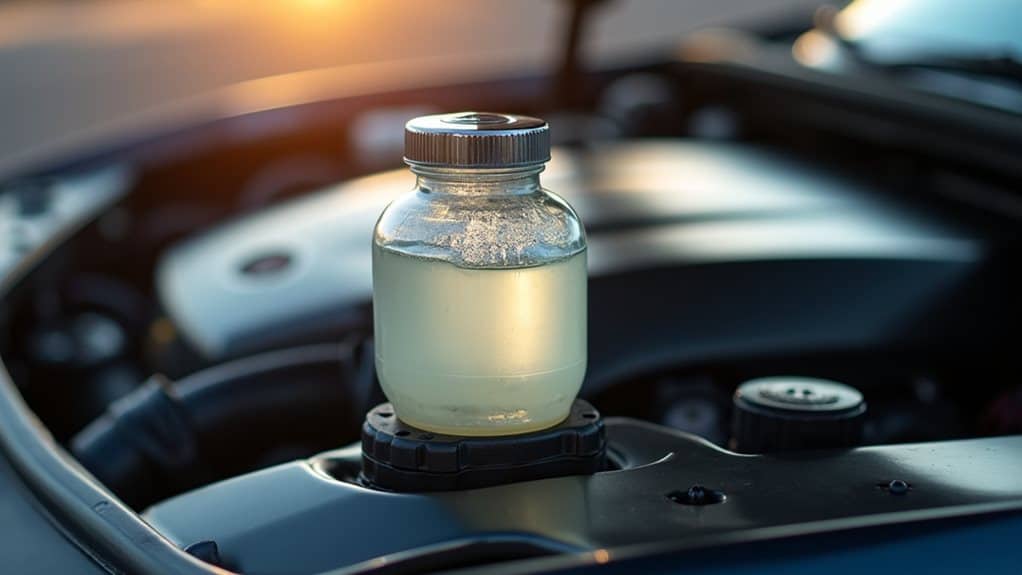
Regular brake fluid flushing is essential because over time, moisture and dirt can accumulate inside the brake system, leading to corrosion and decreased performance.
Moisture in the brake fluid causes internal rust, damaging seals and calipers, which reduces braking efficiency.
Flushing the brake system prevents these issues, maintaining proper brake fluid function and ensuring your vehicle’s safety and reliability.
Additionally, using proper corrosion prevention products and regular inspections can help stop rust from spreading and prolong brake component life.
Signs Your Brake Fluid Needs an Immediate Flush
If your brake pedal feels spongy or soft when pressed, it’s a clear sign that moisture or contamination has compromised the brake fluid, requiring an immediate flush.
An increase in stopping distance or a warning light on your dashboard also indicates that the brake fluid may no longer be effective, potentially jeopardizing safety.
Pay attention to these signs promptly, as delaying a flush can lead to brake system failure and costly repairs.
When winter driving conditions are severe and tires struggle for traction, properly maintained brakes and fresh fluid are as crucial as using snow chains to maintain overall vehicle control.
Brake Pedal Sponginess
A spongy or soft brake pedal is a clear warning sign that your brake fluid may be contaminated with moisture or has degraded over time. This causes internal corrosion and reduces hydraulic pressure.
As a result, you may experience inconsistent brake response or pedal sinking. If you notice this, it’s essential to flush the brake fluid promptly to restore proper brake pedal firmness and safety.
Increased Stopping Distance
Have you noticed that your vehicle takes longer than usual to come to a complete stop? Increased stopping distance often signals contaminated brake fluid.
Contaminated brake fluid can absorb moisture and cause internal corrosion. This degradation reduces hydraulic pressure, impairing braking efficiency.
Regularly checking your brake fluid’s condition helps prevent dangerous increases in stopping distance caused by fluid deterioration.
Brake Warning Light
The brake warning light on your dashboard serves as an important alert that your vehicle’s braking system may be experiencing issues, often related to the brake fluid.
If the light illuminates, it could indicate contaminated or low brake fluid, requiring an immediate brake fluid flush.
Ignoring this warning may lead to decreased braking performance and increased safety risks.
How Often Should You Change Your Brake Fluid?
Most vehicles should have their brake fluid changed every two to three years to maintain ideal braking performance and safety.
To properly change brake fluid, follow the manufacturer’s recommendations, which typically suggest every 24,000 to 36,000 miles, especially for vehicles with ABS systems.
Regularly checking your owner’s manual guarantees you perform routine brake services at appropriate intervals.
A warped rotor can cause pulsing and uneven wear, which may increase stress on the braking system and underscore the importance of timely fluid changes to maintain overall braking performance.
Should You Do a Brake Fluid Flush Yourself or Hire a Professional?
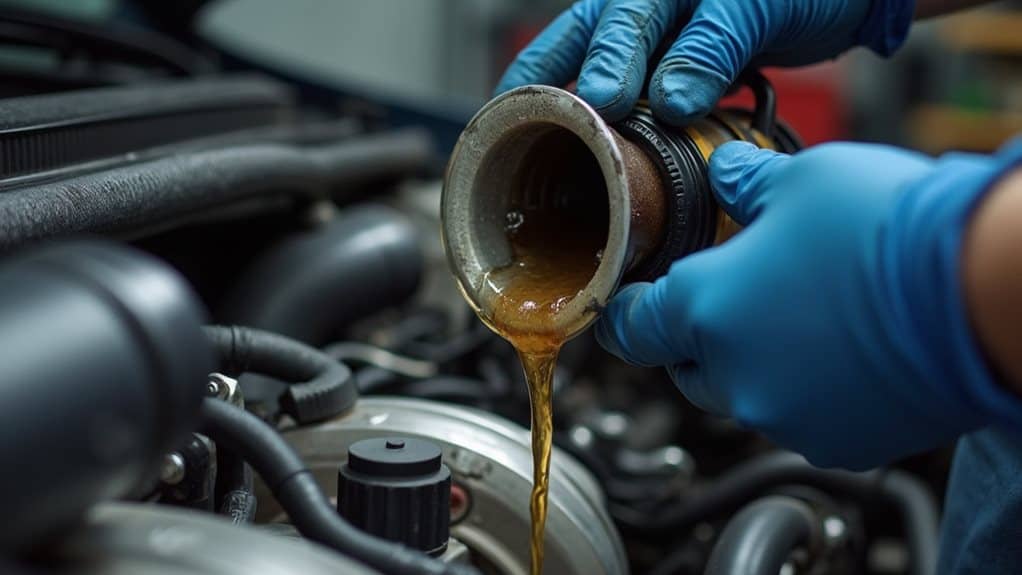
Deciding whether to perform a brake fluid flush yourself or hire a professional depends on your comfort level with vehicle maintenance and available tools.
A DIY brake fluid flush costs about $15 in supplies but lacks the proficiency of certified mechanics, who guarantee proper technique, fluid type, and safety.
If inexperienced, hiring a professional guarantees a thorough, correct service, reducing system issues.
Regular maintenance of related systems like the charging system can help prevent electrical problems that complicate brake system diagnostics.
The Benefits of Following Your Vehicle’s Brake Fluid Maintenance Schedule
Following your vehicle’s brake fluid maintenance schedule is vital to keep the entire brake system functioning properly. Regularly changing the brake fluid prevents internal corrosion and reduces the risk of component failure, which can be costly to repair. Tacky Glue is a polyvinyl acetate (PVA)-based adhesive that dries clear and remains flexible, making it non-toxic and safe for children’s projects, and its final cure can take up to 24 hours for full strength.
Ensures Brake System Health
Regularly flushing brake fluid is essential for maintaining the overall health of your vehicle’s braking system.
A proper fluid change prevents moisture buildup that can cause internal corrosion and reduce brake efficiency.
Following recommended intervals helps keep hydraulic components in good condition, ensuring reliable braking performance and extending the lifespan of your brake system.
Prevents Costly Repairs
Neglecting proper brake fluid maintenance can lead to serious and costly repairs over time.
By regularly changing your brake fluid every 2 to 3 years, you prevent internal corrosion, rust, and contamination that damage brake lines and ABS components.
Following the manufacturer’s recommended schedule reduces the risk of brake system failure, saving you money and avoiding expensive repairs.
How a Brake Fluid Flush Protects Your Brakes and Saves Money
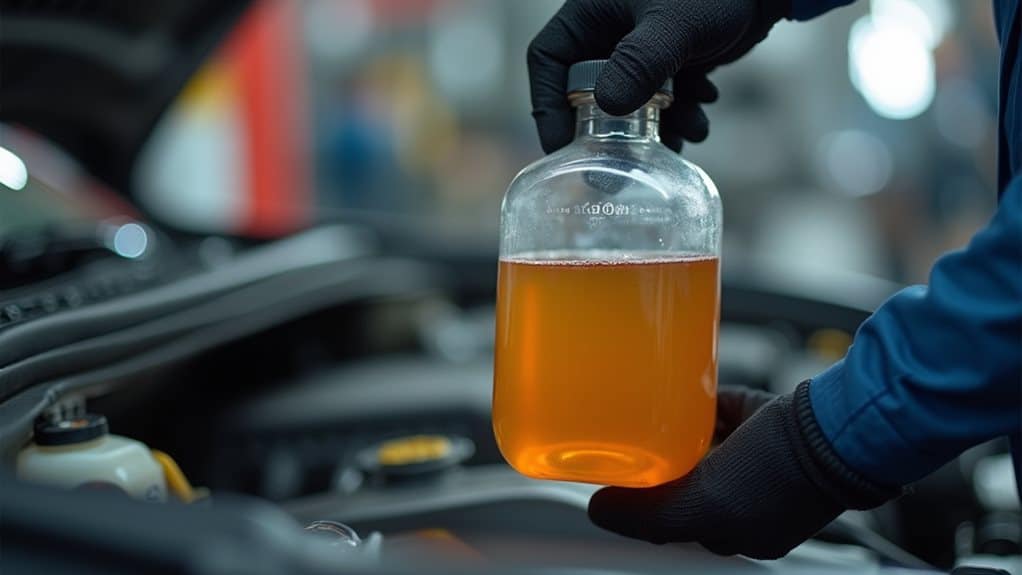
A brake fluid flush is a crucial maintenance procedure that helps protect your braking system from damage and guarantees peak performance.
By removing moisture and dirt, it prevents internal component damage, such as corrosion in seals, calipers, and ABS units.
Regular flushing maintains consistent brake response, extends system lifespan, and reduces costly repairs caused by degraded or contaminated brake fluid.
It also helps prevent reduced braking force caused by insufficient brake oil or contaminated fluid, which can compromise stopping power.
Wrapping up
Regularly flushing your brake fluid is essential to maintain ideal brake performance and safety. Follow your vehicle manufacturer’s recommended schedule, typically every 2 to 3 years, and watch for signs of contamination, such as spongy brakes or fluid discoloration. Whether you perform the flush yourself or hire a professional, ensuring this maintenance is up to date helps prevent brake failure and costly repairs. Staying proactive protects you and prolongs your braking system’s lifespan.