
You can tell your serpentine belt is about to break if it shows visible cracks, fraying edges, or a glazed, shiny surface that indicates slipping. Look for signs of uneven wear or misalignment on pulleys and tensioners, which can cause noise like squealing or chirping. Reduced system performance, overheating, or loss of power steering also suggest problems. Regular inspections and noting these signs now can help you avoid sudden breakdowns; further details will help you stay ahead of potential issues.
Quick Tips
- Look for cracks, fraying, or missing ribs on the belt surface during visual inspection.
- Listen for squealing or chirping noises from the belt area while the engine runs.
- Notice if systems like alternator or power steering are underperforming or failing.
- Check for belt slipping, glazing, or a shiny appearance indicating impending failure.
- Be alert to visible signs of wear, misalignment, or looseness that suggest imminent breakage.
How Can You Tell If Your Serpentine Belt Is Worn Out?
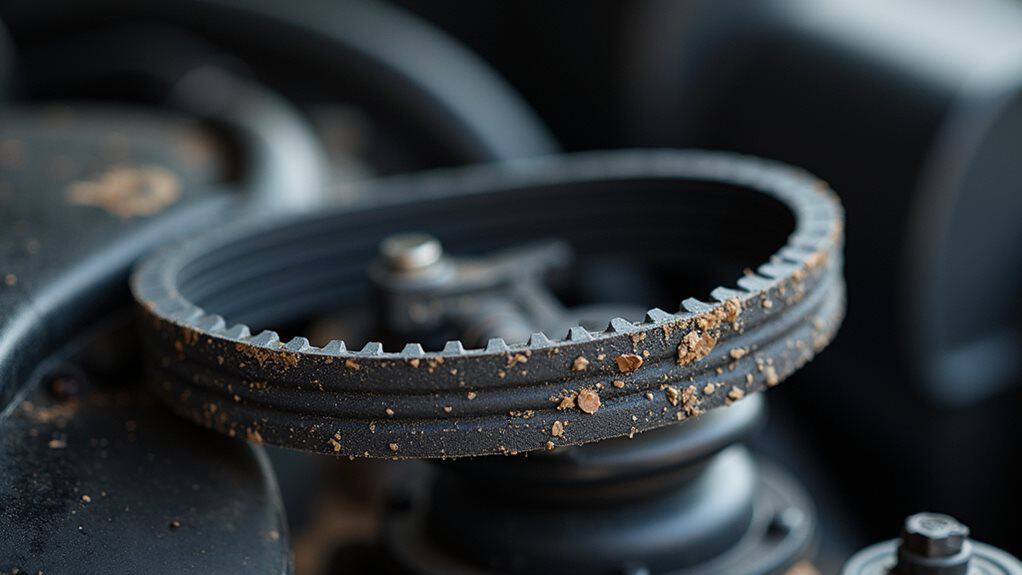
To determine if your serpentine belt is worn out, start with a visual inspection of the belt’s surface. Look for signs of serpentine belt wear, such as cracks, fraying, or missing ribs.
Check for slipping, which may cause a shiny or glazed appearance.
Also, examine the tensioner and pulleys for uneven wear or misalignment that could affect belt performance.
Additionally, inspect related components like the tensioner and pulleys for signs of corrosion, misalignment, or wear that can accelerate belt failure.
How Does a Failing Serpentine Belt Impact Your Car’s Performance?
When a serpentine belt begins to fail, it can have immediate and noticeable effects on your vehicle’s performance. Serpentine belt failure, such as belt slipping or cracks, reduces efficiency of critical systems like the alternator and power steering.
This causes engine overheating, loss of power steering, and decreased vehicle performance, often signaling the need for prompt inspection and replacement. Regular checks of components like the blower motor and related HVAC parts can help identify concurrent issues that affect overall vehicle operation.
What Are the Warning Signs That Your Belt Might Break Soon?
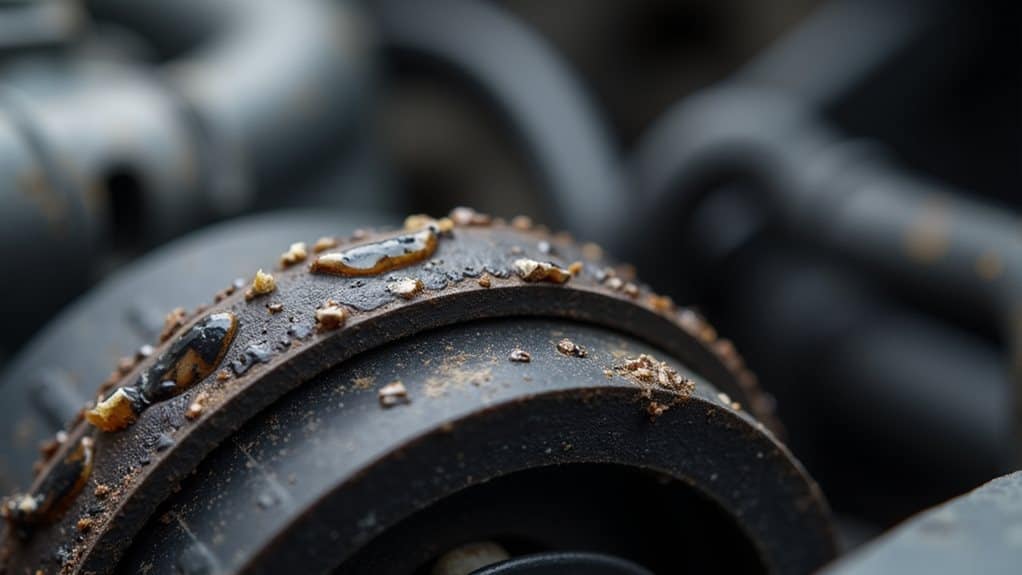
Identifying the warning signs that your serpentine belt might break soon is essential for preventing breakdowns and costly repairs.
Look for serpentine belt noise, such as squealing or chirping, which indicates a slipping belt or signs of wear.
If the belt shows signs of wear like cracks or fraying, or if warning signs you need appear, the belt needs to be replaced promptly to avoid failure.
A serpentine belt is a movable component that should be inspected regularly to ensure it continues to perform its function.
When Is the Best Time to Inspect or Replace Your Serpentine Belt?
Regularly inspecting your serpentine belt helps prevent unexpected breakdowns and costly repairs. You should inspect the belt every 12,000 miles or during routine maintenance, looking for signs of a bad belt such as cracks or fraying.
Replace the belt around 90,000 miles, even if it appears visually intact, to avoid failure.
Check tension and pulley alignment regularly if conditions are harsh.
Mixing different oil viscosities occasionally can be done in an emergency, but frequent mixing may reduce lubrication effectiveness and harm engine longevity, so avoid it when possible and consult your vehicle’s specifications for the recommended oil viscosity.
Why Ignoring Belt Issues Can Lead to Costly Repairs
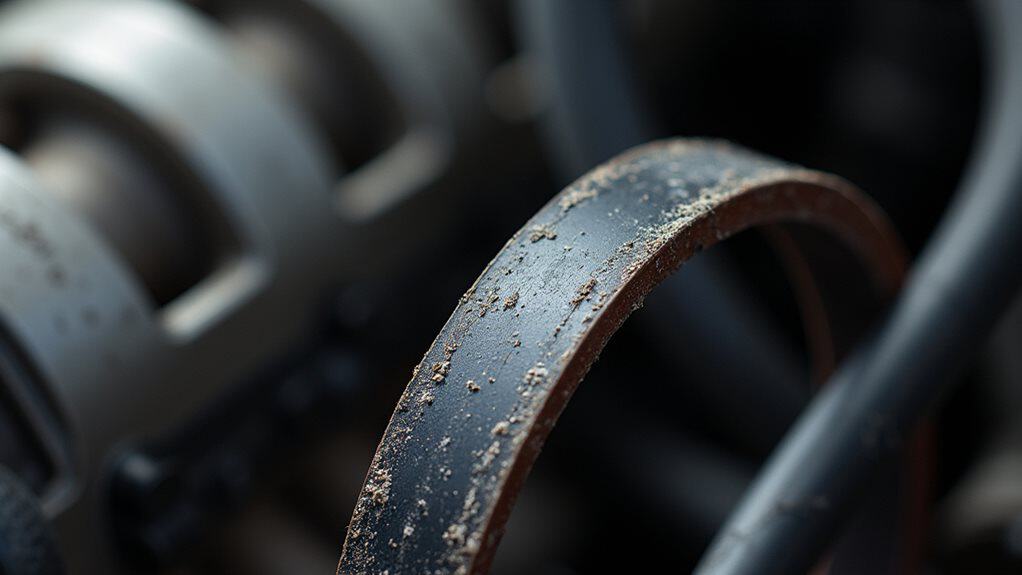
Ignoring signs of a failing serpentine belt can lead to sudden breakdowns that are costly to repair. Worn or damaged belts may slip or break unexpectedly, disabling critical systems like the alternator or water pump.
Failing to address these signs of a failing belt can result in engine overheating and expensive repairs, including radiator or engine damage.
Regular checks prevent costly repairs, saving money. A quick inspection can also reveal related issues like low coolant levels or a failing heater core that may contribute to overheating if ignored, so check coolant levels as part of routine maintenance.
How to Safely Check and Prepare for Serpentine Belt Replacement
Before replacing your serpentine belt, you should visually inspect it for cracks, fraying, or glazing, which can indicate deterioration.
Next, use a belt tension gauge or press down on the belt to verify it has the correct tension—neither too loose nor too tight—by referring to the vehicle’s manual.
Finally, note the belt’s routing with chalk or a marker and disconnect the battery, if necessary, to safely release tensioner components and prepare for removal.
Insulating the ceiling can also help protect garage-stored vehicles from extreme temperatures and reduce heat transfer to upper rooms, improving overall home comfort and energy efficiency; consider installing blown-in insulation for tight or finished ceiling spaces.
Visual Inspection Techniques
To safely inspect the serpentine belt, start by turning off the engine and allowing it to cool completely, as components can become extremely hot and cause injury.
Visually examine the belt for cracks, fraying, missing ribs, or a glazed surface, which signals excessive wear.
Check pulley alignment and look for worn or damaged pulleys that may cause misalignment or belt failure.
Proper Tension Adjustment
Ensuring the serpentine belt has the correct tension is essential for peak performance and longevity. Doing so safely requires careful attention to detail.
Use a belt tension gauge or follow manufacturer specifications to verify proper tension.
Check the automatic tensioner for smooth operation and proper spring compression.
Inspect the tensioner pulley for wear.
Recheck tension after installation to prevent belt slipping.
Safe Replacement Procedures
When preparing for a serpentine belt replacement, it’s crucial to gather tools and consult your vehicle’s manual for the correct belt routing.
Before replacing the belt, inspect the belt for signs of a failing belt, check its condition, and verify it matches specifications.
Double-check the tension and alignment after installation, and test accessories to confirm smooth operation.
Wrapping up
Regularly inspecting your serpentine belt is vital to prevent sudden failure. Look for signs like cracks, fraying, or glazing on the belt’s surface, and listen for unusual noises from the engine area. If you notice any warning signs or if the belt shows wear, replace it promptly to avoid engine overheating, loss of power, or damage to other components. Proper maintenance guarantees your vehicle’s reliability and helps avoid costly repairs caused by belt failure.