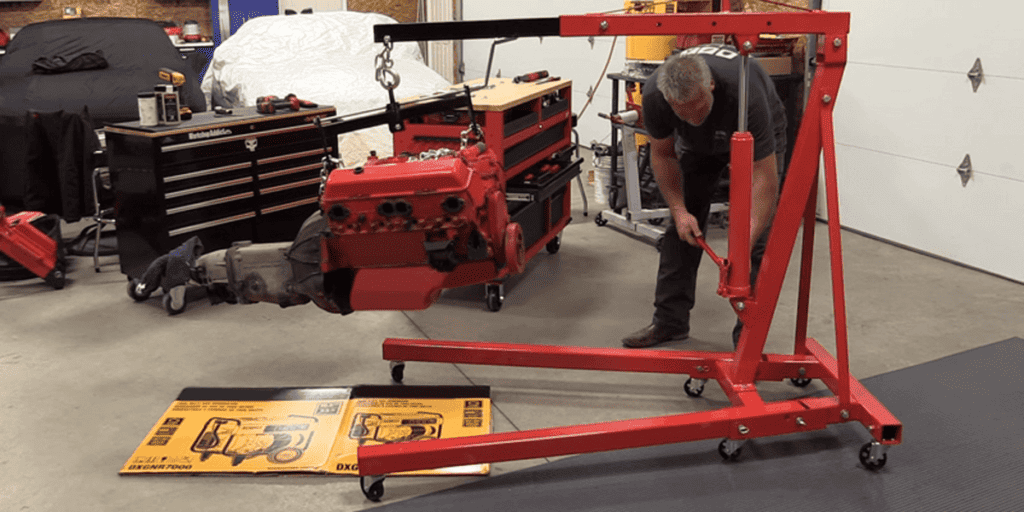
Replacing a timing belt typically costs between $367 and $585, but the actual price depends on your vehicle’s make, model, and engine complexity. Additional parts like the water pump or tensioner may be included, increasing costs. Labor expenses are often the largest factor, and more complicated engines or frequent maintenance can raise prices. Regular inspections help prevent costly failures. Continuing on will provide an all-encompassing understanding of what influences these costs and how to save money.
Timing belt replacement cost at a glance
The table below shows what each class of vehicle typically pays in the US in 2026, with parts and labour separated so you can see what the shop is charging for.
| Vehicle class | Parts (USD) | Labour (hours) | Total fitted (USD) |
|---|---|---|---|
| Compact or economy car | $120 to $250 | 3 to 4 | $450 to $750 |
| Mid-size sedan | $150 to $300 | 4 to 5 | $550 to $900 |
| SUV or light truck | $180 to $350 | 5 to 6 | $650 to $1,100 |
| Interference engine, with water pump | $250 to $500 | 6 to 8 | $900 to $1,600 |
Labour is priced at roughly $100 to $150 an hour, which is the usual independent-shop range in the US. These are indicative ranges for planning, not a quote: the same job on two vehicles of the same size can differ by several hundred dollars once engine layout, rust and parts availability are taken into account. Get two quotes before committing.
Quick Tips
- Replacement costs typically range from $367 to $585, depending on vehicle make and engine type.
- Additional parts like the water pump, tensioner, and pulleys may be replaced simultaneously, increasing costs.
- Labor expenses are the largest portion of the total cost, varying by shop and location.
- Regular inspections and timely replacement prevent costly engine damage from belt failure.
- Combining belt and component replacements saves money and reduces future repair risks.
What Is a Timing Belt and Why Is It Important?
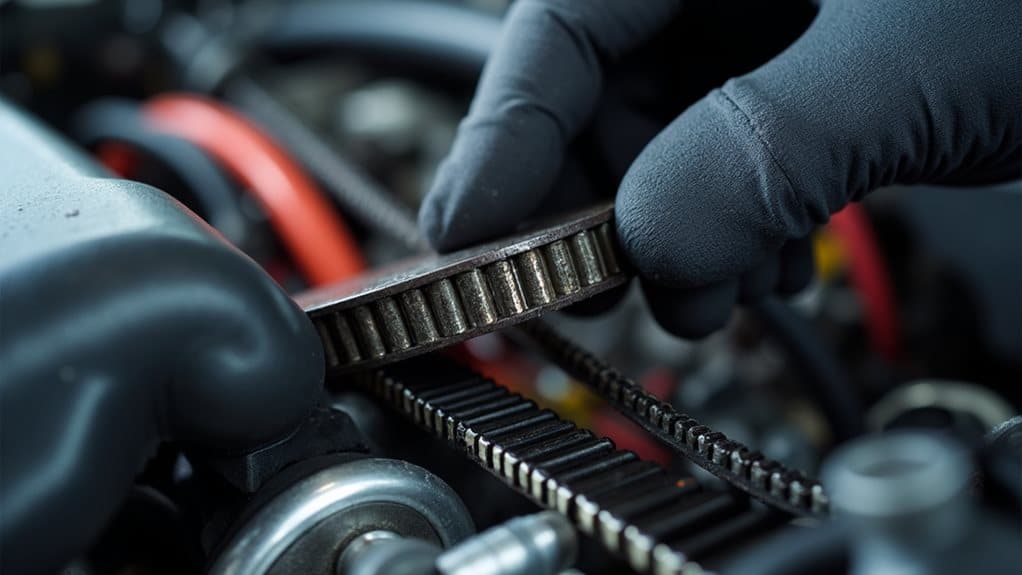
A timing belt is a crucial component within your vehicle’s engine, responsible for coordinating the movement of the camshaft and crankshaft. It maintains engine timing by ensuring valves open and close at the right moments.
If it fails, significant engine damage occurs, leading to costly repairs. Regular replacement, usually between 60,000 and 100,000 miles, prevents expensive engine damage and high replacement costs. Oil and coolant mixing can indicate related gasket failures and should be inspected promptly for coolant contamination.
How Do You Know When to Replace Your Timing Belt?
Knowing when to replace your timing belt involves paying close attention to both manufacturer recommendations and observable signs of failure.
The timing belt, critical for engine timing, shows signs like cracks, fraying, missing teeth, or leaks near the area.
Regular maintenance helps identify these issues early, potentially reducing the replacement cost and preventing more serious engine damage.
Regular inspection of related components like the blown blower motor can reveal airflow issues that indirectly signal broader maintenance needs.
How Much Does Timing Belt Replacement Cost? (Including Factors That Influence Price)
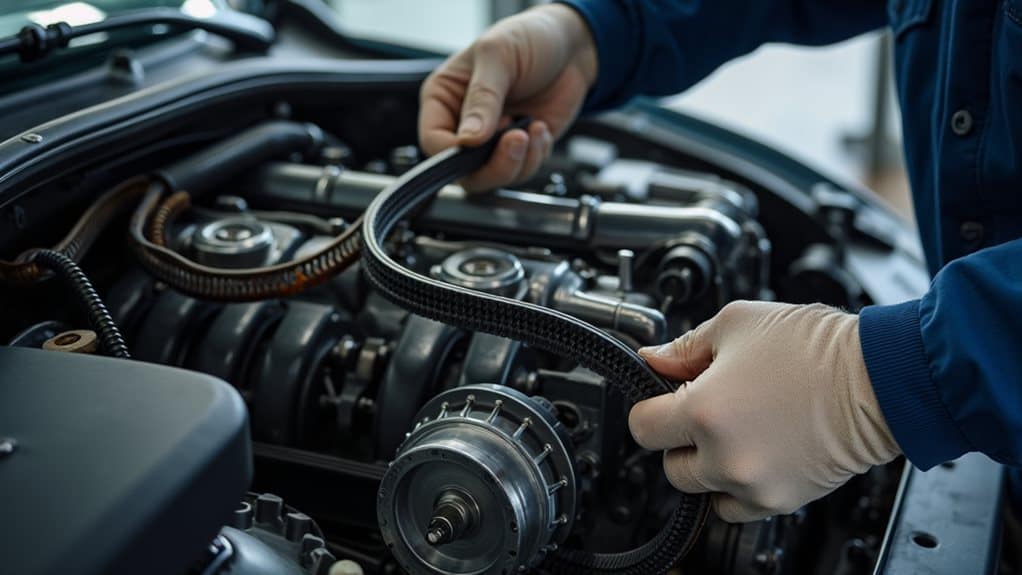
The cost to replace a timing belt can vary considerably depending on several factors, including the make and model of your vehicle, engine configuration, and whether additional parts like the water pump are replaced.
Typically, the replacement cost ranges from $367 to $585, with labor costs often accounting for the largest expense, especially in more complex or larger engines.
MIL illumination during emissions testing is treated as a failure when the ECU has Commanded ON the light, even if no stored codes are visible.
Should You Replace Your Timing Belt Now or Later?
Deciding whether to replace your timing belt now or later depends on several factors.
If your vehicle shows signs of wear like cracking or fraying, immediate replacement is essential to prevent engine damage, which can be costly.
Otherwise, following your manufacturer’s recommended mileage schedule and regularly inspecting the belt can help you assess whether waiting is safe.
However, delaying too long increases the risk of belt failure and extensive repairs.
Signs of Immediate Need
Recognizing the signs that indicate an immediate need for a timing belt replacement is essential to prevent severe engine damage.
Signs of immediate need include visible wear or signs of cracking, fraying, or missing teeth on the belt.
Noises like slapping or scraping, or engine stalls, suggest the timing belt may be loose or broken, requiring prompt replacement to avoid costly repairs.
Mileage and Maintenance Schedule
Mileage and maintenance schedules are essential factors in determining when to replace your vehicle’s timing belt, as most automakers recommend doing so within a specific mileage range—typically between 60,000 and 100,000 miles.
Check your owner’s manual for your vehicle’s recommended maintenance schedule and assess vehicle mileage regularly.
Visual inspections can also help identify early signs of belt wear before reaching these limits.
Potential Engine Damage Risks
A worn or broken timing belt poses a significant risk to your engine, especially if it fails while running.
In interference engines, belt failure can cause pistons and valves to collide, leading to extensive engine damage.
Regular inspections and timely replacements reduce this risk, preventing costly repairs and avoiding the catastrophic consequences of a broken belt during operation.
What Are the Benefits of Replacing the Timing Belt and Related Parts Together?
Replacing the timing belt along with related parts such as the water pump, tensioner, and pulleys offers several important advantages. It reduces the overall replacement cost by completing multiple jobs at once.
It also minimizes future engine damage risks. Properly aligning these components improves engine performance, prevents costly repairs, and guarantees the water pump and timing belt function correctly.
This comprehensive approach extends engine lifespan. Hub-centric spacers ensure even weight distribution across the hub assembly, reducing stress on wheel bearings and improving high-speed stability even weight distribution.
How Can You Save Money on Timing Belt Replacement Without Sacrificing Quality?
One effective way to save money on timing belt replacement is by carefully planning your service and exploring multiple options from reputable repair shops.
By comparing quotes, you can find competitive prices for the replacement cost.
Combining timing belt replacement with related parts like the water pump reduces labor costs.
Regular preventative maintenance extends belt lifespan and prevents costly repairs.
Short water pumps can save valuable engine-bay space when fitting replacement components by reducing front-end protrusion and improving clearance for accessories like the radiator and alternator, so consider the short pump option if your vehicle has tight clearance.
Wrapping up
Replacing your timing belt involves understanding its role, recognizing signs of wear, and considering costs and timing. Generally, belt replacement costs range from $300 to $800, influenced by vehicle make, model, and labor rates. It’s advisable to replace the belt before it fails to prevent engine damage, especially if it’s nearing the manufacturer’s recommended interval. Replacing related components together can save money and guarantee engine reliability. Staying informed allows you to maintain your vehicle effectively and prevent costly repairs.