Professional mechanics typically complete a torque converter replacement in 4–5 hours for standard vehicles, though complex designs or difficult transmission access can extend the job to 8–10 hours. If you’re tackling this yourself, expect to invest 4–10 hours depending on your experience level and vehicle configuration. The location between your engine and transmission requires careful disassembly, complete fluid exchange, and post-installation testing to verify proper operation. Understanding the factors that influence replacement duration will help you plan accordingly.
Quick Tips
- Professional technicians typically complete torque converter replacement in 4–5 hours for standard vehicles, though complex jobs may extend to 8–10 hours.
- DIY replacement generally requires 4–10 hours depending on experience level, with novices often needing over 10 hours for completion.
- Vehicle complexity, transmission access difficulty, and technician skill level significantly influence total replacement time required.
- Additional 1–2 hours needed for mandatory transmission fluid flush and replacement, as old converter contains 2–4 quarts contaminated fluid.
- Front-wheel-drive vehicles typically require more labor time than rear-wheel-drive configurations due to transverse engine layout complications.
Standard Timeframe for Professional Torque Converter Replacement

When you’re facing a torque converter replacement, understanding the time commitment helps you plan accordingly and set realistic expectations with your repair shop.
Professional technicians typically complete the job in 4 to 5 hours for most vehicles. However, the timeframe can extend from 5 to 10 hours depending on your vehicle’s complexity, transmission type, and drivetrain configuration, with trucks and luxury cars requiring additional labor. Regular inspections and maintenance can help avoid more extensive repairs down the line preventive maintenance.
The extended timeframe accounts for the torque converter’s location between engine and transmission, which requires careful disassembly to access the component properly.
Factors That Extend Replacement Duration Beyond Average Hours
Although most torque converter replacements fall within the 4-to-5-hour range, several complicating factors can push the job well beyond this standard timeframe.
Contaminated transmission fluid requiring flushing adds $125-$250 and extra labor. Fluid circulation time can affect how long you need to idle the vehicle during service. Difficult transmission access, internal component damage assessment, defective solenoid diagnosis, and external leak identification can extend replacement duration to 20 hours depending on your vehicle’s design and condition. Overheating from towing or extreme temperatures can damage seals and internal parts, requiring additional inspection time during replacement.
Labor Hour Allocations at Professional Automotive Shops

When you take your vehicle to a professional shop for torque converter replacement, you’ll find that labor hour estimates typically range from 4 to 10 hours depending on your specific situation.
Most shops will quote you somewhere between 4 and 8 hours for standard vehicles, though this timeframe can extend substantially if you’re driving a newer model with complex electronic systems or a truck that requires additional disassembly.
The technician’s skill level plays a vital role in determining the actual time needed, as an experienced transmission specialist can often complete the job more efficiently than a general mechanic who handles various repair types.
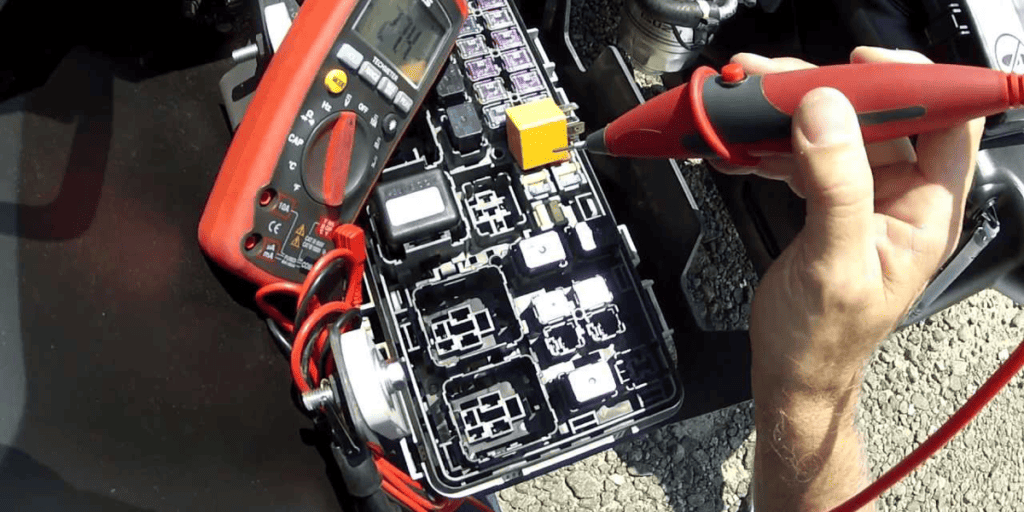
Be sure to check the vehicle’s battery voltage before service, as electrical issues can complicate the replacement process.
Standard Job Time Estimates
At most professional automotive shops, replacing a torque converter typically requires between 4 and 10 hours of labor, though the exact time depends heavily on your vehicle’s make, model, and design.
Most standard jobs finish in 4 to 5 hours, while complex cases involving difficult transmission removal can extend to 8 hours or more.
Industry labor guides generally allocate 5 to 8 hours for billing purposes.
Technician Expertise Impact Factors
Since every technician brings different levels of experience and skill to the shop floor, the time required to replace a torque converter can vary dramatically—even when working on identical vehicles.
Highly experienced technicians often complete the job in just four hours, while less experienced mechanics may need up to ten hours.
This difference stems from familiarity with specific transmission types, advanced diagnostic abilities, and repetitive exposure to similar repairs that help avoid common complications.
DIY Replacement Time Investment and Considerations
Replacing a torque converter yourself requires a substantial time commitment that varies considerably based on your mechanical experience and your vehicle’s design complexity.
Expect to invest 4 to 10 hours for the complete job. You’ll need specialized equipment like a transmission jack, various hand tools, torque wrenches, and transmission fluid.
Novices typically require additional time for unfamiliar procedures, including transmission removal, converter alignment, and post-installation calibration.
Proper safety gear and knowledge of engine hoist levelers are important when handling heavy components during the job.
Transmission Accessibility Impact on Replacement Duration

Your time investment doesn’t just depend on your skill level—the physical design of your vehicle plays an equally significant role in determining how long you’ll spend on this job.
Front-wheel-drive vehicles with transverse engine layouts typically require more labor than rear-wheel-drive configurations. Cramped engine compartments force you to remove auxiliary components like alternators, power steering pumps, and exhaust systems before accessing the transmission, potentially doubling your work duration.
Fluid Service Requirements During Converter Installation
When you replace a torque converter, you’ll need to perform a complete fluid exchange because the old converter contains 2-4 quarts of contaminated transmission fluid that won’t drain through standard procedures.
This mandatory flush process adds significant time to the repair—typically 1-2 additional hours—since you must disconnect the cooler lines, pump fresh fluid through the system until it runs clean, and then remove the pan for filter replacement.
You’re also responsible for properly disposing of 8-12 quarts of used transmission fluid according to environmental regulations, which requires appropriate containers and either recycling or hazardous waste procedures.
Mandatory Fluid Flush Process
Often, the decision to perform a complete fluid flush during torque converter replacement depends on the condition of your transmission fluid and the circumstances that led to the converter’s failure.
If the old fluid appears burnt, contains metal particles, or shows visible contamination, a full flush becomes necessary. This process removes contaminated fluid from the converter, cooler lines, and entire system, preventing damage to new components.
Additional Time Requirements
Beyond the mechanical steps of removing and installing a torque converter, proper fluid service adds significant time to the replacement process and directly affects the longevity of your new component.
You’ll need to pre-fill the converter with one-half to one quart of ATF, flush the cooler circuit, add four to five quarts initially, then cycle through gears and recheck levels multiple times during startup.
Fluid Disposal Procedures
Replacing a torque converter typically generates three gallons of used transmission fluid that you’ll need to handle responsibly.
Collect the old fluid in a drain pan, then transfer it to a clean, leak-proof container with a tight-sealing lid.
You can’t mix it with other fluids, as collection facilities reject contaminated batches.
Transport the sealed container to local auto parts stores or waste management facilities that accept automotive fluids.
Post-Installation Testing and Validation Procedures
After successfully installing a new torque converter, you must conduct thorough testing to verify proper operation and identify potential issues before they cause damage or safety concerns.
Begin with a visual inspection for leaks and proper bolt tightness, then warm the engine to operating temperature.
Perform a stall-speed test, assess gear engagement quality, and complete a road test while monitoring for vibrations, unusual noises, or shifting irregularities.
Cost Versus Time Analysis for Different Replacement Approaches

When you’re deciding between professional and DIY torque converter replacement, understanding the cost-time tradeoff becomes essential for making an informed choice.
Professional replacement costs $600-$1,000 with 4-10 hours of labor, while DIY approaches run $150-$600 but require longer completion times—often exceeding 10 hours.
Your vehicle’s complexity, torque converter model, and mechanical skill level materially influence both total expense and time investment required.
Wrapping Up
You’ll spend between 4-10 hours replacing your torque converter, depending on your vehicle’s design and your experience level. Professional shops typically complete the job faster due to specialized equipment and transmission knowledge, while DIY attempts require additional time for learning and troubleshooting. Remember that transmission removal, fluid replacement, and post-installation testing aren’t optional steps—they’re essential for ensuring your converter operates correctly and your transmission remains reliable long-term.