
P0008 on a 2009 Chevy Traverse means the camshaft and crankshaft are out of sync by more than six degrees for over four seconds, usually because the timing chain, tensioner, or VVT (variable valve timing) system is faulty. You’ll notice rough idle, reduced power, poor fuel economy, and the check‑engine light flashing. The problem often stems from low or dirty oil, a stretched chain, a bad tensioner, or worn camshaft/crankshaft sensors. Inspect oil level and quality, then check the VVT actuator, chain tensioner, guides, and reluctor rings. If you keep exploring, you’ll discover the exact diagnostic steps and repair options.
Quick Tips
- P0008 on a Chevy Traverse signals camshaft‑crankshaft timing misalignment exceeding six degrees for over four seconds.
- Common symptoms include rough idle, reduced power, poor fuel economy, and loss of acceleration, often accompanied by a check‑engine light.
- Typical causes are low/dirty oil, worn or stretched timing chain, faulty VVT solenoid, and defective crankshaft or camshaft position sensors.
- Diagnosis starts with checking oil level and quality, inspecting VVT components, and examining the timing chain, tensioner, guides, and sensor reluctor rings for wear or slack.
- Repair usually requires a full timing‑chain kit replacement by a professional, costing roughly $2,800‑$3,650 with 14 labor hours, followed by oil verification and post‑repair scanning.
What P0008 Means for a 2009 Chevy Traverse
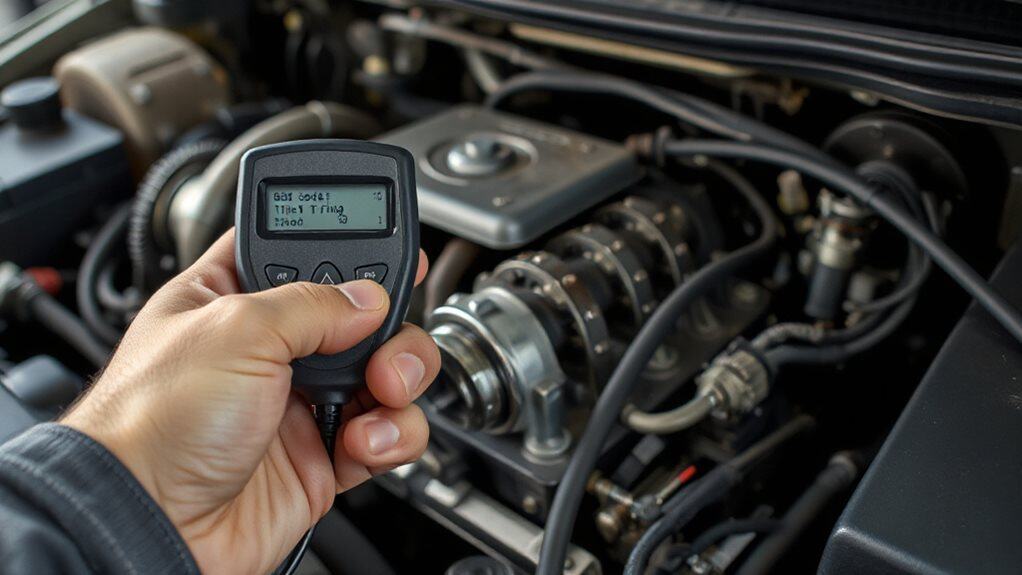
What does P0008 actually tell you about a 2009 Chevy Traverse? It signals that the camshaft and crankshaft on bank one are misaligned by more than six degrees for over four seconds, indicating a timing malfunction. You’ll likely see the check‑engine light, rough idle, poor fuel economy, and reduced power. Common causes include low or dirty oil, worn timing chain, faulty VVT solenoid, or bad position sensors. Prompt professional diagnosis is essential. This code indicates bank one misalignment and is a serious timing issue.
How the Timing Chain, Tensioners, and Guides Work Together
You’ll see the timing chain keep the crankshaft and camshafts rotating in perfect sync, while the tensioners constantly adjust pressure to stop any slack.
The guides act like tracks, directing the chain’s path and keeping it aligned with the sprockets.
Together, these components ensure the valves open and close at exactly the right moments, which is essential for engine performance.
Transmission fluid breakdown from excessive heat can cause shifting problems once fluid reaches higher operating temperatures, so monitor transmission fluid to prevent heat-related damage.
Chain Chain Synchronization
A typical Chevy Traverse uses a three‑stage chain system that keeps the crankshaft, idlers, and camshafts perfectly timed. The primary chain links the crankshaft to idler sprockets, then idlers redirect motion to two upper chains that drive each camshaft. You’ll see 96 silent‑type links below and 114‑link chains above, all guided by rails to maintain alignment and timing throughout the V6.
Tensioner and Guide Interaction
How do the tensioner and guides cooperate to keep the timing chain in perfect sync? The hydraulic tensioner pushes a plunger against the chain, while ratchet teeth lock it in place. Upper and lower guides channel the chain into the tensioner’s contact path, preventing lateral movement. Oil lubricates both parts, ensuring smooth operation and maintaining 0.5‑1 mm deflection, which avoids the P0008 error.
Common Symptoms of a P0008 Failure
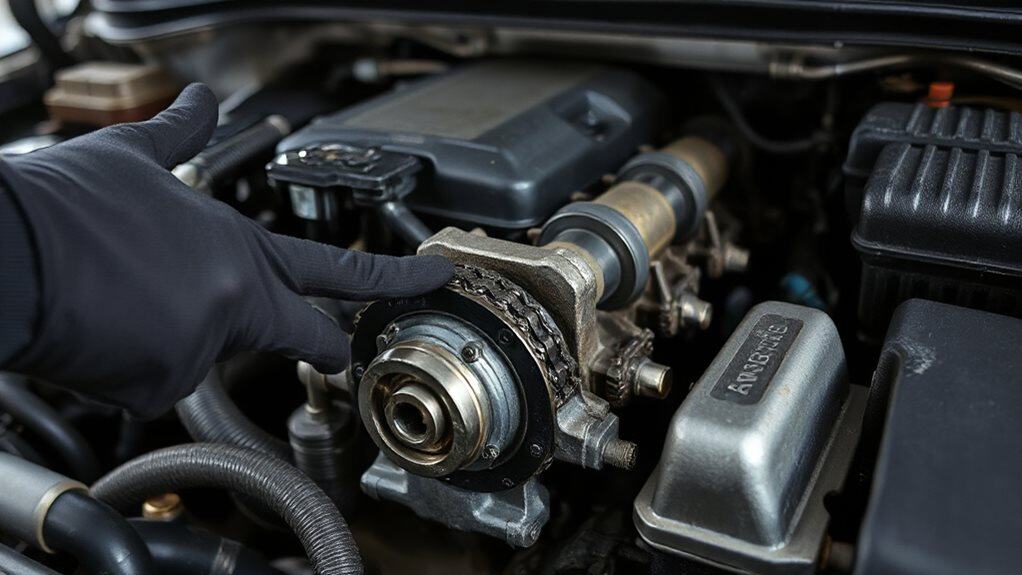
When the P0008 code appears, the check‑engine light will flash, signaling a timing‑chain discrepancy on Bank 1.
You’ll likely notice a rough idle and a loss of power as the engine struggles to maintain proper combustion timing.
These symptoms often coincide with reduced acceleration and can be a early warning that the tensioners or guides need inspection.
Check multiple identification points when diagnosing to avoid misidentification of parts like transmissions and related components, especially regarding World Class vs Non‑World Class differences.
Engine Light Illuminates
Do you notice the check‑engine light flashing on your Chevy Traverse? The ECM triggers it when the crankshaft and camshaft positions misalign, a hallmark of a P0008 code. Timing‑chain wear or stretch causes this misalignment, so the light stays on, often alongside misfire codes. The illumination signals that the engine’s timing system isn’t syncing correctly, requiring inspection.
Rough Idle & Power Loss
Ever notice the engine shaking just as you press the brake and the power drops when you try to accelerate? You’ll feel a rough, unstable idle, hear rattling or clattering, especially when warm, and notice sluggish acceleration.
The timing chain may be stretched, causing mis‑aligned injection timing and reduced torque.
Fuel consumption rises, misfire codes can appear, and starting may become harder, especially on cold starts.
Step‑by‑Step Diagnosis: Oil Check to Reluctor Inspection
Where should you start when tackling a P0008 code on a Chevy Traverse? First, pull the dipstick, verify oil level, and note color; low or dirty oil can cripple the VVT solenoid. Next, inspect the VVT actuator and oil control valve for rough idle or poor acceleration. Then, examine the timing chain, tensioner, and guides for stretch or slack, listening for rattles. Finally, check the crankshaft and camshaft reluctor rings for proper positioning.
DIY or Professional Repair? Deciding Who Should Replace the Chain, Guides, and Tensioners?
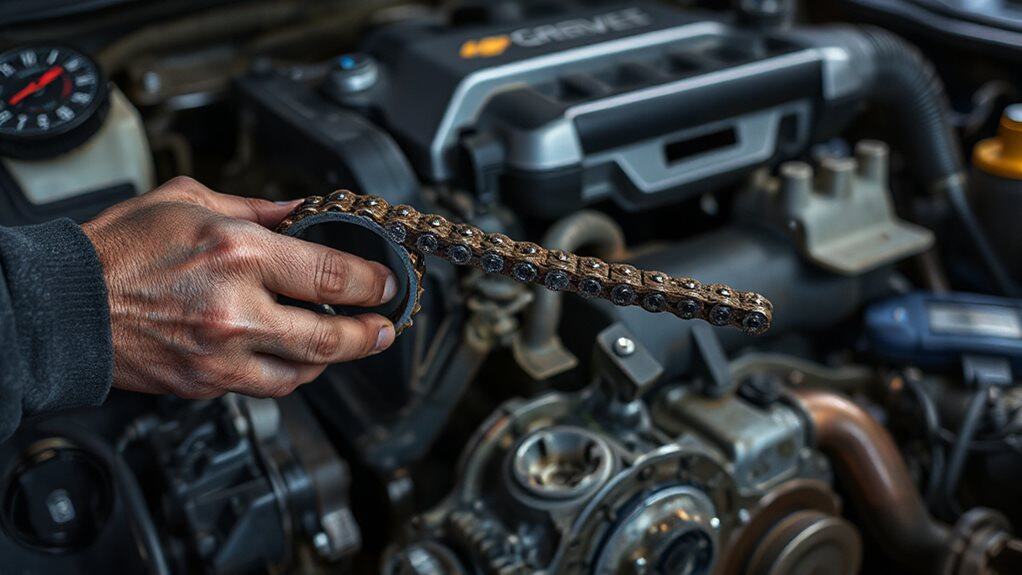
After checking oil level and VVT components, the next decision point is whether you’ll tackle the timing chain, guides, and tensioners yourself or hand the job to a professional.
DIY means removing the firewall‑side cover, dropping the engine, and handling pin‑type tensioners—tasks that are very hard and risk misalignment.
A pro can scope crankshaft shift, verify bank 1 idler sprocket, and ensure full kit replacement, reducing repeat failures.
Regular inspections of related systems like the power steering and suspension can reveal one-sided stiffness that signals broader mechanical issues.
P0008 Repair Cost & GM Warranty Coverage for a 2009 Traverse
How much will a P0008 repair cost you, and does GM’s warranty cover it on a 2009 Chevrolet Traverse? Expect $2,800‑$3,650 total, including $2,500 labor and $500‑$600 parts. Labor runs $100‑$150 per hour for roughly 14 hours; diagnosis adds $100‑$200.
Standard bumper‑to‑bumper warranty (3 years/36 k mi) won’t cover timing‑chain work, but an extended plan may, if you qualify.
P0008 Post‑Repair Maintenance Tips
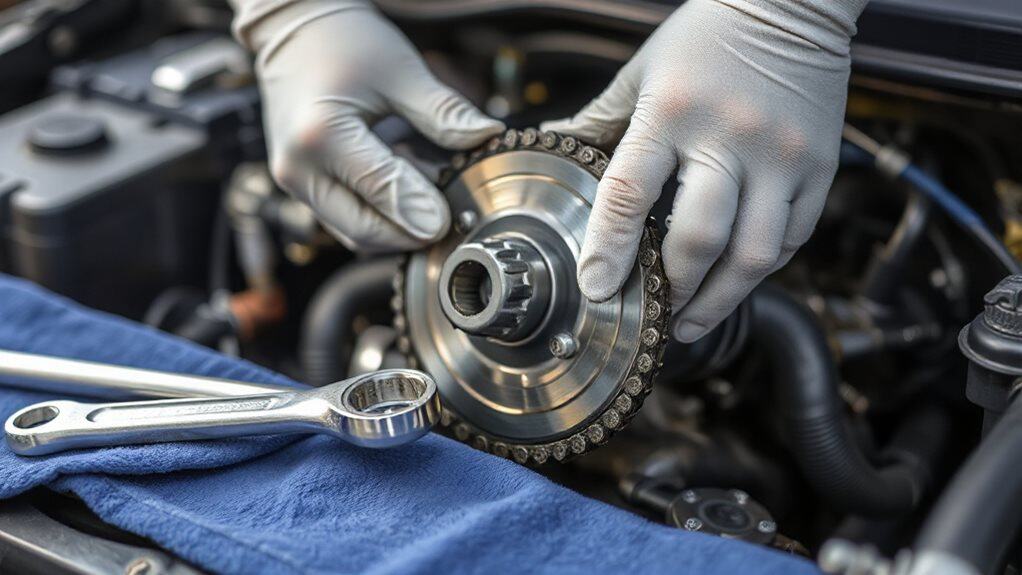
If you’ve just had the timing‑chain components replaced on your 2009 Chevrolet Traverse, the first thing you should do is verify the oil level and quality before you even start the engine. Then check the oil type, change it if wrong, inspect the chain, tensioner, and idler sprocket for wear, test crankshaft and camshaft sensors, clear codes, run a drive cycle, and schedule a follow‑up scan within 100 miles.
Wrapping Up
By fixing the P0008 code you restore proper timing‑chain function, preventing engine damage and maintaining performance. Check oil levels, inspect the tensioners, guides, and chain for wear, then replace any faulty components according to GM specifications. Follow the recommended torque settings and re‑set the timing after repair. Regular oil changes and periodic visual inspections will help catch future issues early, keeping your 2009 Chevy Traverse running smoothly.


