A transmission flush generally takes between one and two hours, depending on your vehicle’s make, model, and condition. The process involves connecting specialized equipment to remove old, contaminated fluid and replace it with fresh fluid, which can be more complex on older or high-mileage systems. Additional steps, like changing filters or cleaning cooler lines, may extend the time. If you want a detailed understanding of each step and factors affecting duration, consider exploring further.
Quick Tips
- A transmission flush typically takes 1 to 2 hours to complete.
- The duration varies based on vehicle make, model, and transmission complexity.
- Additional tasks like filter replacement can extend the service time.
- Older or more complex transmissions may require longer flush procedures.
- Proper preparation and additional services influence the total time needed.
What Is a Transmission Flush and Why Is It Important?
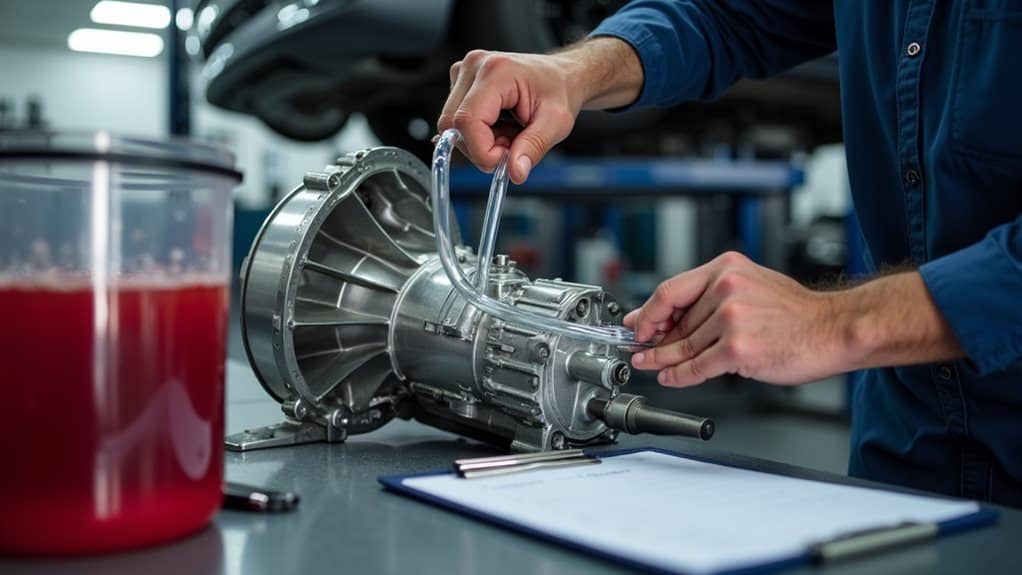
A transmission flush is a maintenance procedure that involves removing all the old transmission fluid from your vehicle’s transmission system and replacing it with fresh fluid, using specialized equipment designed for this purpose.
It thoroughly cleans dirt, debris, and metal shavings, which can cause rough shifting or damage.
Regularly performing a transmission flush helps guarantee proper lubrication, cooling, and hydraulic pressure.
A thorough flush can also help prevent related issues like contaminated fluid that may lead to premature component wear and costly repairs.
How Long Does a Transmission Flush Usually Take?
Typically, a transmission flush takes between one and two hours to complete, but several factors can influence this timeframe.
The flush time depends on your vehicle’s make, model, and the condition of the transmission.
Complex or older systems may extend the service duration, especially if additional tasks like filter replacement or cooler line cleaning are required.
Regular maintenance, such as replacing a clogged cabin air filter, can prevent related HVAC issues that might otherwise require additional service time.
What Are the Main Steps in a Transmission Flush?
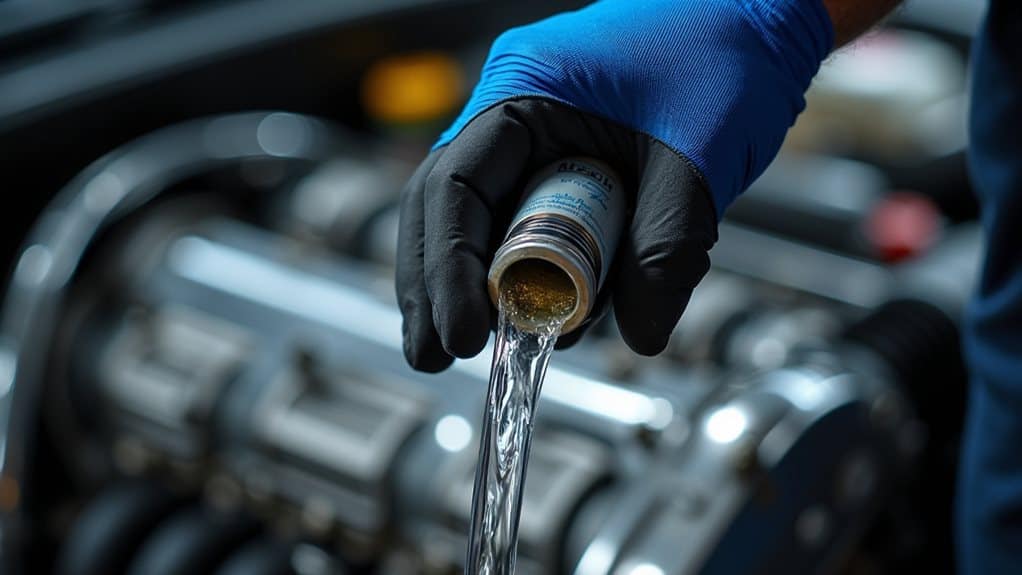
The main steps in a transmission flush involve a systematic process that guarantees the removal of old, contaminated fluid and the replacement with clean fluid to maintain ideal transmission performance.
You start by inspecting the transmission fluid’s color and smell.
Then, a flush machine connects to your vehicle to safely remove old fluid and pump in fresh transmission fluid, completing a thorough fluid change.
Allow the engine to warm up properly before the flush to ensure proper fluid level and accurate fluid condition checks.
What Factors Can Affect How Long It Takes?
Several factors can influence the duration of a transmission flush, making it vary considerably from one vehicle to another.
The complexity of your transmission system, vehicle age, and whether additional services like filter replacement or cooler line cleaning are needed all affect timing.
Older vehicles with more debris or leaks may require extra steps, extending the process further.
One critical mistake during brake line double flaring can cause catastrophic failure, so be aware of proper flaring techniques and prevent brake line failure by ensuring correct tools and procedures.
Should You Wait or Drop Off Your Car During Service?
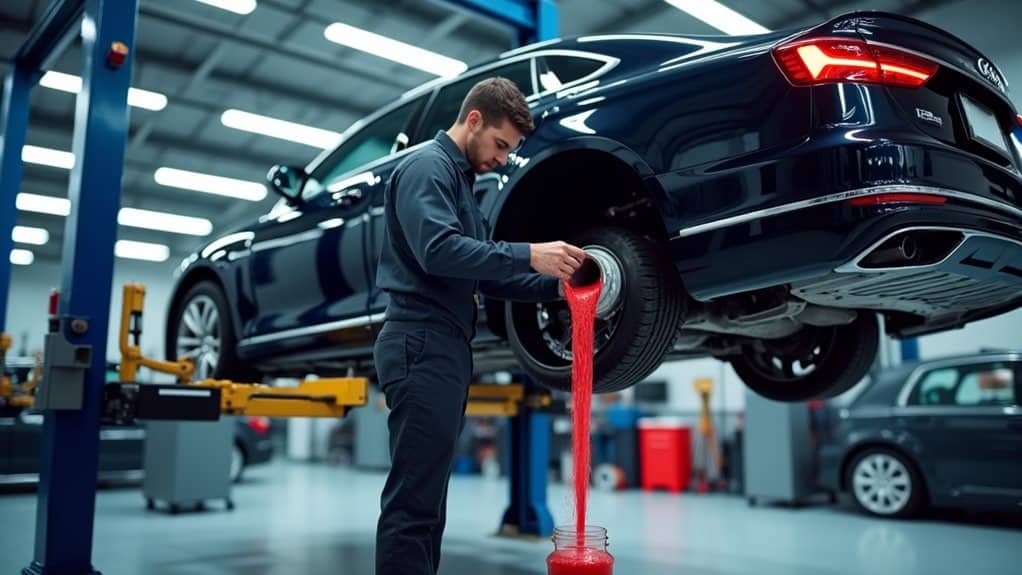
Deciding whether to wait for your vehicle or drop it off during a transmission flush depends on your schedule and the shop’s turnaround time.
If you wait, expect 1-2 hours; amenities can make this more comfortable.
Dropping off allows you to continue your day, especially if quick turnaround is promised.
Confirm the shop’s timing to choose the best option.
Always take basic precautions such as keeping a well-ventilated workspace and avoiding ignition sources while the vehicle is serviced.
How Often Should You Get a Transmission Flush?
How often you should get a transmission flush depends on factors like your vehicle’s make and model, driving conditions, and manufacturer advice.
Typically, a flush is recommended every 30,000 to 60,000 miles for proper transmission fluid maintenance.
Hot climates, city driving, or towing may require more frequent flushes.
Regular inspections help determine the ideal interval for your vehicle’s needs.
Consider checking the vehicle’s interlock and steering-column issues if you experience ignition problems with a stuck key steering-wheel lock.
Is a Transmission Flush Worth the Time and Cost?
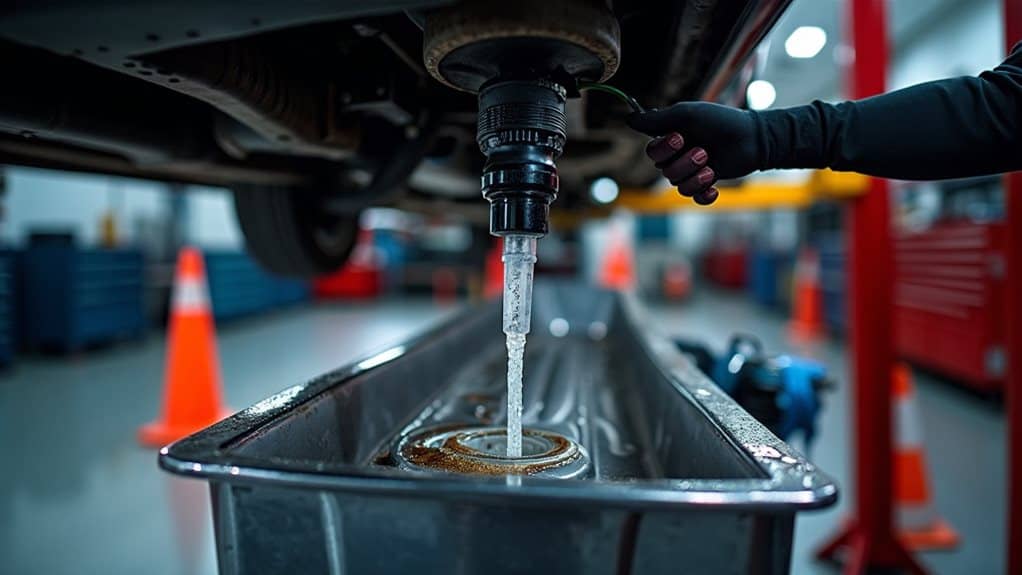
A transmission flush can considerably extend the lifespan of your vehicle’s transmission by removing dirt, metal shavings, and debris that cause wear and rough shifting.
Although it costs more than a simple fluid change, the thorough cleaning helps prevent costly repairs later on.
Considering the relatively short time required—about 1 to 2 hours—it can be a worthwhile investment for maintaining peak transmission performance.
Extends Transmission Lifespan
Performing a transmission flush can considerably extend the lifespan of your vehicle’s transmission by effectively removing dirt, debris, and degraded old transmission fluid that cause wear and tear.
The flush duration typically takes about 30 minutes.
Regularly rejuvenating the transmission fluid helps prevent overheating, metal shavings, and early failure, ultimately preserving your transmission’s durability and functionality over time.
Prevents Costly Repairs
Regularly performing a transmission flush is a proactive way to prevent costly repairs by maintaining the health of your vehicle’s transmission system.
A transmission flush removes dirt, debris, and metal shavings that can cause rough shifting and overheating.
Proper maintenance every 30,000 to 60,000 miles can help you avoid expensive rebuilds or replacements, making the investment worthwhile.
Ensures Smooth Shifting
Maintaining smooth shifting is a key benefit of performing a transmission flush, as it helps remove contaminants and degraded fluid that can impede the transmission’s operation.
A transmission flush replaces old transmission fluid with clean fluid, reducing debris and metal shavings that cause rough shifts and noises.
Regular flushing supports smooth shifting and extends transmission lifespan, preventing costly repairs.
Wrapping up
A transmission flush typically takes between 30 minutes to an hour, depending on your vehicle’s make and model. The process involves draining old fluid, cleaning internal components, and refilling with fresh fluid, which is essential for peak transmission performance. Complexity, vehicle type, and service provider can influence duration. It’s advisable to stay or wait during the service unless otherwise instructed. Regular flushes, usually every 30,000 to 60,000 miles, help prevent costly repairs and extend your transmission’s lifespan.