Low transmission fluid causes shifting problems because the fluid supplies the hydraulic pressure needed to smoothly engage and change gears. When the level drops, shifts become rough, delayed, or may slip, increasing wear on internal components. Over time, this can lead to a failing transmission if not addressed. Proper maintenance, including regular fluid checks, can prevent these issues. Keep an eye on signs of low fluid to avoid costly repairs—more details await if you continue exploring.
Quick Tips
- Low transmission fluid reduces hydraulic pressure, leading to rough or delayed gear shifts.
- Insufficient fluid impairs lubrication, causing gears to slip or shift improperly.
- Decreased fluid levels can result in noisy transmission operation, such as whining or clunking.
- Low fluid increases overheating risk, which accelerates wear and worsens shifting issues.
- Maintaining proper fluid levels is essential to ensure smooth and reliable gear changes.
How Transmission Fluid Affects Your Gear Shifting

Transmission fluid plays an essential role in the shifting process by acting as both a lubricant and a hydraulic medium within your vehicle’s transmission system.
When the fluid level is low, hydraulic pressure decreases, causing gear shifting to become rough, delayed, or harsh.
Maintaining proper transmission fluid guarantees smooth gear engagement and prevents future transmission repair due to insufficient lubrication or overheating.
Low fluid levels can also lead to overheating which accelerates wear and can cause persistent shifting problems.
Signs Your Transmission May Be Low on Fluid
If your vehicle begins to shift gears unexpectedly or with difficulty, it could be a sign that the transmission fluid level is low.
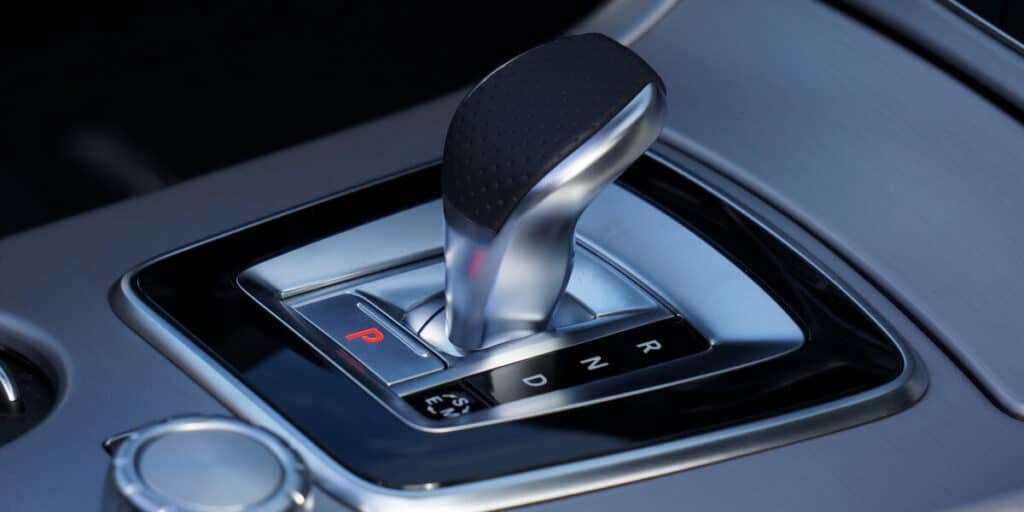
Signs your transmission may be low on fluid include harsh or delayed gear shifts, unusual noises like whining or clunking, slipping gears, or trouble moving from park to drive.
These issues indicate a fluid level that needs checking.
Proper maintenance checks, including monitoring for unusual noises, can help prevent catastrophic failures.
Why Hot Climates Make Transmission Fluid Issues Worse
Have you ever wondered why transmission problems seem to worsen during hot weather? In hot climates, transmission fluid degrades faster due to heightened temperatures, reducing its lubrication and cooling ability.
Low fluid levels increase the risk of overheating and slipping. Proper maintenance, including checking fluid levels regularly, is essential to maintain transmission performance and prevent damage in extreme heat. Engines can suffer severe damage if cooling issues cause prolonged overheating and are not addressed promptly.
How to Check and Refill Transmission Fluid Properly
Checking and refilling transmission fluid correctly is vital for maintaining your vehicle’s shifting performance and preventing costly damage.
To check, park on a level surface, start the engine, and guarantee it reaches operating temperature.
Pull out the dipstick, wipe it clean, reinsert, then remove to read the fluid level.
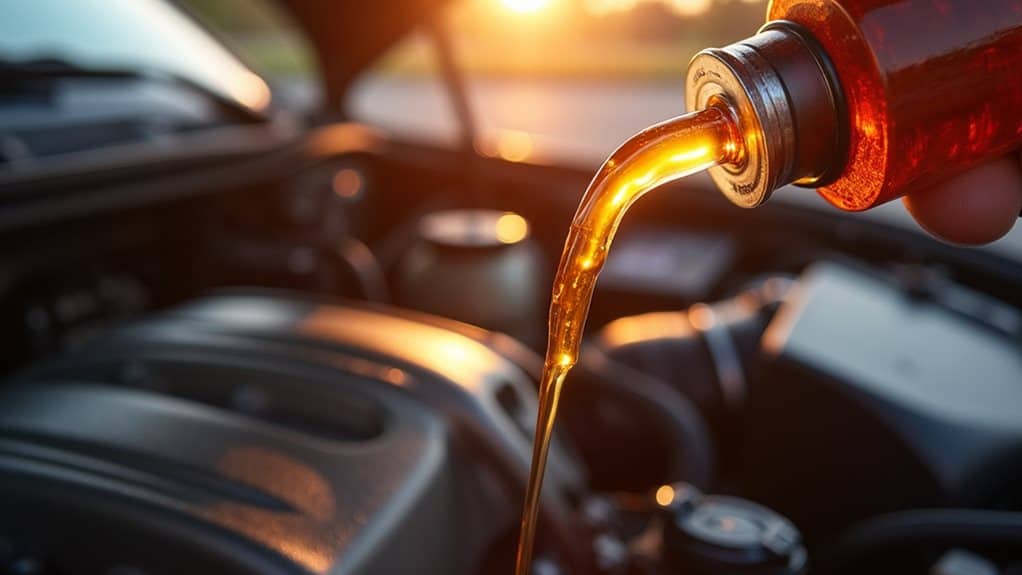
Refill slowly with the recommended fluid until level is correct.
Regular maintenance also means inspecting related driveline components, such as the transmission fluid level, and keeping fluids clean to help avoid issues like sluggish or erratic shifting.
When to See a Mechanic for Transmission Shifting Problems

Knowing when to seek professional help for transmission shifting problems can prevent further damage and costly repairs.
Signs you need a transmission fluid change include delayed shifts, slipping gears, or grinding noises.
If fluid is low, or if shifting problems persist despite fluid top-offs, see a mechanic promptly for inspection and transmission maintenance.
Immediate repair may be necessary to prevent extensive damage.
Double-check related steering and suspension torque settings, such as adjuster pinch-bolt torque, to ensure vehicle safety and proper handling.
Wrapping up
Ensuring your transmission fluid is at the correct level and in good condition is essential for smooth gear shifting. Low fluid can cause slipping, delays, or harsh shifts, especially under high temperature conditions. Regularly check the fluid using the proper procedure, and refill or replace it as needed. If problems persist despite maintaining proper fluid levels, consult a mechanic promptly. Proper maintenance helps prevent costly repairs and keeps your transmission operating efficiently over time.