Limp mode activates when your vehicle’s computer detects a serious fault, limiting engine power and speed to prevent damage. Common triggers include sensor malfunctions, low fluid levels, or electrical issues. To fix it, turn off your car and check fluid levels and connections, or use an OBD-II scanner to clear codes after repairs. If the problem persists, professional diagnosis is necessary. Continuing will provide detailed steps to troubleshoot and resolve limp mode effectively.
Quick Tips
- Limp mode is a safety feature that limits engine power to prevent damage when a serious issue is detected.
- Common causes include faulty sensors, low fluids, or electrical problems triggering the mode.
- Signs include warning lights, reduced speed, sluggish acceleration, and constant gear engagement.
- Resetting involves turning off the engine, checking fluids, and clearing trouble codes with an OBD-II scanner.
- Professional diagnosis and repair are recommended for persistent or complex issues causing limp mode.
What Is Limp Mode and Why Does Your Car Enter It?

Limp mode, also known as limp home mode, is a safety feature built into many modern vehicles that activates when the car’s onboard computer detects a serious problem.
Typically, a warning light like the check engine light will turn on, often caused by sensor malfunction.
This mode limits speed and engine power to protect major components and prevent further damage.
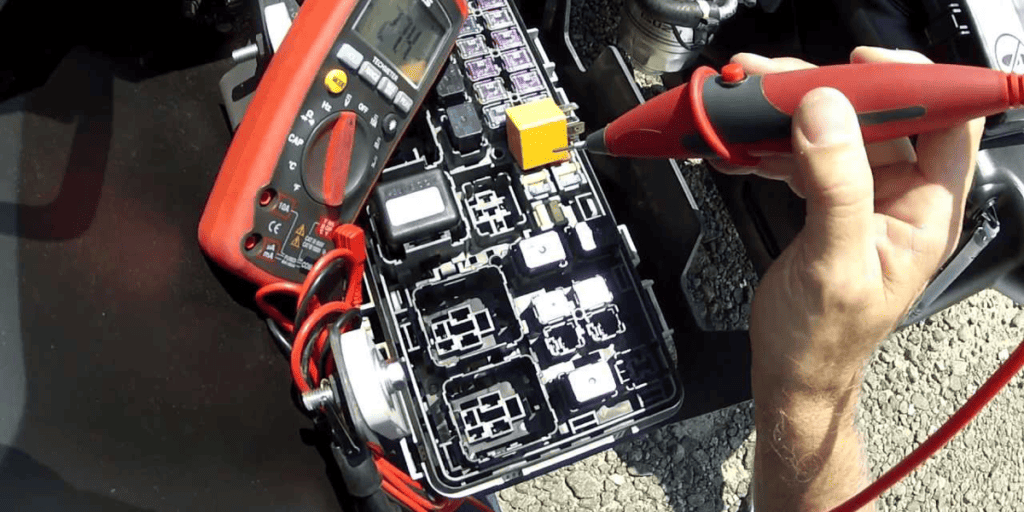
Inspecting related systems such as the air pressure switch and associated hoses can help identify issues that trigger protective modes.
Recognizing the Symptoms of Limp Mode
When your vehicle enters limp mode, it’s often marked by warning signs like the check engine light and warning indicators on the dashboard.
You’ll notice a loss of power, sluggish acceleration, and the engine RPM restricted below 3,000.
The car may stay in a single gear, making it difficult to increase speed or shift smoothly, signaling limp mode activation.
Transmission fluid problems can also trigger limp mode and illuminate the Check Engine and TRAC Off lights, so have the system inspected promptly.
Is It Safe to Drive in Limp Mode?

Driving in limp mode can be safe for short distances, such as reaching a repair shop or service station. However, it considerably reduces vehicle performance and stability. Limited speed and power can make driving unpredictable, especially in traffic or on highways. Extended use risks further damage to critical components, increasing repair costs and compromising overall safety. Prompt inspection is recommended. Delaying repairs can also lead to increased emissions and more extensive engine damage over time.
How to Reset Limp Mode and Get Back on the Road
To reset limp mode, start by turning off the engine and waiting at least 30 seconds before restarting it, allowing the vehicle’s systems to reset.
Check all fluid levels, especially coolant and transmission fluids, and refill any that are low, since fluid issues can trigger limp mode.
If the limp mode persists after these steps, using an OBD-II scanner to clear trouble codes or disconnecting the battery for 10-15 minutes can help.
However, make certain all underlying issues are fixed first.
If you suspect a timing-chain issue, have a qualified mechanic inspect the vehicle for timing-chain wear before attempting resets.
Turn Off Engine
Turning off the engine is a common first step to attempt resetting limp mode, a protective system that limits engine power when a fault is detected.
To reset, turn off the engine for at least 60 seconds, allowing the vehicle’s computer to clear temporary issues.
Restart the engine and observe if normal operation resumes.
If not, a diagnostic check is necessary to identify persistent faults.
Check and Refill Fluids
Since low fluid levels can cause sensors to send incorrect data, leading to limp mode activation, it’s important to check and refill essential fluids like engine oil, transmission fluid, and coolant before attempting a reset.
Ensuring all fluid levels are within recommended ranges helps sensors function properly.
After topping off, restarting the vehicle may reset the system and disable limp mode temporarily.
Reset System Properly
Resetting the system after encountering limp mode involves a few specific steps to guarantee the vehicle’s computer correctly processes the fix and returns to normal operation.
You should first turn off the engine and wait at least 30 seconds.
Using an OBD-II scanner to diagnose and clear trouble codes effectively resets the system, but make certain the root cause is addressed for a lasting fix.
Common Causes of Limp Mode You Can Troubleshoot
Many common causes of limp mode are related to issues with sensors, fluid levels, electrical connections, or mechanical components.
Faulty sensors, like those monitoring the transmission or oxygen levels, can send incorrect signals, activating warning lights and triggering limp mode.
Low fluid levels in the transmission or engine also prompt the vehicle’s computer to limit performance for safety reasons.
Failing to follow post-accident obligations, such as leaving contact information after damaging a parked vehicle, can lead to legal consequences and complicate insurance claims.
DIY Checks to Fix Limp Mode Before Visiting a Mechanic
Before taking your vehicle to a mechanic, there are several straightforward DIY checks you can perform to address limp mode and potentially restore normal operation.
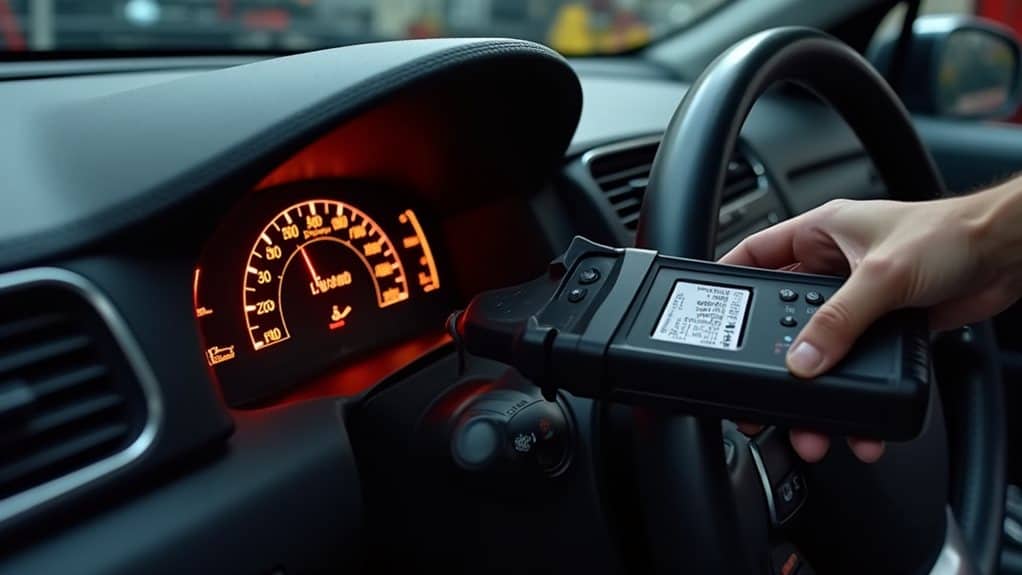
Use an OBD2 scanner to read diagnostic trouble codes, which identify faulty sensors.
Inspect airflow components like the air filter and sensors such as MAF, oxygen, and coolant temperature sensors for damage or dirt.
Ensure proper airflow and sensor function.
Transmission issues can also be caused by low or contaminated fluid, so check the transmission fluid level and condition as part of your inspection.
When to Call a Professional for Limp Mode Repairs
If your vehicle repeatedly enters limp mode or does so unexpectedly, it’s crucial to call a professional mechanic promptly, as these symptoms often indicate serious underlying problems.
A professional inspection is needed when warning lights stay on or sensor readings are abnormal.
Avoid DIY fixes for complex issues; only trained technicians can properly diagnose and repair the root cause to guarantee safe, reliable operation.
Wrapping up
Understanding limp mode helps you respond effectively to vehicle issues. Recognizing symptoms, performing basic diagnostics, and knowing when to seek professional help can prevent further damage. While some causes are manageable through simple checks, persistent or severe problems require expert attention. Always prioritize safety and avoid driving extensively in limp mode. Proper maintenance and prompt repairs guarantee your vehicle remains reliable and safe to operate, minimizing the risk of costly repairs or breakdowns.