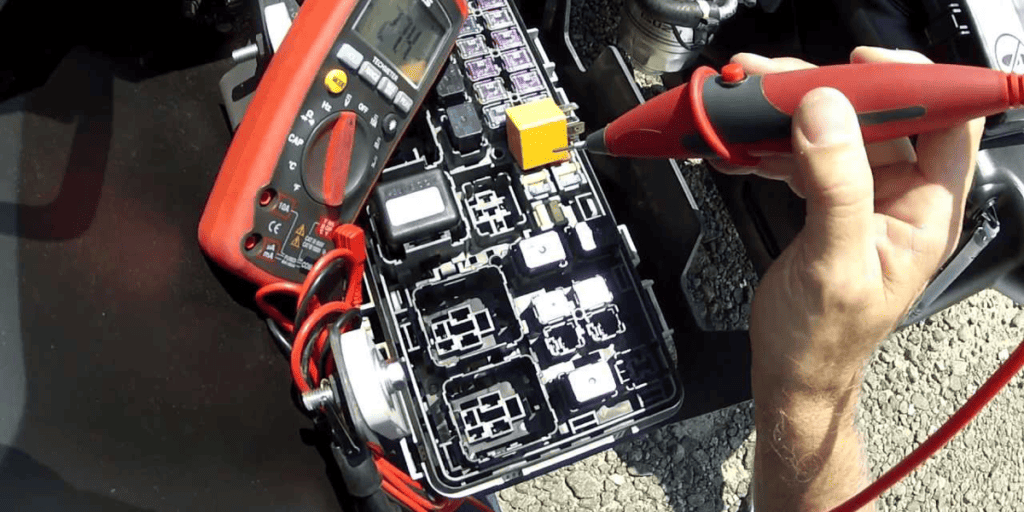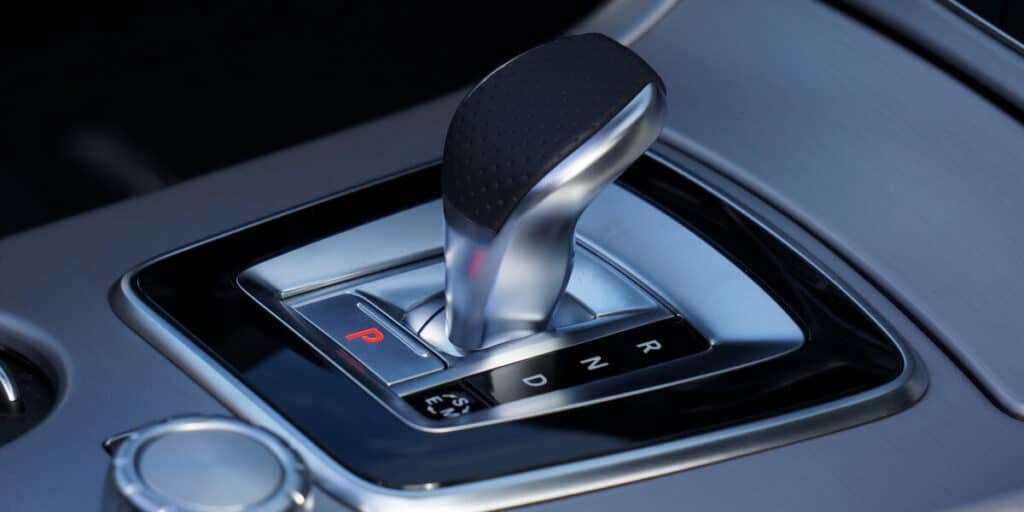
A whining noise in reverse gear can be normal because straight-cut gears naturally produce high-pitched sounds during engagement. However, if the noise is loud, persistent, or worsens under load, it may suggest problems like gear wear, low or contaminated transmission fluid, or internal damage. Water contamination or low fluid levels can also increase noise and cause gear issues. For a thorough understanding of what might be causing your reverse gear noise, keep investigating further.
Quick Tips
- Some whine in reverse can be normal due to straight-cut gear design, but excessive noise may indicate issues.
- Low or contaminated transmission fluid can cause increased whine or abnormal noise in reverse.
- Worn or damaged gears and internal components often produce louder or irregular reverse gear noise.
- Noise worsening under load or during steep inclines suggests potential transmission problems.
- Persistent or loud whining should be inspected by a professional to prevent further damage.
Is the Reverse Gear Whine Normal or a Sign of Transmission Damage?
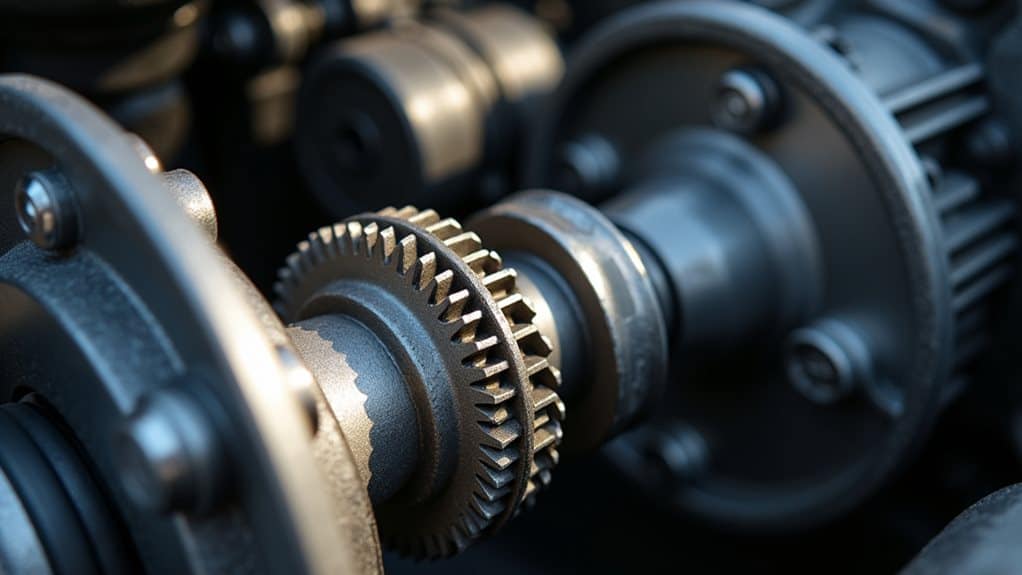
A whining noise when shifting into reverse gear is often normal due to the design of the gear teeth, which are straight-cut and produce a louder sound. While some noise is expected, an excessively loud or persistent whine may indicate potential transmission damage, such as worn gears or low fluid.
It’s essential to monitor the noise for signs of underlying issues. Additional factors like low fluid or component wear can point to problems that require inspection.
How Do I Know If My Reverse Gear Noise Is Excessive or Unusual?
To determine if your reverse gear noise is excessive or unusual, listen carefully to how loud the sound is compared to when the vehicle was new or immediately after any recent transmission work.
If the noise becomes markedly louder, persists after warming up, or worsens under specific conditions like towing or steep inclines, it may indicate a problem.
Comparing current sounds to previous ones and watching for additional symptoms like shifting issues or fluid leaks can help you identify if the noise is abnormal.
Also check operating conditions such as whether the engine and transmission are at proper operating temperature, since engine temperature can affect noise and component behavior.
Unusual Noise Characteristics
Unusual noise characteristics in your reverse gear can serve as important indicators of potential problems. If you notice irregular or louder transmission whine, or if the reverse gear noise worsens over time, it may suggest gear wear or internal damage.
Additional vibrations, slipping, or difficulty engaging could point to more serious issues requiring professional inspection to prevent further damage.
Comparing Normal Sounds
Understanding whether your reverse gear noise is normal involves comparing the sound you hear now with previous experiences or standard vehicle sounds.
Typically, a normal reverse gear noise is loud and whine-like due to straight-cut gears.
Any increase, persistence, or new noises like grinding could indicate gear wear or lubrication issues, signaling abnormal transmission sound comparison and potential damage.
What Causes Reverse Gears to Make That Loud Whining Sound?
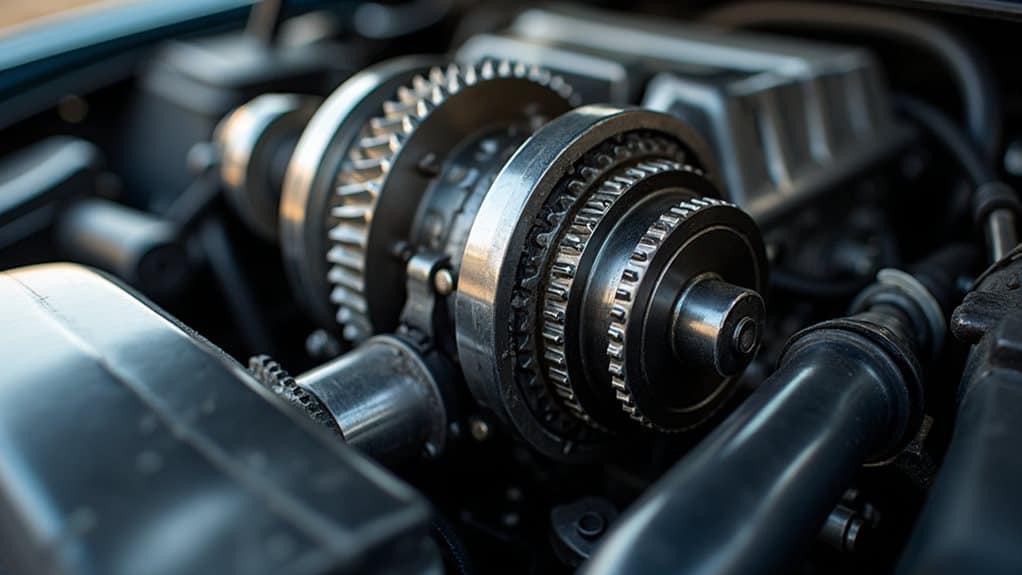
The loud whine produced by reverse gears primarily results from their unique gear design, specifically their straight-cut teeth. This design causes contact between gear teeth to generate a high-pitched noise, especially under load or engagement.
Additionally, low or contaminated transmission fluid can increase this noise, as proper lubrication and gear contact patterns are essential for minimizing the whine in reverse gear.
You may also want to inspect the trunk latch actuator for related electrical or mechanical issues that can cause other vehicle components to become stuck or malfunction.
How Can I Diagnose Problems With My Reverse Gear or Transmission?
How can you determine if there’s a problem with your reverse gear or transmission? First, listen for unusual noises like whining or grinding when engaging reverse.
Check your transmission fluid level and condition—low or contaminated fluid can cause issues.
Also, notice if shifting into reverse is difficult or noisy, which may indicate worn components needing professional diagnosis or repair.
Prompt inspection is important because a cracked flexplate can cause vibrations and lead to further transmission damage.
Can Water Contamination or Low Fluid Levels Make Reverse Gears Noisy?
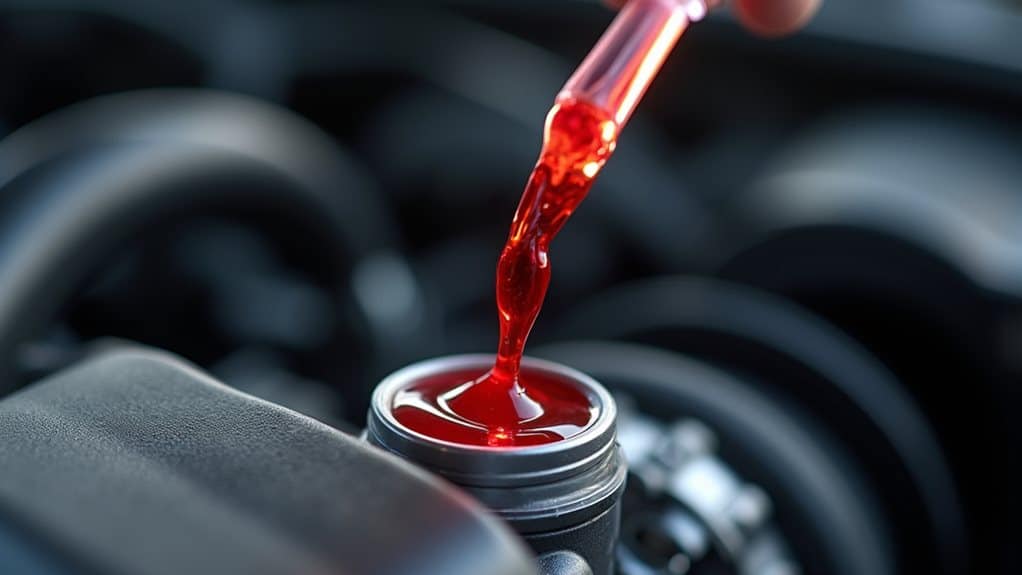
Water contamination in transmission fluid can cause increased noise and reduce proper lubrication. This makes reverse gear sounds louder and more abrasive.
Similarly, low fluid levels mean there isn’t enough lubrication to smoothly operate the gears, which can lead to gear whine and potential damage over time.
When transmission fluid becomes aerated or foams due to water or insufficient quantity, noise during reverse can intensify. Wear on gear components may also accelerate.
Water Contamination Effects
When transmission fluid becomes contaminated with water, it can deeply impact the operation of your vehicle’s gears, especially in reverse. Water contamination causes transmission fluid to become cloudy or milky, reducing its lubricating properties.
This leads to increased gear noise and accelerated wear, as internal components corrode. Regular checks and fluid replacement prevent damage and maintain smooth reverse gear operation.
Impact of Low Fluid
Low transmission fluid levels can considerably impact your vehicle’s reverse gears, often leading to increased noise and abnormal operation.
Insufficient fluid causes gear slippage and reduces hydraulic pressure, making gears grind or whine.
Water contamination further worsens this, as it damages gear surfaces and hampers lubrication, escalating noise issues and risking further transmission damage.
Regular checks prevent these problems.
Symptoms of Fluid Issues
Issues with transmission fluid, such as water contamination or low levels, can considerably impact reverse gear operation and cause gear noise. Water contamination creates air bubbles, disrupting hydraulic pressure.
Low fluid reduces lubrication, increasing wear. Both conditions often result in whining or squealing sounds, indicating that your transmission fluid needs inspection or replacement to prevent further damage.
Signs That Your Reverse Gear or Transmission Might Be Damaged
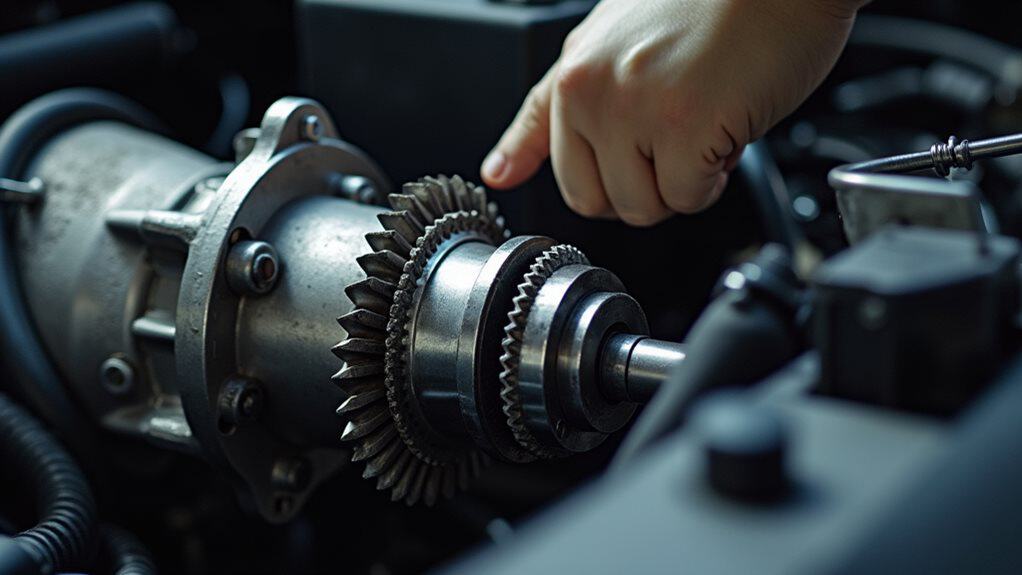
A whining noise in reverse can sometimes be normal, especially in vehicles with straight-cut gears, which tend to produce louder sounds compared to forward gears.
However, if the transmission noise worsens with engine speed, or you experience gurgling sounds or inconsistent noise levels, it could indicate gear damage or worn components in the reverse gear.
Persistent noise warrants professional inspection.
Tips to Maintain and Keep Your Transmission Quiet
Maintaining a quiet transmission involves consistent attention to several key factors that influence its performance and longevity. Make certain your transmission fluid is at proper levels and use recommended oils like Redline MT90 to reduce gear noise.
Regular maintenance, including inspections for wear or contamination, helps prevent excessive noise. Avoid high-speed shifts into reverse and keep the transmission clean to minimize issues. Rebuilding or replacing a short block can affect related drivetrain alignment and should be considered when diagnosing persistent noise.
When Should I See a Mechanic About Reverse Gear Noise?
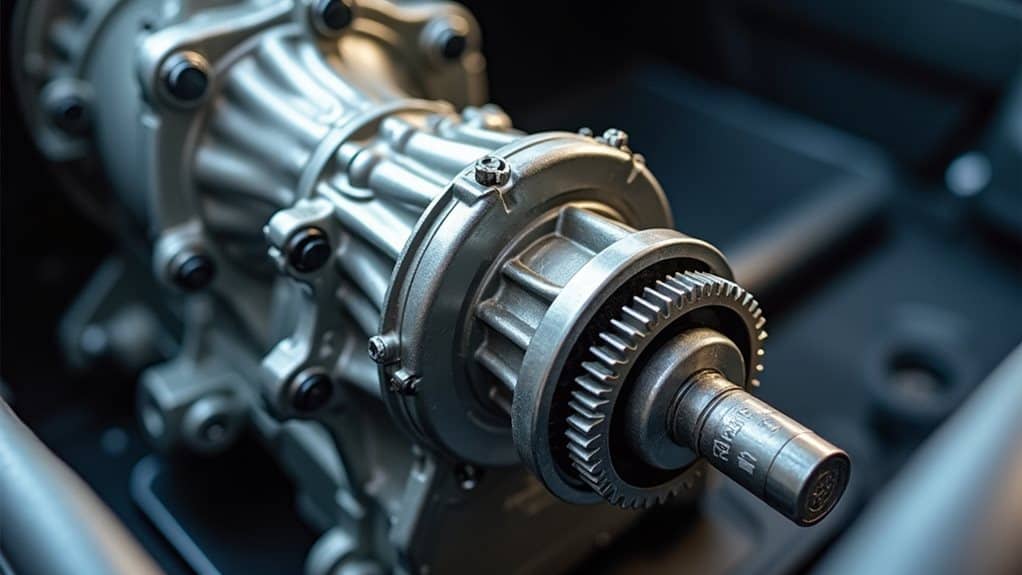
You should consider seeing a mechanic about reverse gear noise if you notice a loud, high-pitched whine that worsens during acceleration or deceleration.
Persistent reverse gear noise, especially with difficulty shifting or slipping, indicates transmission issues.
If water contamination or debris is in the transmission fluid, or if the noise worsens after driving through water or rough terrain, consult a mechanic promptly.
Wrapping up
If your reverse gear makes a whining noise, it’s important to assess whether the sound is normal or indicates a problem. Persistent or loud noises may suggest issues like worn bearings, low transmission fluid, or contamination. Regular maintenance, such as checking fluid levels and inspecting for water contamination, can prevent damage. However, if the noise persists or worsens, consulting a mechanic guarantees proper diagnosis and avoids costly repairs. Addressing these issues promptly keeps your transmission functioning smoothly.