
A short block contains only essential internal components like the engine block, pistons, crankshaft, and connecting rods, requiring additional parts such as cylinder heads, valves, and timing components for complete operation. In contrast, a long block includes these external components already assembled, making it more extensive and easier to install. Choosing between them depends on your project scope, budget, and whether you want a fully assembled engine or more customization options. Learn more about which option suits your needs as you investigate further.
Quick Tips
- A short block includes the engine block, pistons, crankshaft, and connecting rods, but lacks cylinder heads and valves.
- A long block includes everything in a short block plus cylinder head(s), valves, and often the camshaft.
- Long blocks are pre-assembled, making installation quicker and easier than assembling a short block.
- Short blocks require additional parts and assembly, offering more customization but more installation work.
- Long blocks are typically more expensive upfront but are more complete and reliable for engine replacement.
What Are Short Blocks and Long Blocks? An Overview of Engine Components
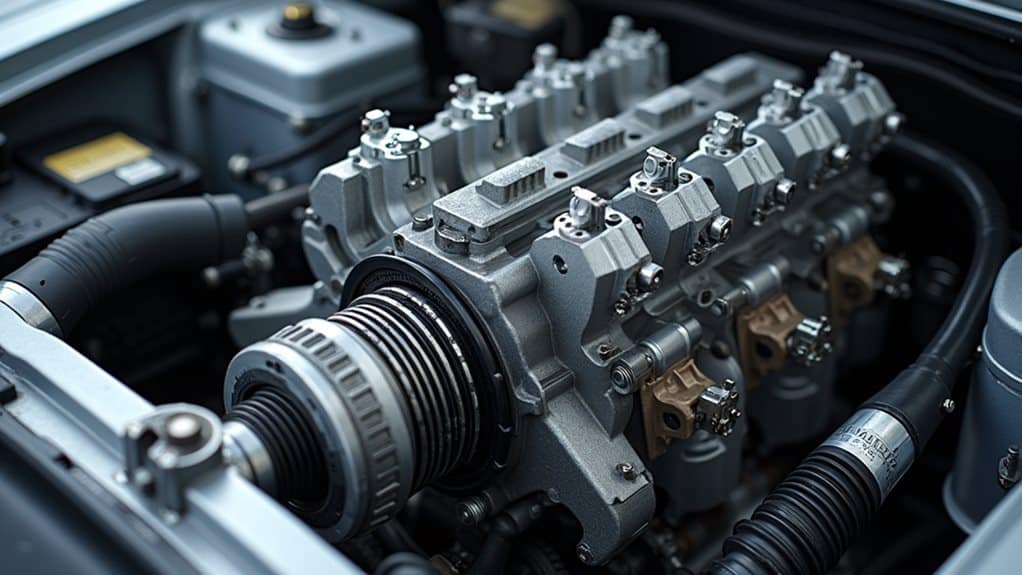
A short block and a long block are two different types of engine assemblies, each with distinct components and uses. The engine block is central in both.
A short block includes the engine block, pistons, crankshaft, and connecting rods, but lacks cylinder heads and valves.
A long block adds cylinder heads, valves, and often the camshaft, making it more complete. Using proper rust prevention and treatments like phosphoric acid can protect exposed engine components during storage and installation.
How Do Short and Long Blocks Differ? Key Comparison
How do short and long blocks differ in regard to assembly and readiness?
A short block includes only the engine block, pistons, crankshaft, and connecting rods, requiring additional parts for operation.
Conversely, a long block comes pre-assembled with cylinder heads, valves, and timing components, making it more complete and quicker to install.
The main difference is the level of assembly and readiness.
Tunnel ram intakes can significantly boost high-RPM power when properly matched to an engine, often adding 50-100 horsepower on big block applications.
Should You Use a Short Block or a Long Block? Making the Right Choice
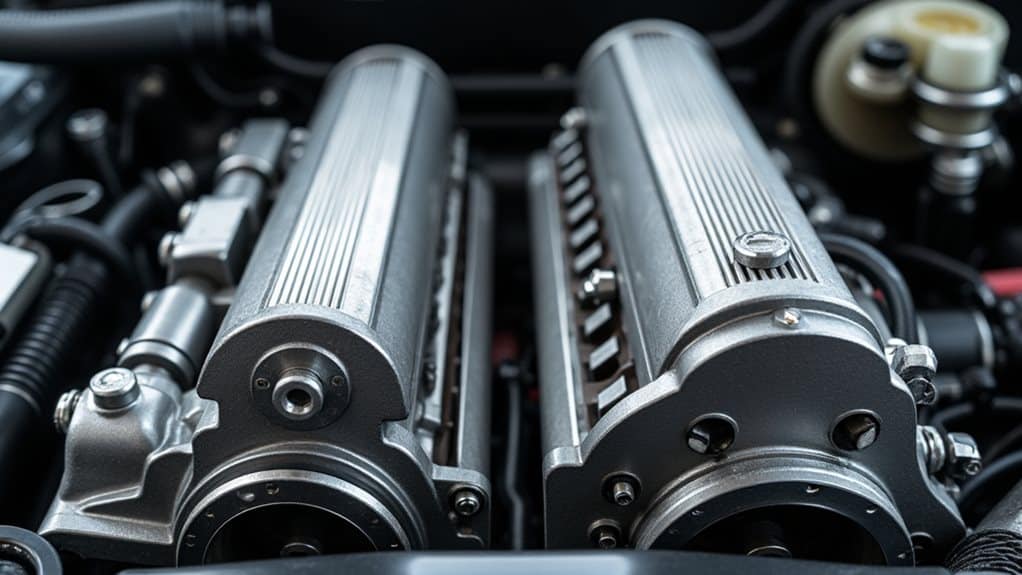
When choosing between a short block and a long block, consider how quickly you want the engine installed, as long blocks generally require less assembly time.
Your budget also plays a role, since long blocks tend to be more expensive but can save on labor costs and time.
Additionally, think about how much customization you need; a short block offers more flexibility for building a personalized engine, while a long block provides a nearly complete setup for faster installation.
Regular maintenance, such as replacing the cabin air filter, can prevent airflow-related issues that affect overall vehicle performance.
Installation Speed and Ease
Choosing between a short block and a long block for engine replacement considerably impacts the speed and ease of installation.
A long block’s pre-assembled components streamline the installation process, reducing assembly steps and time.
Conversely, a short block requires additional assembly of external parts, making the overall installation slower and more complex, especially in time-sensitive or high-volume situations.
Customization Opportunities
Opting for a short block or a long block depends largely on your goals for engine customization.
A short block offers more customization options, allowing you to select specific components like cylinder heads and valve train parts.
Conversely, a long block provides a nearly complete, ready-to-install engine, reducing the need for additional parts and assembly.
It is suited for those seeking less effort.
Cost and Budget Impact
While the initial purchase price is an important factor, understanding the overall cost and budget impact of choosing between a short block and a long block is essential for making an informed decision.
Long blocks usually cost more upfront but save on labor and installation time.
Conversely, short blocks may be cheaper initially but can lead to higher total costs due to additional parts and labor.
When Is It Best to Install a Short Block Versus a Long Block? Practical Scenarios
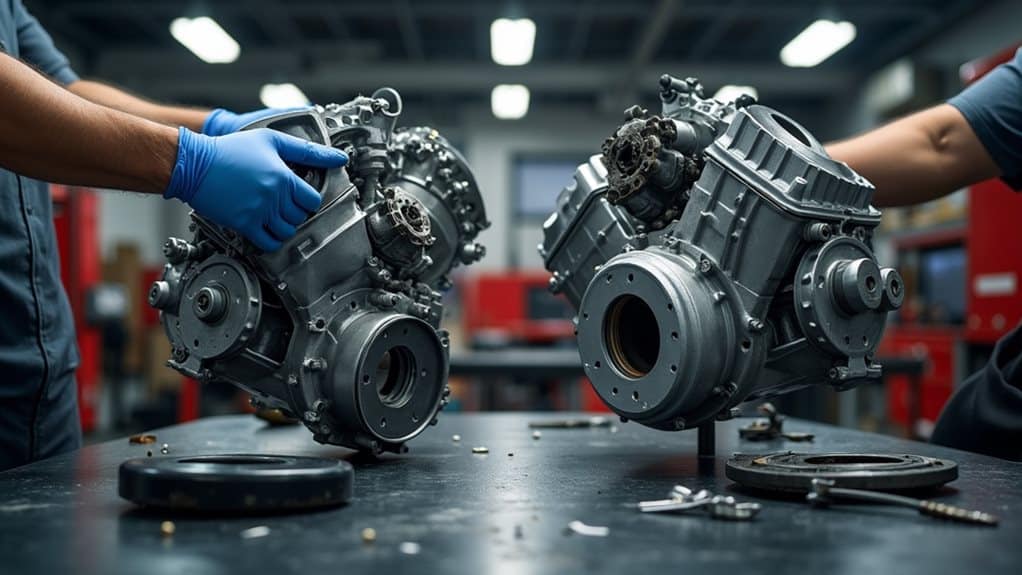
Deciding whether to install a short block or a long block depends heavily on the specific condition of your engine and your repair goals.
Use a short block if only internal components are damaged, and cylinder heads are intact.
Opt for a long block when a complete rebuild is needed, reducing installation time and assembly of components like cylinder heads for reliable engine replacement.
What Are the Pros and Cons of Short Blocks and Long Blocks?
Understanding the advantages and disadvantages of short blocks and long blocks can help you make an informed decision when repairing or rebuilding an engine.
Short blocks are less expensive initially but need extra parts and labor, increasing total costs. They offer more customization but require mechanical skill.
Long blocks install faster, have fewer assembly errors, and often include warranties, enhancing reliability.
Proper disposal of solvents like acetone is important to prevent environmental harm and fire hazards.
Why Choose a Long Block for Engine Replacements? Benefits Explained
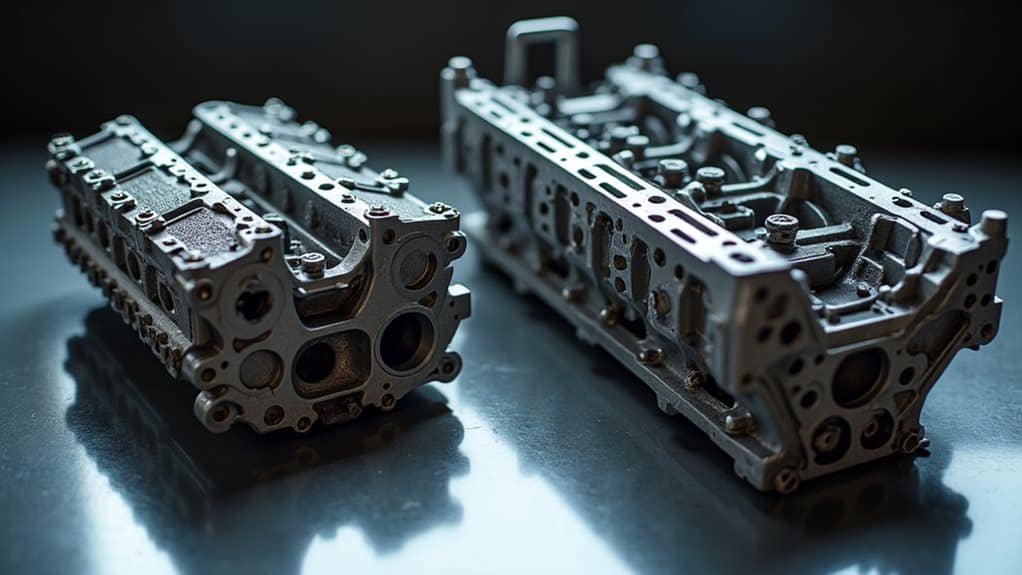
Choosing a long block for engine replacements offers several practical advantages, especially for those seeking efficiency and reliability.
A long block includes essential components like cylinder heads and the valve train, which streamlines installation. It reduces labor time, minimizes errors, and often comes with warranties, making it a cost-effective and dependable choice for engine replacement projects.
How to Decide Between a Short Block and a Long Block for Your Engine Repair
When choosing between a short block and a long block, consider whether your existing engine components are compatible with a new core, as a long block often includes most of the engine’s internal parts ready for installation.
Next, evaluate the scope of your repair or rebuild—if internal damage is limited, a short block may suffice, but for complete replacements, a long block reduces assembly time.
Finally, factor in your budget and available time; long blocks tend to be more expensive upfront but can save labor costs and downtime, making them suitable for those seeking a quicker, more all-encompassing solution.
Also consider tire and vehicle clearance implications when selecting replacement components, since overall tire diameter (for example, a 275 60R20 is 1.1 inches taller than a 275 55R20) can affect suspension and fitment.
Existing Components Compatibility
Since a long block generally includes components like cylinder heads, valves, and timing gears, it tends to be more compatible with existing external parts of your engine, making it easier to reuse many components without modification.
Compatibility depends on matching bore size, engine code, and mounting points.
A long block often simplifies installation, but verify your current parts’ condition before choosing.
Repair Scope and Needs
Deciding between a short block and a long block depends largely on the scope of repairs you plan to undertake and how much of the engine you want to replace or reassemble.
Use a short block if you already have functional cylinder heads and want to replace internal components or rebuild the engine yourself.
A long block is ideal for quicker, more complete engine replacements.
Budget and Time Constraints
Choosing between a short block and a long block for engine repair largely depends on your budget and available time.
A long block can save installation time by providing a nearly complete engine, reducing downtime.
In contrast, a short block has a lower initial cost but requires additional assembly, increasing labor and overall project duration, especially if time is limited.
What Factors Should You Consider When Selecting an Engine Assembly?
When selecting an engine assembly, it’s important to carefully consider several key factors to guarantee you choose the best option for your needs.
Evaluate whether your existing cylinder heads and valve train components are compatible, as this impacts whether a short or long block is suitable.
Additionally, consider your budget, technical skills, and the engine’s intended use to make certain of proper fit and performance.
Also be mindful of potential ventilation and safety issues when running or testing an engine indoors, such as the risk of carbon monoxide exposure.
Final Tips for Picking the Best Engine Block for Your Vehicle or Project
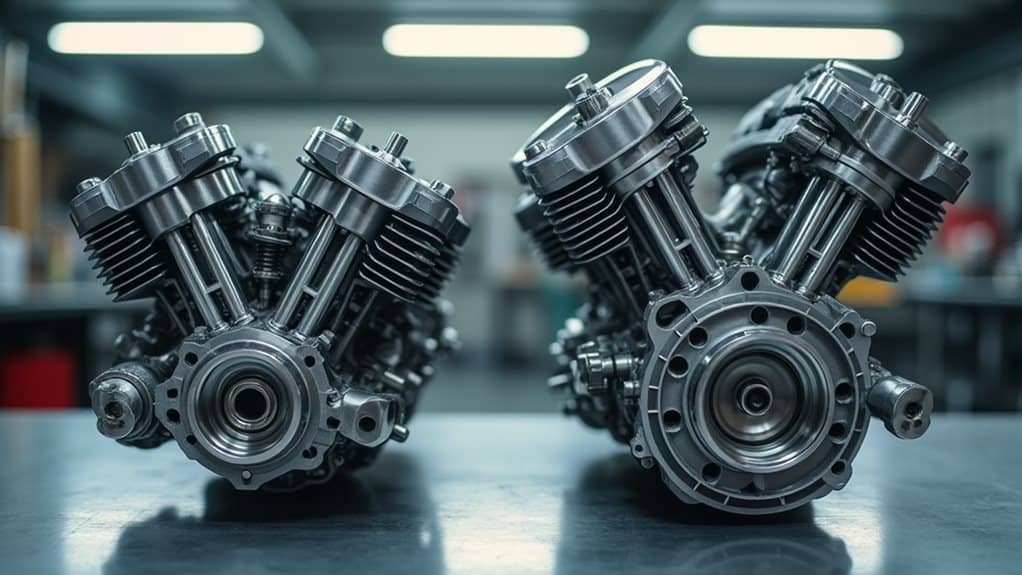
To select the best engine block for your vehicle or project, assess your needs and technical requirements.
Decide between a short or long block based on your budget, desired customization, and existing parts like heads.
Consider modern technology, fuel delivery, and warranty.
A long block includes most components, making it the preferred option for reliability.
While a short block offers flexibility for specific upgrades.
Wrapping up
Choosing between a short block and a long block depends on your specific needs and the scope of your engine repair or build. A short block includes the engine block, crankshaft, pistons, and connecting rods, while a long block also incorporates cylinder heads and timing components. Consider factors like cost, project complexity, and compatibility with your vehicle. Understanding these differences guarantees you select the most suitable assembly for reliable performance and long-term durability.