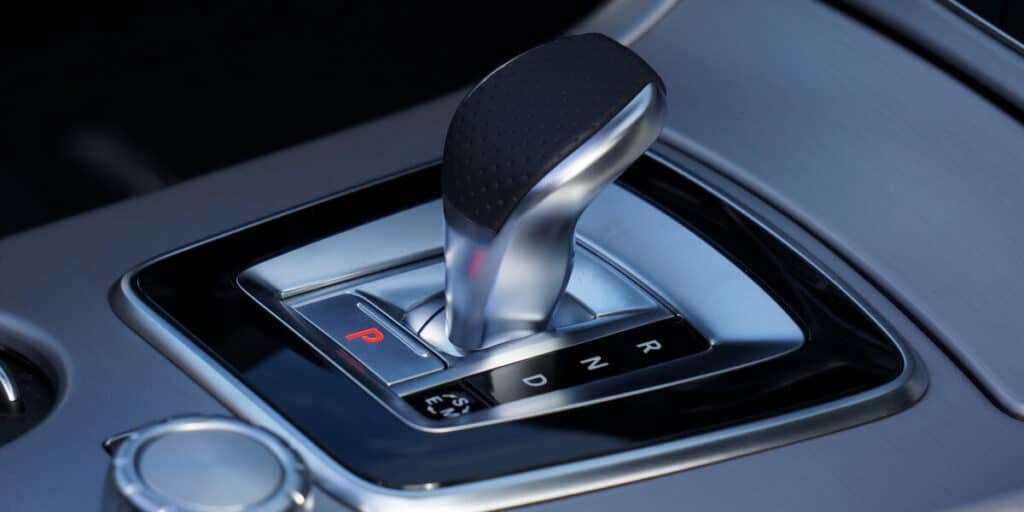
DS on your shifter means Drive Sport, a sport-oriented Drive setting that changes the transmission’s logic to hold gears longer, delay upshifts, and downshift more aggressively so the engine stays in its power band. You’ll notice quicker throttle response, higher RPMs before shifts, stronger engine braking, and louder engine/exhaust sound; paddle shifts usually override automatic behavior. Use it for overtakes, hills, or twisty roads, but switch back to D for normal cruising to save fuel and reduce wear — more details follow.
Quick Tips
- DS is a sport-oriented Drive mode that changes automatic shift logic for more aggressive performance.
- Selecting DS delays upshifts and holds gears longer to keep the engine in its power band.
- DS increases throttle sensitivity, quicker downshifts, and often raises RPM before shifting under load.
- Use DS for overtaking, steep hills, or sporty driving; return to D for relaxed cruising or heavy traffic.
- Prolonged high-exhaust temps in sport modes can increase diesel particulate/regeneration needs and maintenance.
What “DS” Means on Your Shifter
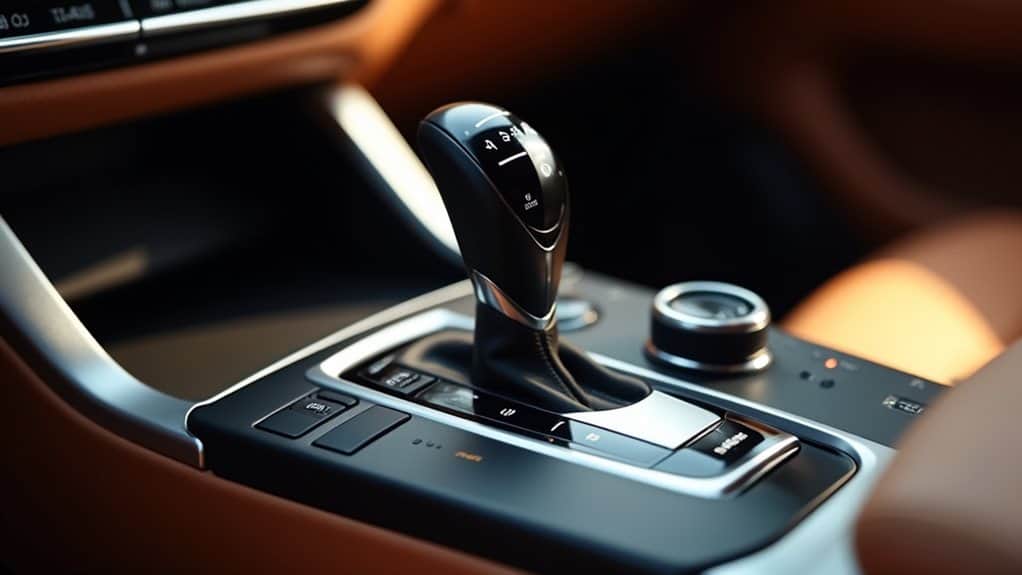
Think of “DS” on your shifter as a performance-minded variation of the regular Drive position: it usually stands for “Drive Sport” (or occasionally “Dynamic Sport” or “Drive Select” depending on the manufacturer), and when you select it the transmission changes its behavior to favor quicker throttle response and higher engine RPM before upshifting. You’ll see DS on many models; it signals sport-oriented shift logic and selectable driving profiles. The mode is an automatic performance-focused shift program that keeps the engine in the power band longer.
How DS Mode Changes Shifting and RPMs
When you switch into DS mode, the transmission alters its shift logic to favor higher engine speeds and quicker responses, so you’ll notice delayed upshifts, more aggressive downshifts, and prolonged gear holding during acceleration.
The system holds gears to keep RPMs in the power band, delays shifts up to 6,500–7,500+ RPM under load, downshifts for engine braking, and lets paddles override automatic upshifts. Sensors may still trigger warnings if a monitored system like the TPMS system reports a fault.
What DS Feels Like: Throttle, Steering, Noise
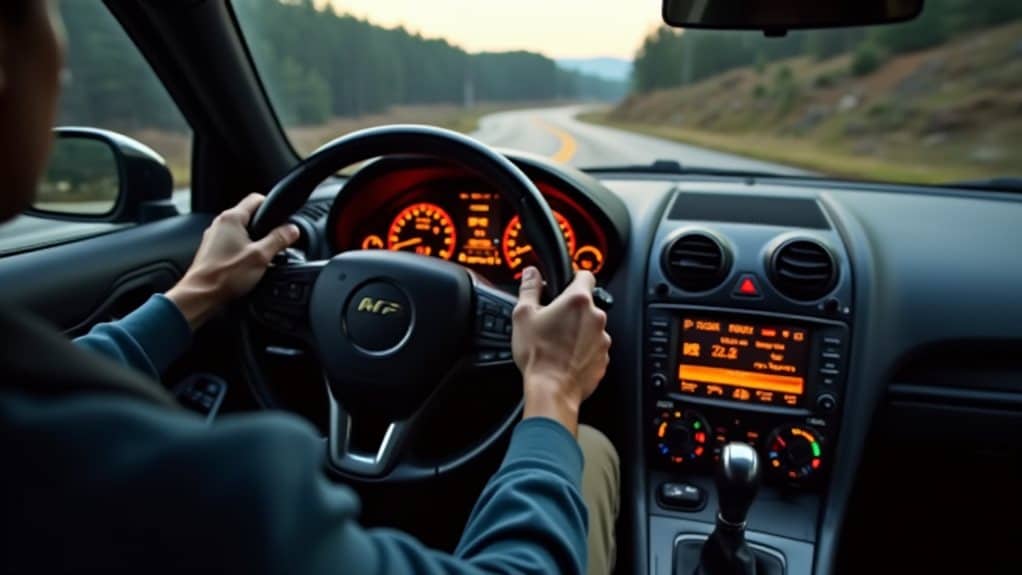
In DS mode you’ll notice immediate changes in how the car reacts to your inputs: the throttle becomes far more sensitive, steering feels heavier and more direct.
The engine and exhaust grow noticeably louder as RPMs rise. You’ll feel sharper pedal feedback, firmer steering and stiffer damping; increased RPMs raise engine, intake and exhaust noise, and vibrations become more apparent in the cabin.
A failing belt system can also affect engine smoothness at idle, so watch for symptoms like rough idle indicating issues with belts or tensioners.
When to Use DS Mode: Overtakes, Hills, Twisty Roads
Although DS is often marketed as a “sport” setting, you should use it deliberately for specific driving tasks where quicker shifts and higher revs improve control: overtaking on highways, climbing steep hills, finding your way through twisty mountain roads, and handling sudden traffic emergencies.
Use DS to hold gears for peak torque during passes, maintain engine braking downhill, and sharpen throttle response for corner exits and evasive maneuvers.
Be cautious, however, because sustained high revs in DS can increase heat and stress on the cooling system, so monitor temperature warnings and address coolant leaks promptly.
How DS Differs From D : and Why It’s Not DSG
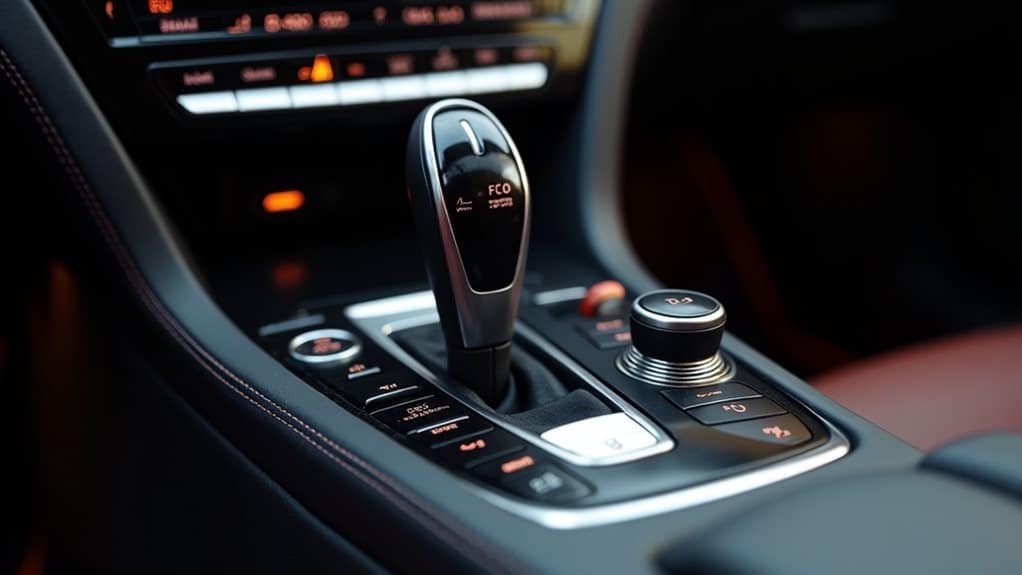
When you switch from D to DS, the transmission control unit changes its shift logic so the car holds higher RPMs, delays upshifts, and downshifts more readily to prioritize power over fuel economy.
DS is a selectable driving mode that alters software behavior within an automatic transmission—shifts remain automatic and no clutch work is required—whereas DSG refers to a specific dual-clutch gearbox with distinct mechanical clutches and a different shifting mechanism.
In short, D vs DS compares operating strategies (economy vs sport), while DS vs DSG compares a software mode to a hardware transmission type, so they’re not the same thing.
ECO Mode, by contrast, reduces throttle response and alters shift logic to improve fuel economy in city driving, making it useful when trying to maximize fuel efficiency.
DS Versus D
On most automatic gear selectors, DS — short for Drive Sport — switches the transmission into a more aggressive shift program that keeps the engine at higher RPMs and sharpens throttle response, so you get quicker acceleration and stronger engine braking without using a clutch.
Compared with D, DS delays upshifts, downshifts sooner, holds gears longer, sacrifices economy for power, and is electronically managed by the TCU.
DS Not DSG
Because DS and DSG refer to different things—one being a selectable driving mode and the other a type of transmission—you shouldn’t assume they mean the same thing when you see those letters in a car.
DS is a software-driven sport mode that alters shift logic and throttle response; DSG is Volkswagen’s dual-clutch hardware.
You can have DS without DSG, and vice versa.
Performance And Economy
You’ll notice DS shifts differently than the regular D setting because it’s programmed to prioritize performance over fuel economy, so it holds lower gears longer and keeps the engine at higher RPMs to deliver quicker throttle response and more immediate torque.
That means faster acceleration and better corner exit power, but higher fuel use; DS is automatic, not a dual‑clutch DSG.
Features That Pair With DS: Paddles, Suspension, Drive Profiles
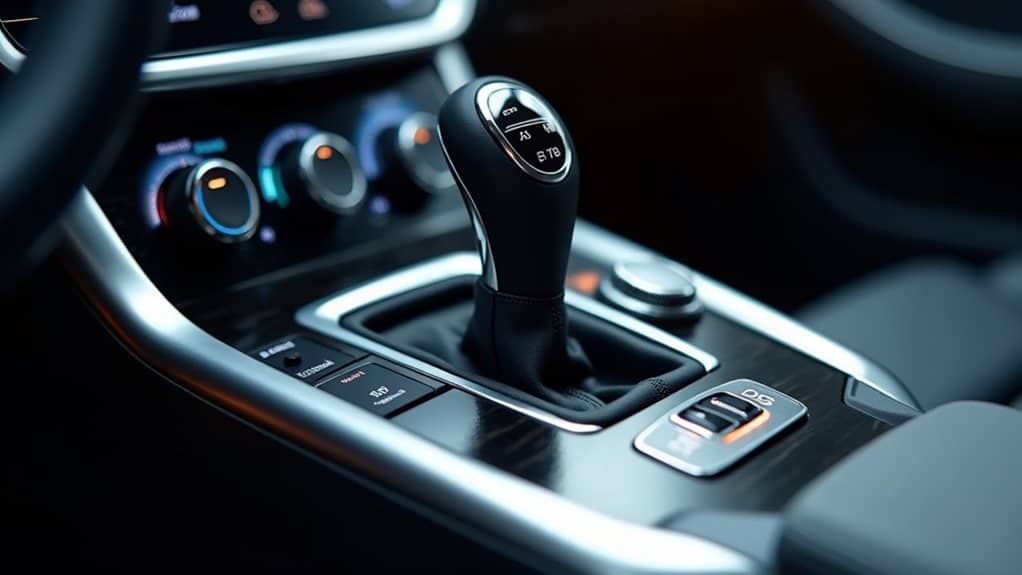
When you engage DS, you’ll often get paddle shifters that let you select gears manually without changing the car’s underlying shift logic, giving you control over timing while the system still manages revs and clutch behavior.
The mode frequently firms up suspension damping and increases steering weight, which improves responsiveness at the cost of some ride comfort, so you’ll notice chassis and tire grip reacting more sharply during cornering and quick direction changes.
Many manufacturers also bundle DS into selectable drive profiles—examples include Sport, Normal, Eco and Tow—that adjust throttle mapping, transmission shift points, and suspension settings together, allowing you to choose a preset balance of performance and comfort for specific conditions.
On slippery or loose surfaces, drivers sometimes disable traction control to allow extra momentum and wheel spin when necessary, especially in deep snow or mud traction control.
Paddle Shifters Integration
In many modern cars, paddle shifters work alongside DS (Drive Sport) to give you precise control over gear selection while the transmission still follows its sport-tuned logic, and this pairing affects more than just shifts — it ties into throttle mapping, suspension response, and drive-profile behaviors.
You can manually command immediate shifts within DS, but the TCU keeps baseline shift logic and DS personalities remain ECU-driven.
Adaptive Suspension Response
Because DS mode tightens suspension settings to prioritize handling over comfort, you’ll notice a firmer ride that reduces body roll and keeps the chassis more level through corners.
Suspension struts react faster, limiting travel for quicker weight transfer during acceleration and braking.
Steering weight and ratio sharpen, throttle mapping holds revs higher, and traction/brake systems adjust to support controlled slip and stronger deceleration.
Multiple Drive Profiles
Although you might think DS is just a single sport setting, it actually functions as one element within broader multiple-drive-profile systems that let you tailor throttle, transmission, steering, suspension, and stability controls for different situations.
You can pair DS with paddles for manual shifts, change steering weight, or select Eco, Sport, or Tow profiles; DS sharpens throttle and retains automatic logic when unused.
Tips & Cautions: Fuel Economy, Component Wear, Safety, and When to Switch Back to D
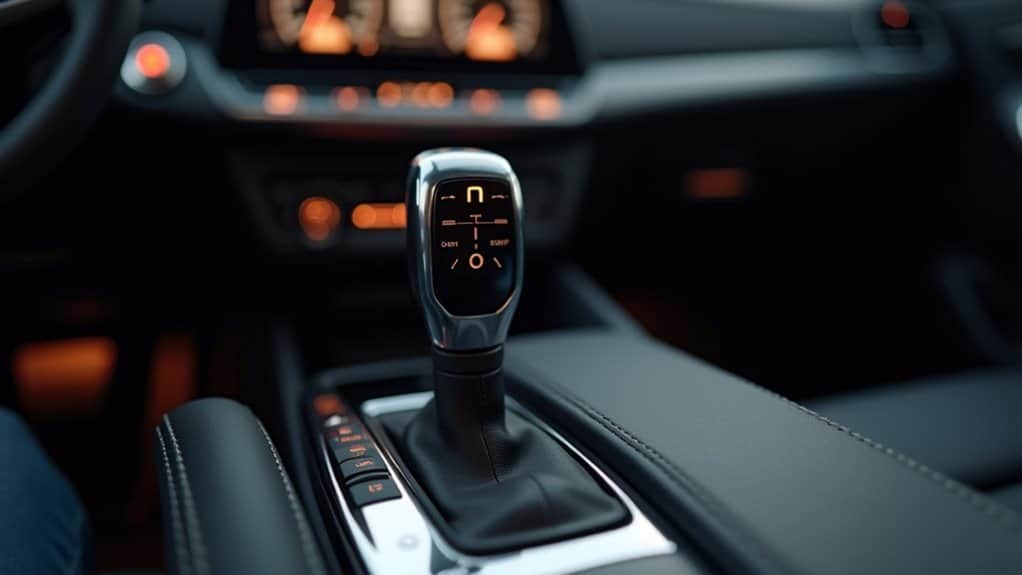
When you engage DS (Drive Sport), expect noticeably higher engine revs and crisper throttle response that trade fuel economy and component longevity for quicker acceleration and more aggressive shift points, so use it only when you need the performance.
Use DS sparingly: it raises RPMs, enhances fuel use ~10–15%, increases heat and wear, and can reduce safety margins.
Return to D for steady cruising, traffic, or overheating.
Also be aware that prolonged high-exhaust temperatures can worsen particulate buildup in diesel systems, increasing the need for regeneration and maintenance.
Wrapping Up
DS (Drive Sport) sharpens shift points and holds lower gears longer so the engine makes more power and revs higher. Use it when you need quicker acceleration—overtaking, climbing steep grades, or on winding roads—because it improves throttle response and engine braking. Expect firmer shifts, louder exhaust, and reduced fuel economy. Switch back to D for normal driving to save fuel and reduce wear. Learn your car’s DS behavior, use paddles if equipped, and monitor RPMs.