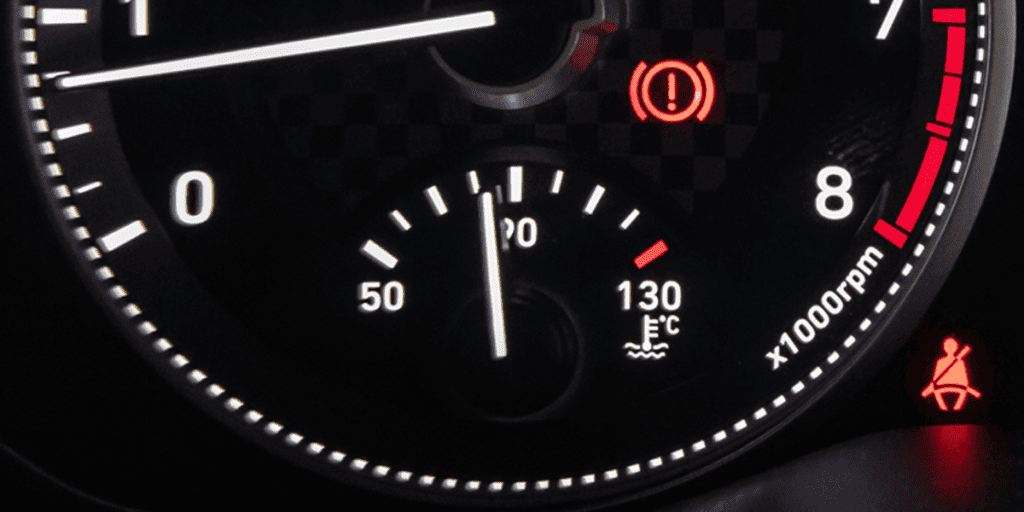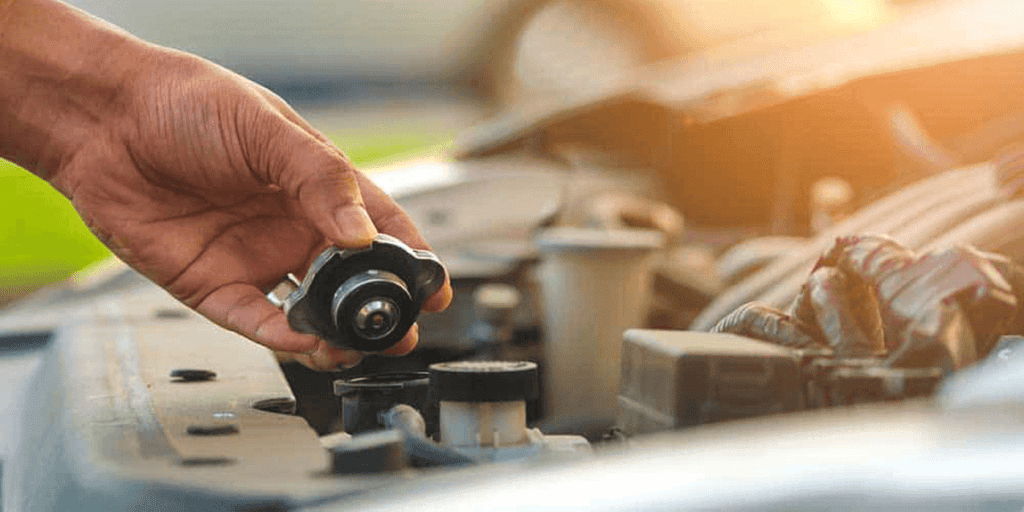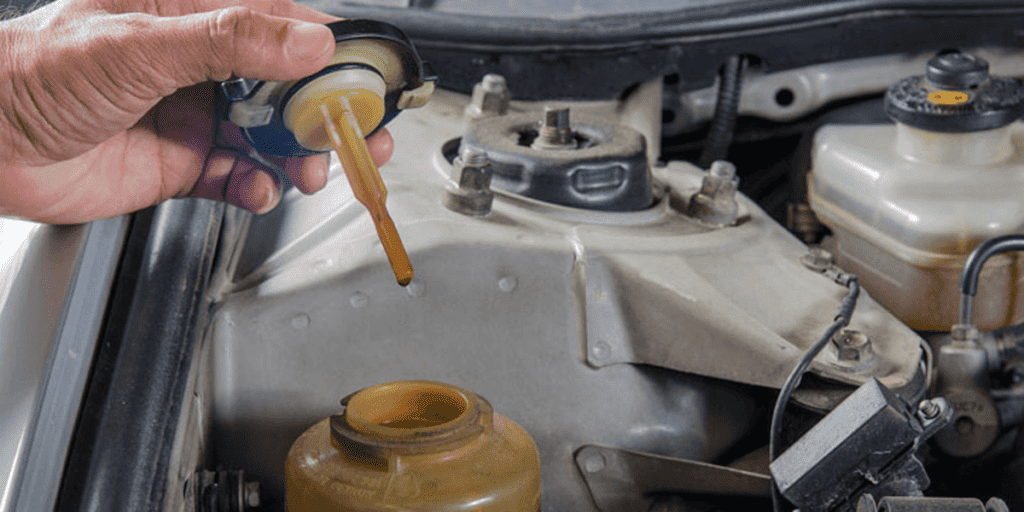
When your check engine light flashes then stops, it indicates an intermittent fault, often caused by engine misfires, faulty sensors, or ignition issues. The flashing light warns of a serious problem that could damage your catalytic converter if ignored, while the momentary stop might suggest the issue temporarily resolves but remains unresolved. This fluctuation can also be influenced by temperature or engine load. Continuing with further information will help you understand diagnostic steps and when to seek expert help.
Quick Tips
- The flashing light indicates an intermittent or misfire issue that temporarily resolves but may still cause damage.
- Fluctuating signals suggest the ECU detects inconsistent engine problems, often related to ignition or sensors.
- The light stopping temporarily doesn’t mean the fault is fixed; underlying issues may persist.
- Sudden stops can be caused by temporary fixes or environmental factors like cold weather affecting sensors.
- Ongoing or fluctuating symptoms require diagnostic testing to prevent engine damage or more severe failures.
What Does It Mean When the Check Engine Light Flashes and Then Stops?

When the check engine light flashes and then stops, it usually indicates a temporary or intermittent engine fault, often related to an engine misfire.
The blinking check engine light suggests a serious issue that could damage your catalytic converter if ignored.
Although the light stops, diagnostic codes reveal ongoing faults, requiring inspection of the system to prevent further damage.
Have the vehicle checked immediately for engine misfire to avoid catalytic converter damage and other safety risks.
What’s the Difference Between a Flashing and a Solid Check Engine Light?
The primary difference between a flashing and a solid check engine light lies in the severity and urgency of the engine malfunction.
A flashing check engine light indicates a critical issue, like a misfire, requiring immediate diagnosis to prevent damage. It may even lead to the vehicle being towed.
A solid check engine light signals less urgent problems, often related to emissions or sensors. These issues need scheduled repair.
A dashboard warning light for other systems, such as the light bulb warning, can also indicate electrical or bulb failures and should be checked promptly.
Why Does My Check Engine Light Sometimes Flash and Then Turn Off?
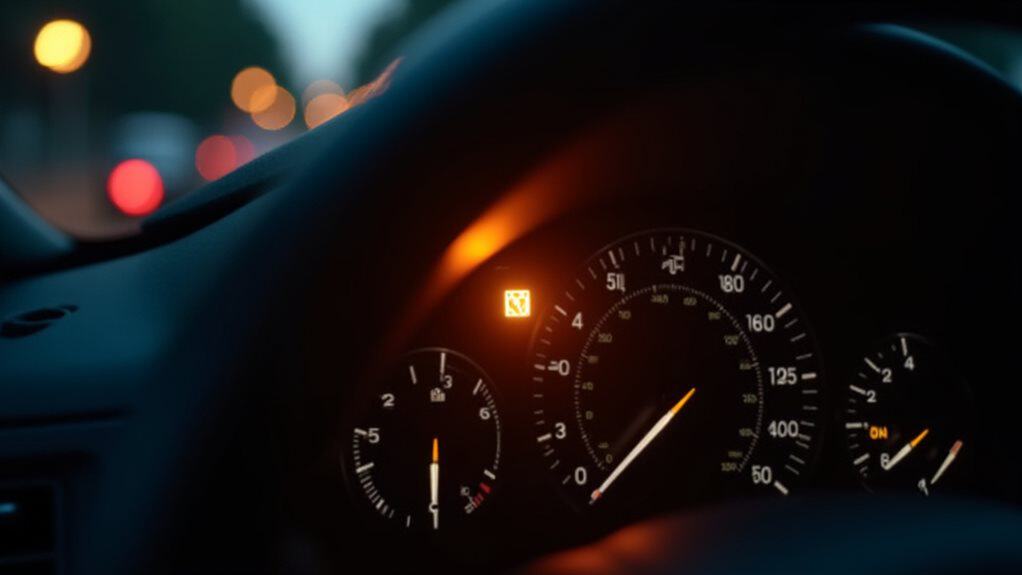
A check engine light that flashes and then turns off indicates that the vehicle’s engine control unit (ECU) has detected an intermittent fault, like a misfire, that temporarily clears.
This suggests the control unit temporarily stabilizes or corrects the issue, but the underlying problem—such as a faulty sensor or ignition coil—often remains.
Risking engine failure if unresolved.
Cold weather can cause environmental effects that make intermittent faults more likely by thickening fluids and affecting sensor readings.
What Should I Do When My Check Engine Light Flashes and Then Disappears?
When your check engine light flashes and then disappears, it’s important to assess your driving conditions to determine if you were driving aggressively or under unusual stress, as these can trigger temporary faults.
You should also check for obvious issues such as loose gas caps, unusual noises, or visible leaks, which might indicate simple causes.
However, the most critical step is to seek professional diagnosis by using an OBD-II scanner to retrieve diagnostic trouble codes, as this provides detailed information about the underlying problem and prevents potential engine damage.
Also consider inspecting related systems that affect engine performance, such as the HVAC and ventilation components, since problems like a clogged cabin air filter can indirectly influence engine load and sensor readings (cabin air filter).
Assess Driving Conditions
Even if the check engine light stops flashing temporarily, it’s important to approach the situation with caution, as this may indicate an intermittent but potentially serious engine fault such as a misfire.
Reduce driving conditions by easing off the gas and avoiding hard acceleration.
Safely pull over, turn off the engine, and inspect for symptoms like shaking or unusual smells before proceeding.
Check for Obvious Issues
After noticing the check engine light flash and then disappear, it’s important to inspect your vehicle for obvious issues, such as a loose gas cap or damaged spark plugs.
Check the ignition system and sensors for disconnections or damage.
Even if the engine light no longer appears, active trouble codes may remain, requiring diagnosis with an OBD-II scanner to identify underlying problems.
Seek Professional Diagnosis
Recognizing the flashing of your check engine light followed by its disappearance signals an urgent need for professional diagnosis, even if the warning seems to resolve itself temporarily.
You should immediately schedule a diagnostic scan with a professional mechanic. They’ll retrieve trouble codes, identify issues like misfires or faulty sensors, and accurately perform repairs using advanced diagnostic tools to prevent further engine damage.
How Can I Diagnose My Fluctuating Check Engine Light Using OBD-II Tools?
When your check engine light flashes intermittently, using an OBD-II scanner is essential. It helps retrieve diagnostic trouble codes indicating specific issues, such as misfires.
By reading live data and freeze frame information, you can identify abnormal engine parameters during fluctuations.
Clearing codes after repairs confirms if the flashing light stops, signaling problem resolution.
Some temporary fixes, like adding metal particle additives, claim to reduce wear in high-mileage engines by filling scratches and restoring surfaces, but their long-term effectiveness is debated and depends on the engine’s condition and the product, so research metal particle additives before relying on them.
When Should I Seek Professional Help to Prevent Engine Damage?
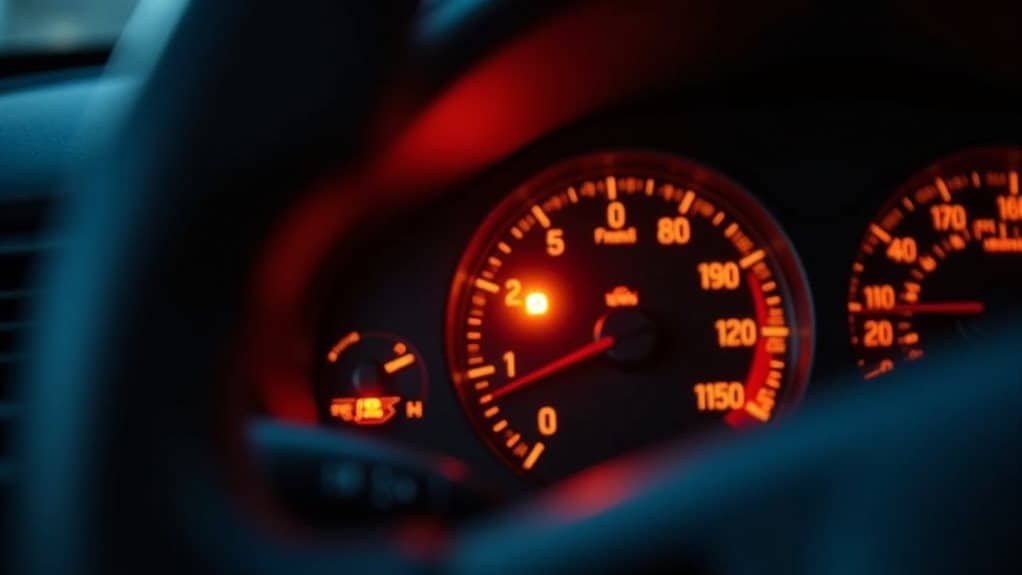
A flashing check engine light that temporarily stops signals a serious issue requiring professional help. If it indicates a misfire or emission problem, a diagnostic scan is essential to prevent engine damage.
Symptoms like rough idling or overheating mean immediate repair is needed. Ignoring these signs risks engine overheating, costly repairs, and further damage to crucial components. Consider inspecting for corrosion protection measures discussed in rust treatment guides to prevent related electrical or sensor issues.
Wrapping up
If your check engine light flashes then stops, it indicates a temporary issue that may not require immediate repair but still warrants attention. Use an OBD-II scanner to identify any stored trouble codes and monitor if the light reappears. If the flashing light persists or is accompanied by unusual engine behavior, seek professional diagnosis promptly to prevent potential engine damage. Regular maintenance and prompt troubleshooting help guarantee vehicle reliability and safety.