Regenerative braking captures the kinetic energy generated when you slow down or decelerate, converting it into electrical energy that’s stored in the vehicle’s high-voltage battery. Instead of wasting this energy as heat, the system uses an electric motor that switches roles and acts as a generator, using electromagnetic induction to produce electricity. This process enhances efficiency, reduces brake wear, and supports sustainability. Understanding this mechanism helps you maximize energy use and vehicle performance—the details behind which become clearer as you delve deeper.
Quick Tips
- Regenerative braking converts kinetic energy during deceleration into electrical energy stored in the vehicle’s battery.
- It uses the electric motor as a generator, reversing its function during braking.
- The system captures energy normally lost as heat, improving overall energy efficiency.
- Activation occurs during braking or releasing the accelerator, with control algorithms optimizing recovery.
- Its effectiveness varies with speed, deceleration rate, and battery capacity, and it may reduce reliance on traditional brakes.
What Is Regenerative Braking and Why Is It Important?

Regenerative braking is a system used in electric and hybrid vehicles that captures kinetic energy during deceleration and converts it into electrical energy, which is then stored in the battery.
It improves energy efficiency by recovering energy normally lost as heat, reduces brake wear, and enhances the braking system’s effectiveness, making driving safer and more environmentally sustainable.
During maintenance checks, it’s also important to inspect related components like brakes and wheel bearings for issues that can affect braking performance and produce noises during driving, especially if hub lubrication is compromised.
How Does Regenerative Braking Convert Kinetic Energy Into Electricity?
During regenerative braking, the electric motor is reversed to function as a generator, converting mechanical energy into electrical energy.
As the wheels slow down, their rotation causes the motor’s electromagnetic system to induce a flow of electricity back into the battery.
The efficiency of this process depends on factors like vehicle speed and deceleration rate, which influence how much energy is captured and stored.
Some drivers choose to rely on overnight parking options like public rest areas when maximizing regenerative braking benefits on long trips, as frequent stops and steady speeds help recover more energy.
Motor Reversal Process
How does the motor reversal process turn kinetic energy into electrical energy during regenerative braking?
When the electric motor acts as a generator, it reverses the current flow, causing magnetic fields within the motor to generate electrical energy.
This regenerative process captures kinetic energy from the wheels, converting it into electrical energy stored in the high-voltage battery, optimizing energy efficiency.
Energy Transfer Mechanism
The process of converting kinetic energy into electrical energy during regenerative braking relies on electromagnetic induction, a fundamental principle of physics.
When you brake, the electric motor acts as a generator, creating a magnetic field that induces an electrical current.
This current flows into the high-voltage battery, transferring braking energy into stored electrical energy through the electromagnetic induction process.
Role of Wheel Rotation
Have you ever wondered what happens to the wheels of a vehicle when you hit the brakes in a regenerative braking system?
As wheel rotation slows during vehicle deceleration, kinetic energy from mechanical energy is transferred to an electric motor. This motor uses electromagnetic induction to generate electricity, recapturing energy based on wheel speed and increasing energy recapture efficiency.
How Do Regenerative Braking Systems Work in EVs and Hybrids?
When you brake or release the accelerator in an electric or hybrid vehicle, the regenerative braking system activates, causing the electric motor to switch roles and generate electricity from the vehicle’s kinetic energy.
This process relies on control algorithms and sensors that determine when to start regeneration and how much energy to recover, ensuring the best possible efficiency.
The captured electrical energy is then stored in the high-voltage battery, ready for future use, while the system shifts seamlessly to mechanical braking if the energy limit is reached or at very low speeds.
Proper handling and disposal of fluids and solvents like acetone is important to avoid environmental and safety hazards.
Energy Conversion Process
How exactly do regenerative braking systems convert a vehicle’s kinetic energy into electrical energy? When deceleration occurs, the electric motor reverses operation, acting as a generator through electromagnetic induction.
This process changes kinetic energy from vehicle speed into electrical energy, which is stored in the high-voltage battery. The efficiency depends on factors like speed, deceleration rate, and battery capacity.
Regeneration Activation Mechanisms
Regenerative braking systems in electric vehicles (EVs) and hybrids activate through a combination of sensors and control algorithms that detect deceleration signals from driver input, such as lifting off the accelerator or pressing the brake pedal.
These activation mechanisms determine the regenerative braking modes, adjusting energy recapture, and ensuring a seamless shift to mechanical braking at specific speed thresholds.
How Can Drivers Maximize the Benefits of Regenerative Braking?
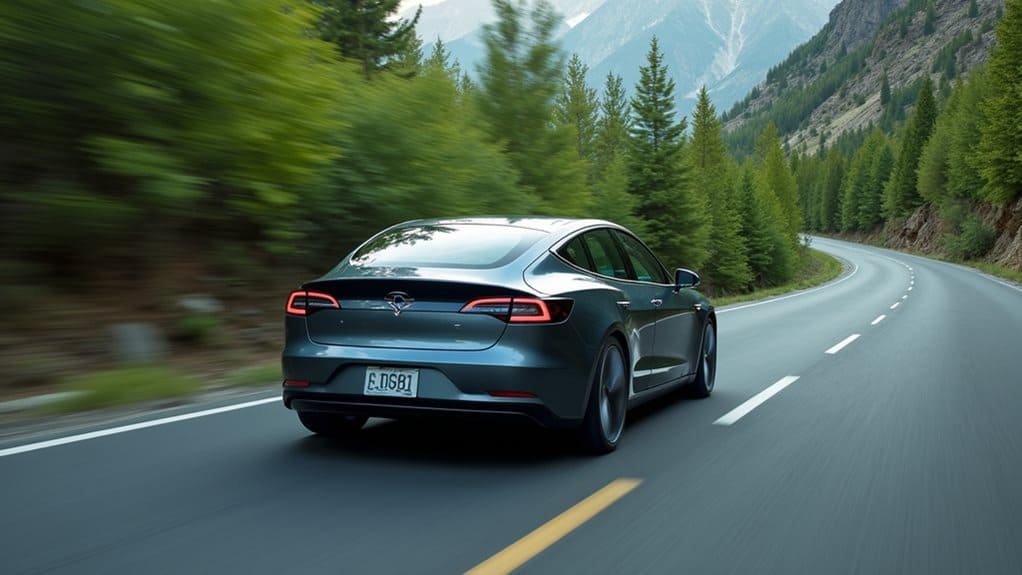
Maximizing the benefits of regenerative braking involves conscious driving techniques and attention to vehicle systems.
By anticipating stops early, you allow gradual deceleration, enhancing energy recovery.
Using driver control modes, like one-pedal driving, optimizes energy flow.
Applying only enough brake pressure to fully activate regenerative braking before traditional brakes guarantees better energy efficiency and deceleration control.
Check electrical components like the battery health regularly to ensure consistent energy capture and avoid issues that reduce regenerative efficiency.
What Are the Differences Between Regenerative and Traditional Braking?
What distinguishes regenerative braking from traditional braking systems primarily lies in how they handle deceleration and energy dissipation. Regenerative braking uses an electric motor to recover energy during deceleration and store it in the vehicle battery, reducing wear on brake pads.
In contrast, traditional braking relies on friction brakes, converting kinetic energy into heat and causing more wear. Different vehicle applications may require different body types like a sand rail for optimal performance in sandy environments.
What Are the Limitations and Challenges of Regenerative Braking?

Although regenerative braking offers significant advantages in energy efficiency and component longevity, it has limitations that affect vehicle performance.
At low speeds, energy recovery diminishes, and when the battery is full, braking relies solely on friction brakes.
Cold temperatures reduce efficiency, and during emergency stops, regenerative braking may not provide enough braking power, highlighting its disadvantages.
Regular maintenance of related systems, such as replacing a clogged cabin air filter, can help preserve overall HVAC and vehicle efficiency.
Do All Electric Vehicles Use Regenerative Braking?
Most modern electric vehicles (EVs) are equipped with regenerative braking systems because they help improve energy efficiency and extend driving range.
Not all EVs, especially older models or some hybrids, use regenerative braking. The system captures energy during deceleration, reducing reliance on traditional friction brakes.
Some vehicles allow disabling regenerative braking, but its presence is common in recent EVs to optimize energy recovery.
How Does Regenerative Braking Affect Vehicle Safety and Brake Lights?

Regenerative braking considerably impacts vehicle safety, especially through brake light activation during deceleration. When regenerative braking engages at higher speeds, brake lights turn on, signaling slowing down to drivers behind.
This enhances driver awareness and driving signals, ensuring safety. However, brake lights may not activate with slight pedal pressure, emphasizing the importance of proper braking techniques for reliable brake activation.
What’s Next for Regenerative Braking Technology?
Advancements in regenerative braking are set to substantially enhance energy recovery and vehicle performance through smarter algorithms and sensor integration.
Future systems will utilize improved battery technology, enabling higher energy capture rates—up to 80%. Adaptive control systems will optimize braking based on road conditions and driver habits.
Innovations like one-pedal driving will streamline user experience and system efficiency.
Wrapping up
Regenerative braking captures kinetic energy during deceleration, converting it into electrical energy stored in the vehicle’s battery. This process enhances efficiency by reducing energy waste and extending driving range. While common in electric and hybrid vehicles, it requires careful integration with traditional brakes for safety. Understanding how regenerative braking works helps you optimize vehicle performance and longevity. As technology advances, expect improvements that make this system more effective and widespread across different vehicle types.